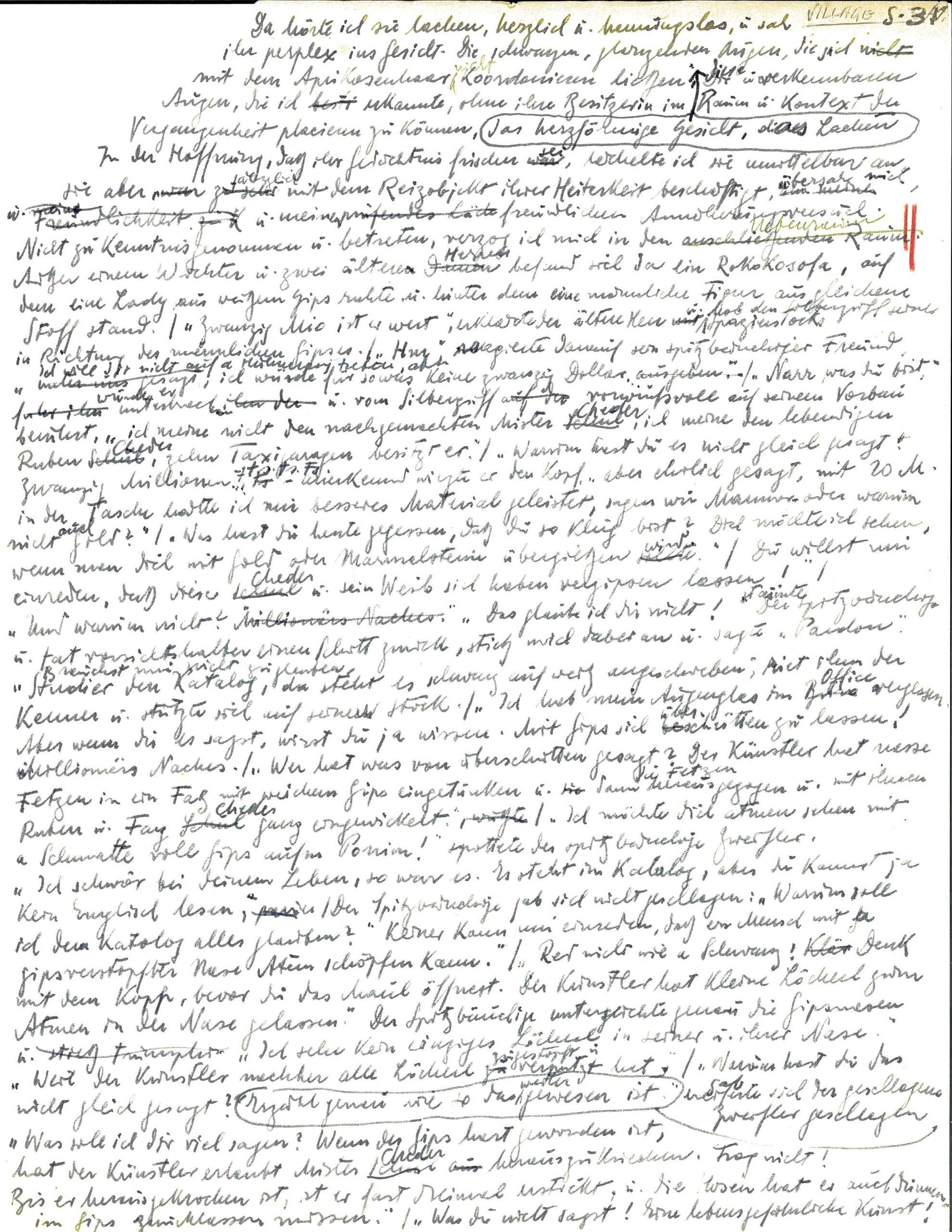
Today the Archives and Rare Books Library is highlighting one of our German-Americana Collections, the Alfred Gong papers. The finding aid can be viewed online at the Alfred Gong papers.
Alfred Gong (1920-1981)
Gong, who was named Alfred Liquornik at birth, was born on August 14, 1920, in Chernivtsi, Romania (which is now part of the Ukraine) and attended the University of Chernivtsi. His education was cut short due to Soviet and then German occupation during World War II in which he was forced into the Jewish ghetto established in Chernivtsi and later the ghetto in Mogilev-Podolsk. Gong spent 1941-1944 in forced labor camps before he was able to escape to Bucharest, Romania, with forged papers. In 1946, he moved to Vienna, Austria, and finished his education at the University of Vienna. While in Vienna, Gong organized poetry readings and published poetry in newspapers.
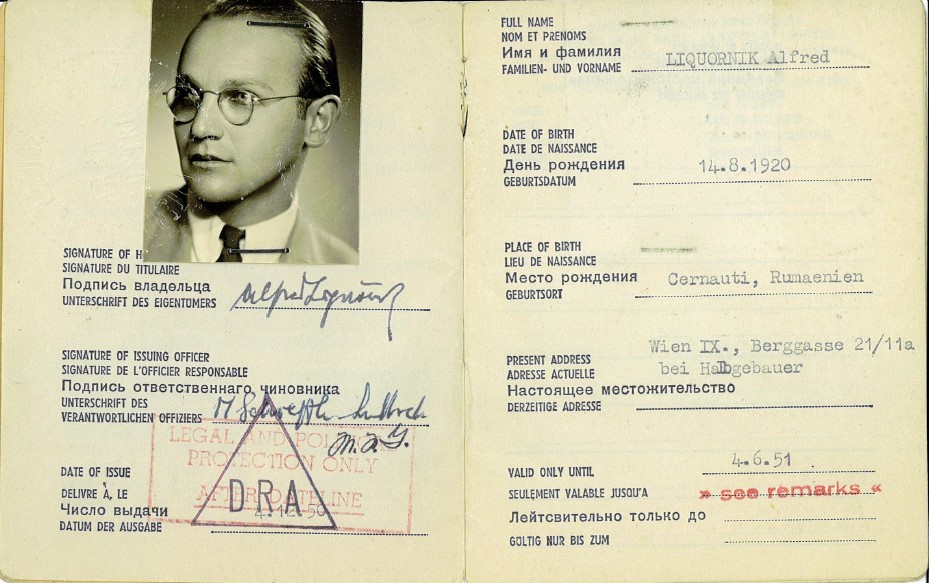
Gong immigrated to New York in 1951 where he held employment in a factory and later as a librarian in the Bronx State Hospital. He published his poems in German American newspapers and journals, as well as three collections of poems: Gras and Omega, Manifest Alpha, and Gnadenfrist. He also wrote a collection of short stories, Happening in der Park Avenue, and edited Interview mit Amerika, an anthology of German-American writings.
He was an editor for the German language newspaper Aufbau and critic for the American German Review. He obtained his United States citizenship in 1956, changed his last name to Gong, and married Norma Righetto, a Swiss immigrant in 1957. He passed away on October 18, 1981.
Details of the collection
The Alfred Gong papers detail the life and work of the German American poet, essayist, critic, and editor Alfred Gong from 1931-2007. The majority of his papers consist of notes, drafts, correspondence, and research on his poems and short stories written in German. Within the collection is correspondence between Gong and other notable German writers Max Brod, Bodo Scheurig, Joseph P. Strelka, and Gerhard Fritsch.
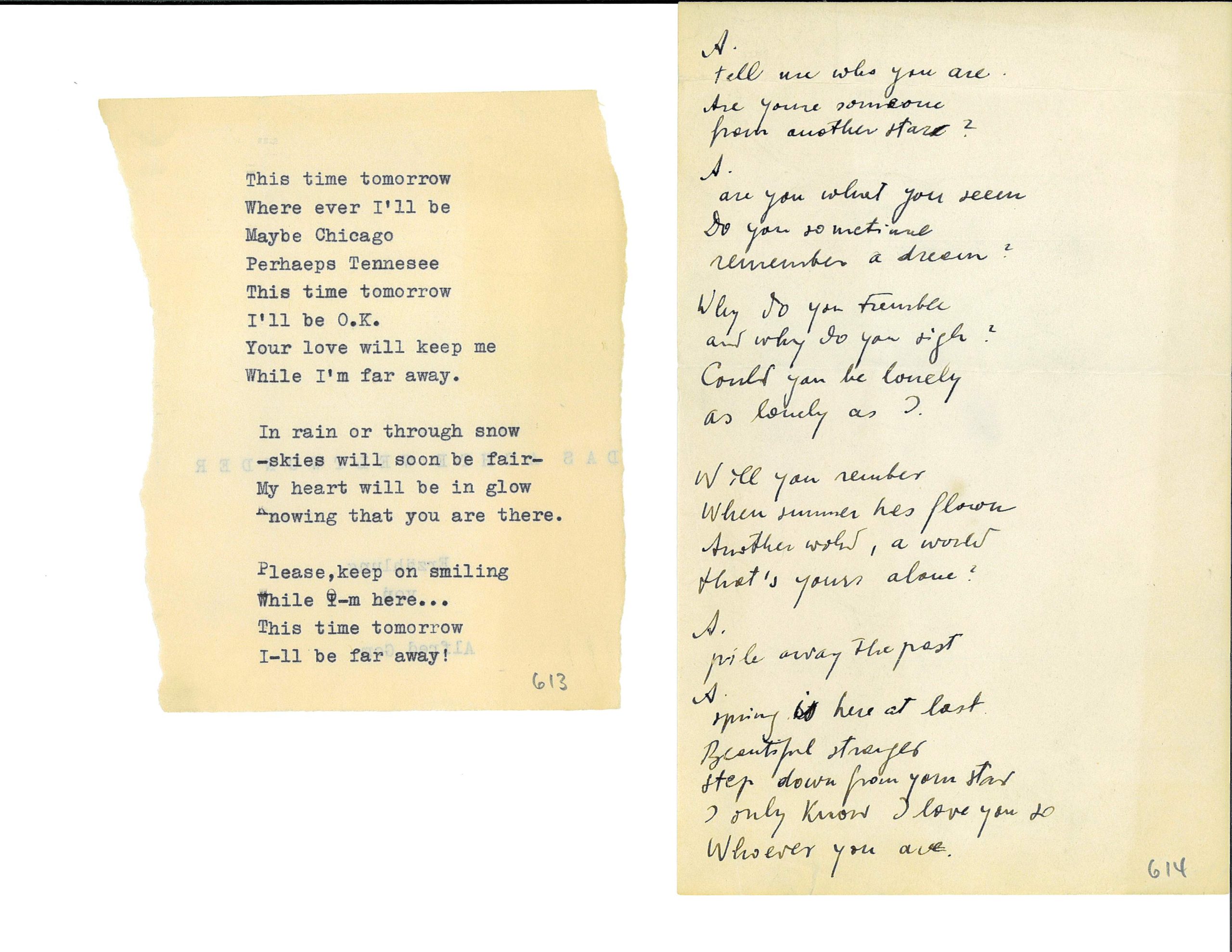
Gong’s works reflect his Jewish faith, experiences as a forced laborer during World War II, life in New York as an immigrant, German heritage, and his time living in Austria.
In addition to his literary works, this collection contains family photographs; documents on his wartime experience; publications by other German authors and institutions; and materials related to the research conducted on Gong by graduate student Joachim Herrmann in the 1980s. To learn more about the collection, please visit the online finding aid.