
A visiting psychiatrist alumni of the University of Cincinnati College of Medicine recently remarked,
cigarette advertisements associate smoking with positive emotional, social, and personal benefits rather than the physical act of smoking itself. The ads target specific psychological needs, such as the desire for independence, peer acceptance, social status, and stress relief. The advertisements exploit the emotional vulnerabilities in adolescents and adults.
This psychological phenomenon is illustrated by the SMOKE GETS IN YOUR EYES Exhibition on display on the E level of the University of Cincinnati Donald C. Harrison Health Sciences Library. Advertising increases brand recognition by creating emotional connections, making commodities well-known in a consumer’s mind before and when they are ready to purchase a product. Advertisements use targeted messaging that will reach specific audiences through consistency and memorable images. They employ emotional impressions which negate reliance on logical persuasion.
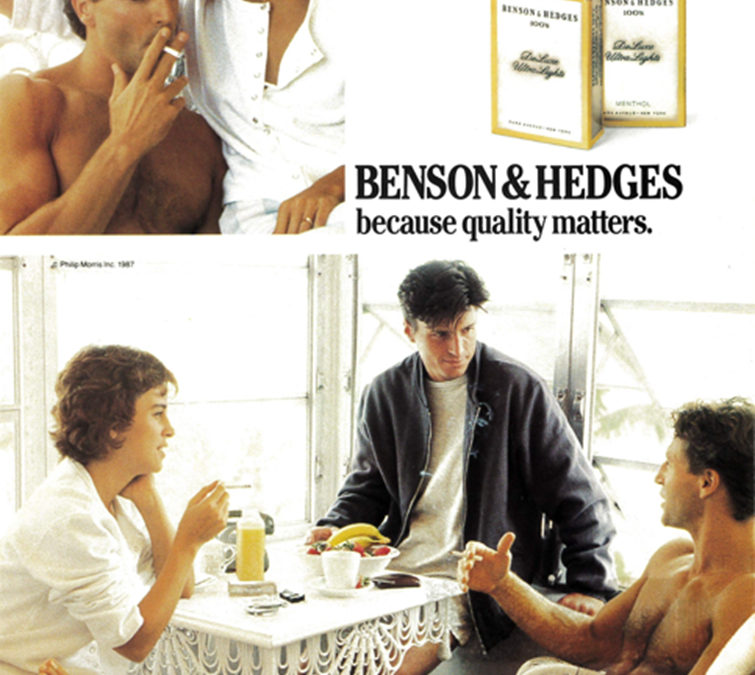


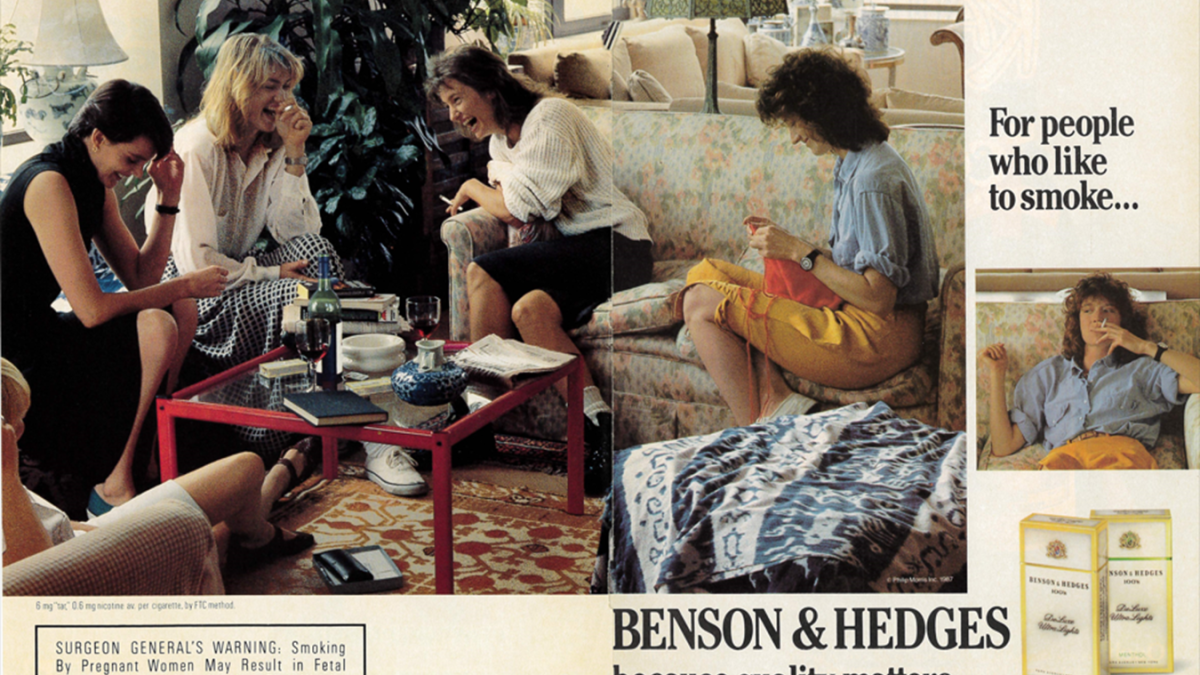
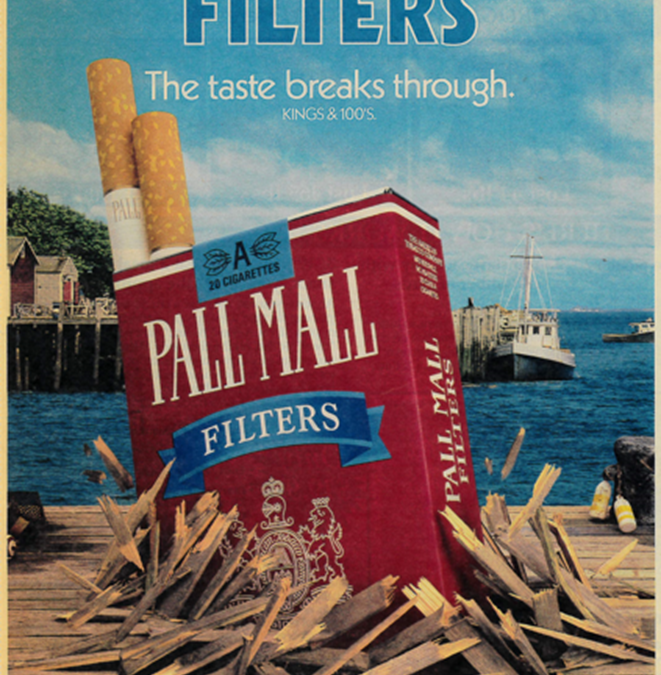
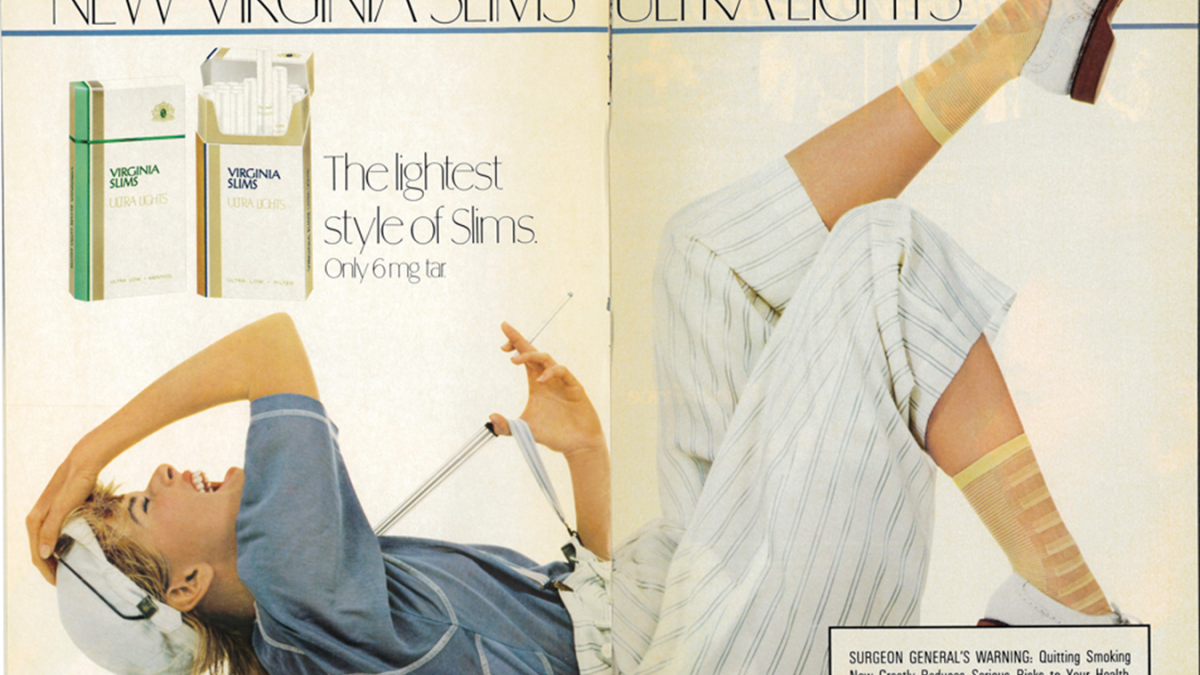
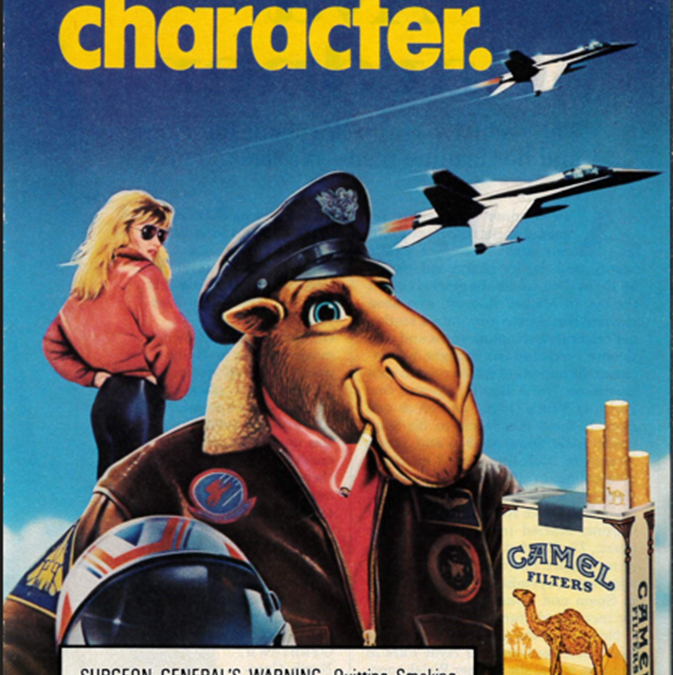
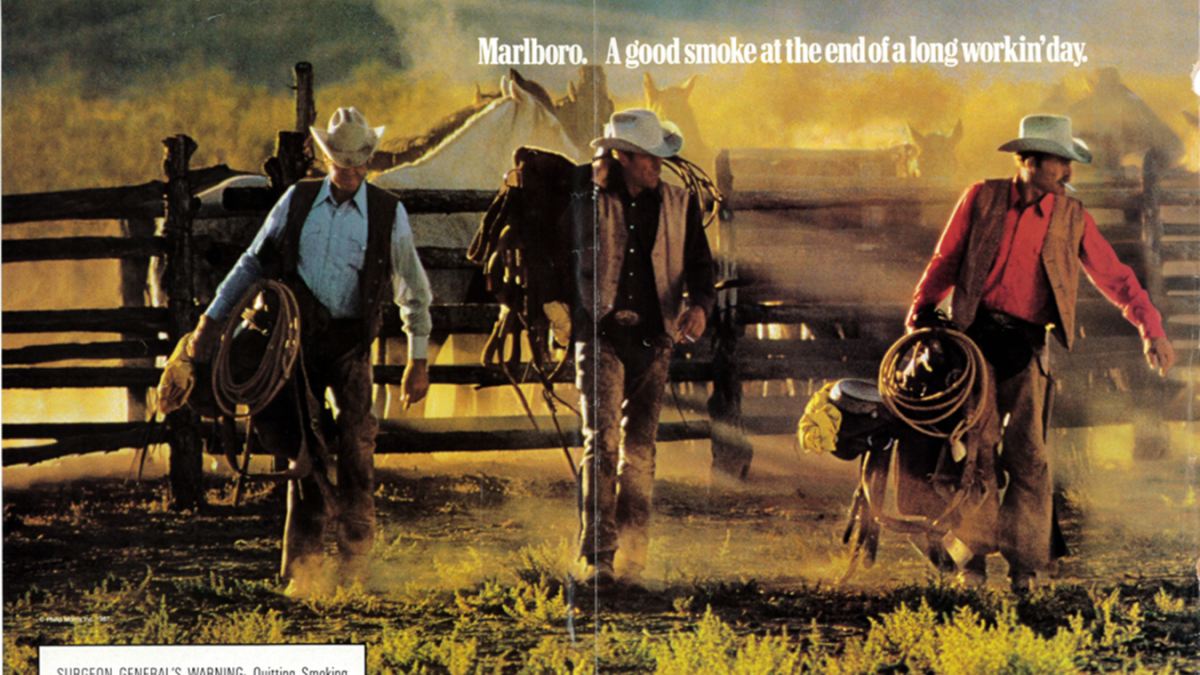
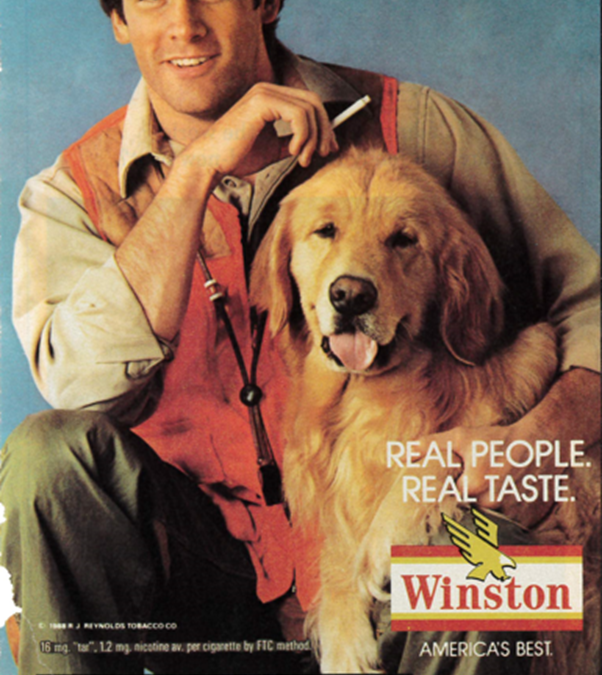
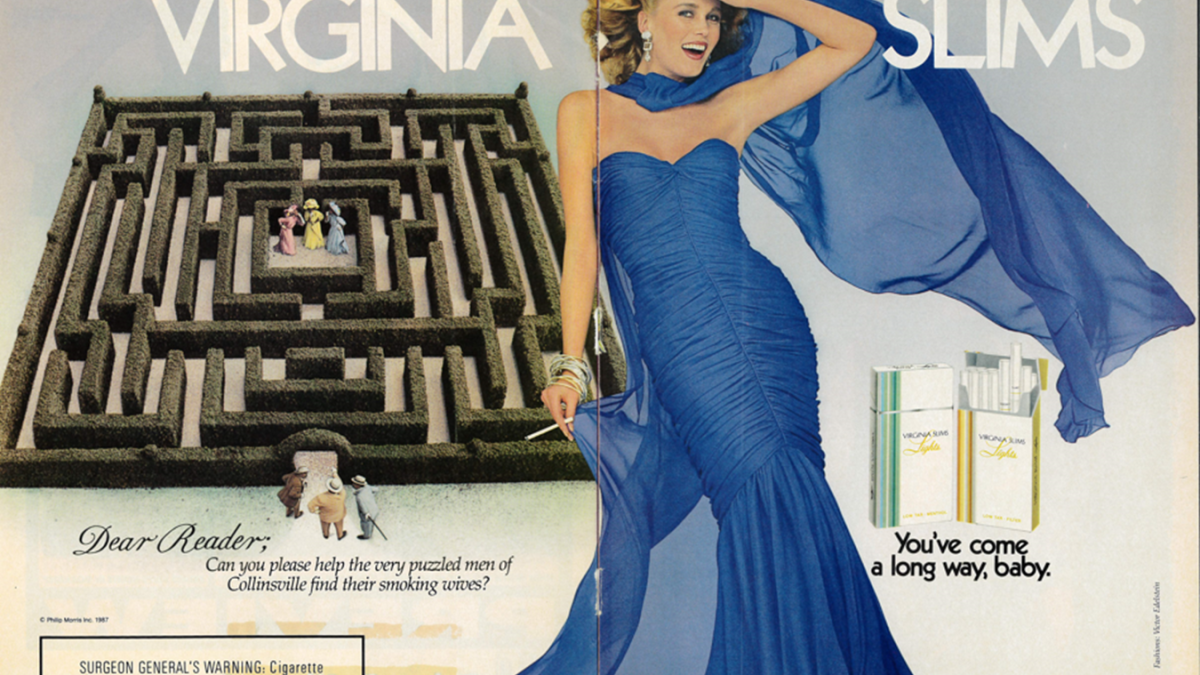
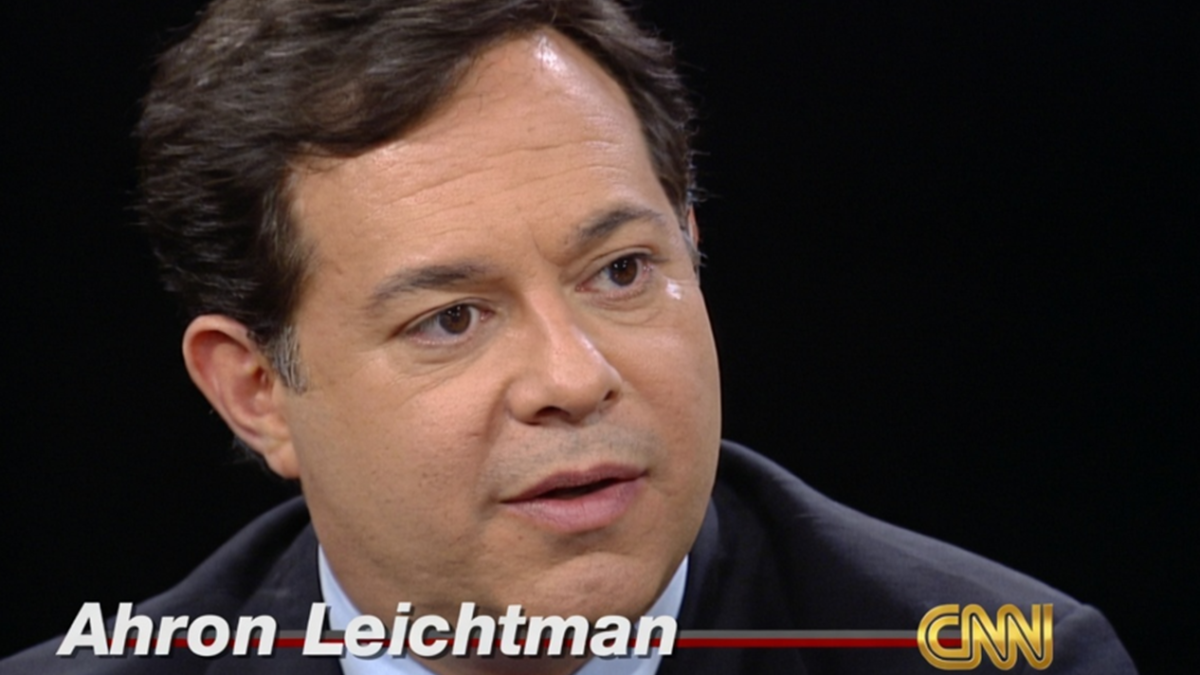
These advertisements are held by the Henry R. Winkler Center for the History of the Health Professions in the Ahron Leichtman Papers (February 21, 1943 – October 12, 2018). From Amberley Village in Cincinnati, Ohio, Leichtman led a national and regional quest to ban public smoking in the United States. During the 1980s and 1990s he founded several organizations to carryout anti-public smoking initiatives, such as Citizens Against Tobacco Smoke (CATS), which was later renamed Citizens for a Tobacco-Free Society (CATS). Leichtman organized a coalition of over 90 nonsmoker’s rights, anti-smoking and environmental health groups to provide grassroots support for the national campaign to ban airline smoking. He created the Smokefree Skies Campaign which led to the ban of smoking on all United States airline flights.
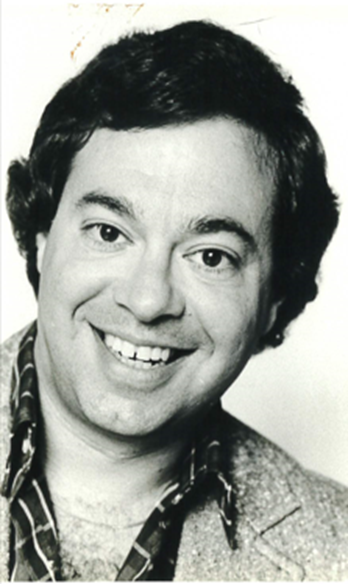
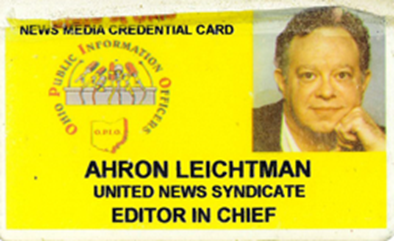
Leichtman developed promotional materials that encouraged the news media to cover the health, safety, legal and economic issues involved with airline smoking. He participated in numerous television network, nationally syndicated and radio interview programs about airline smoking, serving as the primary advocate for a total smoking ban on commercial airline flights. Leichtman gave testimony before five United States Congressional Subcommittees on topics related to smoking, health, and the tobacco industry, leading to a national airline smoking ban on February 25, 1990.
Leichtman’s campaign against public smoking covered the full scope of health and social ramifications. His archive holds a significant collection of cigarette industry advertisements published in magazines and newspapers during 1966 – 1999. These provocative cigarette advertisements form the 98 images in the SMOKE GETS IN YOUR EYES exhibition. The advertisements are targeted towards English and Spanish-speaking adult and teenage smokers in the United States. Leichtman’s archives contain materials about anti-smoking, smoking advocacy, lawsuits, smoking in the work-place, cigarette industry publications and documents about smoking and the Cincinnati Reds baseball team.
SMOKE GETS IN YOUR EYES (Spring 2026—Autumn 2026). Exhibition images are accessible at Ahron Leichtman Papers, Cigarette Industry Advertisements, and Anti-Smoking Advocacy on JSTOR.
The Henry R. Winkler Center for the History of the Health Professions is grateful to the following individuals for their work and assistance in promoting the SMOKE GETS IN YOUR EYES exhibition, Lunch & Learn and digital collection: Fred Anderson, Dean Bachelder, Peter Bronson, Sean Crowe, Carly Fledderjohann, Sidney Gao, Reece Guthier, Braedon Hardesty, Dan Hurley, Don Jason, Peter Lenz, Danny Lovell, Marlene “Penny” Manes, David Mann, Melissa Cox Norris, Melissa Previtera, Sharon Purtee, Debbie Reichler, Rachel Rembold, Sami Scheck, Todd Schutter, Luke Schweitzer, James Van Mil, Gerry Wagner, Lynn Warner, and Nathan Wysinski.