This is the third post of a four-part series.
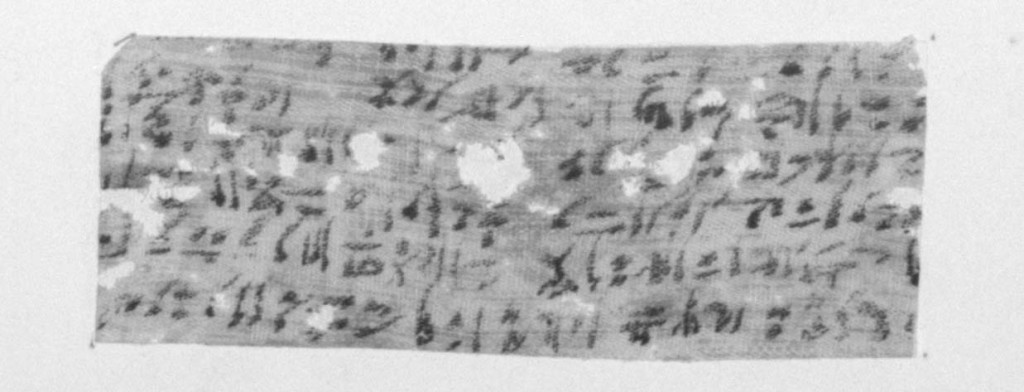
When a collection of Egyptian mummy bandage fragments at the Cincinnati and Hamilton County Public Library was found in an area used to store uncatalogued flat materials, the lab was asked to play a role in providing better stewardship.
Click the links below to jump to the following posts:
- Research and Examination – Examining the material composition of the objects
- History – Historical information provided about the Egyptian inscriptions
- Treatment – How the materials were treated after learning about their content
- Storage Solutions – Individual solutions for separated fragments as well as storage as a collection
Conservation Treatment Consultations
Being a primarily book, paper, and photograph conservator, working on textiles comes up only intermittently as minor stabilization or housing. When these projects do arise, I tend to consult immediately with a textile conservator. This project was no different. Generously, Obie from the Cincinnati Art Museum kindly visited the lab to look at the fragments with me in person.
Initial Treatment Idea
Before consulting with Obie, my initial plan was to cut the overall board and separate the individual fragments. Once separated, I thought I might hinge the fragments to a backboard inside a sink matting system. I had briefly corresponded with a textile conservator at the MFA Boston who is familiar with ancient textiles and she confirmed this would be a sufficient option.
Testing
However, with Obie present, together we tested the solubility of the adhesives and likelihood of removing the fragments from the acidic board for better storage. Surprisingly, we determined removal was possible with the smallest amount of moisture!
Being familiar with backing removals and conserving degraded cloth covers (and now encouraged after having Obie’s support) I next went beyond spot testing and decided to perform a test treatment on one of the fragments to remove the backing board… with the caveat that I would stop at any point if I felt uncomfortable. Should I ever feel out of my element at any step, or have concerns that removing the textiles from the backing would not keep them intact, I knew I could always pivot to my initial solution of storing the mounted parts in mats.
Treatment
My new plan was now to first reduce the acidic backing board layer by layer. Once the backing was removed, I would assess if it was appropriate to remove the brown paper lining. (While my test treatment was performed on only one of the smaller fragments, images below are pulled from the actual treatment for better illustration).
Low and behold on my first fragment, treatment proceeded without a hitch.

The board was removed slowly, layer by layer. The fragment was kept planar to prevent mechanical damage to the textile.
Before I knew it, it felt as though I was performing a regular backing removal on a photograph or document and soon found myself down to the final brown paper layer.
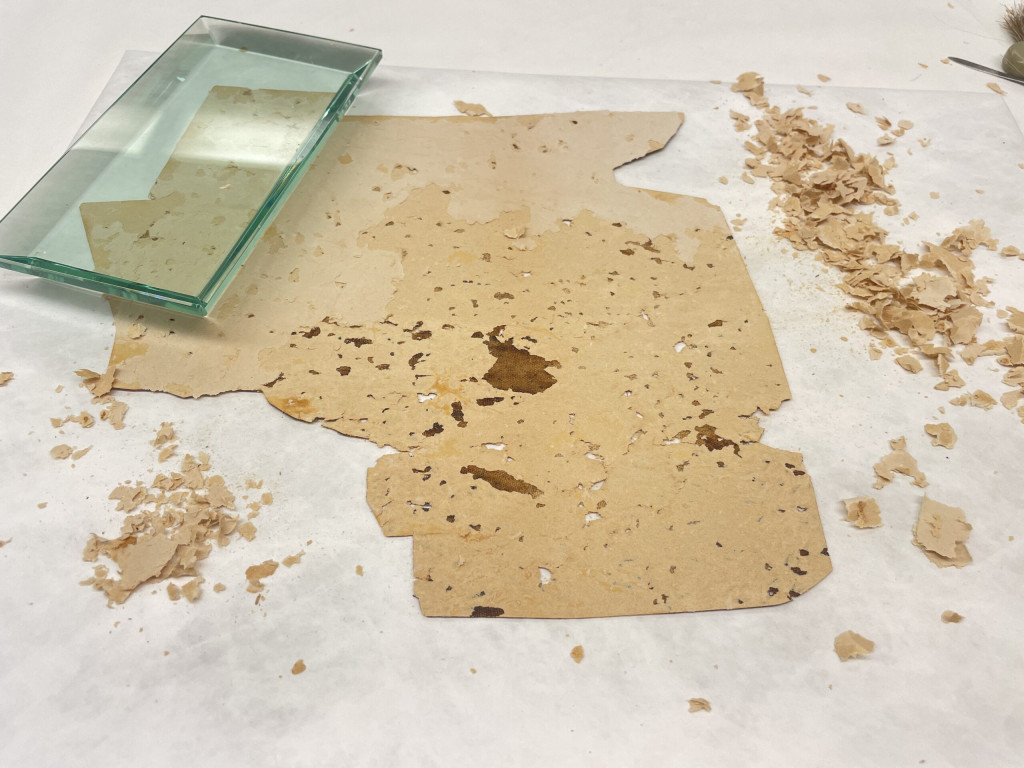
After removing multiple layers of board, the brown paper lining was revealed. Some areas of the brown paper were no longer adhered to the textile and readily released during mechanical removal while other areas remained more firmly attached.
At this point, with the backing and lining parts removed as much as possible, I decided to test a corner of the paper backing with light moisture. To my surprise, the paper backing adhesive quickly reactivated, the lining lifted with little effort, and the humidification strengthened the fibers of the linen fragment. All of this eased fears the fragments might fracture during final treatment steps. Proceeding with treatment felt obtainable.
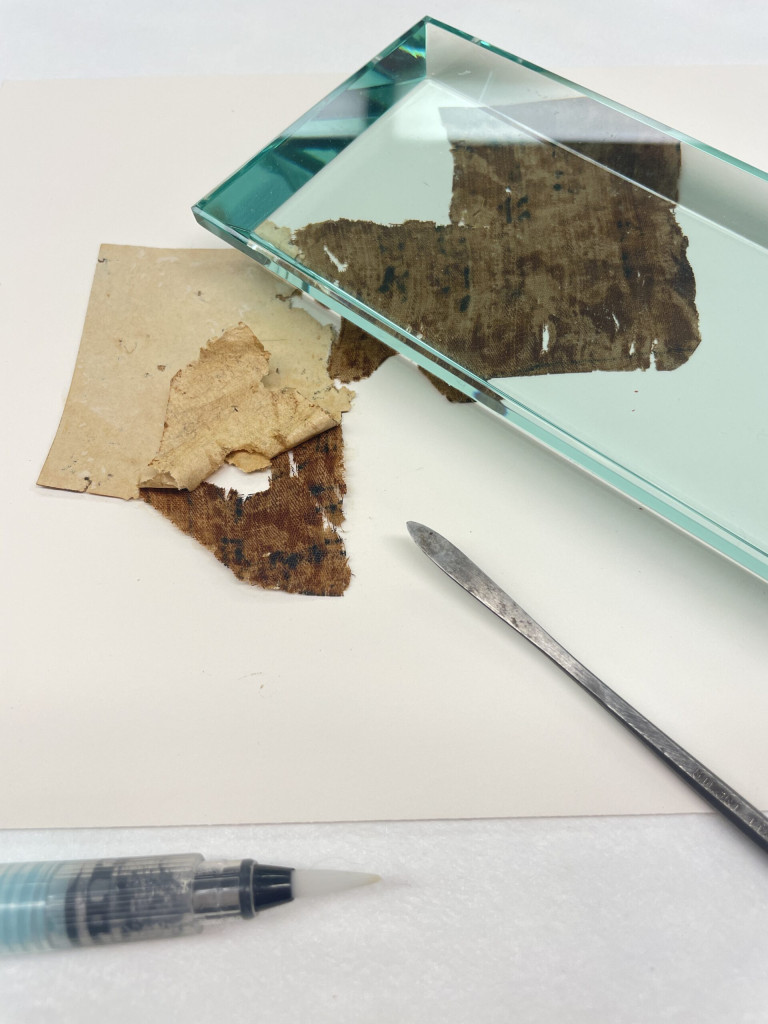
The final step was releasing the brown paper lining with moisture from a water pen and lifting the lining with spatulas.
With this new turn of events, I realized, if I ventured so far as to remove both the mounted board AND the paper backing, I’d need a new storage solution.
I halted treatment and went back to the drawing board to research storage enclosures (click here to jump to my post on storage solutions). Once I felt confident in selecting a method of storage for the loose textiles, I resumed treatment to remove the brown lining paper and proceeded with treatment on the rest of the fragments.
This is a time-lapse video showing how the brown paper lining was removed in stages. Localized humidification was applied from the back while mechanically separating the paper from the textile with spatulas.
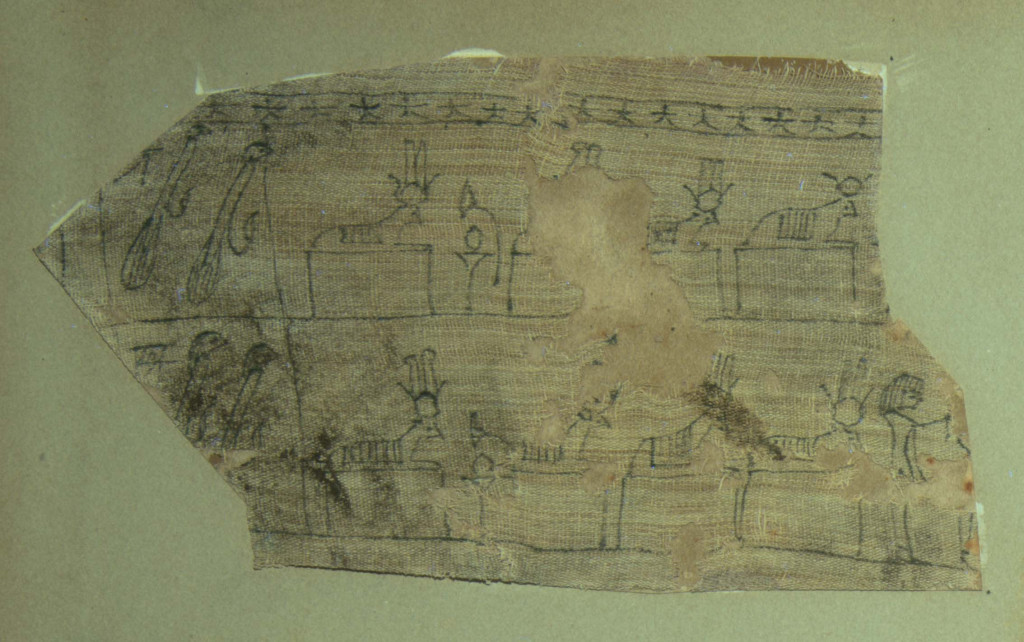
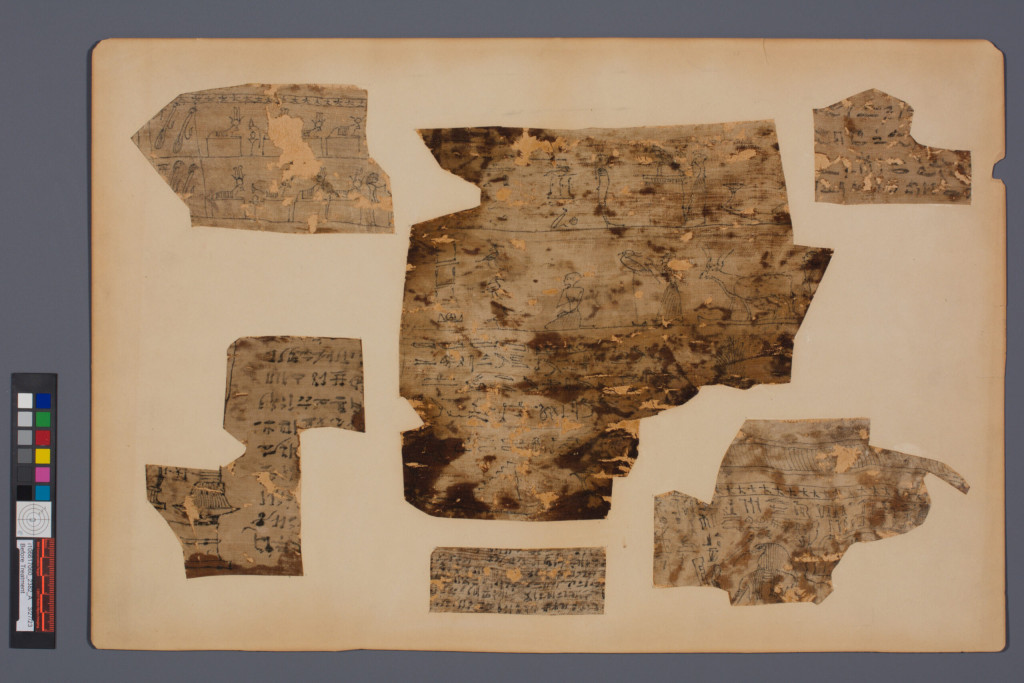
Before Treatment
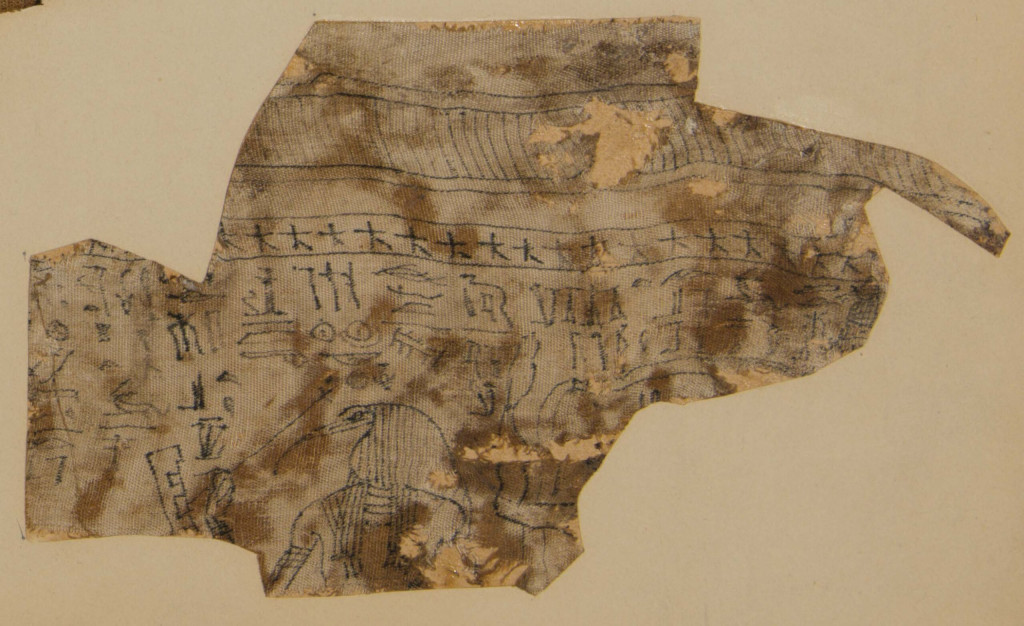
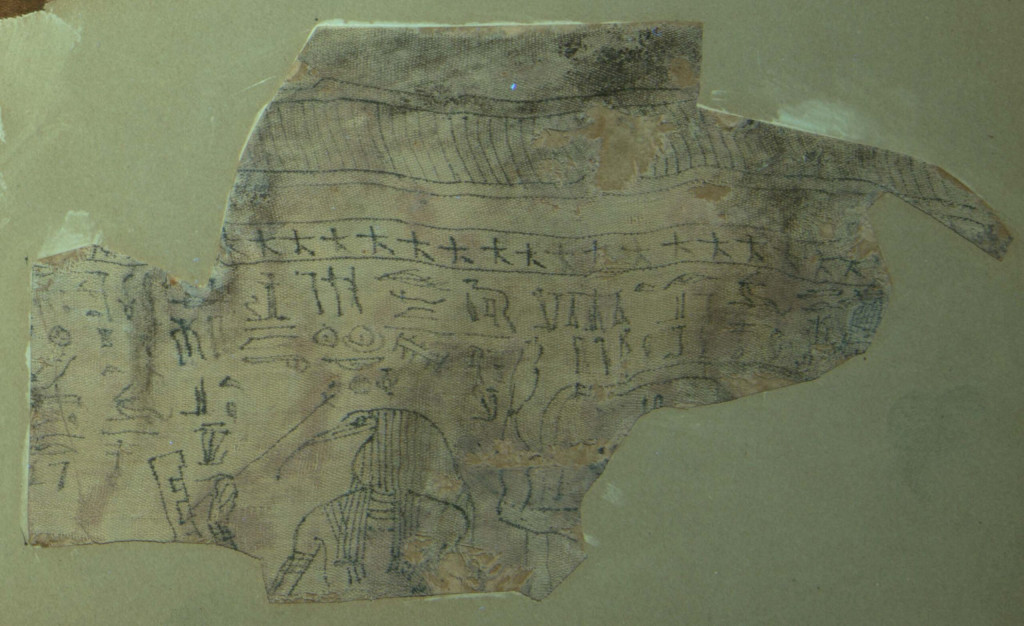
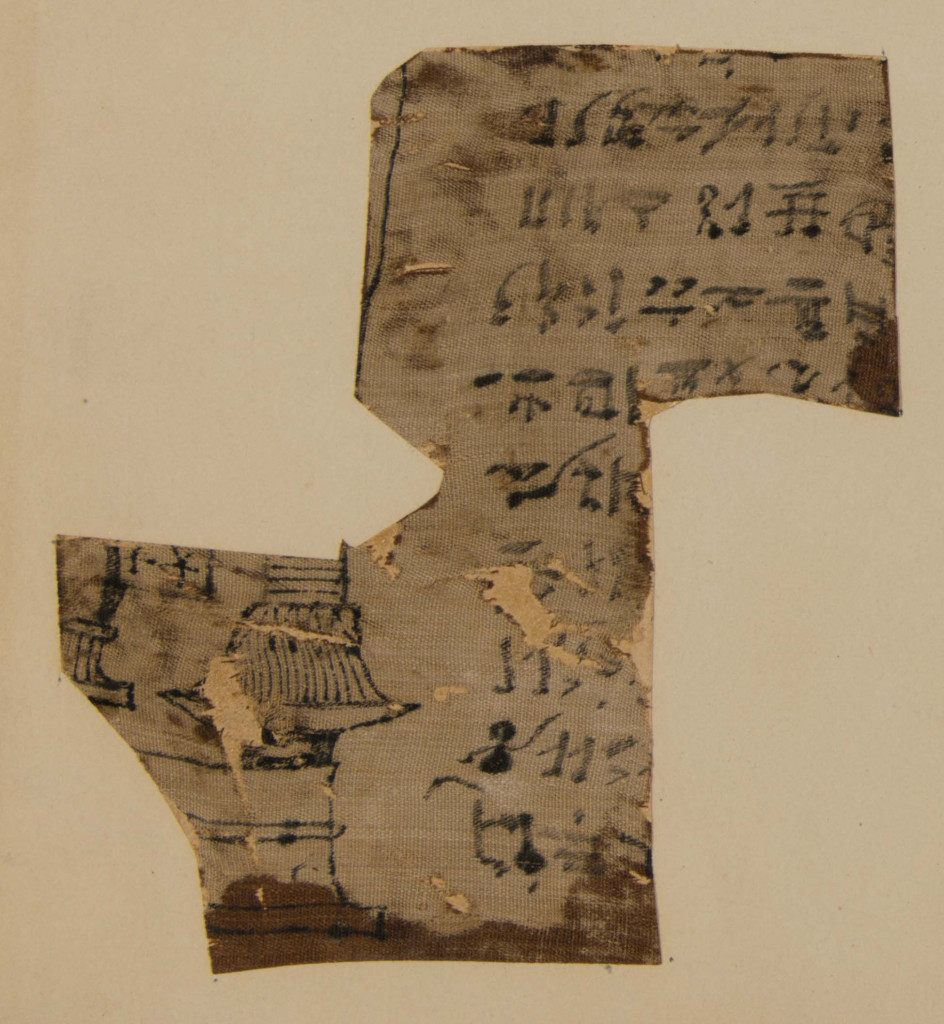
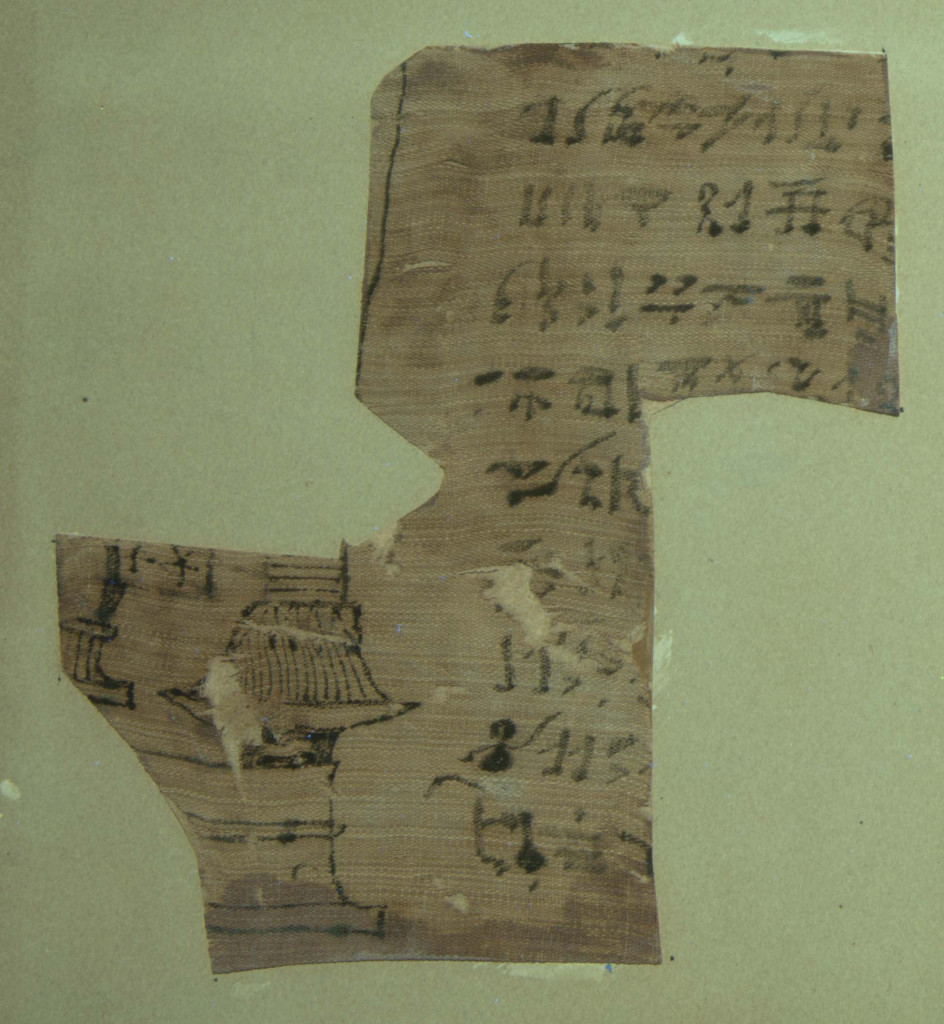
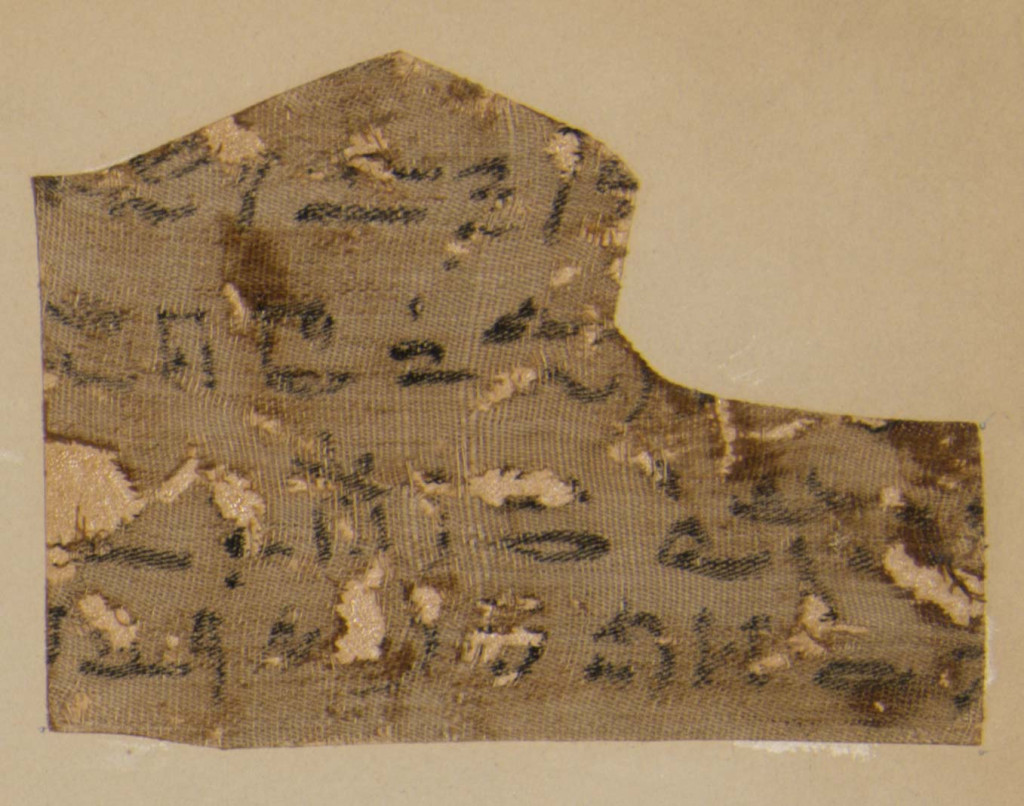
Collection is mounted to an acidic board with two of the fragments oriented upside down.
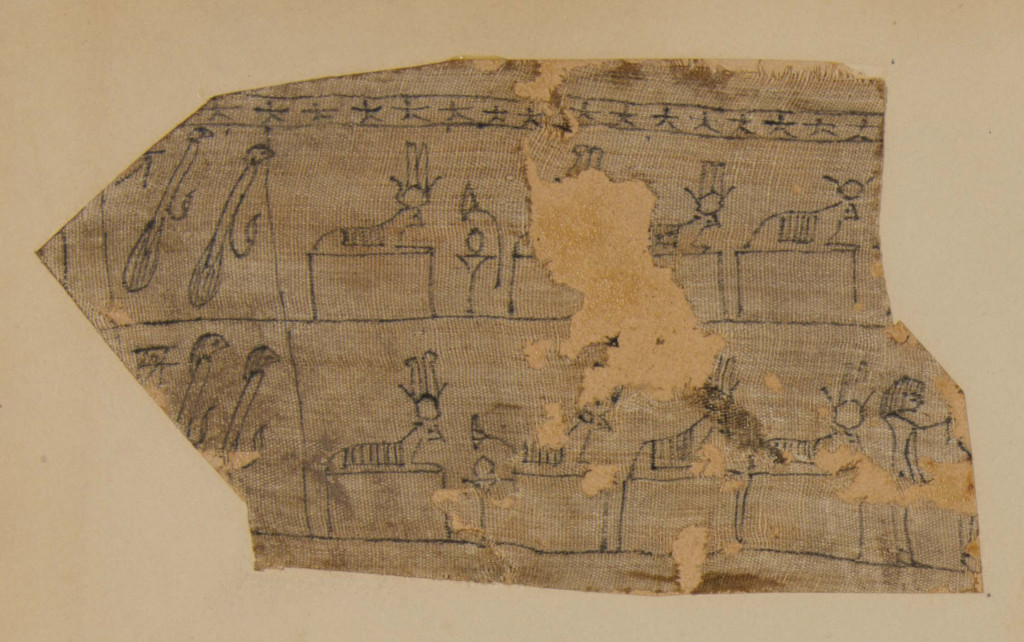
After Treatment
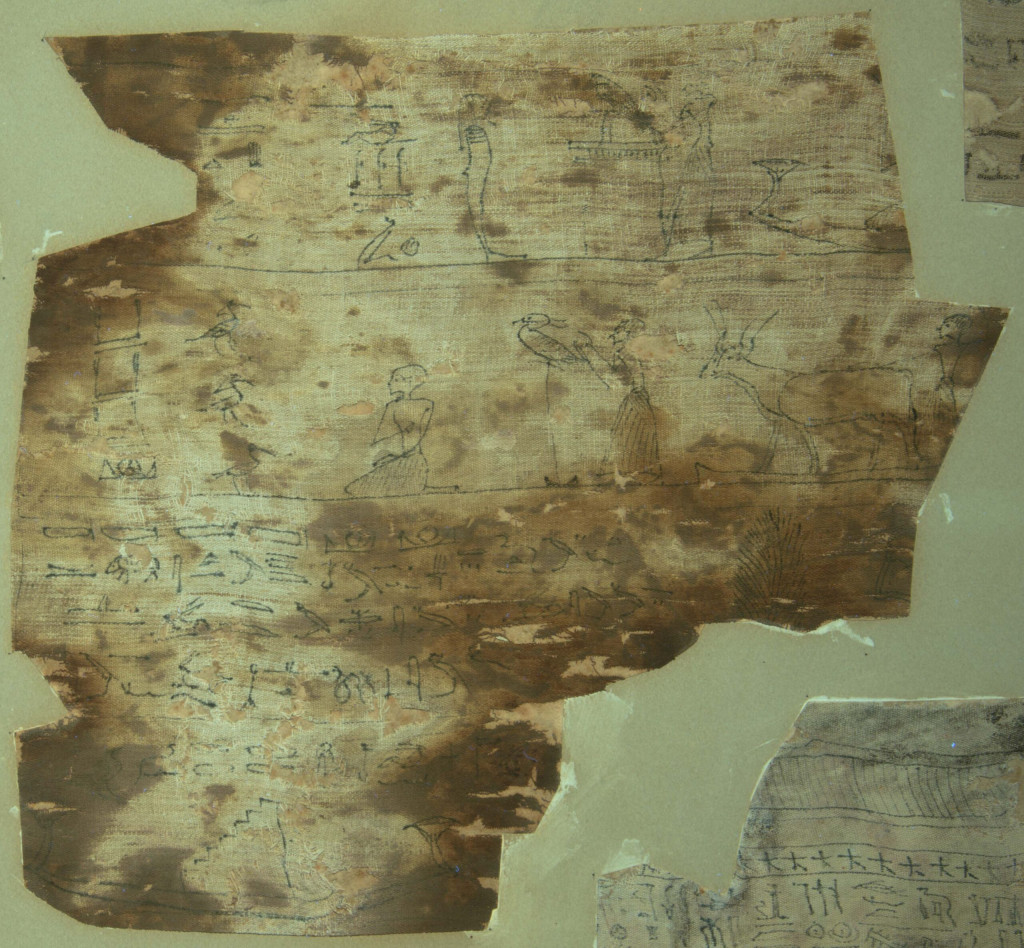
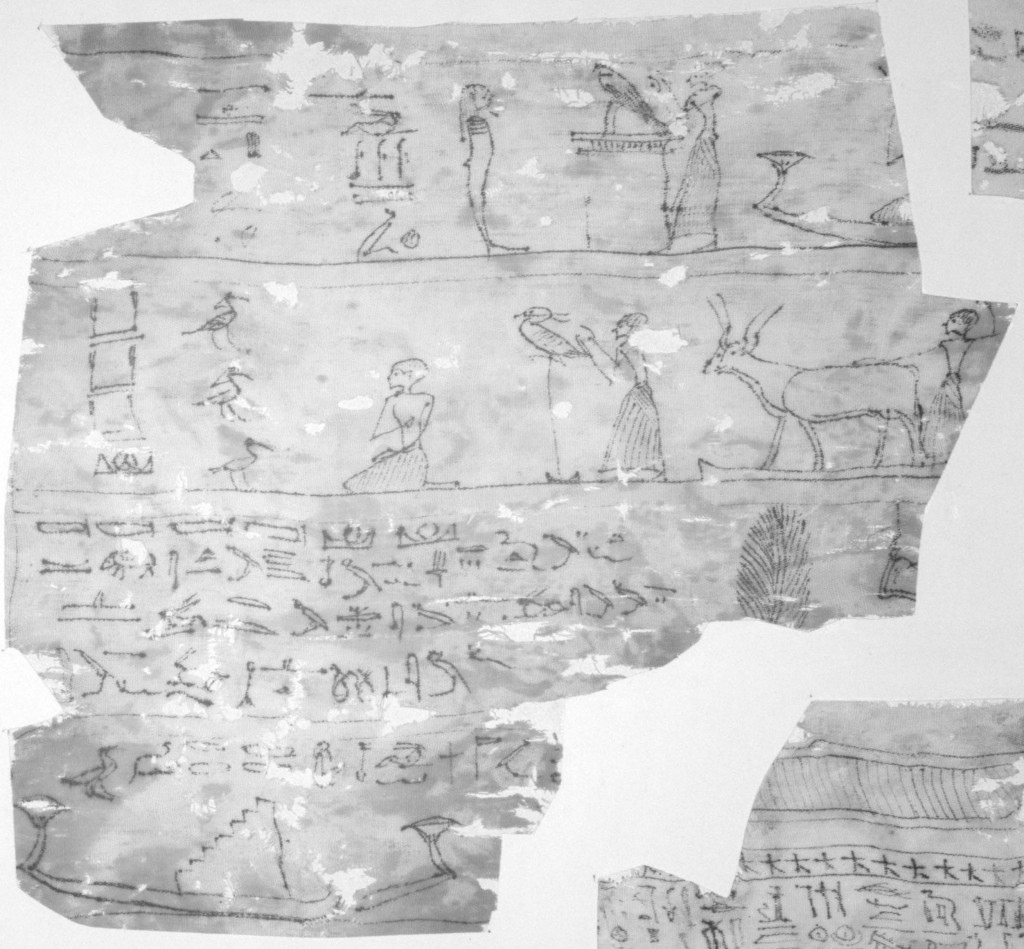
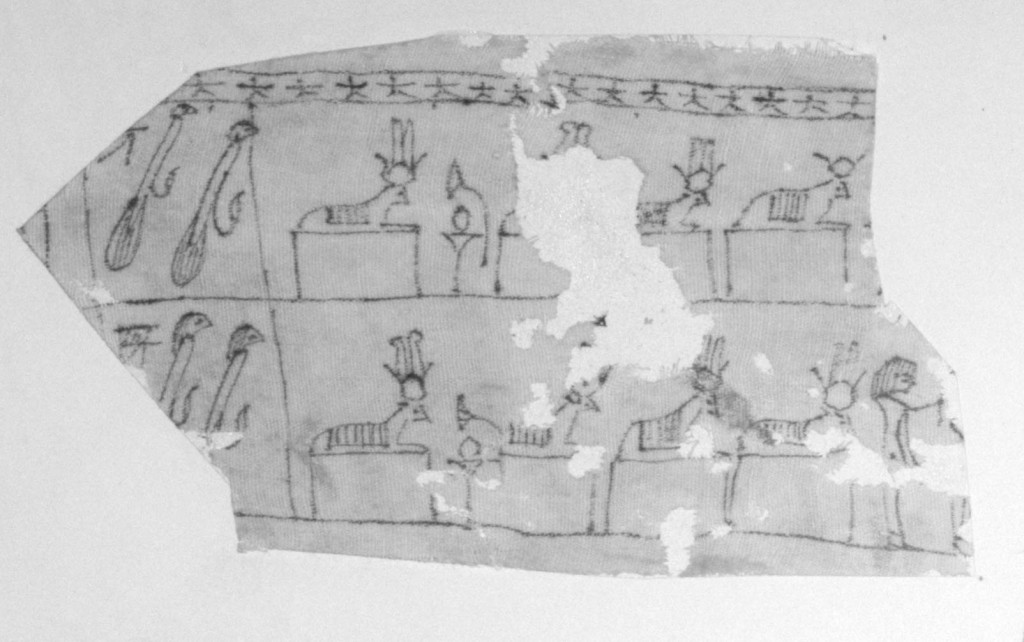
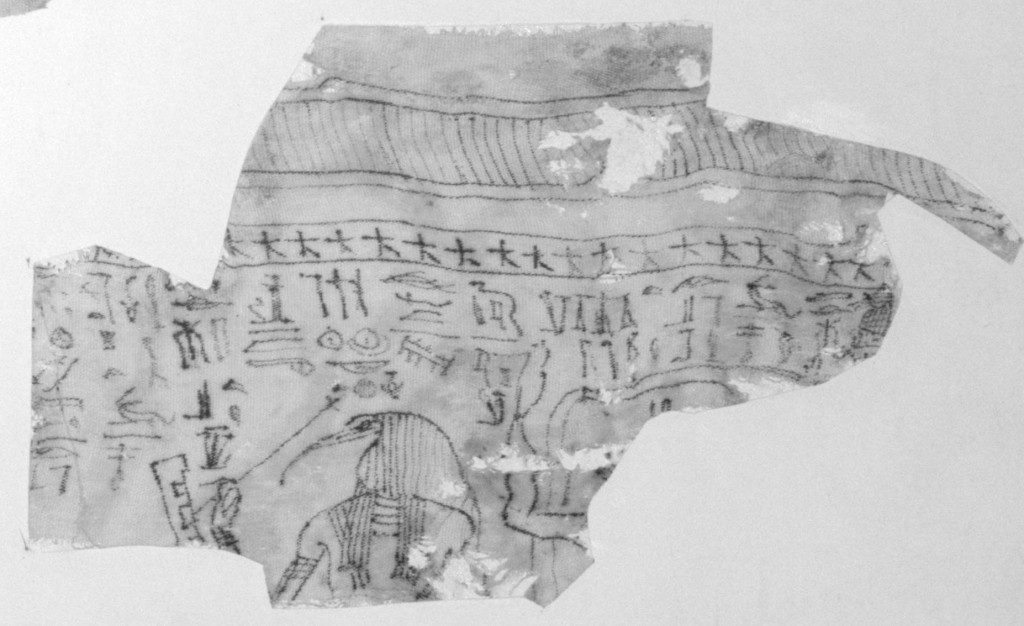
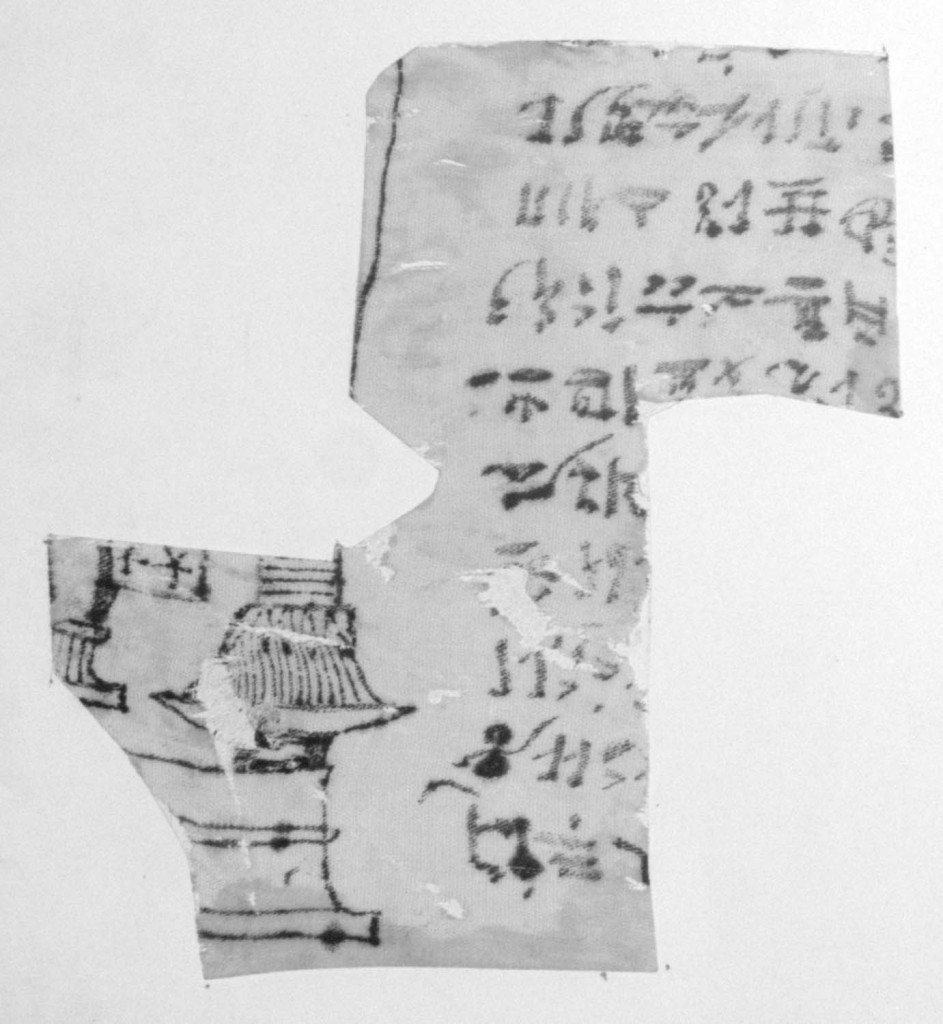
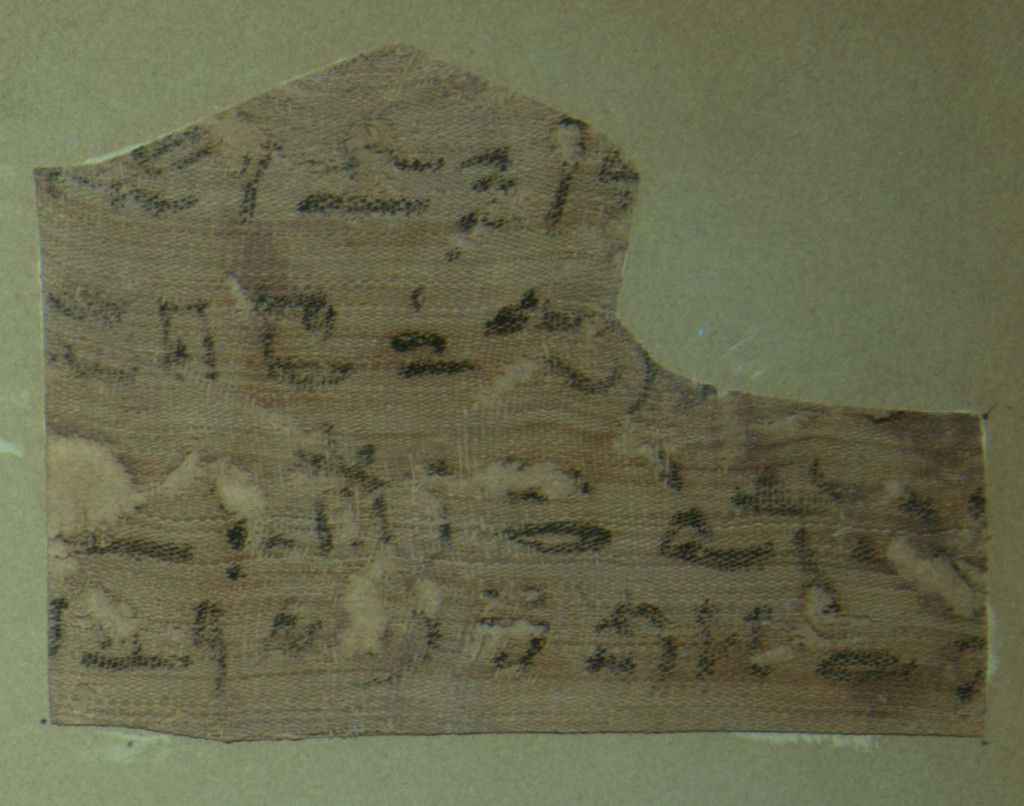
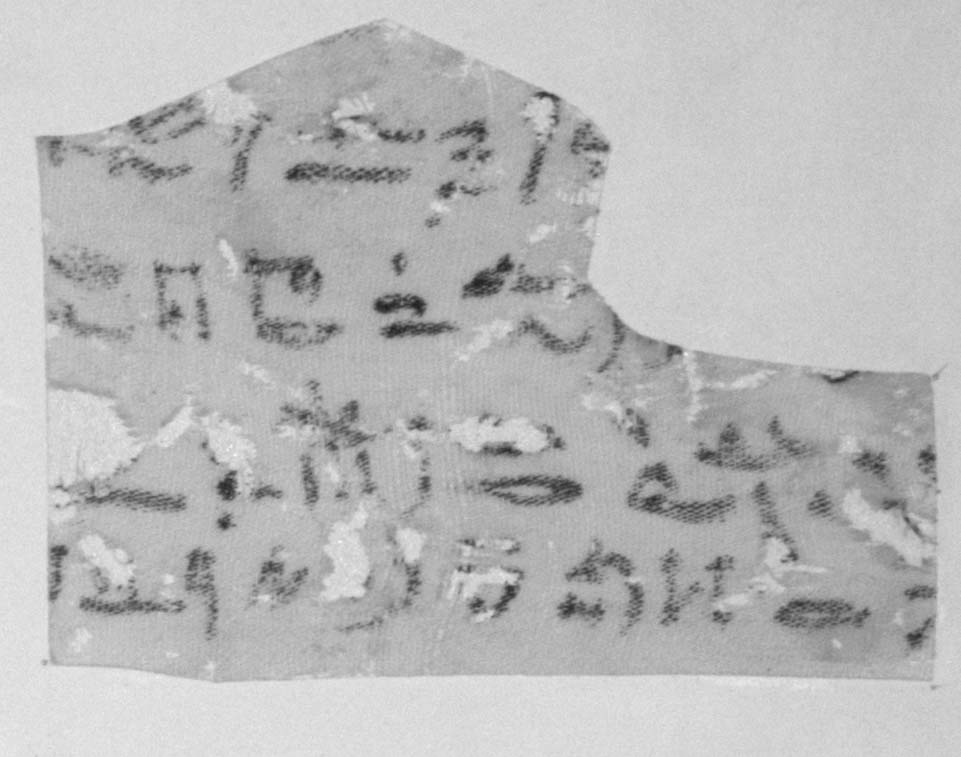
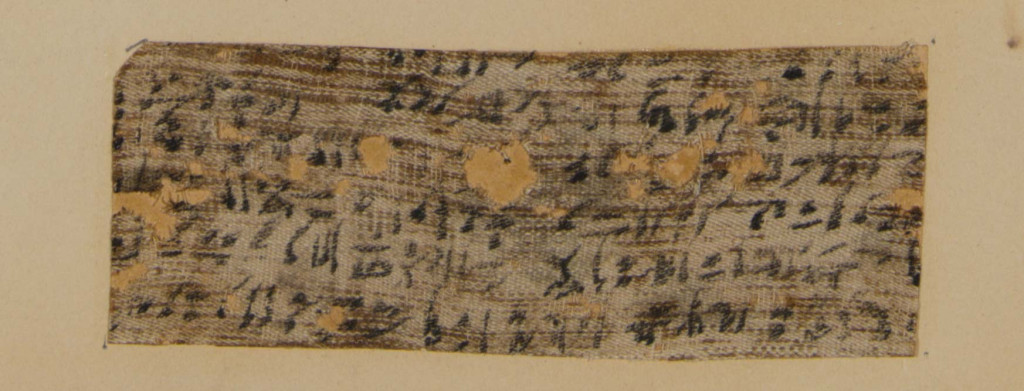
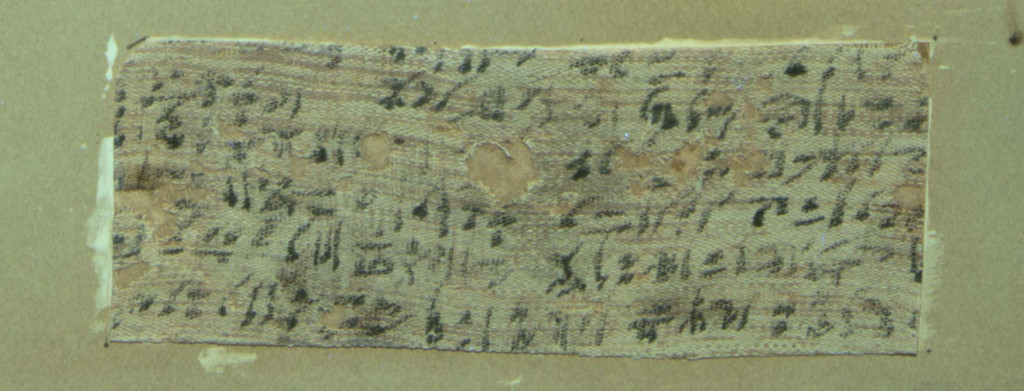
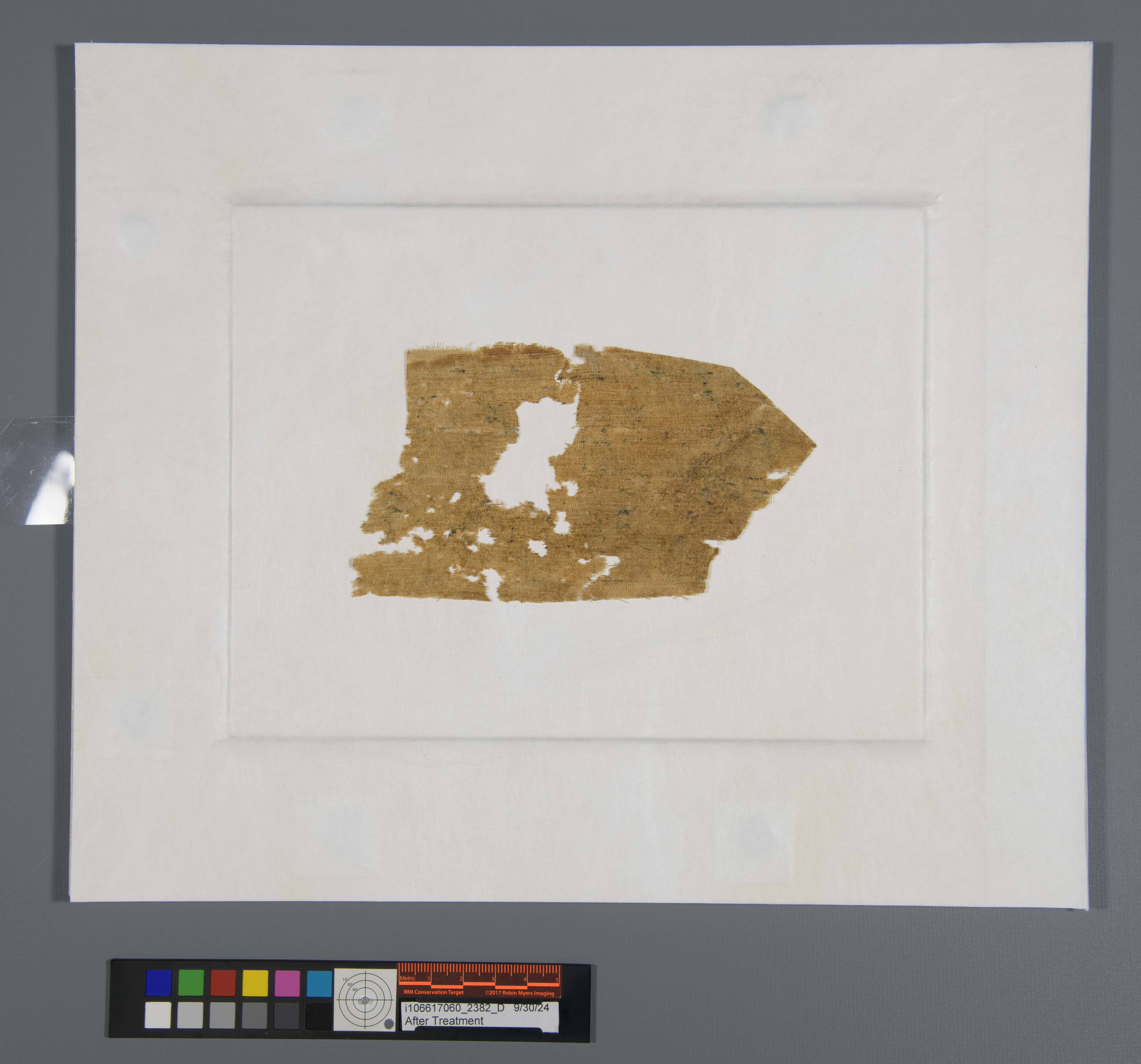
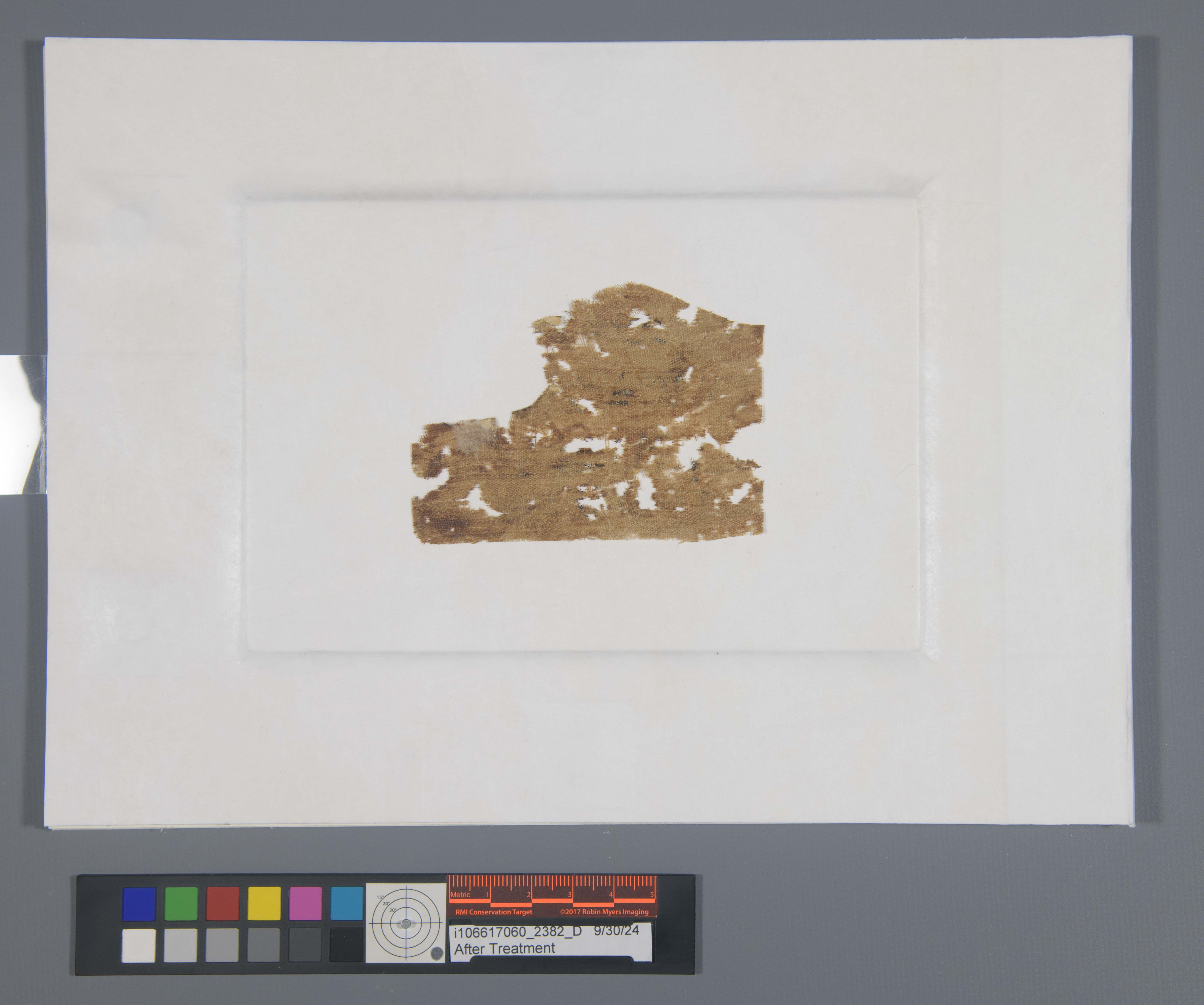
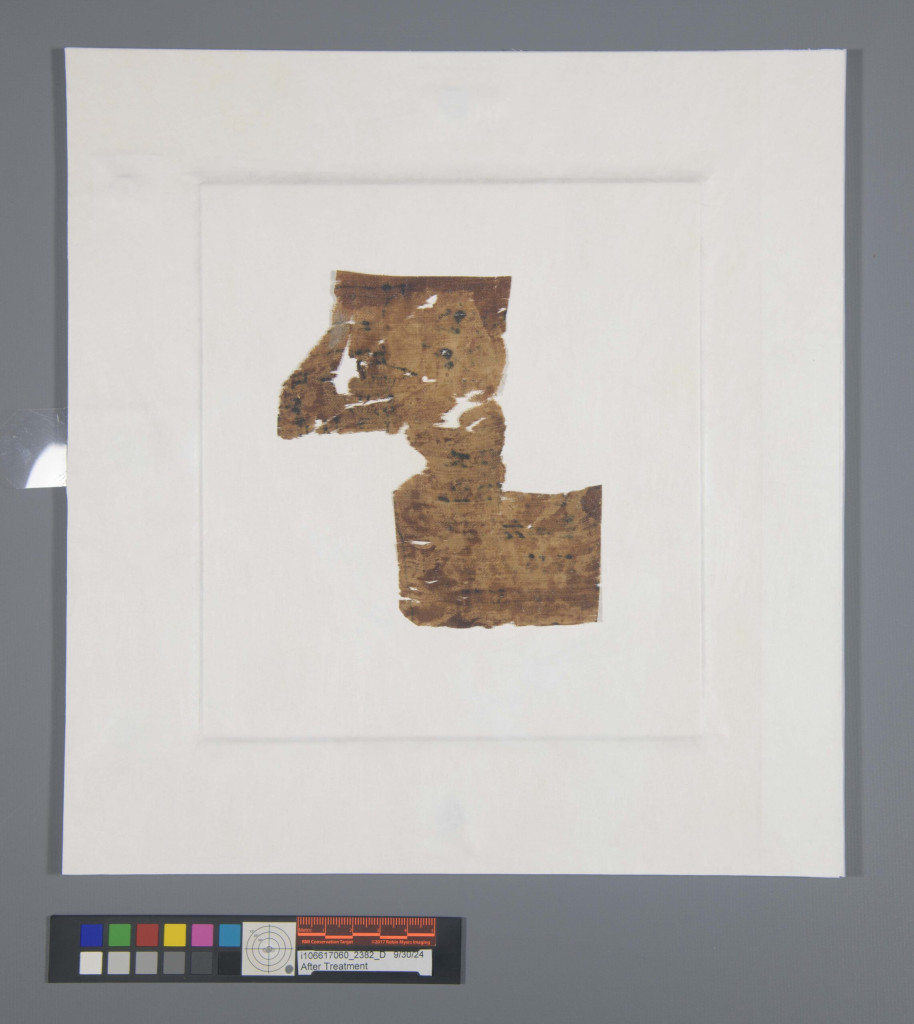
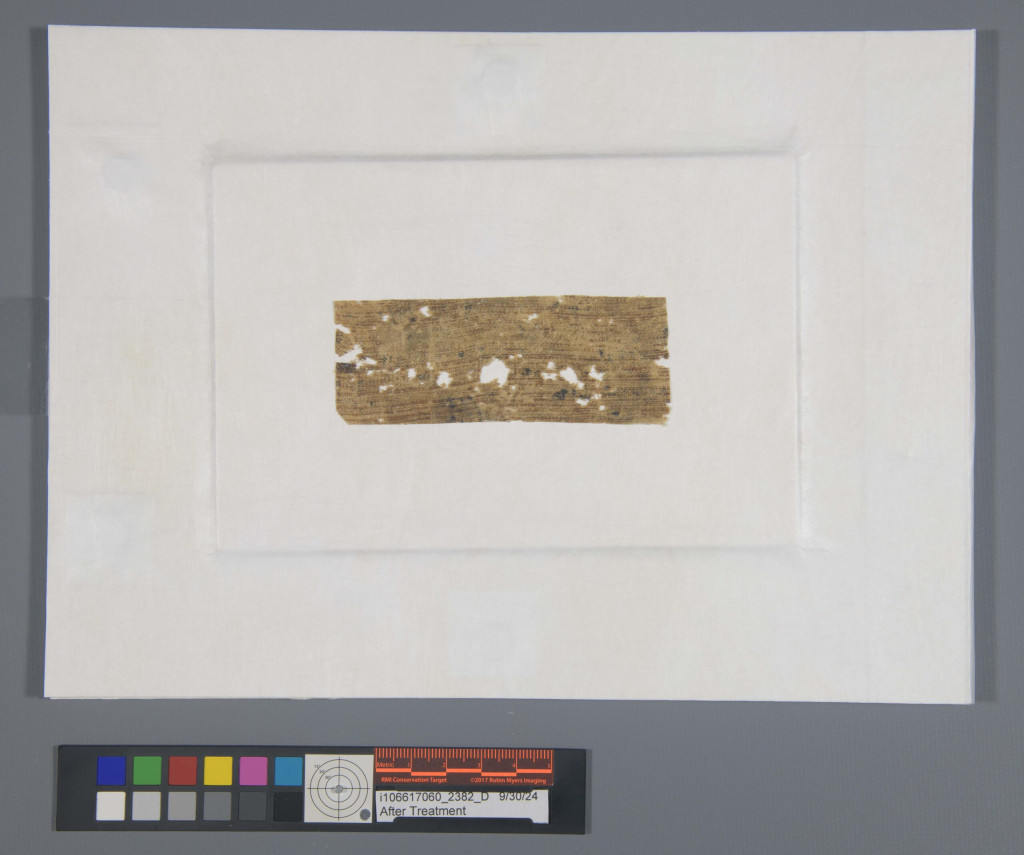
Fragments are stored individually in storage solutions that double as long-term housing. The enclosures facilitate handling as well as display. Being stored individually, the fragments are able to be grouped as necessary by their context.

<div class="wp-block-jetpack-slideshow aligncenter" data-effect="slide"><div class="wp-block-jetpack-slideshow_container swiper-container"><ul class="wp-block-jetpack-slideshow_swiper-wrapper swiper-wrapper"><li class="wp-block-jetpack-slideshow_slide swiper-slide"><figure><img alt="" class="wp-block-jetpack-slideshow_image wp-image-5079" data-id="5079" src="https://libapps.libraries.uc.edu/thepreservationlab/wp-content/uploads/2024/10/i106617060_2382_D05N.jpg"/><figcaption class="wp-block-jetpack-slideshow_caption gallery-caption">Recto, Normal Illumination</figcaption></figure></li><li class="wp-block-jetpack-slideshow_slide swiper-slide"><figure><img alt="" class="wp-block-jetpack-slideshow_image wp-image-5082" data-id="5082" src="https://libapps.libraries.uc.edu/thepreservationlab/wp-content/uploads/2024/10/i106617060_2382_D06N.jpg"/><figcaption class="wp-block-jetpack-slideshow_caption gallery-caption">Verso, Normal Illumination</figcaption></figure></li></ul><a class="wp-block-jetpack-slideshow_button-prev swiper-button-prev swiper-button-white" role="button"></a><a class="wp-block-jetpack-slideshow_button-next swiper-button-next swiper-button-white" role="button"></a><a aria-label="Pause Slideshow" class="wp-block-jetpack-slideshow_button-pause" role="button"></a><div class="wp-block-jetpack-slideshow_pagination swiper-pagination swiper-pagination-white"></div></div></div>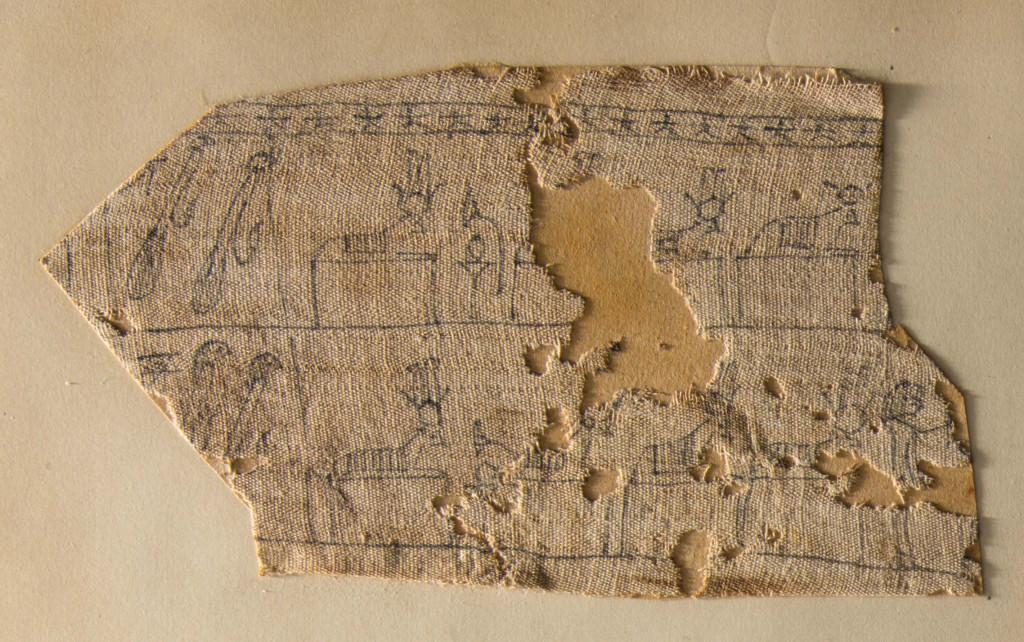
Raking Illumination, Before Treatment 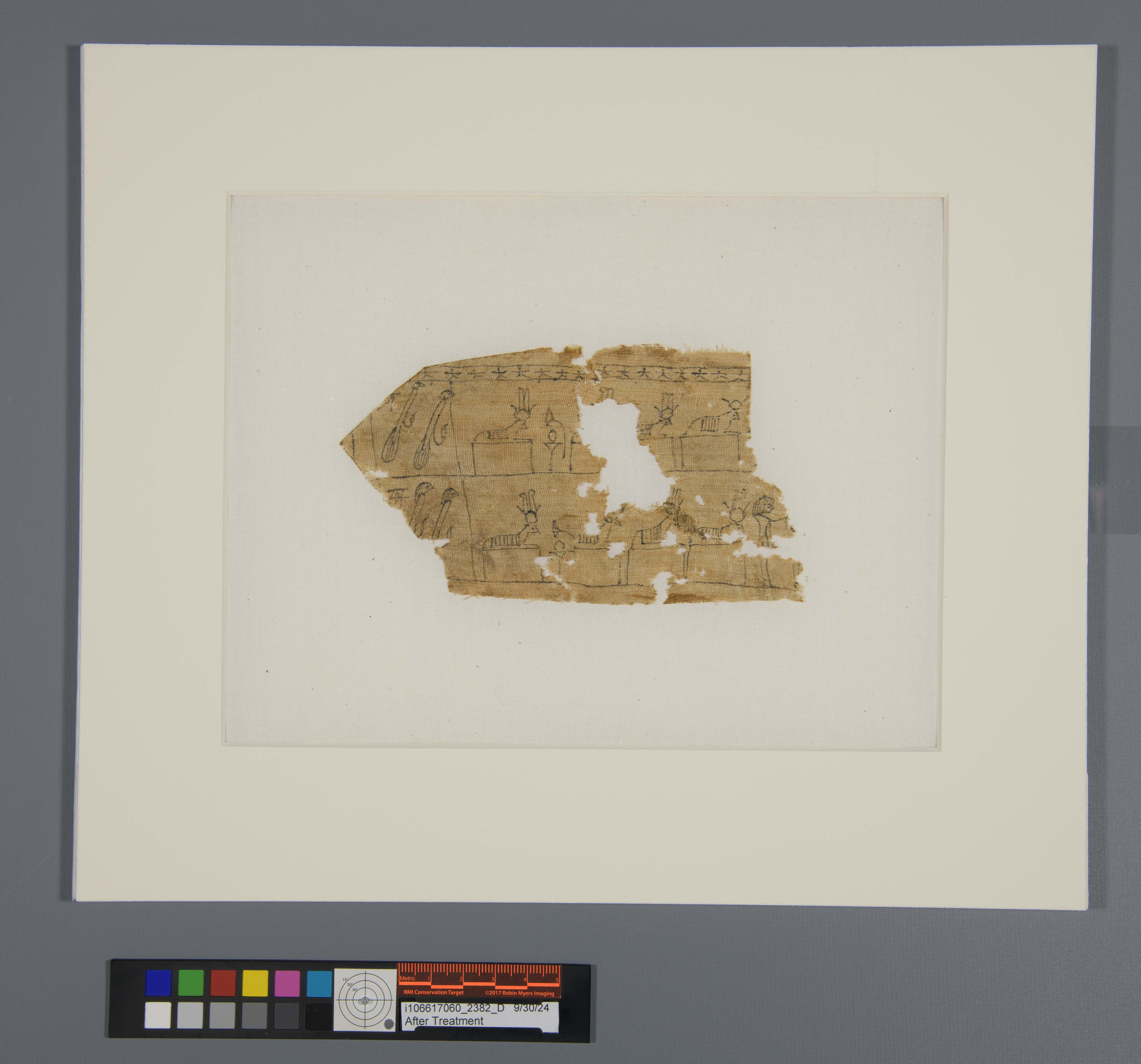
Recto, Normal Illumination, After Treatment 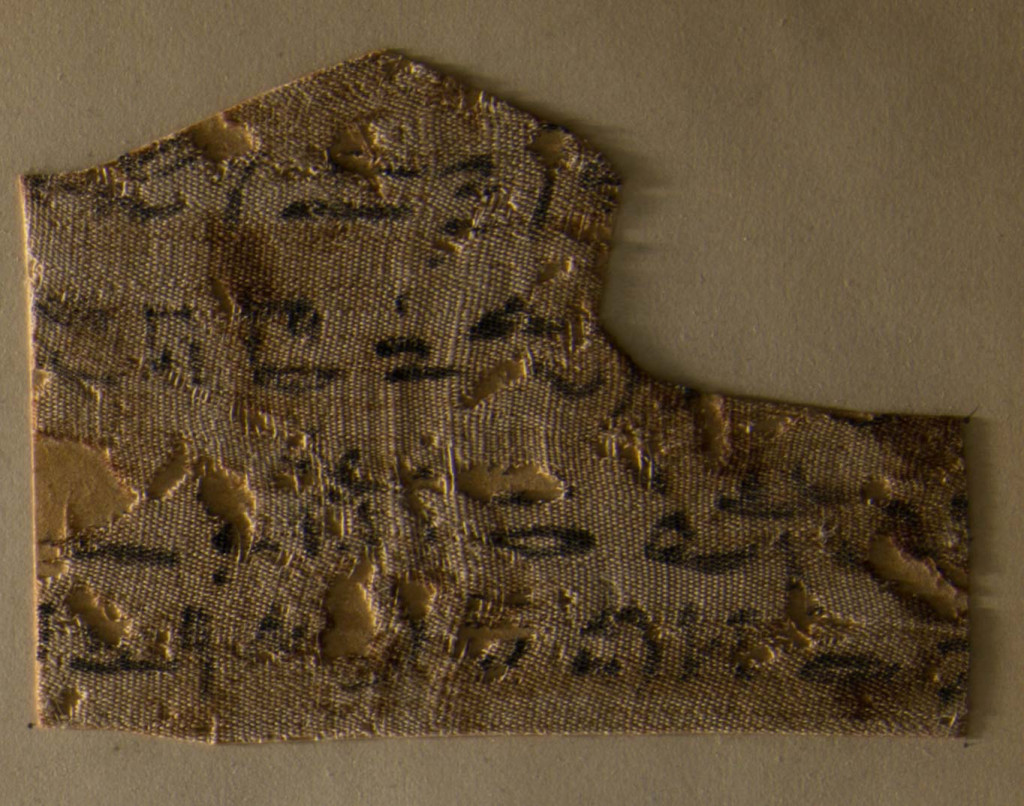
Raking Illumination, Before Treatment 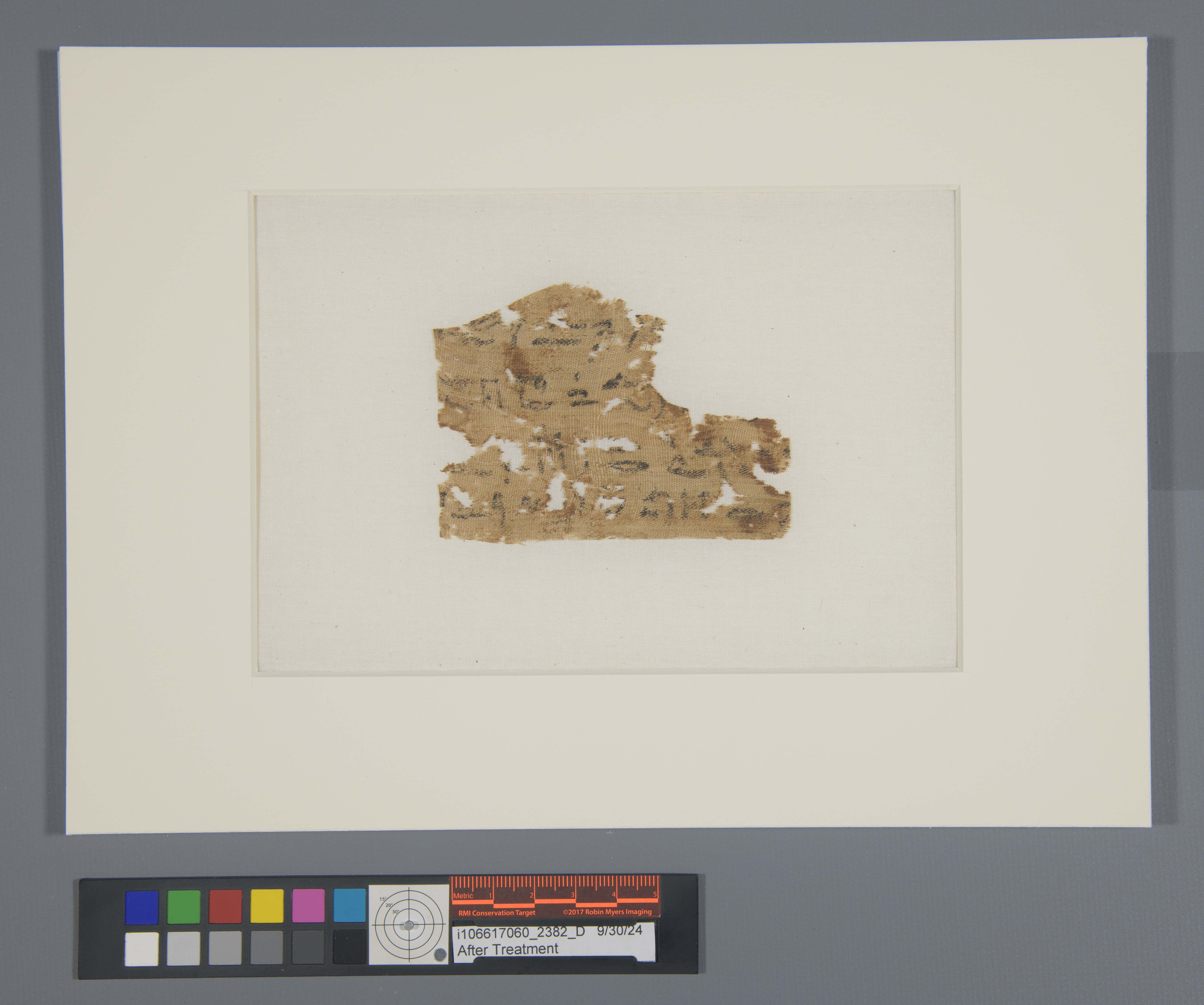
Recto, Normal Illumination, After Treatment 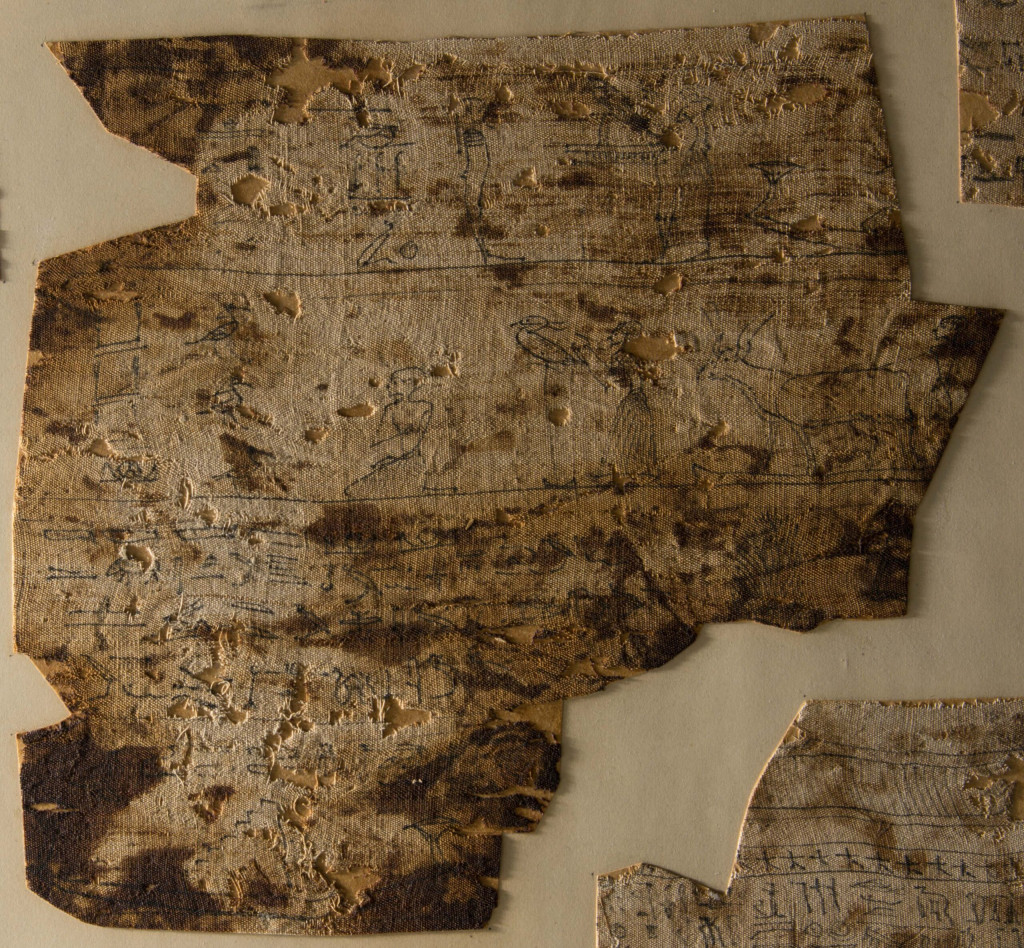
Raking Illumination, Before Treatment 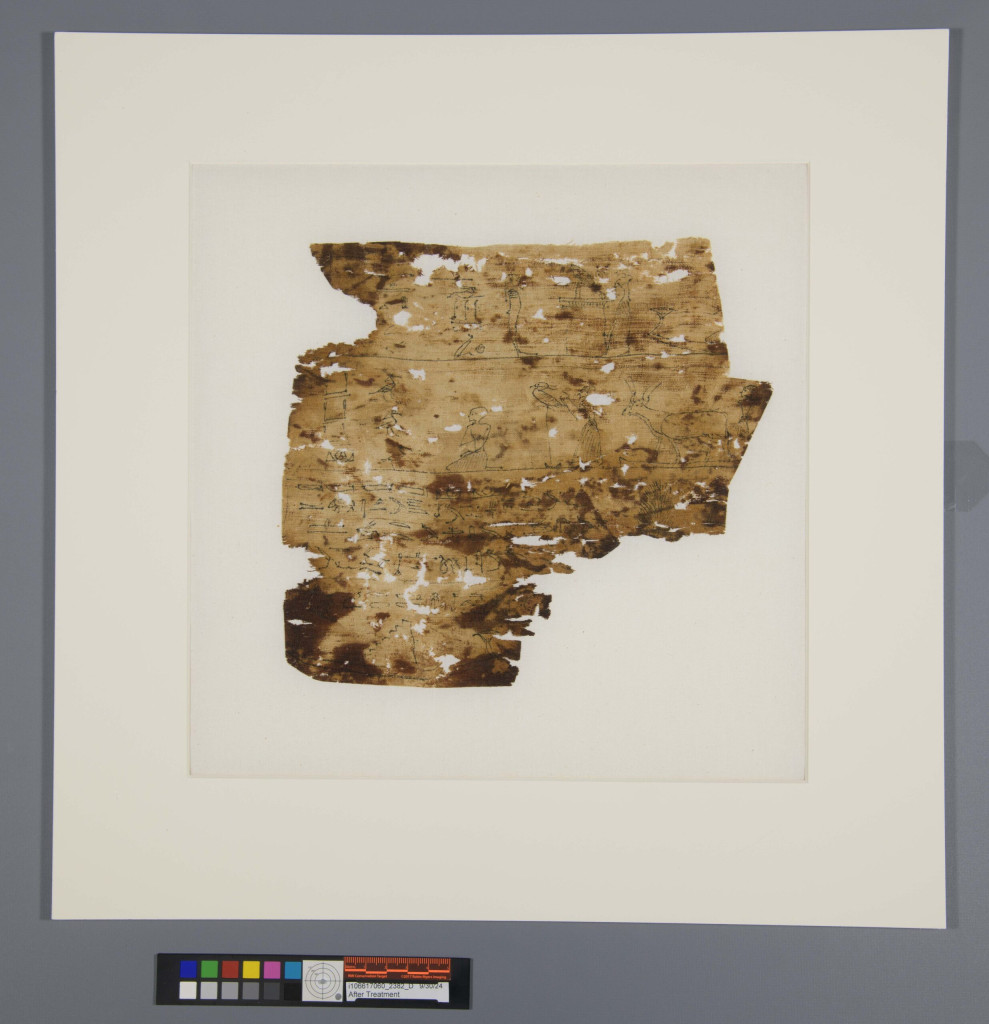
Recto, Normal Illumination, After Treatment 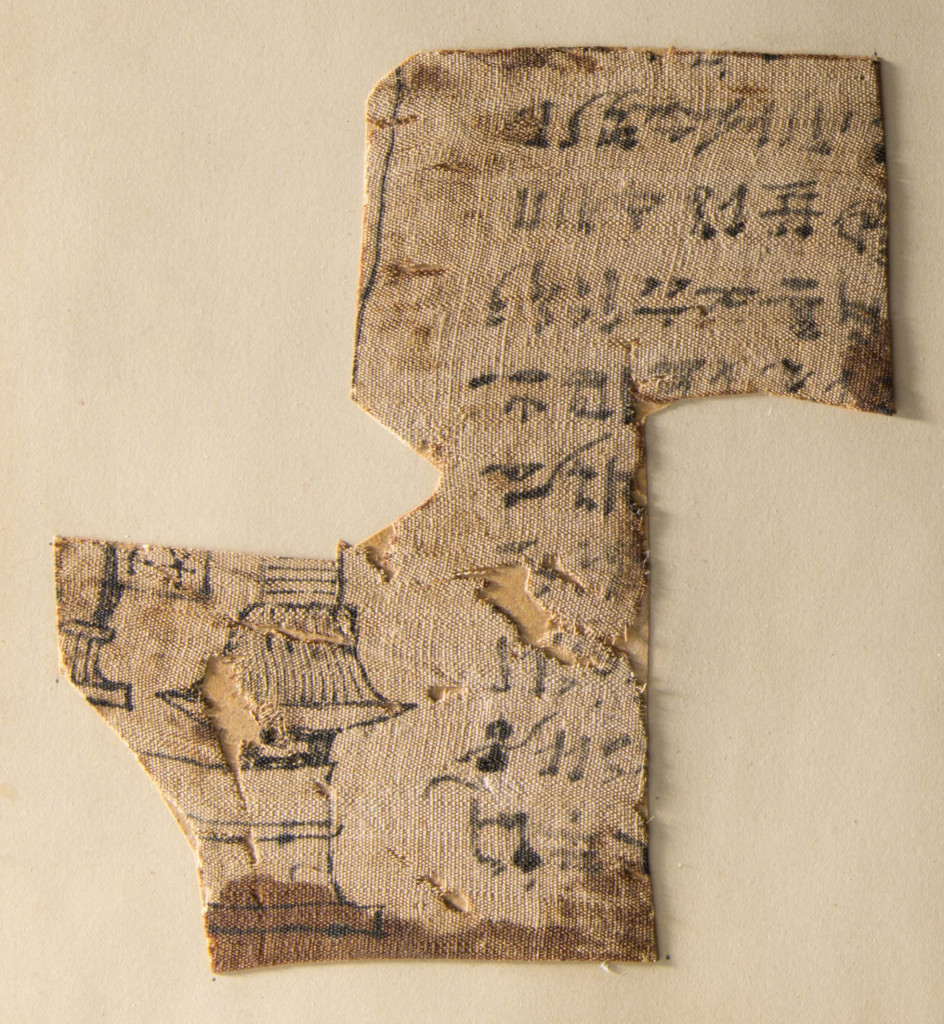
Raking Illumination, Before Treatment, Upside Down 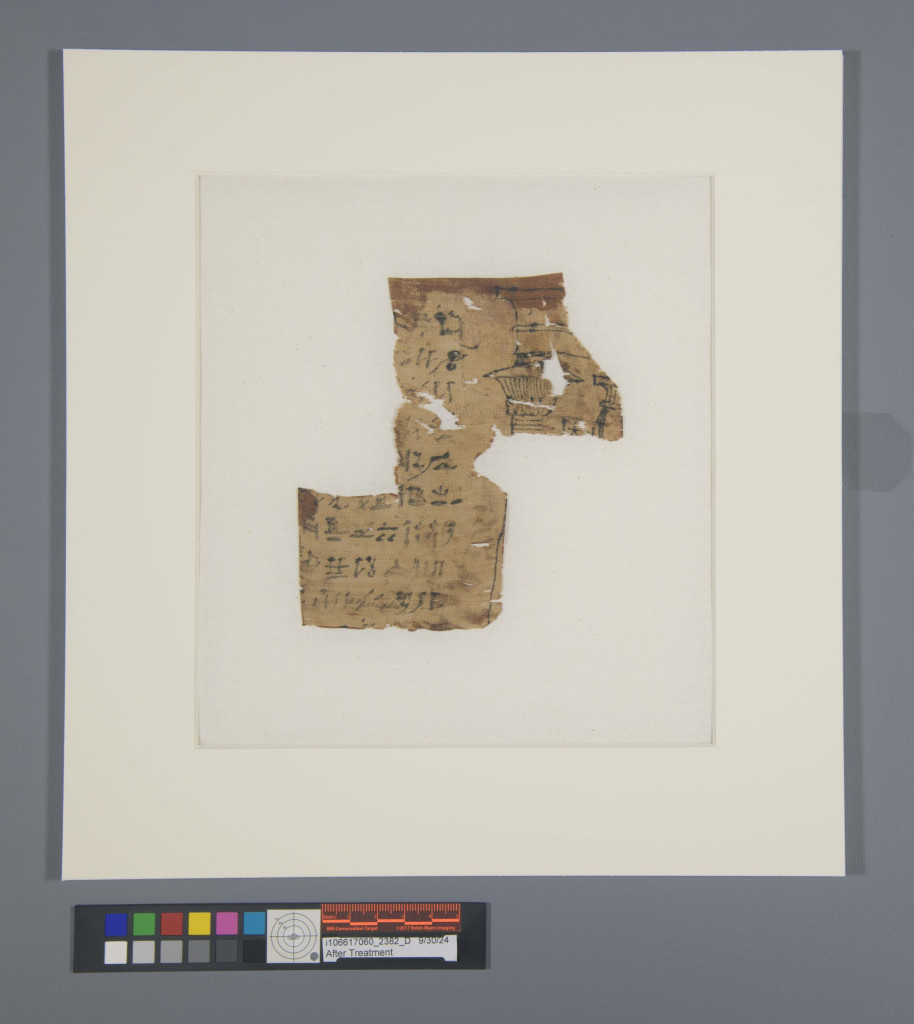
Recto, Normal Illumination, After Treatment 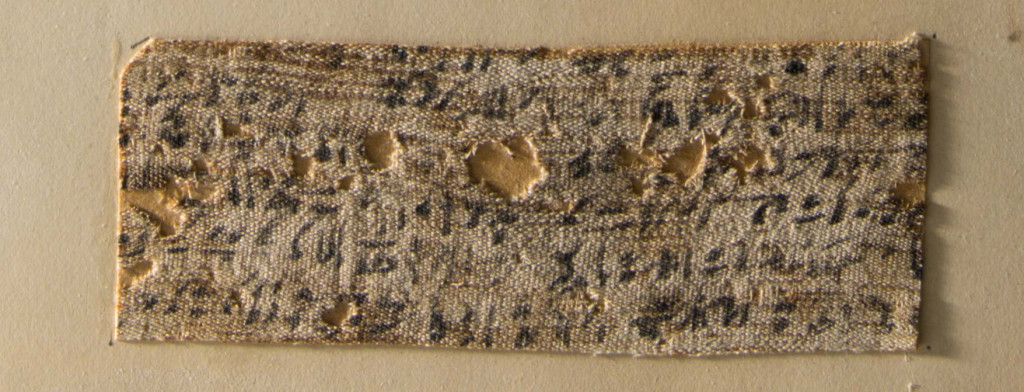
Raking Illumination, Before Treatment, Upside Down 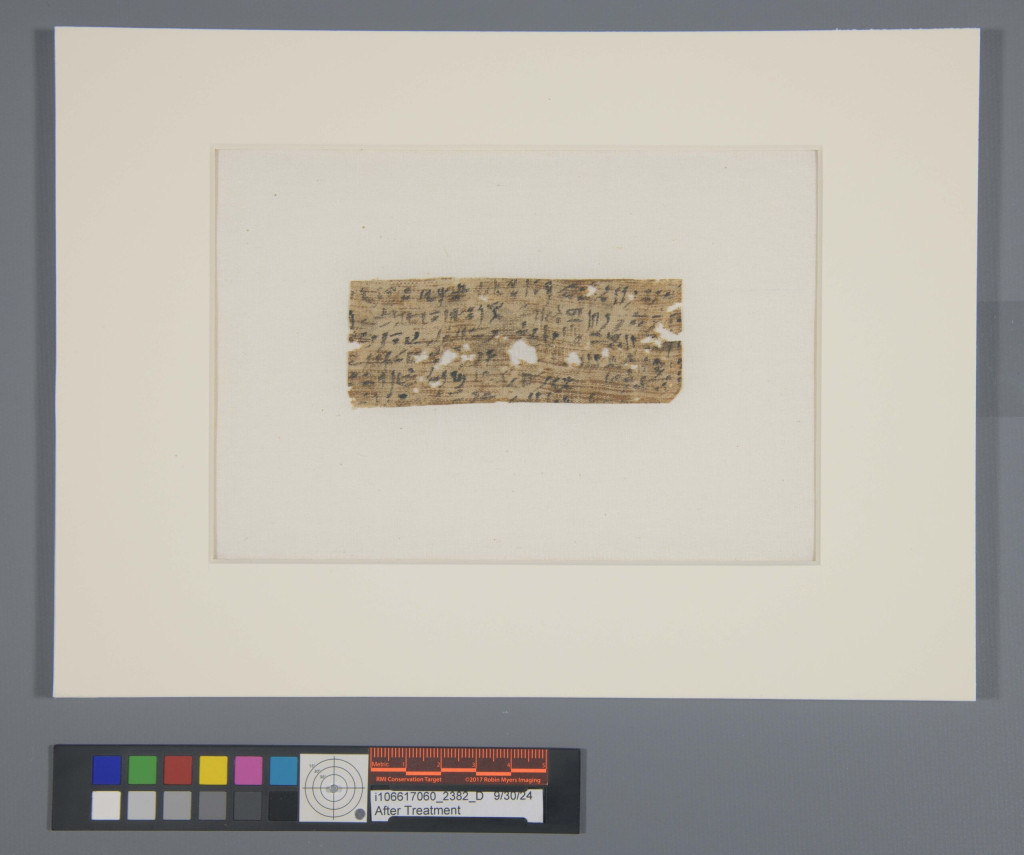
Recto, Normal Illumination, After Treatment 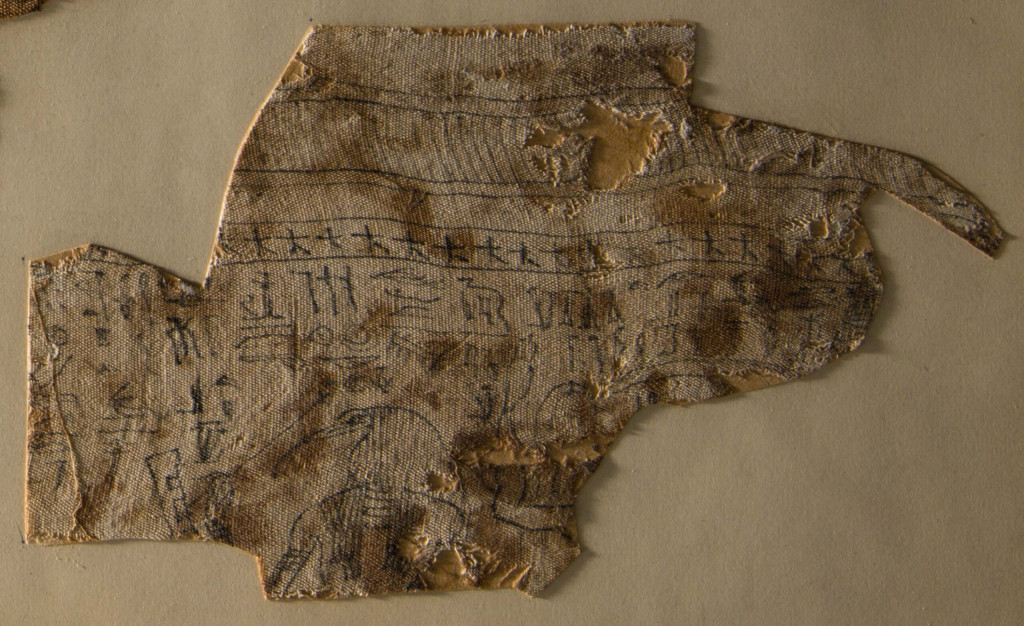
Raking Illumination, Before Treatment 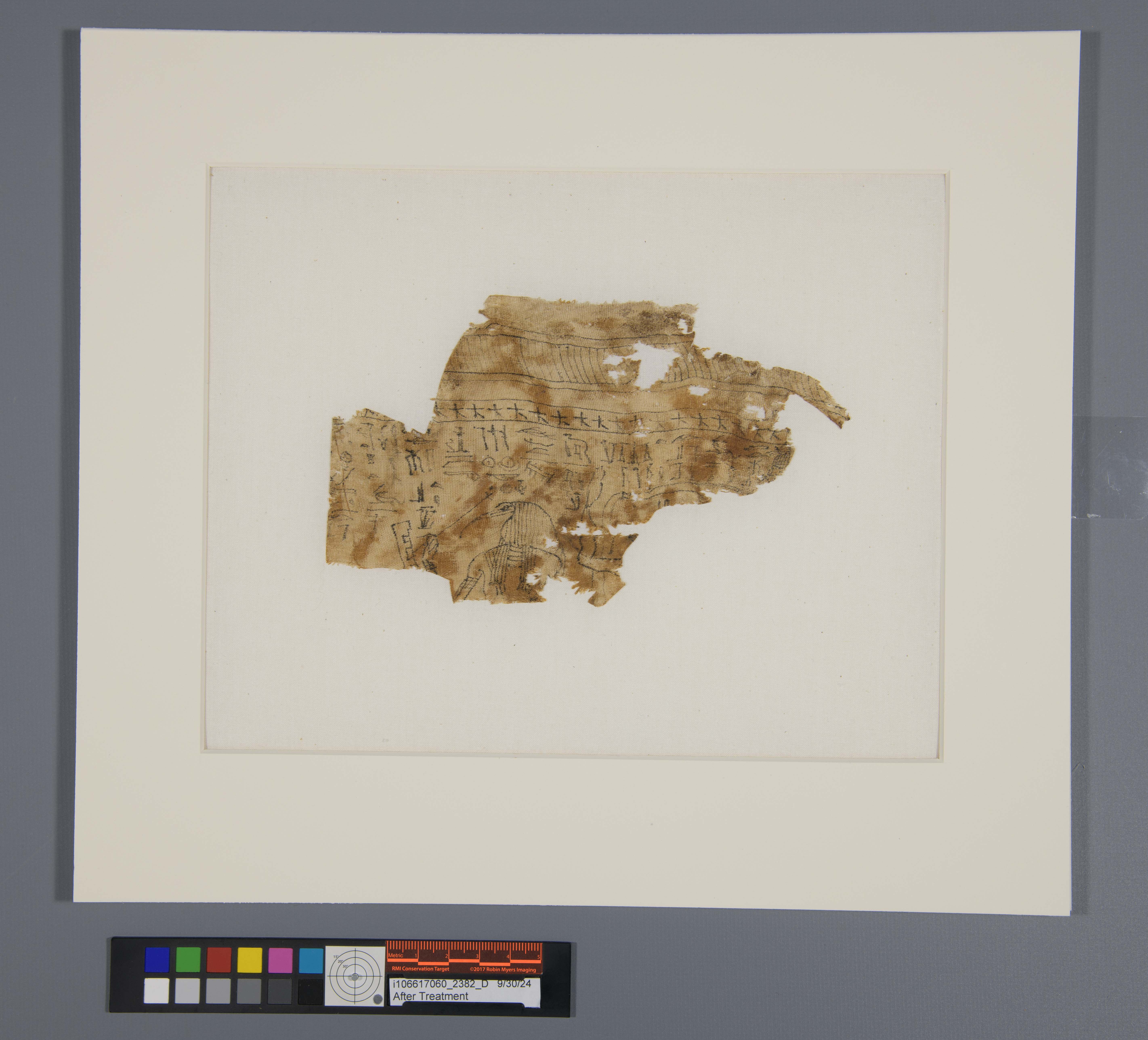
Recto, Normal Illumination, After Treatment
To learn more about the storage, check out the final post of the four-part series: Storage Solutions!
If you missed the earlier installments, you can jump to previous posts using the links below:
- Research and Examination – Examining the material composition of the objects
- History – Historical information provided about the Egyptian inscriptions
- Treatment – How the materials were treated after learning about their content
- Storage Solutions – Individual solutions for separated fragments as well as storage as a collection
Acknowledgements
- Katherine Davis, Lecturer in Egyptology in the Department of Middle East Studies at the University of Michigan
- Suzanne Davis, the Associate Curator and Head of Conservation at the Kelsey Museum of Archaeology at the University of Michigan
- Dr. Ann-Katril Gill at the University of Leipzig
- Marieka Kaye, Harry A. and Margaret D. Towsley Foundation, Head, Conservation & Book Repair, University of Michigan Library
- Obie Linn, Textile Conservator at the Cincinnati Art Museum
- Ann Wuertemberger, Catalog Librarian at the Cincinnati and Hamilton County Public Library
- Meredith Montague, Textile Conservator at the Museum of Fine Arts Boston
Ashleigh Ferguson Schieszer – Special Collections Conservator and Co-Lab Manager [CHPL]