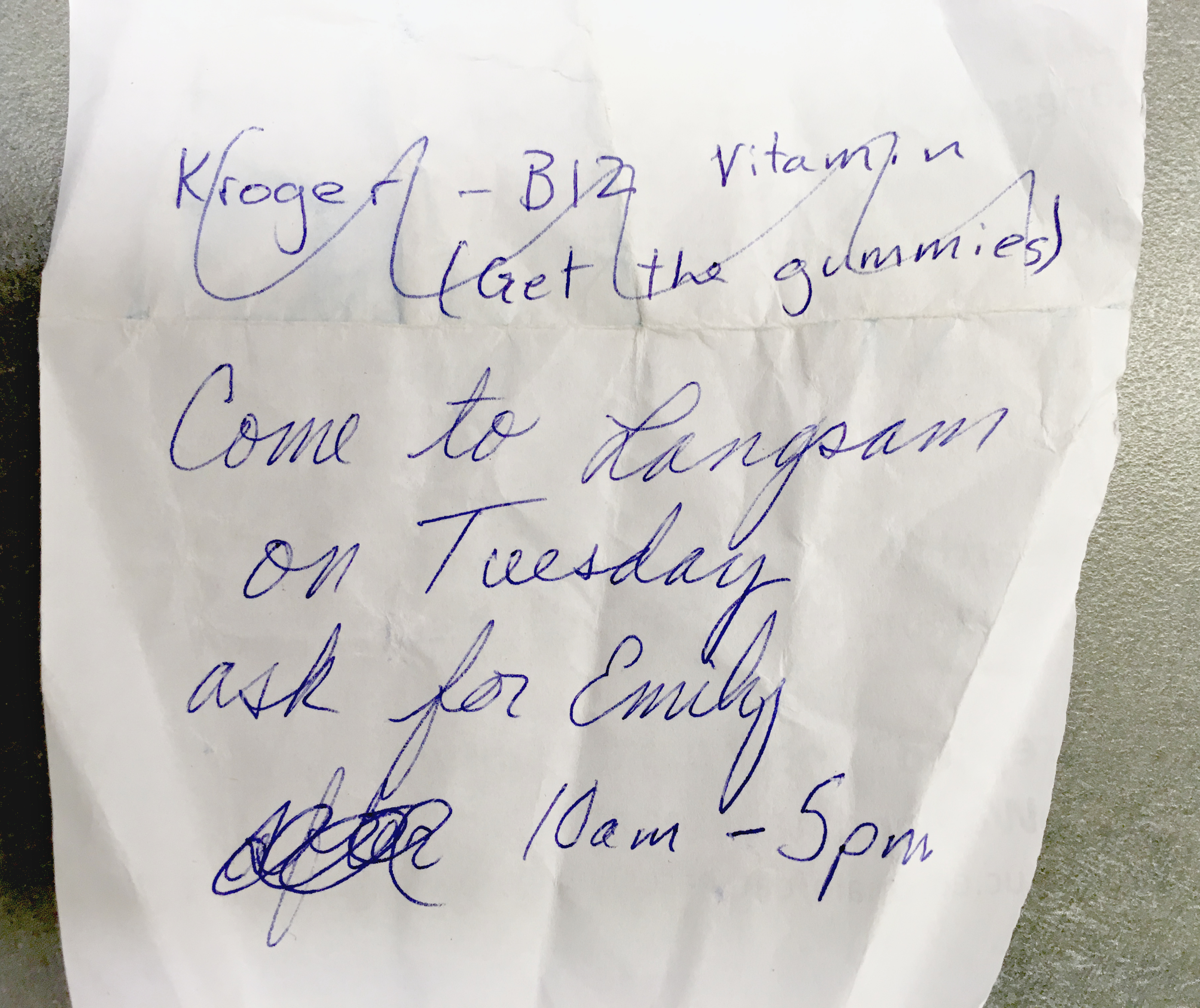
Yesterday we did some General Collections evaluation. This is when the Conservation Technicians get together to inspect the General Collections books that have been sent to us, and determine the best way to treat them. Since these materials circulate some of them are heavily used, and sometimes we find little surprises in them. This batch had a couple of especially fun ones. I found out that someone likes their vitamin gummies:
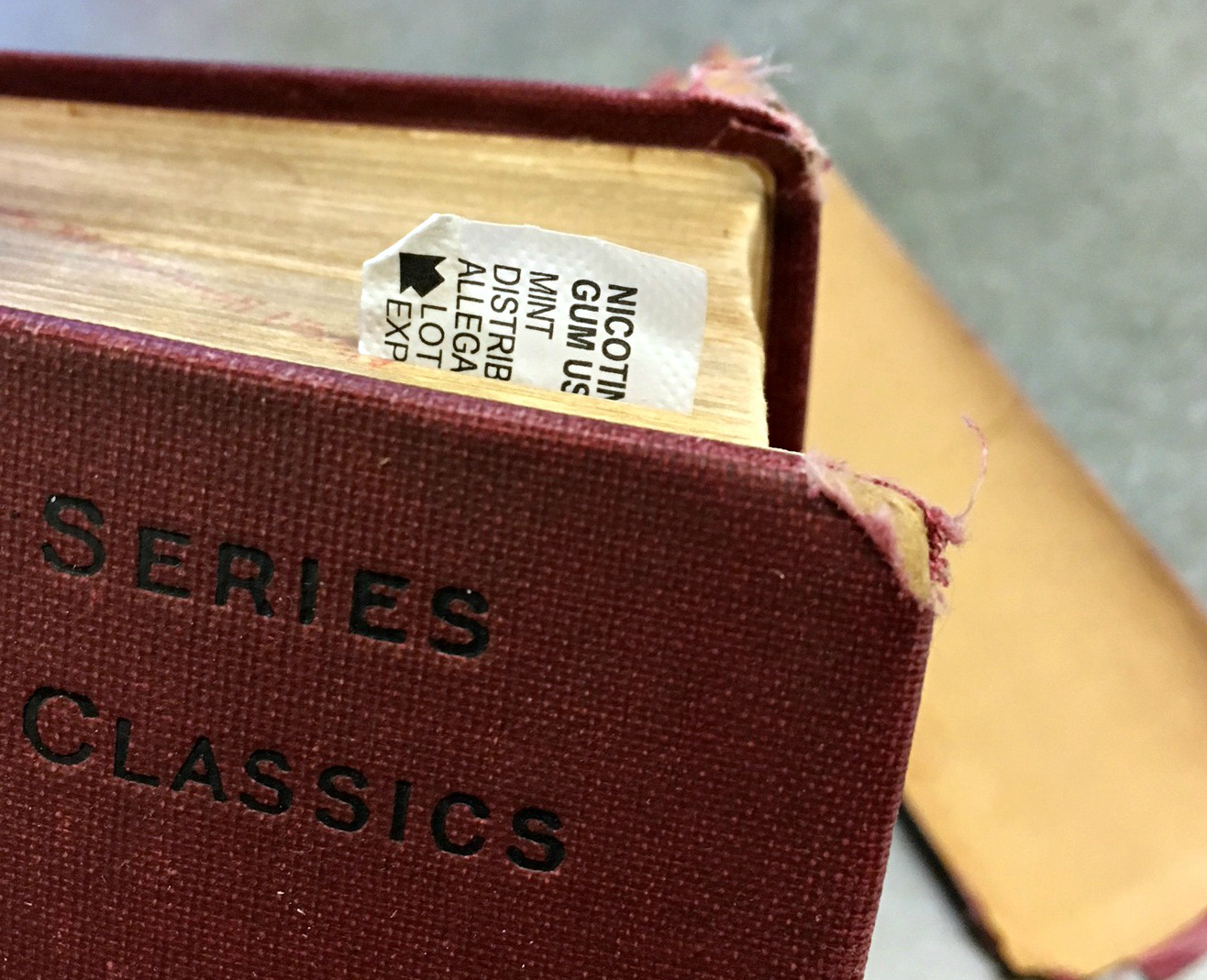
Then Jessica came across this unusual bookmark:
And then she was looking through this book about Nikola Tesla:
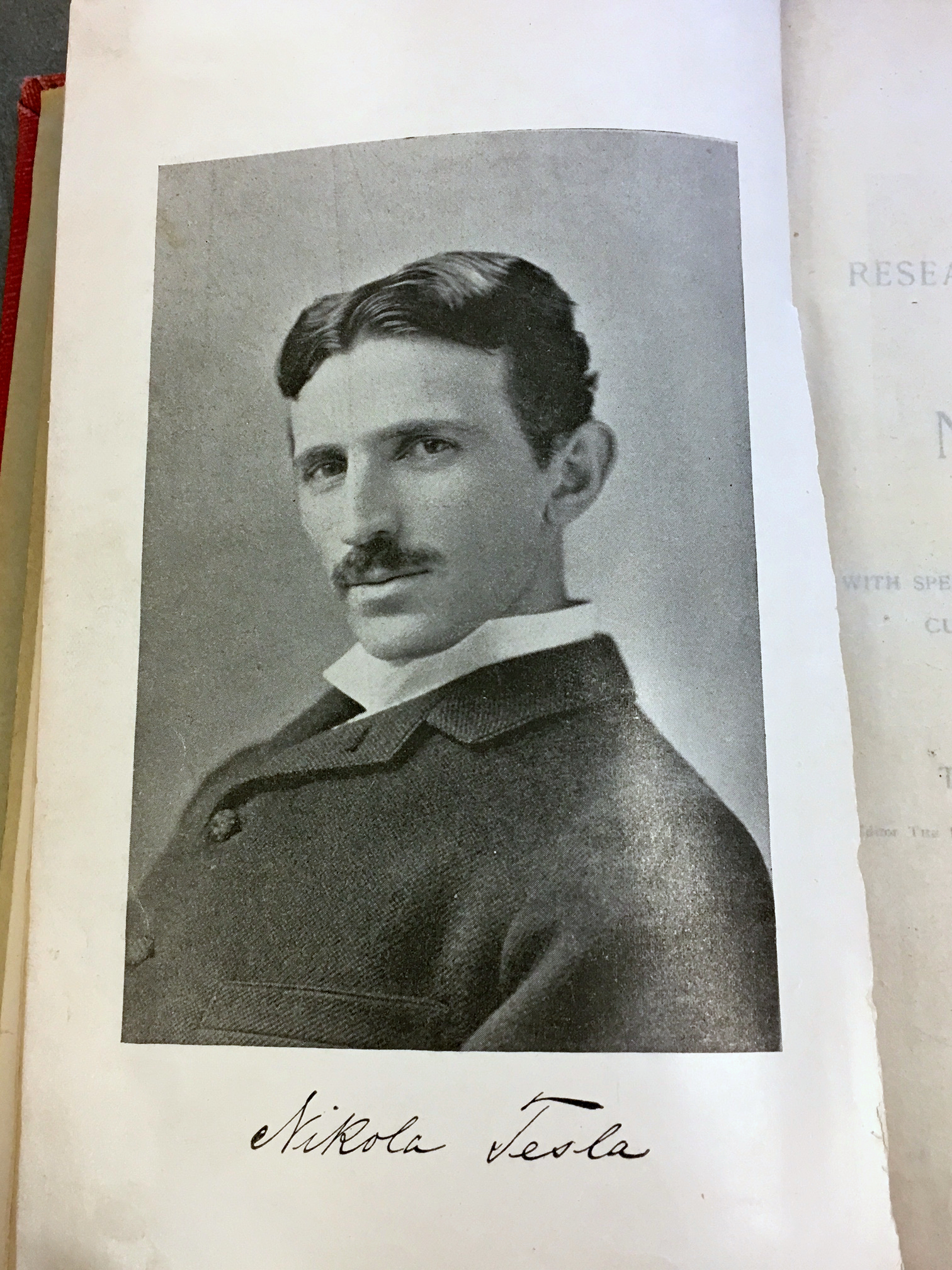
Complete with this invitation (number redacted for privacy):
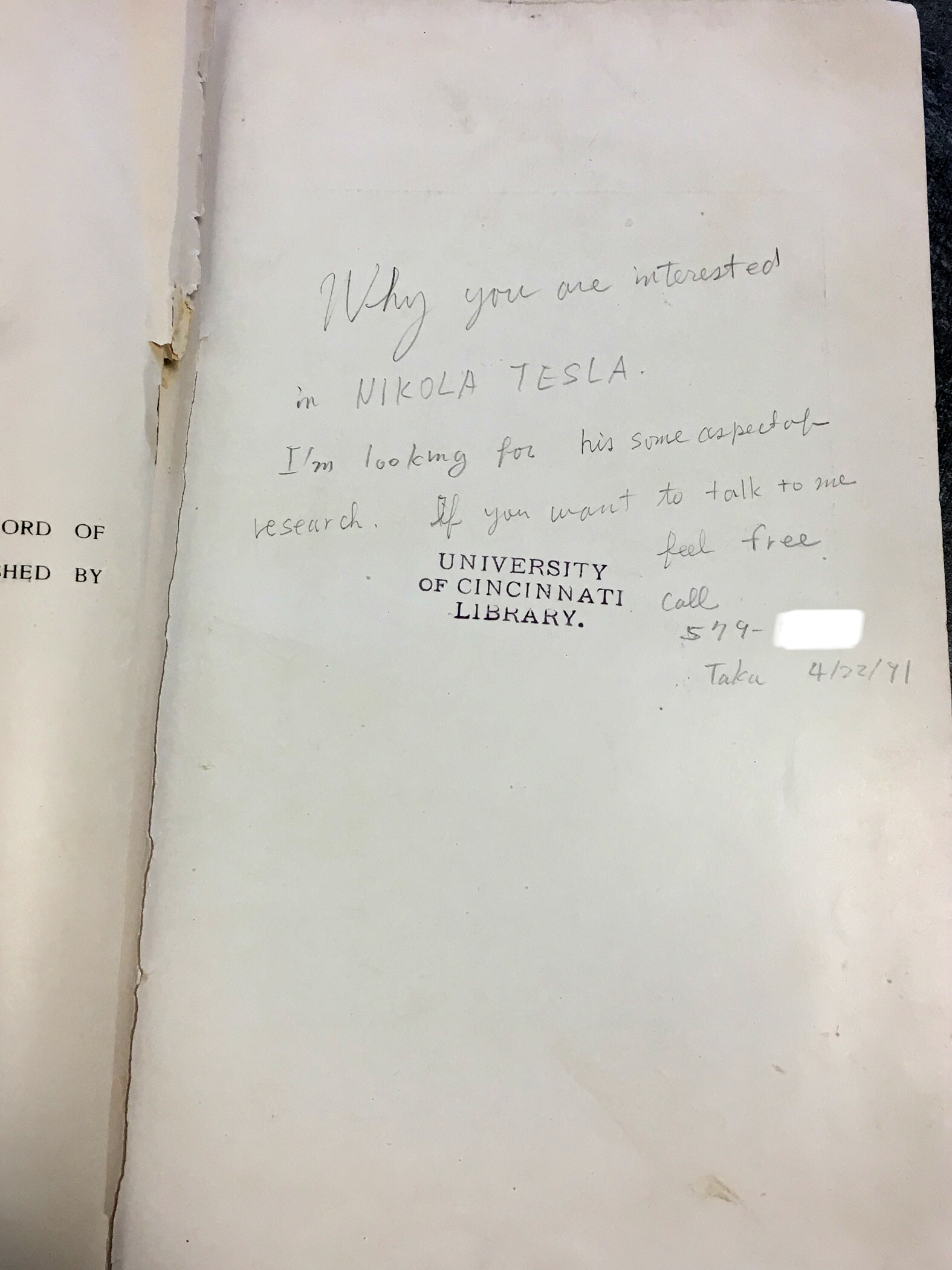
I don’t know about you, but I think that sounds way better than, “for a good time call…”!
Veronica Sorcher (PLCH) – Conservation Technician
Category Archives: Uncategorized
Fun with PhotoDoc: Infrared (Edition 7)
At the end of last year the lab purchased a modified UV-Vis-IR Nikon through MaxMax so that we can start to play around with infrared photography. Infrared photography (IR) is commonly used in fine art conservation as an examination tool. Reflected IR can be helpful when trying to identify pigments, inks, coatings, etc. and transmitted IR can helpful for viewing watermarks, underdrawings, and linings. We’ve only just started dabbling with IR photography, but I wanted to share some photos from my most recent session with reflected IR.
This is a full leather photo album from the Public Library of Cincinnati & Hamilton County’s collection. This early 1900s photo album contains hand-colored silver gelatin photographs taken by A. Nielen. The photographs appear to depict his travels through the US and Canada, and various landmarks and neighborhoods of Cincinnati are represented.
-
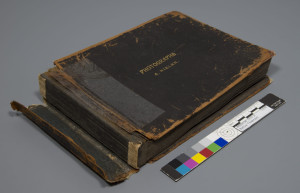
- Before treatment
-
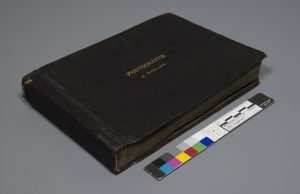
- After treatment
This seemed like a good object for reflected IR because of the hand-coloring on the photographs and the white ink inscription below each photograph. I began by taking a representative visible light image (first image below) using our modified UV-Vis-IR camera, incandescent lighting, and the X-Nite CC1 filter on our 50mm lens. Then, being careful not to move the position of the camera or the object, I switched to the X-Nite 830 filter (830nm) and converted that image to grayscale in Photoshop (second image below). Then I took my visible light image and my reflected IR image into Photoshop to create the false-color image (third image below). The digital false-color image is a combined representation of the visible and infrared images, and it’s actually quite simple to make. You basically copy and paste the various channels for the VIS and IR image as follows, green to blue, red to green, and IR to red. The false-color image allows you to better differentiate and characterize the various materials (pigments, inks, etc.) and potentially even identify them if you have sufficient known samples to use as references.
-
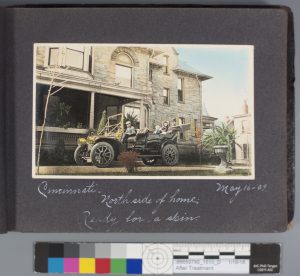
- Normal illumination
-
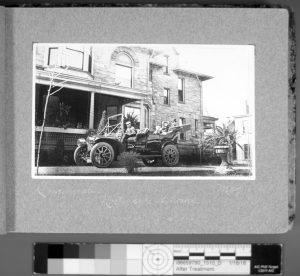
- Near infrared with wavelength at roughly 830nm
-
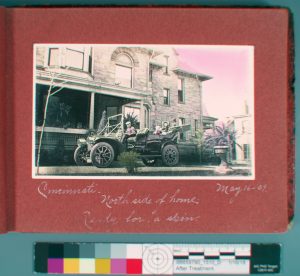
- False color
Like I said, we’ve only just started using IR and we’ve got a long way to go, but I’m looking forward to experimenting and learning more about it as time goes on.
Jessica Ebert (UCL) – Conservation Technician & Photographic Documentation Tech
Making the Perfect Wheat Starch Paste
As I’m sure anyone in a book & paper lab will attest, good wheat starch paste is key to most, if not all conservation treatments. And achieving that perfectly smooth and lump-free paste is often easier said than done. So when the Preservation Lab crew returned from UC’s winter seasonal days off, the first thing on the docket for our resident paste maker, Veronica Sorcher, was to make a brand new batch of wheat starch paste to start the new year off right! My purpose in documenting her through this process was two fold: first, it’s been ages since I’ve made paste myself (because Veronica almost always does it – she loves it and we love her for always making it!) and I could use a refresher, and secondly, I thought it would be interesting to show the making of (or behind-the-scenes, BTS, if you will) of something so core to the day-to-day conservation in the lab. To give those who might not understand how much attention is put into the quality of every aspect of what we do here in the lab. Plus, I thought it might be fun! I hope you enjoy…
A huge thank you to Veronica for being the paste making master she is and allowing me to film her and to Catarina for allowing me to film her while she strained and used the lovely paste that had just been made.
Jessica Ebert (UCL) – Conservation Technician
Our Students
As the end of the year is drawing to a close (this is our last day before UC’s winter seasonal break when the university is closed until the New Year!!) I find myself looking back at the past year in the lab and thinking of all the things we’ve accomplished, individually and as a team. I know all of us in the lab consider ourselves very fortunate, our work is fulfilling and interesting and we are continuously surrounded by a great group of dynamic and talented people. And as the student supervisor for the lab, I have to say, our students have made this year even more stellar. They’re just the best! Ask any staff member in the lab and I’m sure they’ll say the same exact thing, we are so lucky to have the group of passionate, energetic, and skilled students that we have working with us.
Each year, instead of the usual departmental pizza party for students, the lab sets aside some time to thank our students and volunteers for everything they do for us by having two days of fun activities for our students and volunteers. These “fun days” are generally around finals, when the students are reaching the end of the semester and their holiday break, and usually involve activities that tie back into bookbinding/book arts/conservation/etc. somehow. This year we enjoyed papermaking, pulp painting, explosion books/ornaments and origami boxes. Our annual “fun days” are just that…fun, not only because we get to watch the students relax and unwind and thank them for all they do, but we always get to learn more about them and connect with them even more. One of my favorite parts is seeing which students get really into which activities; sometimes it’s fascinating and unexpected, and sometimes it just makes total sense. But that moment when a student gets to relax and enjoy, after a semester of rigorous schoolwork and general collections repairs, well that’s just the cherry on top!
This year has been extra fulfilling not only because our students are amazing and it is because of them that the bulk of our general collections repairs happen, but also because those warm fuzzy feelings all our staff feel for the students…well, apparently they’re mutual. For four years now the UC Libraries has been offering an annual UCL Student Worker Scholarship, thanks to generous donations from the faculty and staff at UCL. This year, we are happy to say, a Preservation Lab student was awarded the scholarship for the second time in four years! Two years ago it was our student, DJ Davis (who recently graduated earning his MBA….go DJ!), who received the scholarship, and this year it was our student, Stefan Apostoluk! Stefan is a senior Computer Engineering major who is also working his MBA through the ACCEND program. I am beyond proud of Stefan!
We actually had two students apply for the scholarship this year, Stefan and our DAAP fine arts student, Alex Phillips. This isn’t surprising, because in my eyes, all of our students are award worthy. In fact, our binding student and business major, Drew Eaton, was awarded the Student Quality Service Award in April of this year! So, our students have been killing it this year; again, that’s no surprise to the staff down here. They crush it on a daily basis in the lab, but it’s great that they are getting some public attention for it. What has been immensely fulfilling in writing the scholarship recommendation letters for Alex and Stefan was getting to read their essays on how working in the libraries has inspired them. They’ve both given me permission to share their sweet words about the lab and our team…
Alex wrote:
“Working for the University’s Preservation Lab has been a dream-come-true. Ever since I learned that such a job existed, I wanted to be involved…There is a sense of satisfaction with each book that passes through my hands in need of care, and my work feels purposeful. Not only do I enjoy my work, but my co-workers and mentors have been a great model of what a productive and positive work environment can be. It is a relief to work in a space where there aren’t constant negative and harmful conversations such as gossip. The Lab has proven that a positive work environment is not a myth, and I am so grateful.”
Stefan wrote:
“Working at UC Libraries has inspired me to find a job where I fit in and matter. I have the great pleasure of working in the Preservation Lab at Langsam, a place that I’ve come to love dearly in my four years there as a student worker. While the lab is small and has a full-time staff of less than 10, my coworkers are all heartfelt, funny, and interesting people. They are truly what makes my job so special and enjoyable. A few hours at the lab can be enough to turn a miserable day into a good one. Even though doing spine repairs on books and making enclosures is a far cry from software development and project management, I’ve learned some very important things working at UC Libraries. The lab has taught me about the importance of work culture, of loving where you work, and of loving who you work with. Wherever I end up working in the next year after I graduate from UC, I know it’ll need to be some place I love.”
It doesn’t get much better than that, right? If that doesn’t make you feel like you are doing something right and are one of the lucky ones, I don’t know what would. And darn it, if it doesn’t make me appreciate those students, volunteers, and staff that I get to call team members even more! A big thank you to our entire team, for all the amazing work you have done this year and for your enthusiasm, personality, and dedication!
OUR TEAM:
Students –
- Stefan Apostoluk
- DJ Davis
- Drew Eaton
- Evelyn Mendoza
- Brad Miller
- Alex Phillips
Volunteers –
- Joan Konecny
- Lucy Schultz
- Jeanne Taylor
- Alex Temple
Staff –
- Jessica Ebert, Conservation Tech
- Catarina Figueirinhas, Sr. Conservation Tech
- Holly Prochaska, Preservation Librarian & Co-Manager
- Ashleigh Schieszer, Conservator & Co-Manager
- Veronica Sorcher, Conservation Tech
- Hyacinth Tucker, Binding Processor
- Chris Voynovich, Conservation Tech
Here are some more pictures from the papermaking portion of our student/volunteer appreciation days…
You can also watch a brief video on the beating process of papermaking on our UCL MediaSpace channel, here.
Happy Holidays from the Preservation Lab!
Jessica Ebert (UCL) – Conservation Technician [and the very fortunate student supervisor]
Cincinnati Human Skin Bindings: Anthropodermic Bibliopegy
What is Anthropodermic Bibliopegy?
Anthro is a prefix meaning human, podermic is a suffix referring to skin, and bibliopegy is the art of binding books. The practice of binding books in human skin began in the 18th century for reasons foreign to our American culture, contemporary to today.
Before the digital age, family members found unique ways to honor and remember their loved ones. Beyond painted portraits, women commonly saved lockets of hair and integrated braided strands into unique and personalized jewelry. In the early days of photography, family portraits were an expensive and rare endeavor for most families. As a result, post mortem photography became common practice during the Victorian era. It’s possible that a post mortem photograph may be the only image a family would ever own of that person!
Likewise, not all anthropodermic books stem from a gory past such as tales told of procuring human corpses for the sake of science. Surprisingly, there are a handful of libraries around the country that claim to have a book or two within their collections with a direct connection to a historic figure, that are bound in honor of that person.
Discussions today surrounding the preservation of skin tattoos are not too dissimilar.
Cincinnati Bindings
In 2016, the lab was asked to sample the leather of not one, but two bindings for a national survey confirming the existence of these anthropodermic curiosities.
As part of the Anthropodermic Book Project, two Cincinnati books were sampled, one owned by the University of Cincinnati and another owned by the Cincinnati and Hamilton County Public Library. Both were identified as bound in human skin.
Interestingly, both bindings contain 18th century works by Phillis Wheatley – one of the earliest African American writers, titled Poems on various subjects, religious and moral.
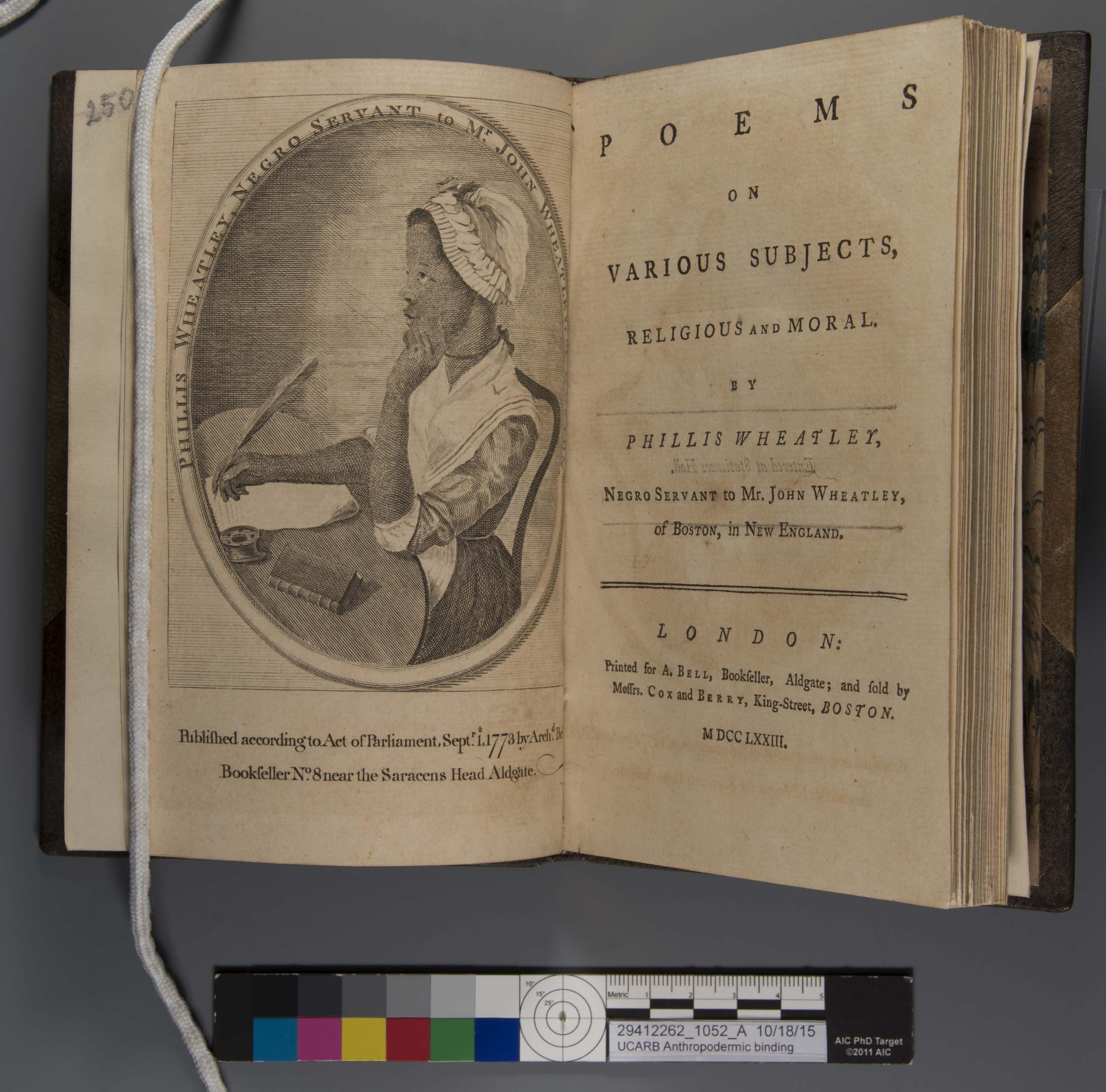
Both books appear to be bound by the same binder showing similar gold tooling along the spine, but with one major difference. The UC binding is a half leather binding, covered in parchment boards while the PLCH boards are covered in full leather. The source of the human skin – we do not know.
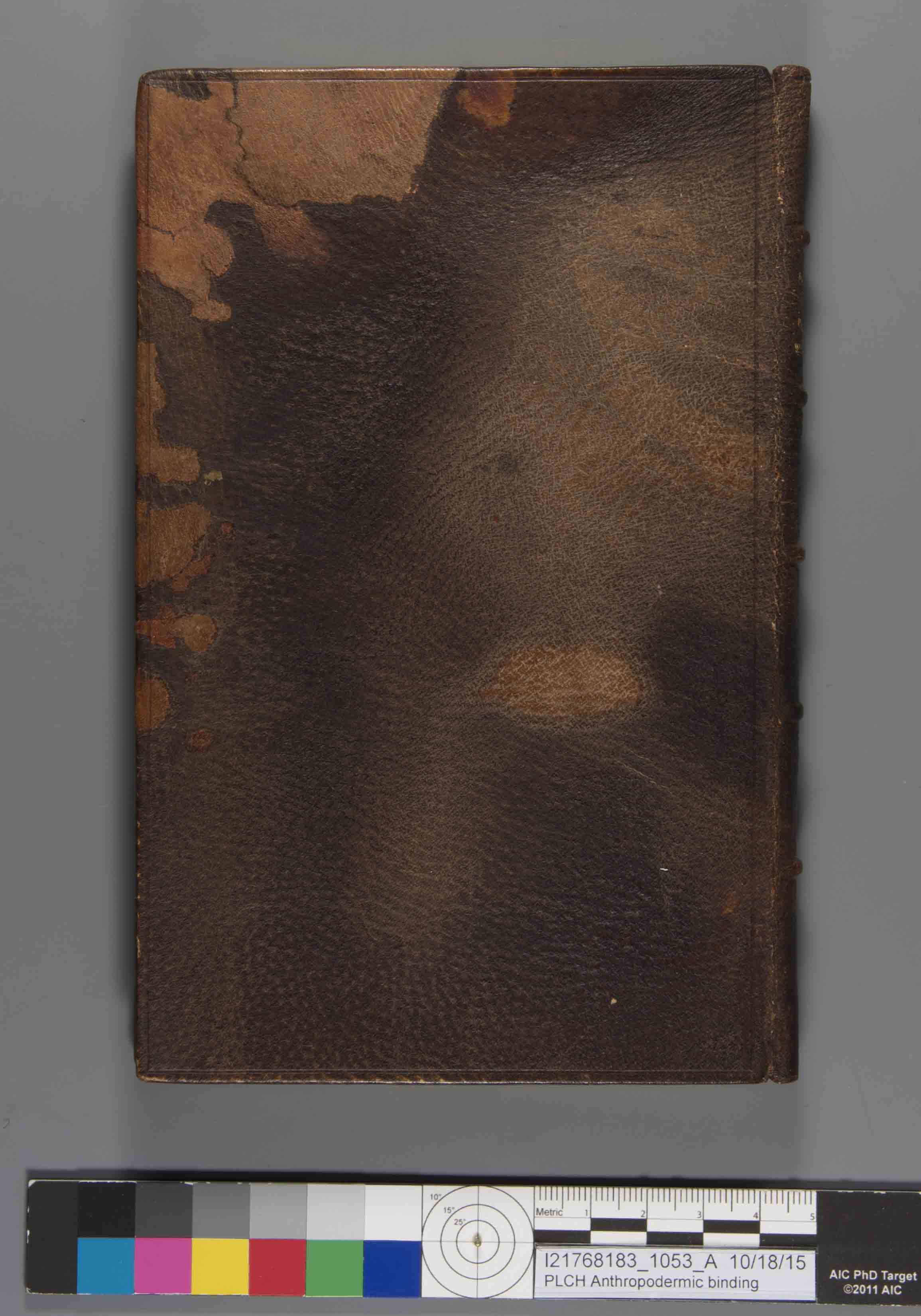
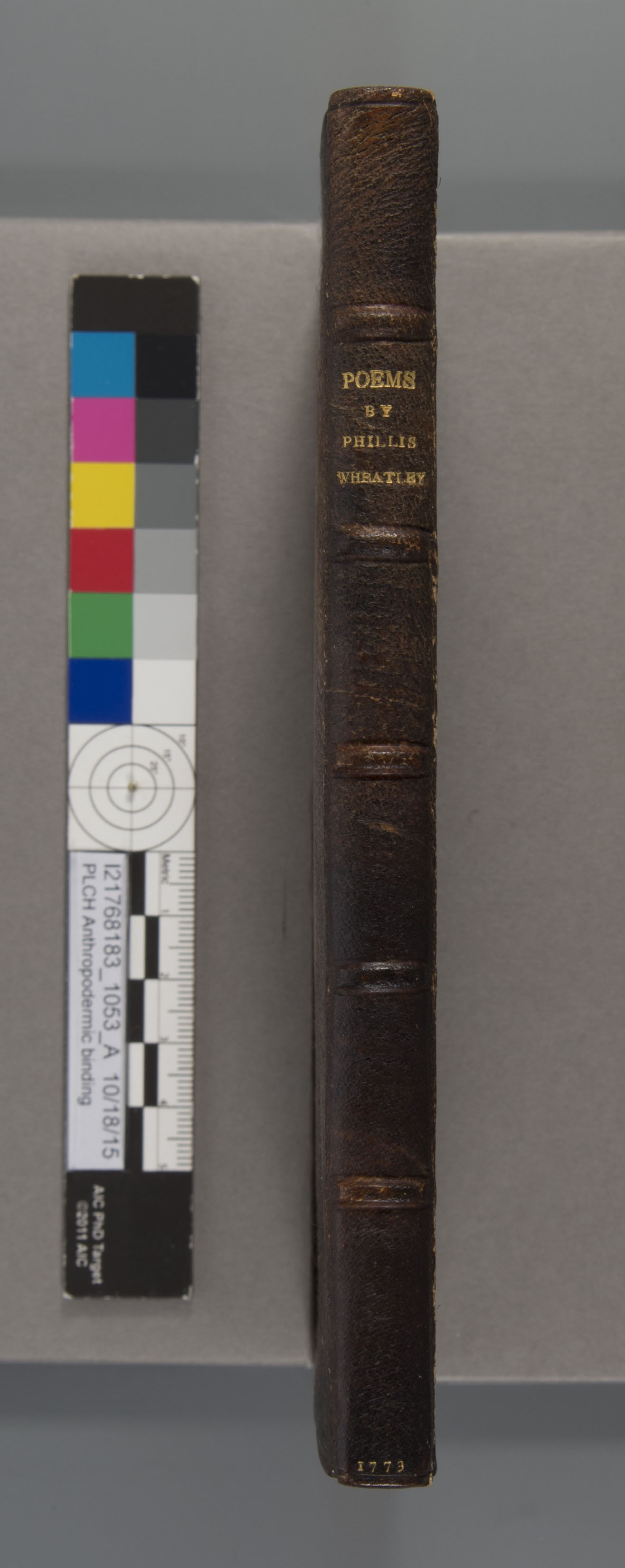
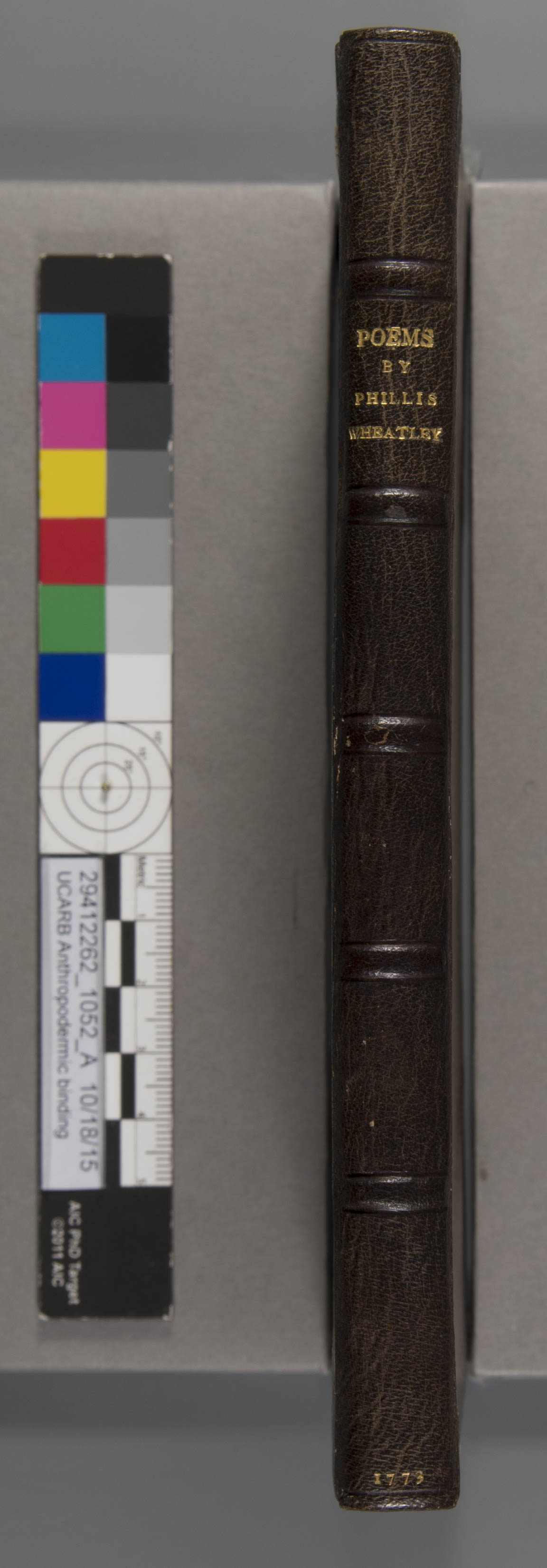
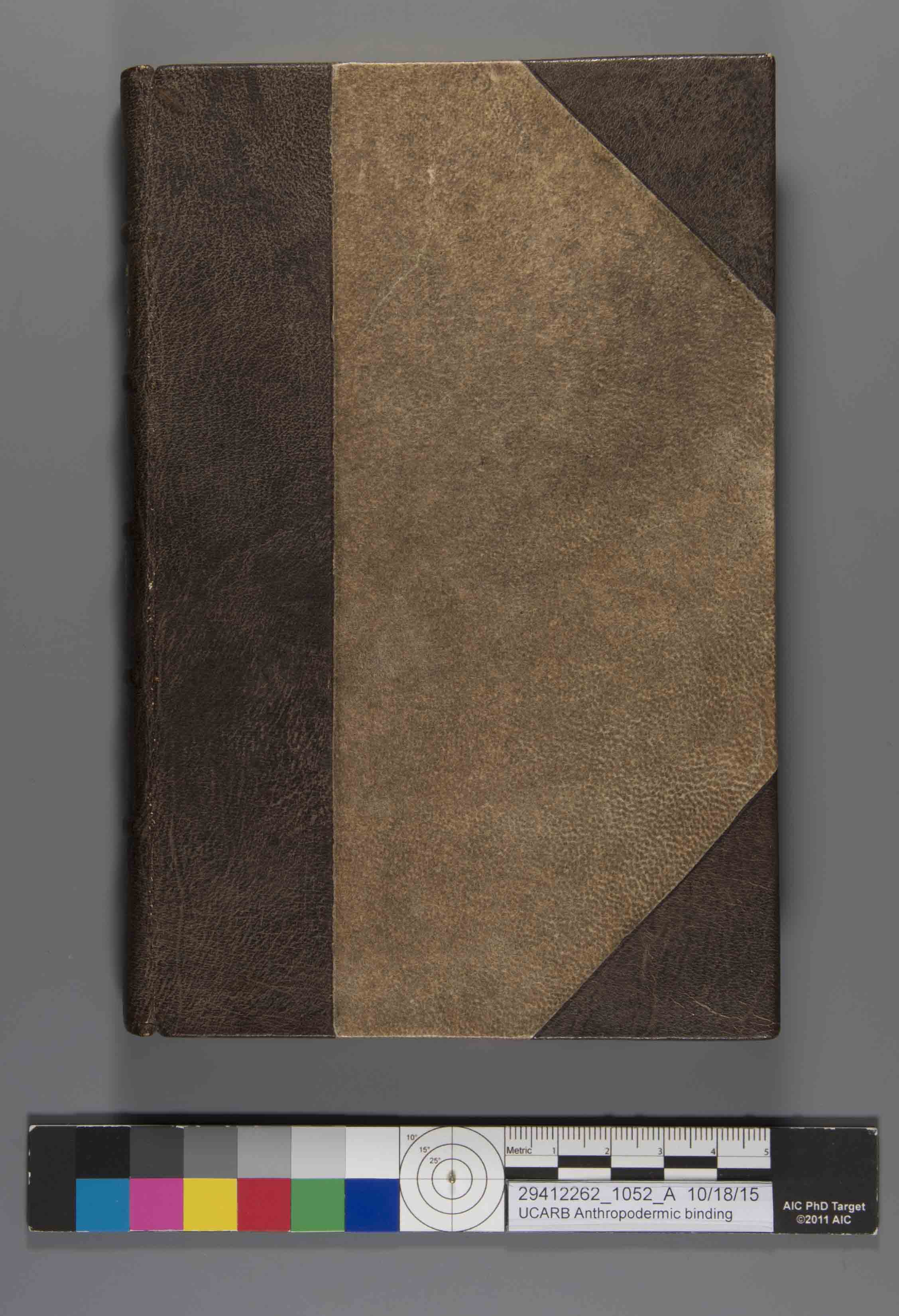
Public library copy on the left is covered in full human leather. The UC copy on the right is covered in half human leather with sheep parchment covered boards. Both contain the title tooled in gold on the spine.
Provenance of Cincinnati Bindings
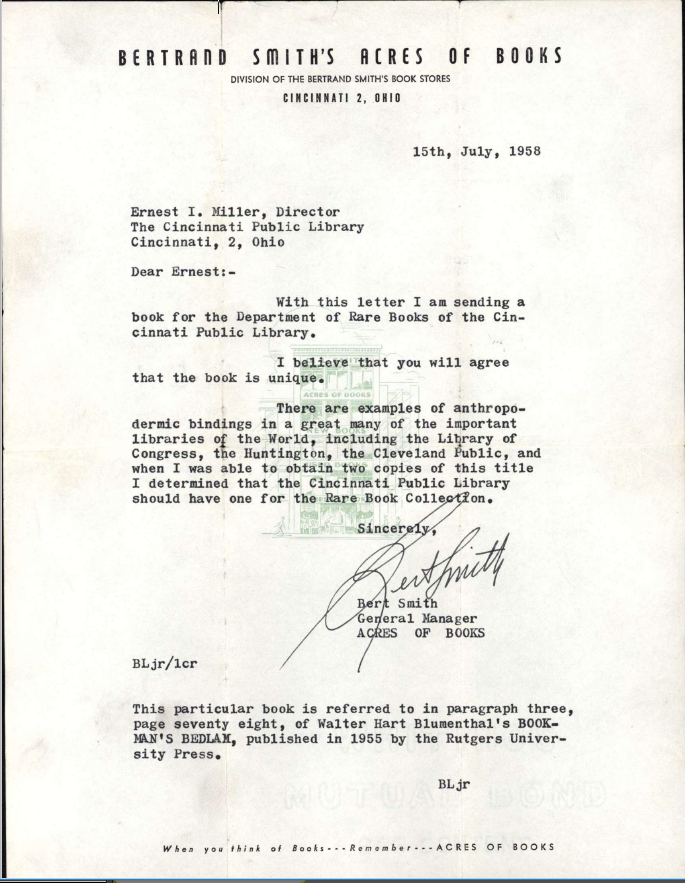
Documentation of the CHPL copy shows the Phillis Wheatley poems were presented to the Director of the Public Library in 1958, Ernest Miller, by the General Manager of Acres of Books, Bert Smith. Smith refers to, “two copies” of this title which he was able to obtain (the other copy owned by UCL). These were once owned by the Charles F. Heartman Collection as evidenced by the CHPL bookplate. At the bottom of the correspondence to the public library Director, Smith notes that the particular copy is “referred to in paragraph three, page seventy eight, of Walter Hart Blumenthal’s Bookman’s Bedlam…”, where he infers these books may have been bound by Zaehnsdorf bindery in London.
Scientific Test Results
In 2016, samples taken from the books by the lab conservator were sent to scientists to confirm the source of the covering materials. Peptide Mass Fingerprinting (PMF) analysis concluded that there were three species involved with the bindings: human, cattle, and sheep. All leather showed positive results for human, the parchment for sheep, and traces of cattle were most likely present as an adhesive.
Closing Thoughts
Books such as these remind us that in the 18th and 19th century, the human experience of death was much different than we experience today. While today we tend to think of death from a more sterile and distant vantage point, the experience was much more personal in the past. Books bound in human skin would not necessarily have had held the same macabre connotations as they do today.
I especially like how Chris Harter from the Archives and Rare Books department frames the subject, “As uncomfortable as they make us feel, we can’t undo what has been done to create such books, but our main goal should be to be good stewards of the books and their histories.”
Further Reading
- Learn more about Phillis Wheatly by reading the UCL Archives and Rare Books blog post and visiting the Library of Congress website
- Check out the book titled, Dark Archives, by Megan Rosenbloom who writes about the histories of many sampled books and thoroughly writes about Cincinnati bindings in the chapter titled, The Long Shadow of the Night Doctors.
- The News Record (TNR) article published by the University of Cincinnati students
Ashleigh Ferguson Schieszer — Conservator (CHPL)
A Tale of a Preservation Horror: The Mystery of William Howard Taft’s Oozing Head…
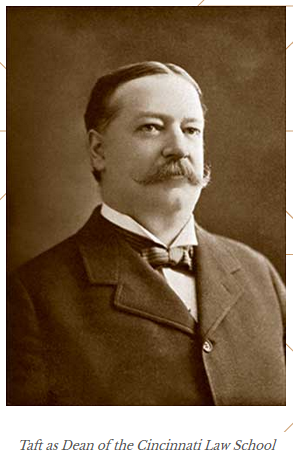
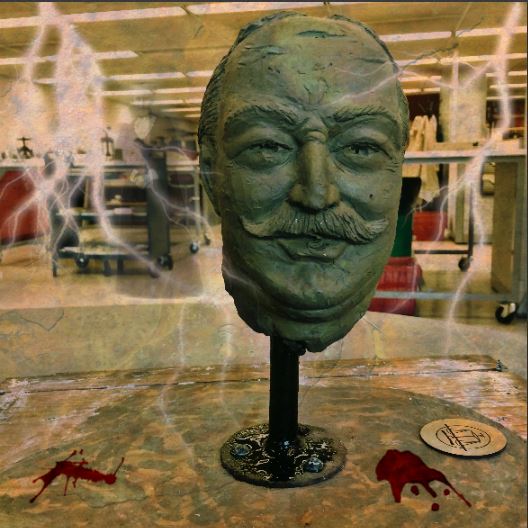
William Howard Taft’s family has strong historical connections to both the city of Cincinnati, and the University. Taft served Cincinnati both as a federal circuit judge and as Dean of the Cincinnati College (the forerunner of The University of Cincinnati). In honor of Taft’s contributions merging the UC law department with Cincinnati College in 1896, a statue was erected in front of the Law building in 1992.
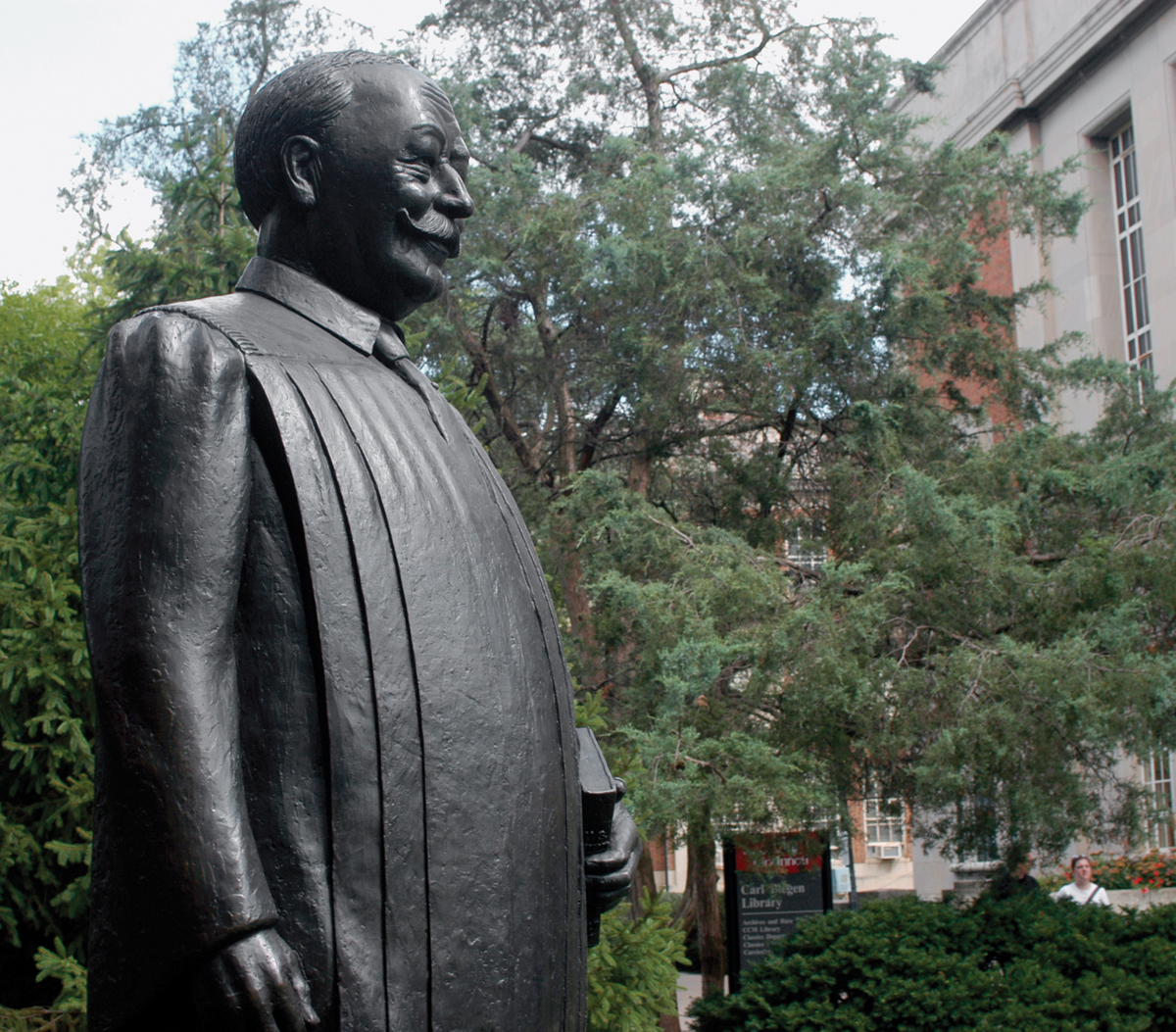

And now, for Halloween, William has made it across campus to the Preservation Lab. And this surprise has taken a gruesome turn. A maquette of Will’s head from the Archives and Rare Books Library collection is aging poorly and in need of treatment and preservation storage. In preparation for bronze casting, Will’s head was sculpted by an artist out of a moldable putty and mounted to a metal rod. It is where the two materials meet that the preservation horrors arise!
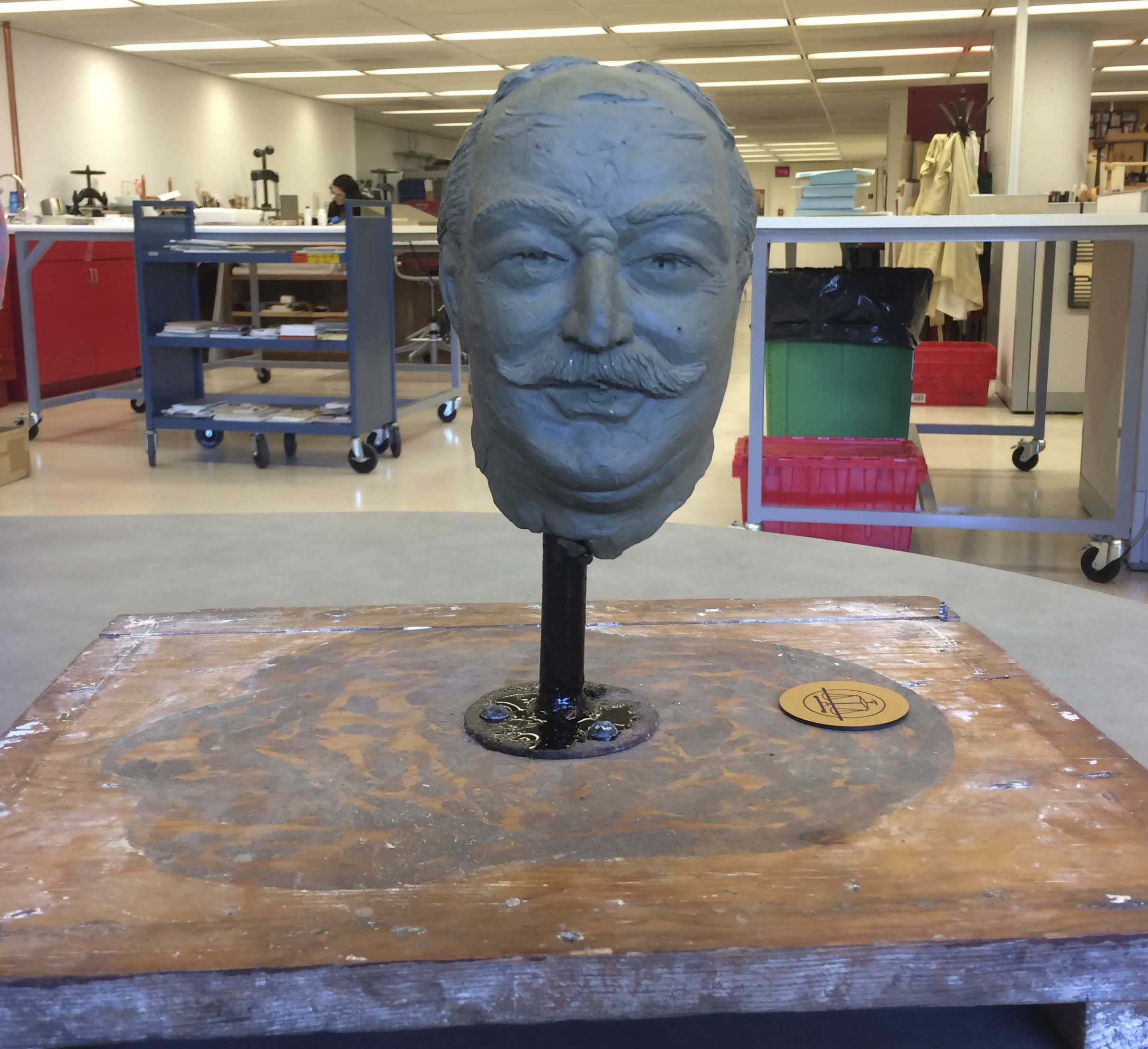
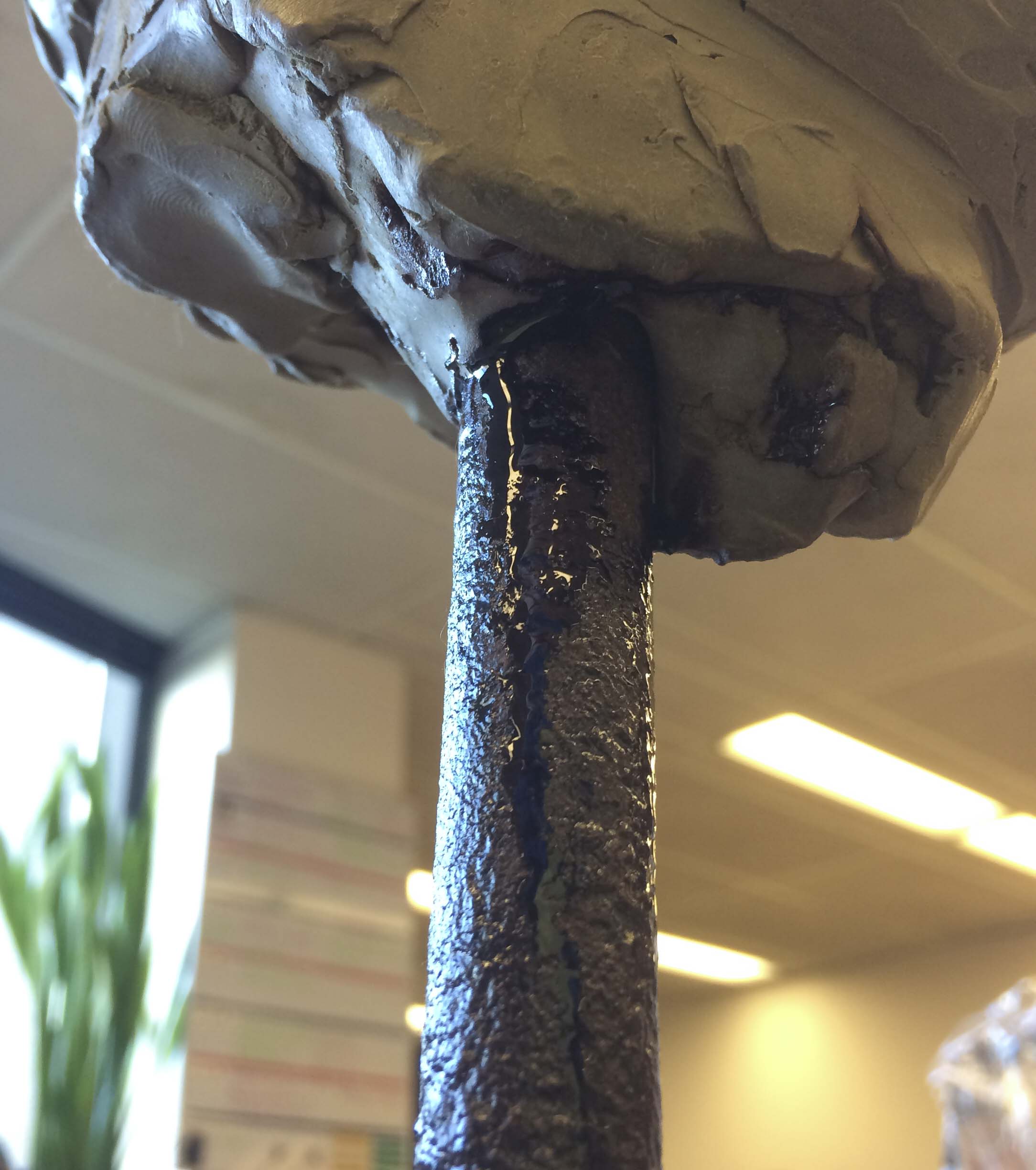
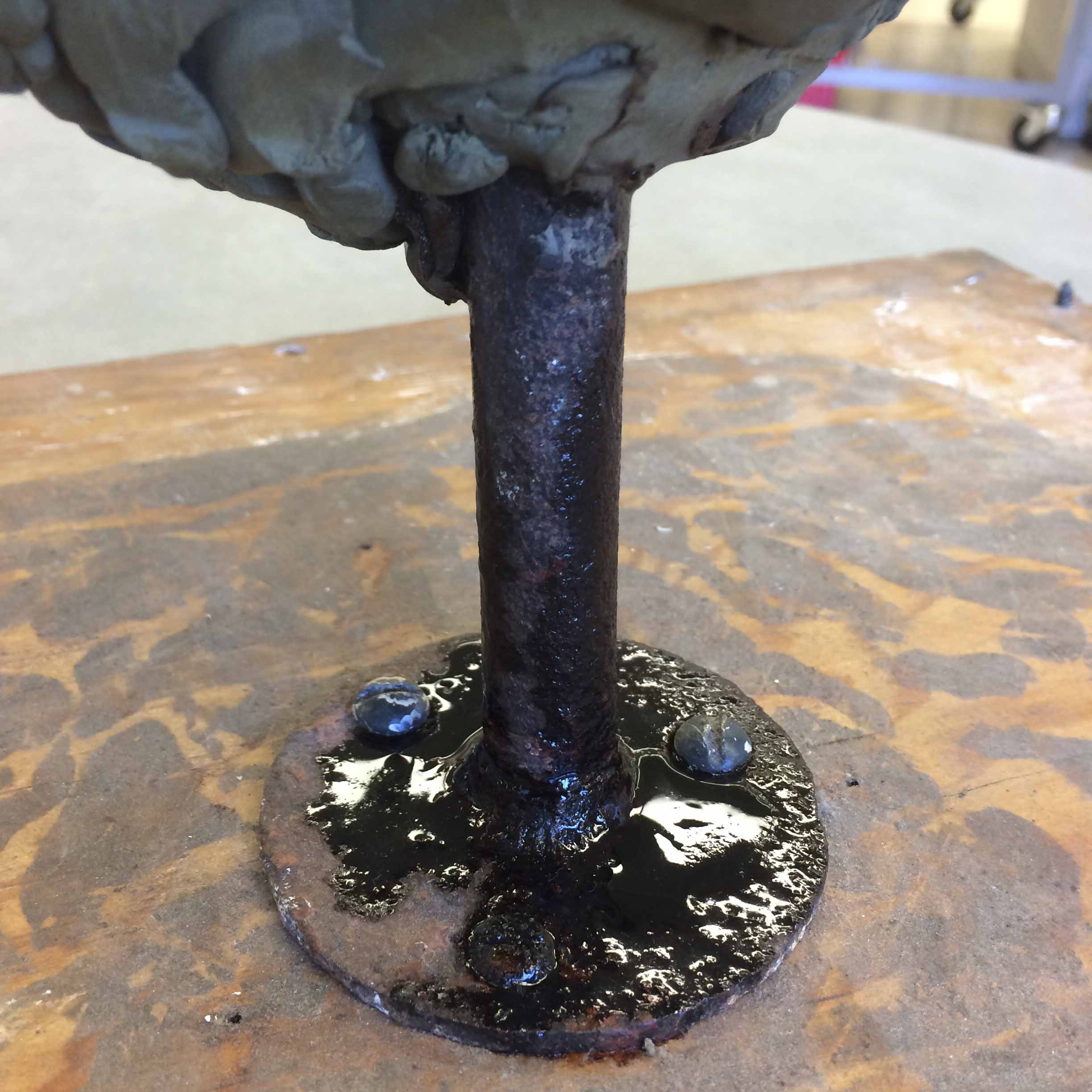
A reddish-orange, oily slime is oozing from the interior of the putty down to where the rod stand is secured into a wooden base.
Preliminary research indicates the head is sculpted from a material commonly referred to as plastiline, Apoxie or Milliput. Recipes of putties such as these are vast, but generally contain a filler, a wax, and an oily component such as castor oil or petroleum jelly. Fillers might include clay, starch, talcum or even sulfur depending on the proprietary or homemade concoction. By the 1990’s the negative effects of using sulfur would have been known, so it’s possible that the putty is sulfur-free; however, the possibility should not be discounted. According to plastiline research by Gerhard Eggert, located on the Museum of Fine Arts CAMEO website, putties containing sulfur were preferred by artists for their superior sculpting properties. Another likely alternative is that the putty is suffering from its own inherent vice. In other words, the weeping could be due to the putty’s unstable chemical composition that is leading to its own demise… not to mention off-gassing that might be corroding the metal below!
While the specific type of metal that the head is mounted on is currently a mystery, we do know it is ferrous. Using a magnet, I discovered the metal rod contains a magnetic pull, indicating it is at least partially comprised of iron.
Despite this research, there is one pressing questions left to answer:
Is the weeping due to an inherent vice of the putty alone… or is oozing liquid created by a unique chemical reaction resulting from contact between the putty and the metal rod?
The answer to this question will help us to determine whether a barrier between the two materials might help prevent weeping in the future.
In order create a more informed treatment proposal, more research and analytical testing will need to be conducted in order to better understand what is leading to this mysterious preservation horror. Since this project ranges out of scope for the Preservation Lab, the expertise of an Objects Conservator will be sought!
Happy Halloween!
Ashleigh Schieszer (PLCH) – Book & Paper Conservator
Resources and Further Research:
http://magazine.uc.edu/issues/0413/taft_influence.html
http://libapps.libraries.uc.edu/sites/lookingeast/taft-and-uc/
https://sites.google.com/site/ucwalks/points-of-interest/william-howard-taft
http://cameo.mfa.org/images/c/c8/Download_file_542.pdf
http://resources.conservation-us.org/wp-content/uploads/sites/8/2015/02/osg019-05.pdf
http://resources.conservation-us.org/wp-content/uploads/sites/8/2015/03/osg020-01.pdf
http://americanhistory.si.edu/blog/2011/06/what-do-julia-childs-spatulas-say-about-preservation.html
Slipcase Race
One of the Lab’s big projects recently has been to help the University of Cincinnati’s Classics Library with preparations for a move of a large section of their collection’s rare books. Moves like this are a great opportunity to assess the condition of a collection, and to provide enclosures for more vulnerable materials so they are protected in transit and beyond. In this particular case the Librarian also requested the lab maintain visibility of the original books as much as possible.
There are quite a few vellum books in the Classics Library collection. Vellum bindings are generally pretty sturdy, but may become brittle over time. They can also expand and contract quite a bit more than other types of bindings, depending on the relative humidity where they are stored. The Image Permanence Institute at the Rochester Institute of Technology has a fun time-lapse video demonstrating this effect – the book looks as if it’s haunted! Given time this expansion and contraction can cause distortion.
Hard-sided slipcases do make it possible to protect most of a book while keeping its spine decoration and information visible, but they are not generally a preservation go-to. They can abrade the edges and covers when pulling the book in and out, and they don’t usually hold up over time because it can be difficult to insert fingers around the book to pull it out if the case is tight, resulting in a broken box or, alternatively, damaged endcaps.
A soft-sided slipcase can work well for vellum-bound books. The vellum is smooth, so abrasion is not a concern. The flexible sides give a little when reaching fingers in to remove a book, so the box won’t eventually fail and there is no need to grab the book from its endcap, damaging it. The cloth allows the book to breathe and flex somewhat, while at the same time preventing it from expanding too far at the fore edge, and squeezing its neighbors.
With a deadline looming we needed to figure out a way to produce soft-sided slipcases quickly and easily. Our solution was to create a template in an Excel spreadsheet, allowing us to simply plug in the book’s measurements and know exactly what size to cut the cloth and where the creases need to be, without needing to have the book handy.
We measured several books where they were, then took the measurements back to the Lab, where we used the spreadsheet to make a handful of slipcases. I was holding my breath when the time came to unite them with their books. Much to my relief they fit perfectly!
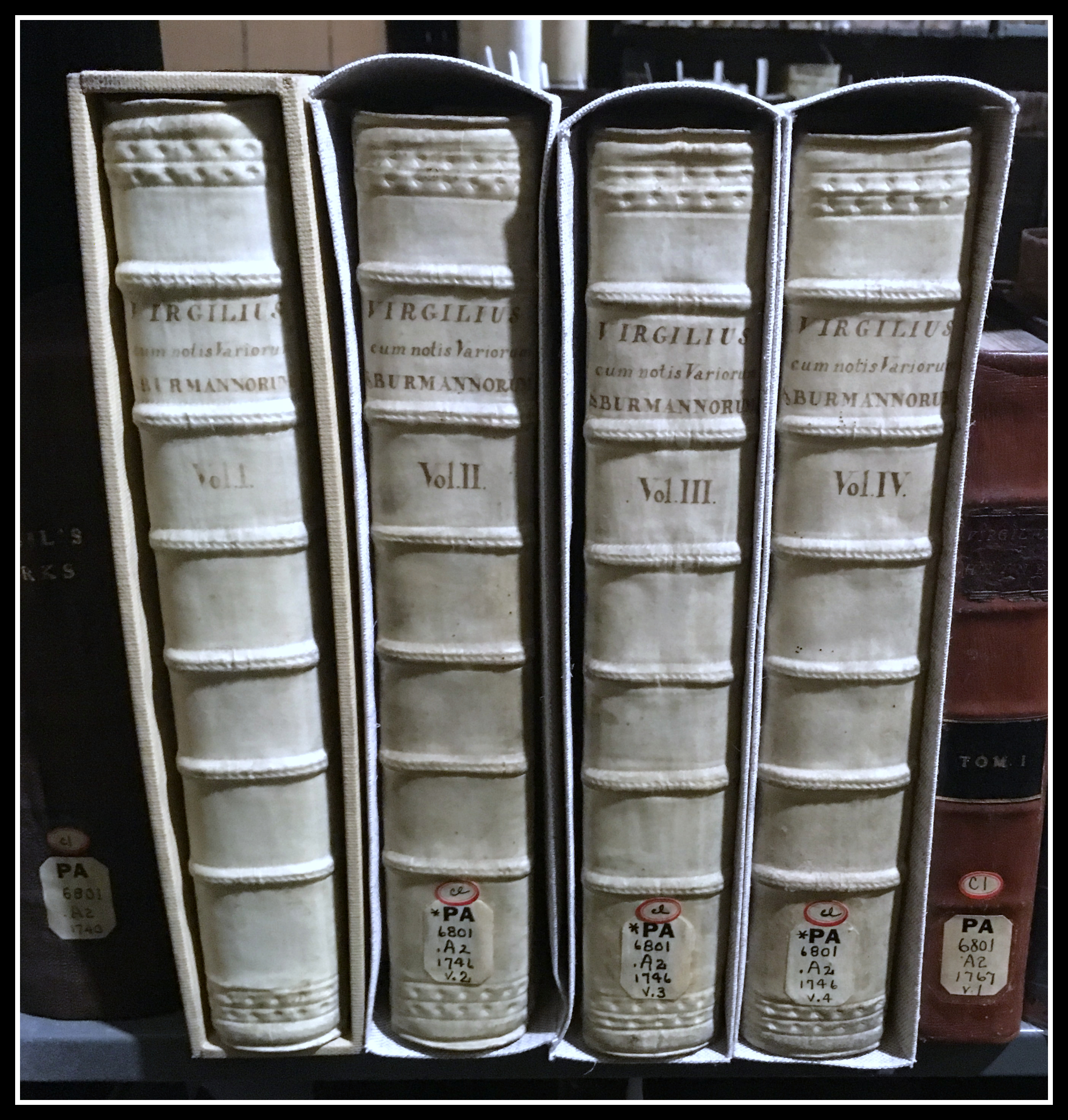
Check out this picture showing 4 vellum books – the one on the left was already housed in a hard-sided, cloth-covered, board slipcase, while the 3 on the right are in the brand new soft-sided cloth slipcases. The books are protected, but the spines are still visible. Win, win.
Now that we know it works it’s time to go ahead and make the rest of them!
We’d like to share the Excel spreadsheet used to create these slipcases – Soft-Sided_Slipcase_template. Try it out and let us know what you think!
Veronica Sorcher (PLCH) – Conservation Technician
NEW! Preservation Lab Channel on UCL MediaSpace
The Preservation Lab now has its own channel on the UC Libraries MediaSpace, a YouTube-like media platform powered by Kaltura! You can find the Lab’s channel, here.
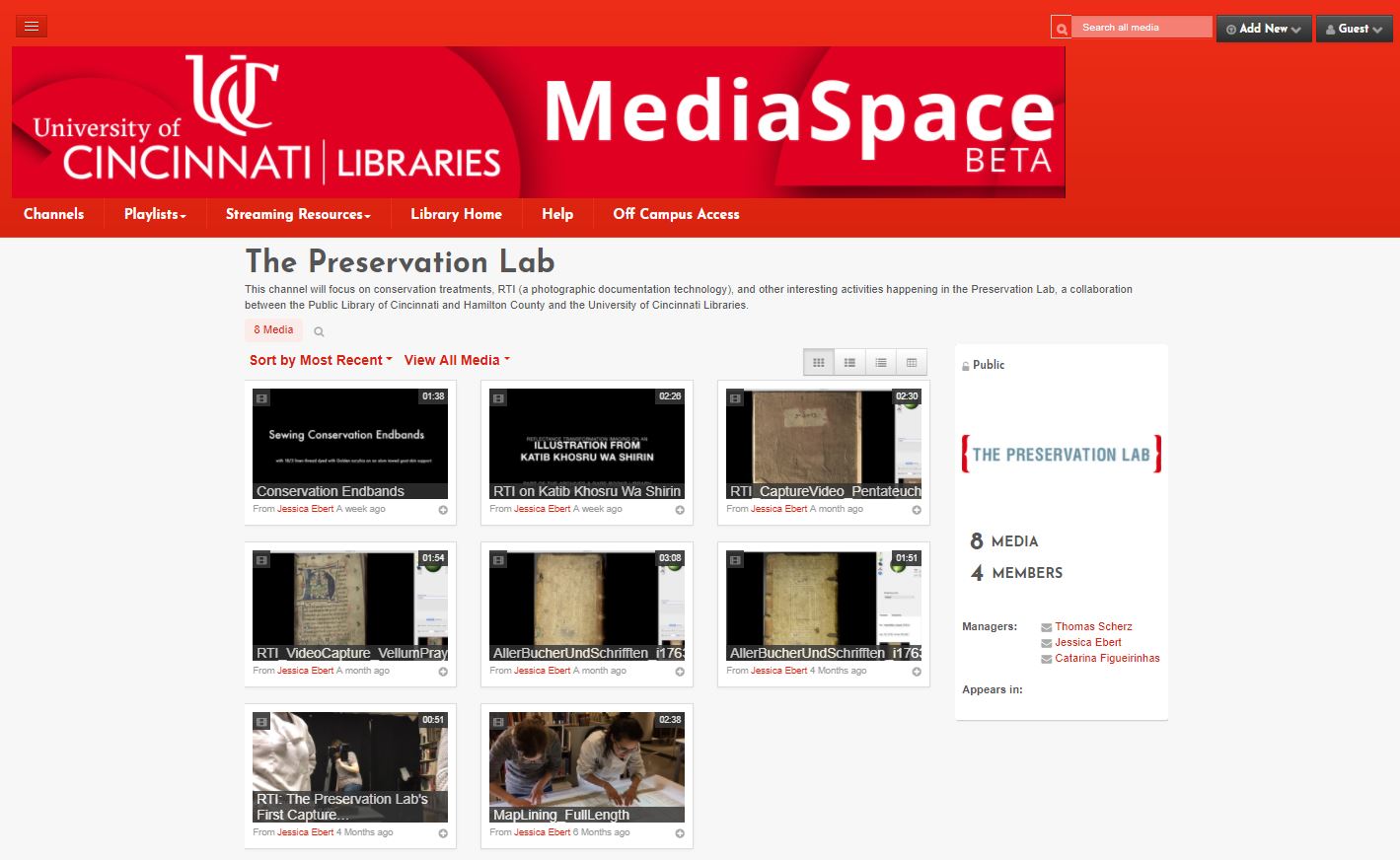
We currently have 8 videos on the MediaSpace, most of which relate to RTI. But I recently created this fun little time-lapse video of sewing conservation endbands on a Classics collection item. (If you enjoy twangy bluegrass music, then make sure to turn your volume up!)
Stay tuned for future videos from the Lab!
Jessica Ebert (UCL) – Conservation Technician
The Codex Symposium
On August 4th, the Ohio Preservation Council hosted a full day symposium in celebration of the book, The Codex: History, Art, and Practice. The lab shut down for the day so that staff could attend this great event.
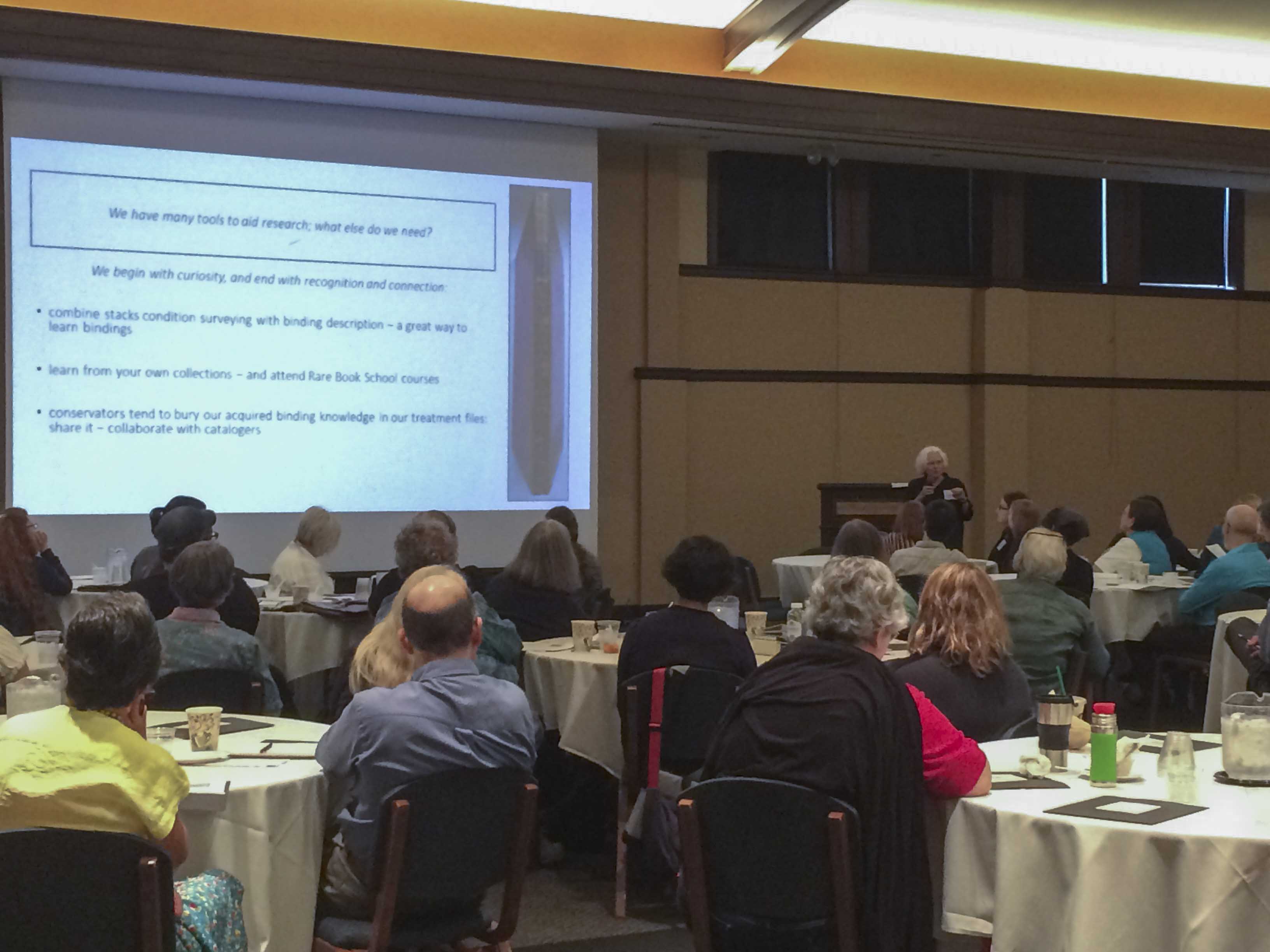
Keynote speaker, Julia Miller
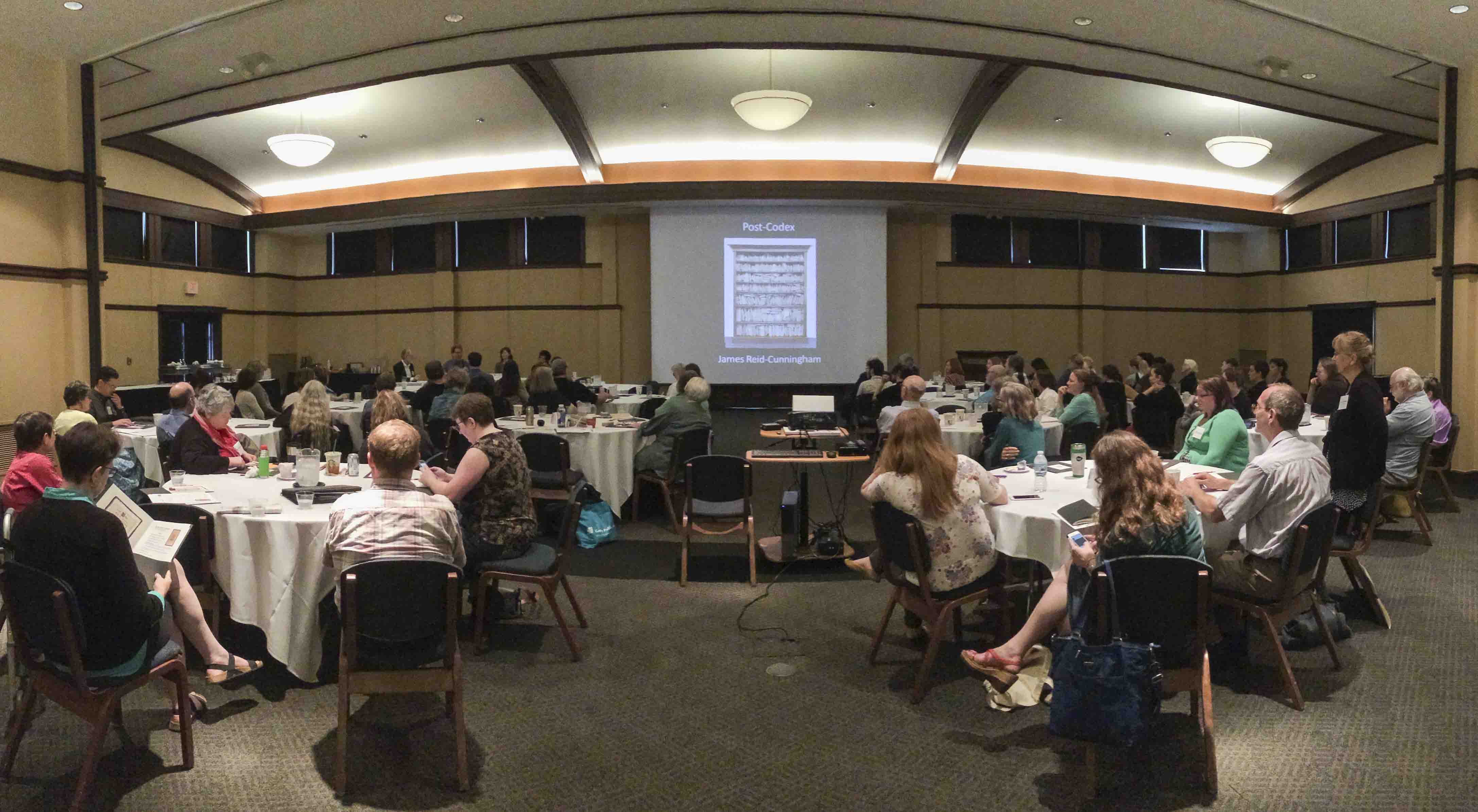
Panelists James Reid-Cunningham, Macy Chadwick, and Bonnie Mak discuss the idea of a post-codex at the Jessing Center in Columbus.
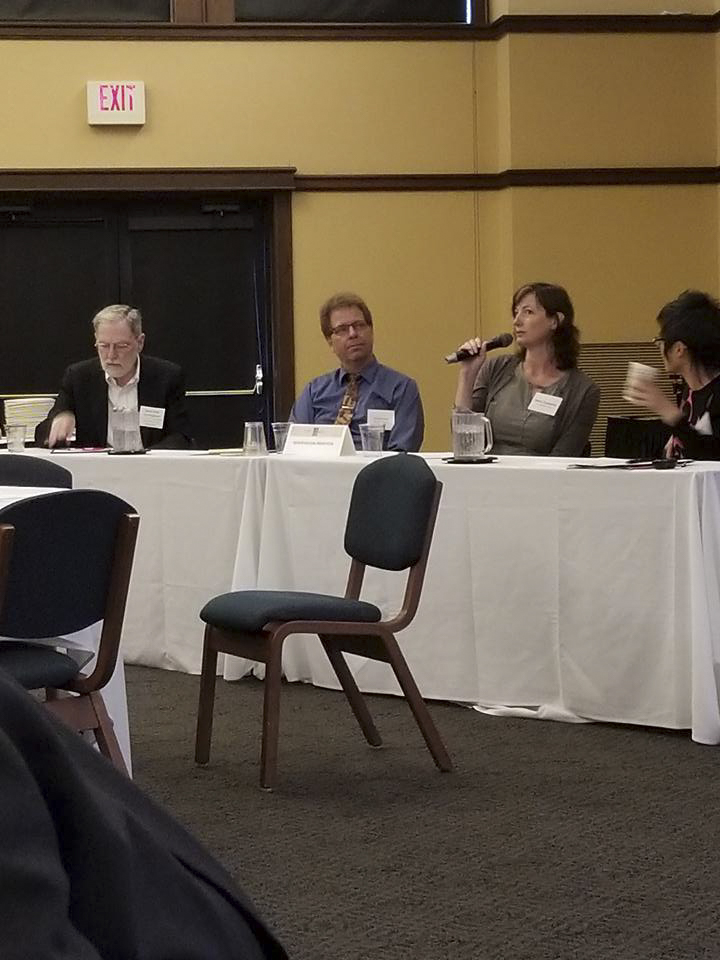
Panelists James Reid-Cunningham, Macy Chadwick, and Bonnie Mak discuss the idea of a post-codex, with moderator Ed Vermue.
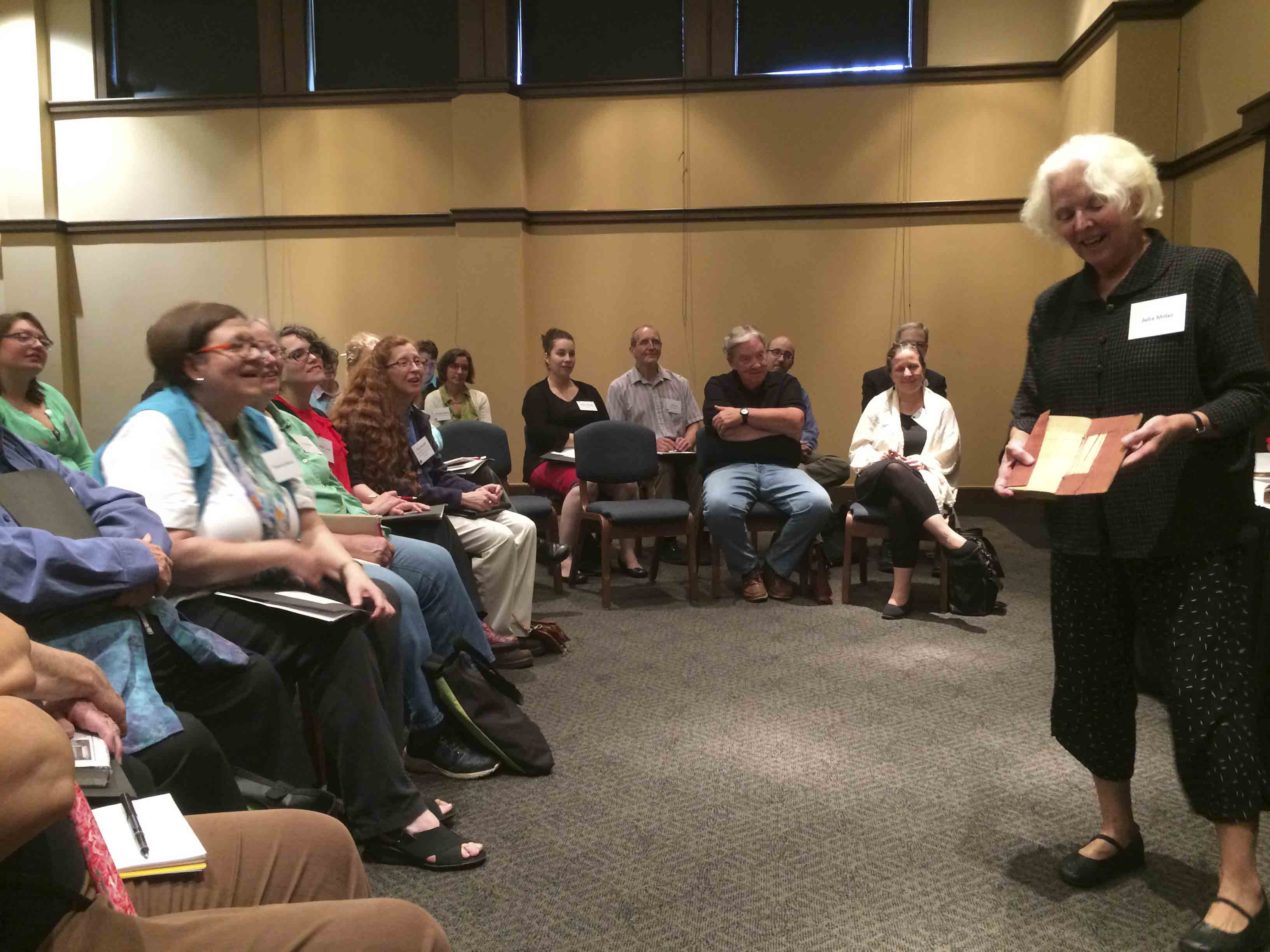
Julia Miller shows off historical examples of various codices.
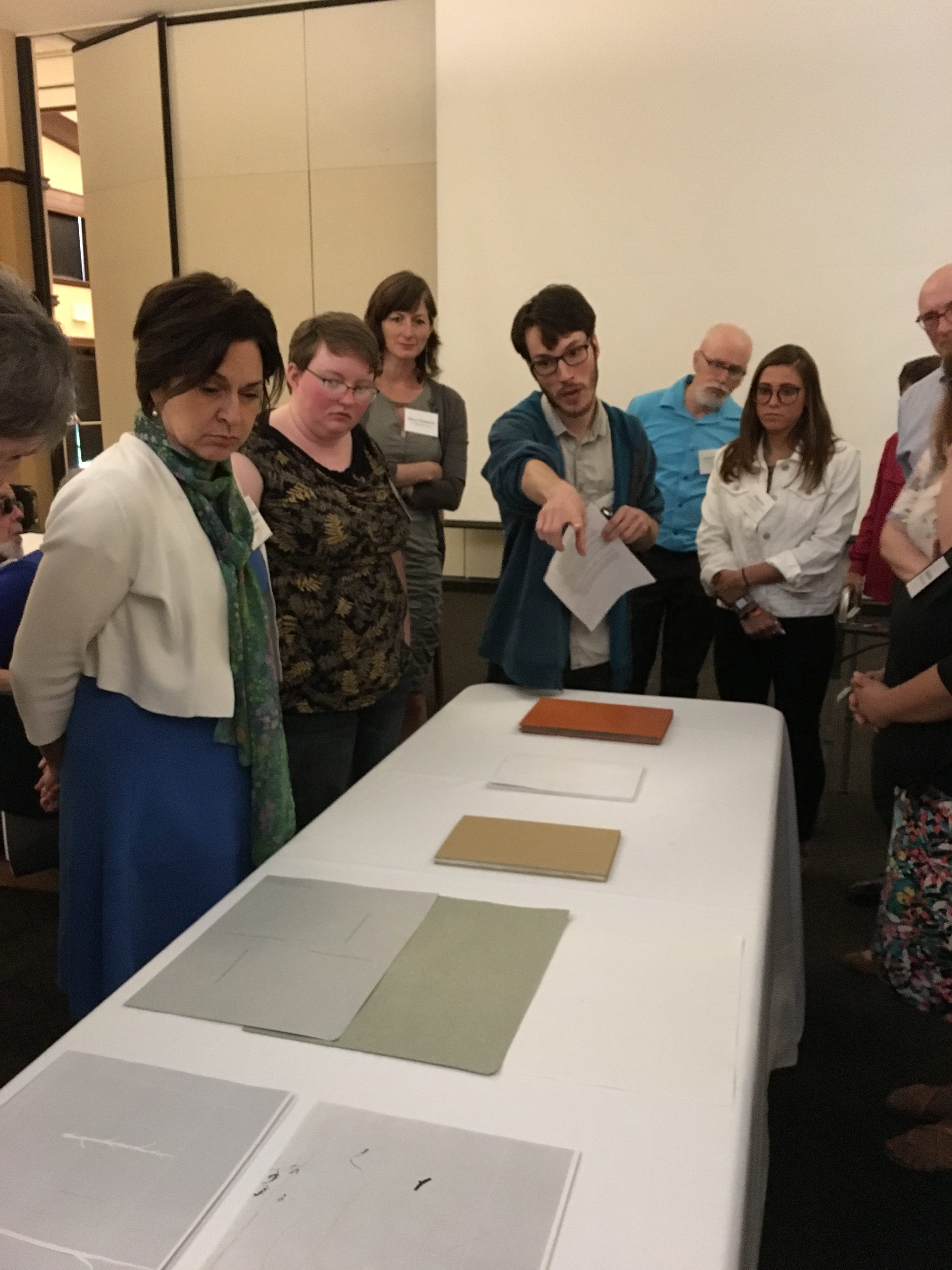
Kyle Holland from the Morgan Art of Papermaking Conservatory and Educational Foundation discusses his project that’s been years in the making.
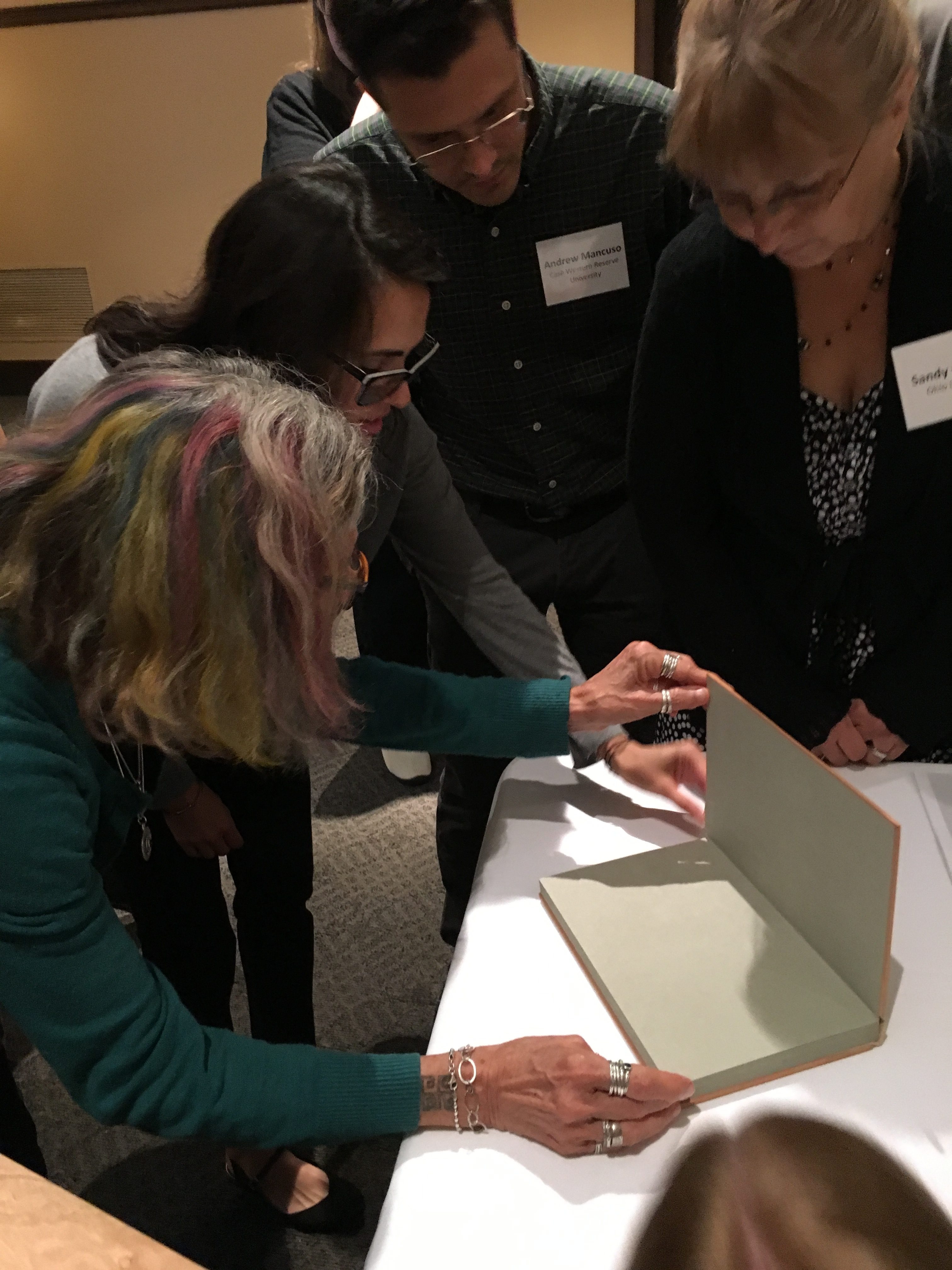
Symposium attendees admire Kyle’s finished product.
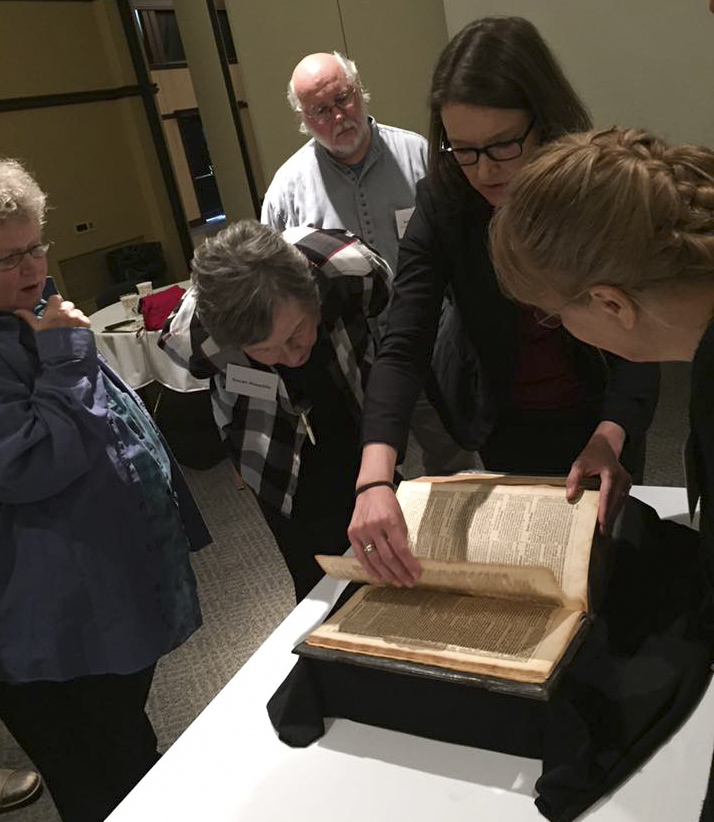
Carrie Phillips, archives and special collections librarian from Bluffton University, shares one of the most significant codices to be produced in pre-revolutionary America.
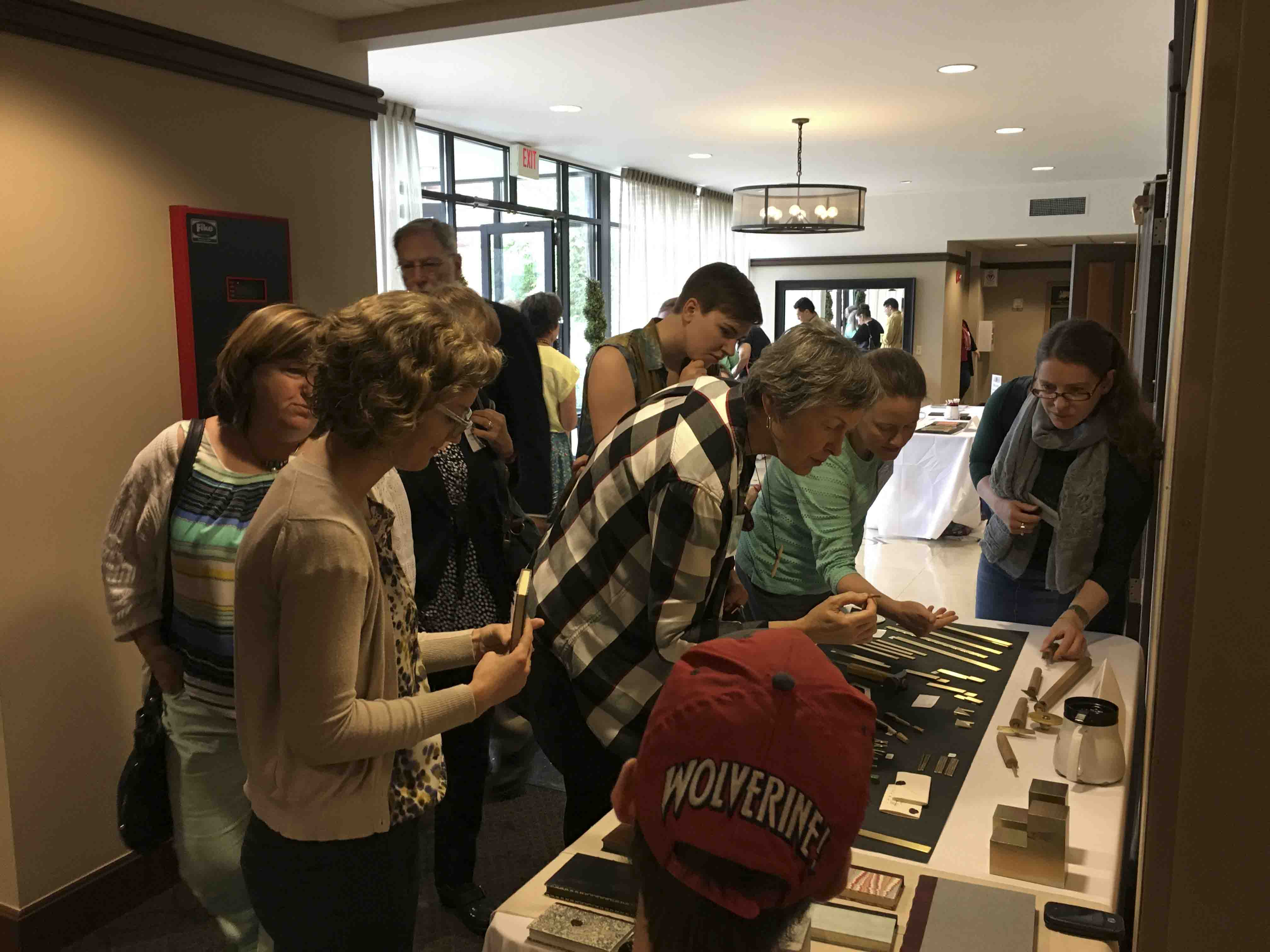
Attendees peruse vendor goods during one of the breaks.
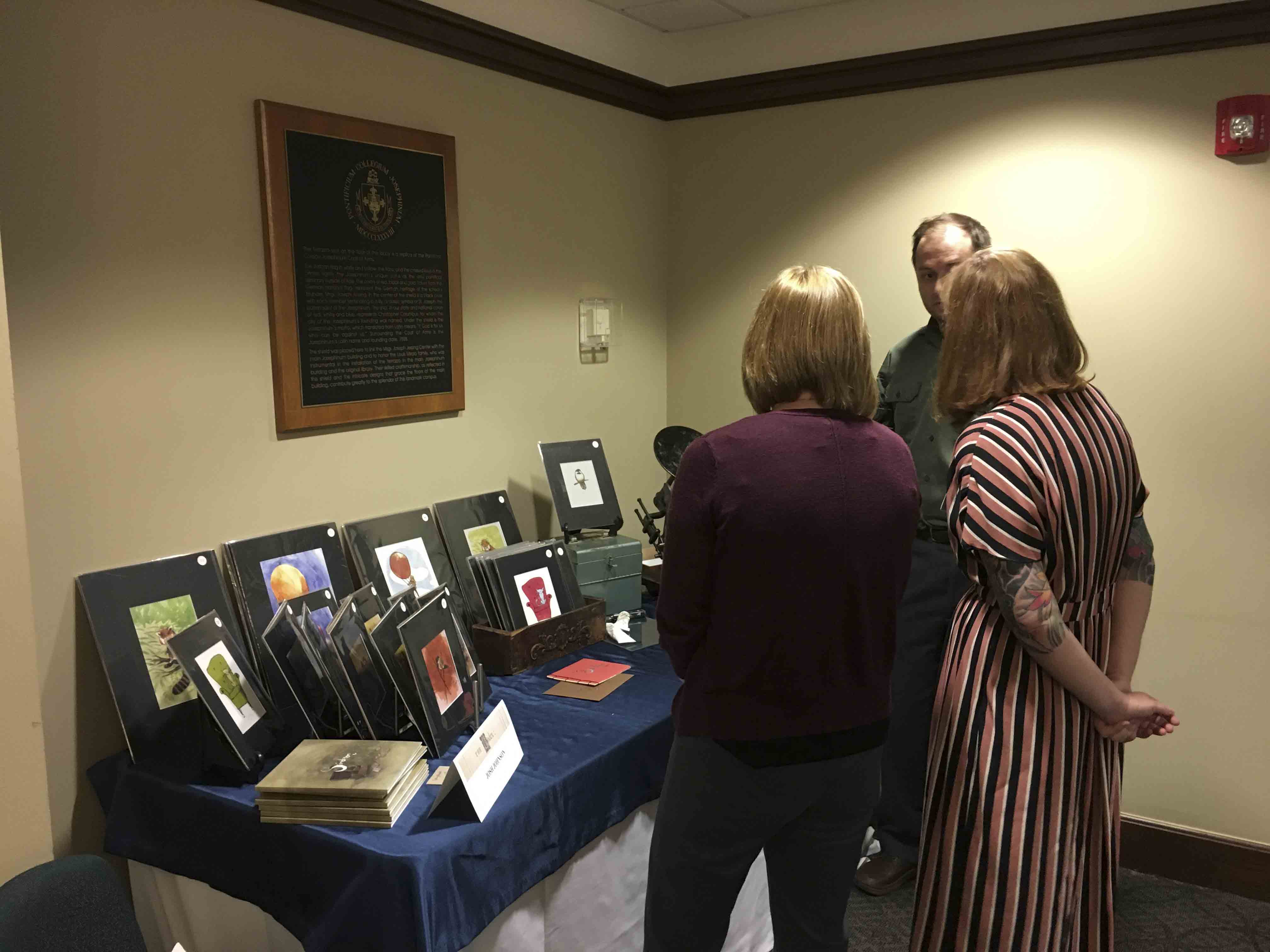
Attendees peruse vendor goods during one of the breaks.
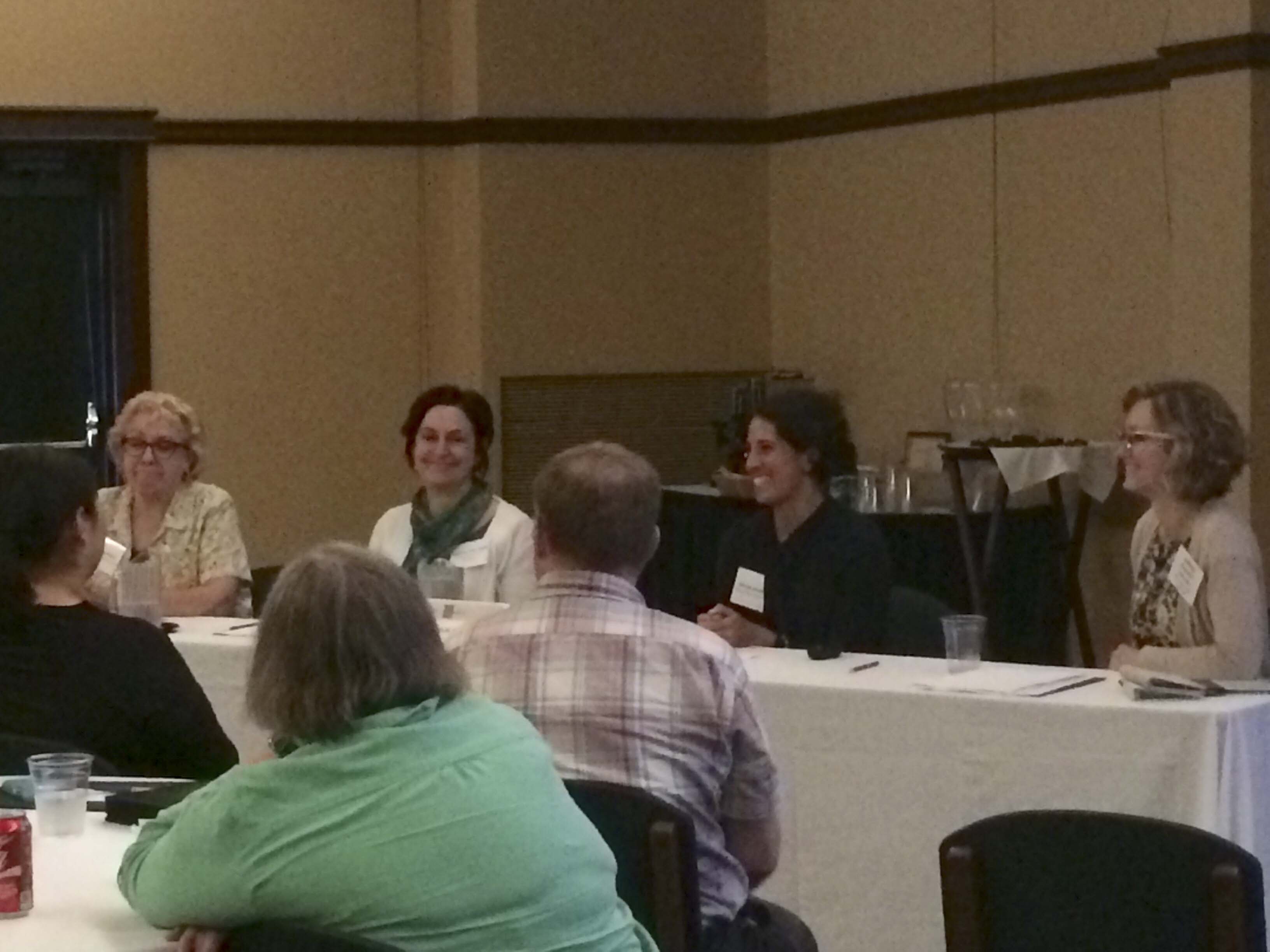
Conservators Jayme Jamison and Ashleigh Ferguson Schieszer discuss two Ohio Public Library conservation treatments performed on scrapbooks significant to the collection/the community.
Many thanks to all the wonderful guest speakers, exhibitors, and fellow Ohio Preservation Council members for a wonderful day dedicated to celebrating the history of the book!
Ashleigh Schieszer (PLCH) – Book & Paper Conservator
Jessica Ebert (UCL) – Conservation Technician
Basement Finds
We follow that old rule of conservation labs always being in the basement (though we do have a window!). Well, technically we’re not actually in the basement. While our lab space was originally storage space when the library was built, there is actually another storage space below us, i.e. the real basement. Or, more accurately, the deep, dark void full of stuff…random chairs, pieces of shelving units, leftover carpet tiles, etc. Recently we heard a lot of activity going on down there and when Holly made a little trip down to check out our PackTite she found the space completely different. Dare I say, verging on organized. And front and center was this little gem with a thick layer of dust on it…
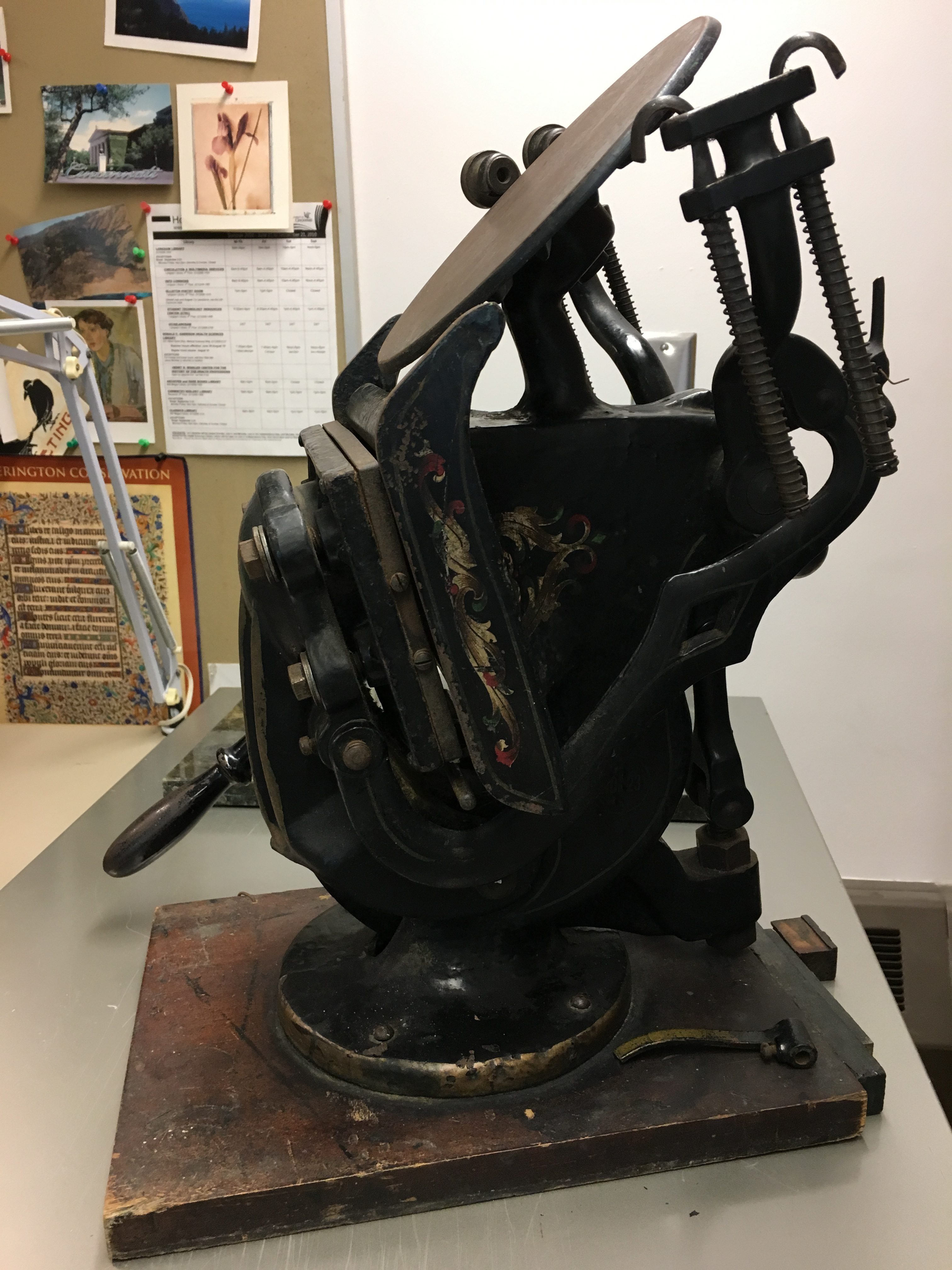
A little letterpress printing press!
Needless to say, Holly scooped that puppy up and whisked it away to the lab (and then promptly called our facilities manager to make sure that was ok)! We have every intention of fixing this beauty up and doing some very fun and exciting things with it in the future. So stay tuned!
Jessica Ebert (UCL) – Conservation Technician