Tag Archives: Preservation Week

A Long Journey of Model Making – The Nag Hammadi Codices

A Long Journey of Model Making – The Nag Hammadi Codices
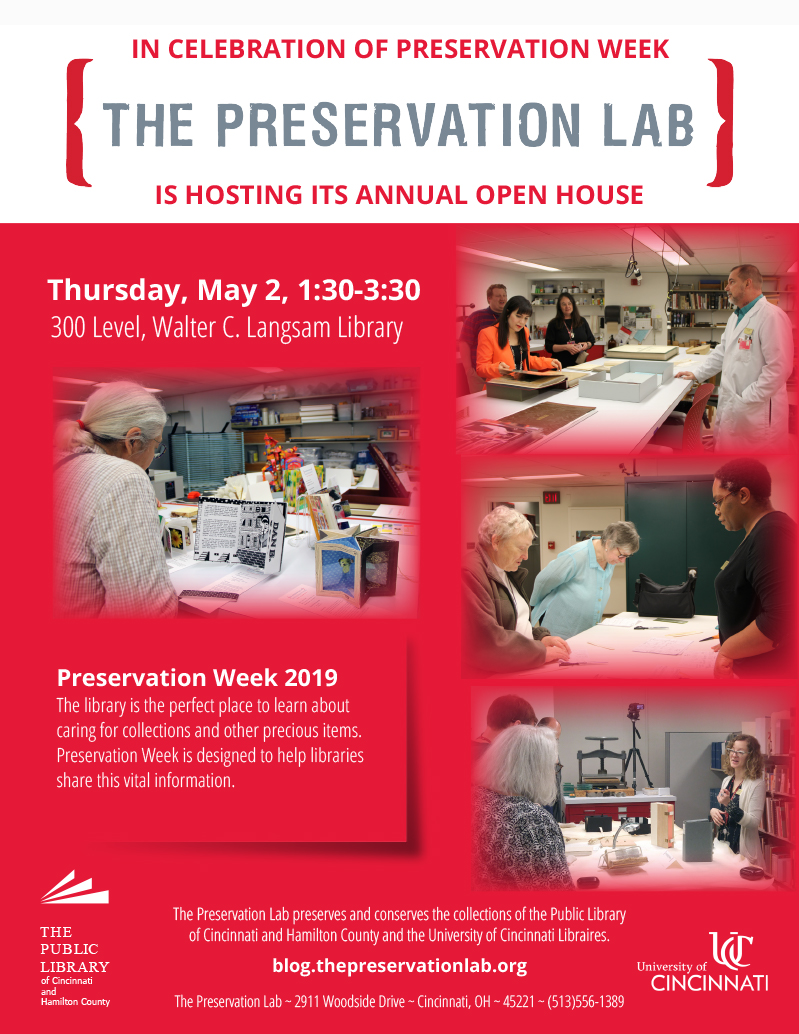
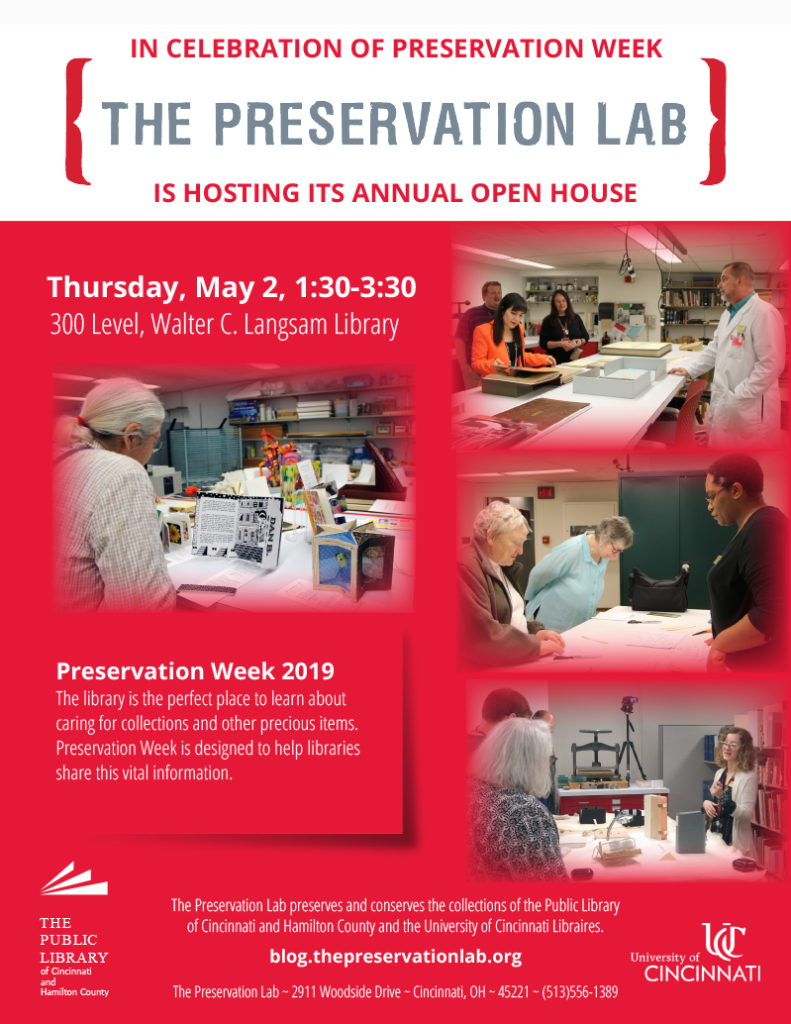
Preservation Lab Open House 2019 flyer

Each year, the Preservation Lab hosts an annual open house during ALA’s Preservation Week, inviting the entire community to visit the Lab and tour our facilities. Each Preservation Week we choose a theme and dedicate our annual open house to that theme. For instance, last year was dedicated to the history of the codex, where the community was able to discover and explore hands-on the evolution and history of the codex, through various book models created by the Preservation Lab staff. This was a great opportunity to share, with the public, the importance of the materiality of the book and how we can use primary resources as teaching tools.   

The history of the codex is a subject that I am deeply interested and has led me to meet and learn from great scholars such as Julia Miller, an expert in early book forms. As a result, I have been developing my own research skills, learning more about the history of the codex, creating historical book models, and sharing this knowledge with my colleagues and with different communities through opportunities such as Preservation Week. 
A Long Journey of Model Making – The Nag Hammadi Codices
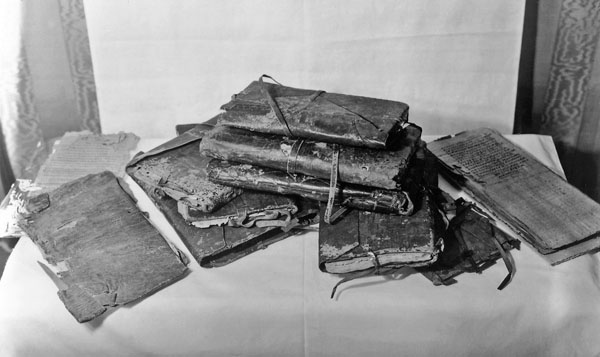
One of the most famous pictures of the Nag Hammadi Codices. Image retrieved from https://www.biblicalarchaeology.org/daily/biblical-artifacts/the-nag-hammadi-codices/

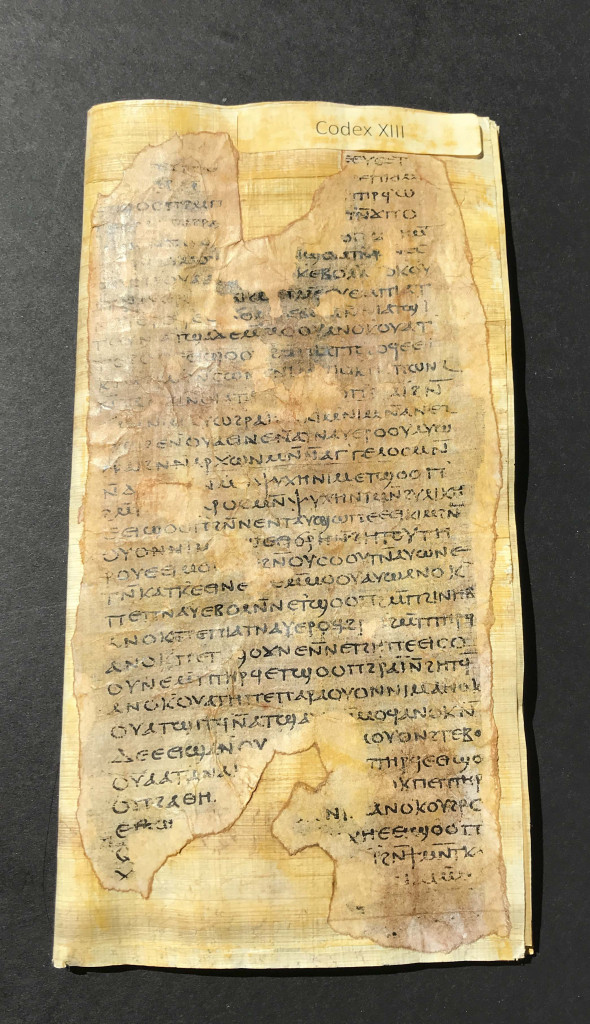
My interest in the history of the codex has led to a fascination for the Nag Hammadi Codices (NHC), also known as Gnostic Gospels. The Nag Hammadi Codices were discovered in 1945 in Upper Egyptian town of Nag Hammadi. The Nag Hammadi Codices appear to have been written during the fourth century. These codices are among some of the oldest codices to have survived with their bindings still intact. There were thirteen codices found, but only eleven bindings have survived. At the time of the discovery eleven covers were found with their texts, text fragments of a twelfth codex, and one text unbound (Codex XIII – tractate (treatise))1.The codices were leather bound with Coptic text written on papyrus sheets. The writings in these codices include fifty-two mostly Gnostic treatises, but they also include other works, such as the Corpus Hermeticum.  

This discovery was extremely important, since there were many texts within the Nag Hammadi Codices that were not known elsewhere at the time. For instance, one of the most famous writings is the Gospel of Thomas which is only complete in the Nag Hammadi Codices2. This was an incredible discovery not only in the world of paleography, religion but also codicology.  

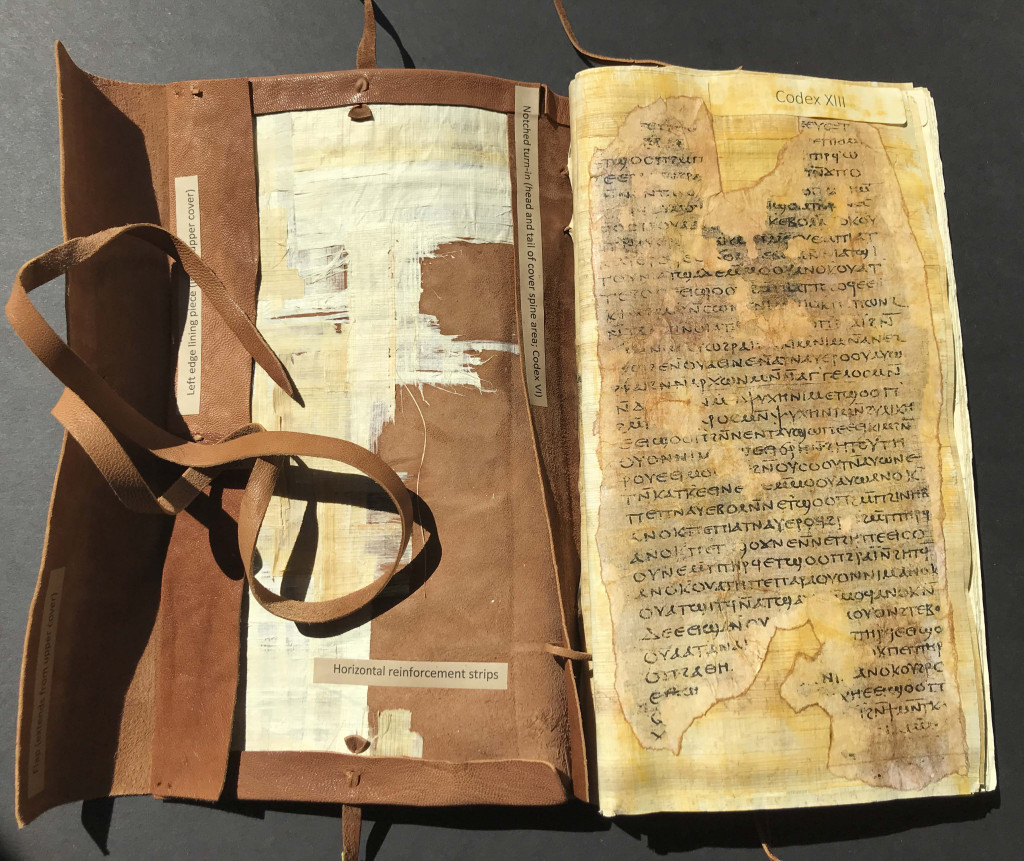
Because of my fascination with the Nag Hammadi Codices, I decided to dedicate some time to creating my own Nag Hammadi models over the years; creating to-scale the eleven bindings found in 1945.  

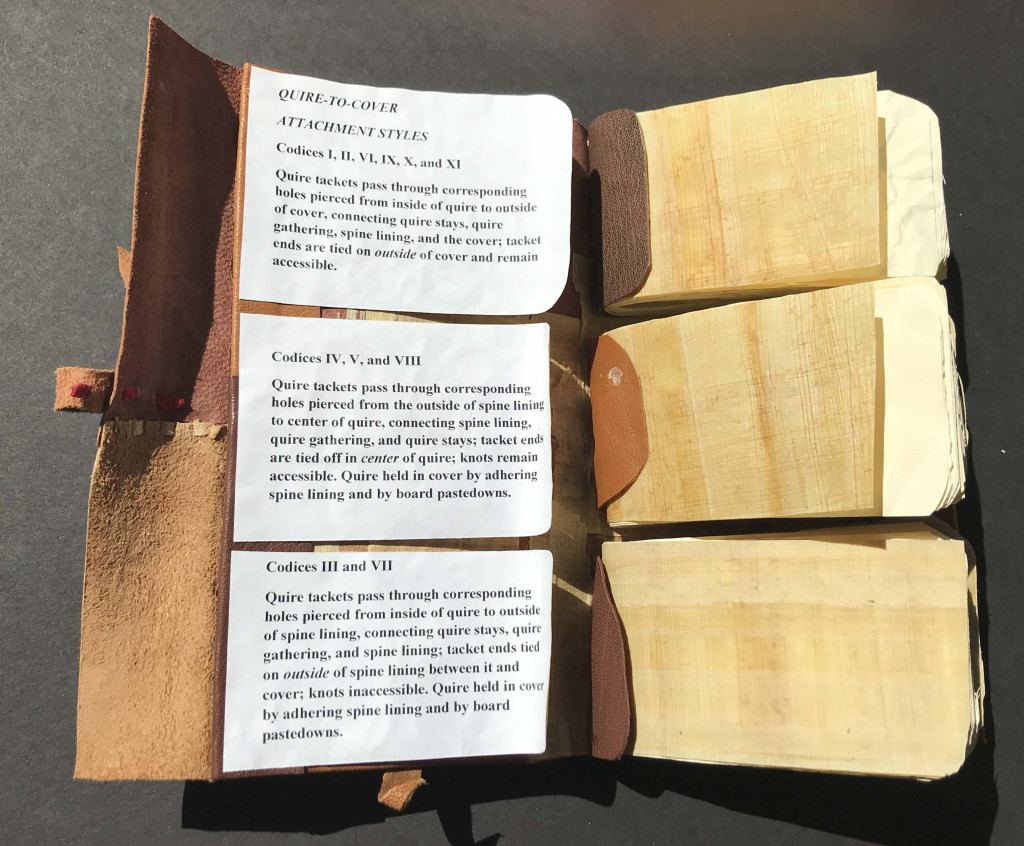
There are many reasons one chooses to make a model of a book structure, to learn its unique features, how the different materials work together, among others. In my case, I wanted to understand the differences between each of the covers, what features made each cover unique and not exactly the same as the others, and the differences between cover and quire attachment, as well as why some of the codices were more elaborate than others, with cover decoration and blind tooling. This has not been an easy task and has become much longer journey than expected. The tremendous research conducted by scholars and researchers over the years on the study of these texts within the Nag Hammadi Codices, as well as the bindings itself, has helped a great deal in my task of model making. I still have so much more to learn.

The long journey of model making 

I should start by saying that over the years, Julia Miller has been a great mentor to me; providing resources, guidance and advice throughout my endeavors to complete my full set of the NHC models.  
A Long Journey of Model Making – The Nag Hammadi Codices
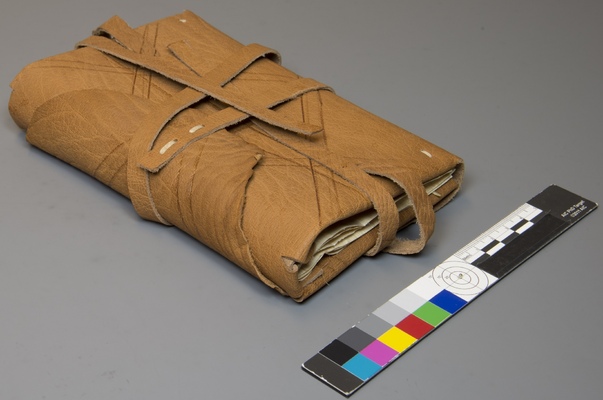
My first NHC model with its many mistakes, such as parchment tackets (not found in any NHC).

My first attempt to create a Nag Hammadi Codex (NHC) model was back in 2013. I started by reading The Archaeology of Medieval Bookbinding by J.A. Szirmai, where the NHC are explored in the first chapters related to single-quire codices. I also based my initial model from one created by the Lab’s conservator, Ashleigh Schieszer. At that time, I knew little about the unique features of each Nag Hammadi Codex and their bindings.

In 2017, I was able to attend a week-long course at the American Academy of Bookbinding (AAB) on early book forms with the conservator and researcher, Julia Miller. It was at the AAB that my interest for these historical structures solidified and where I learned a lot more about early codex forms. It was also in this workshop that I learn about the mistakes I had made with my first NHC model. This only deepened my interest and conviction that I had to make my own set of NHC to understand how these early codices were made.  
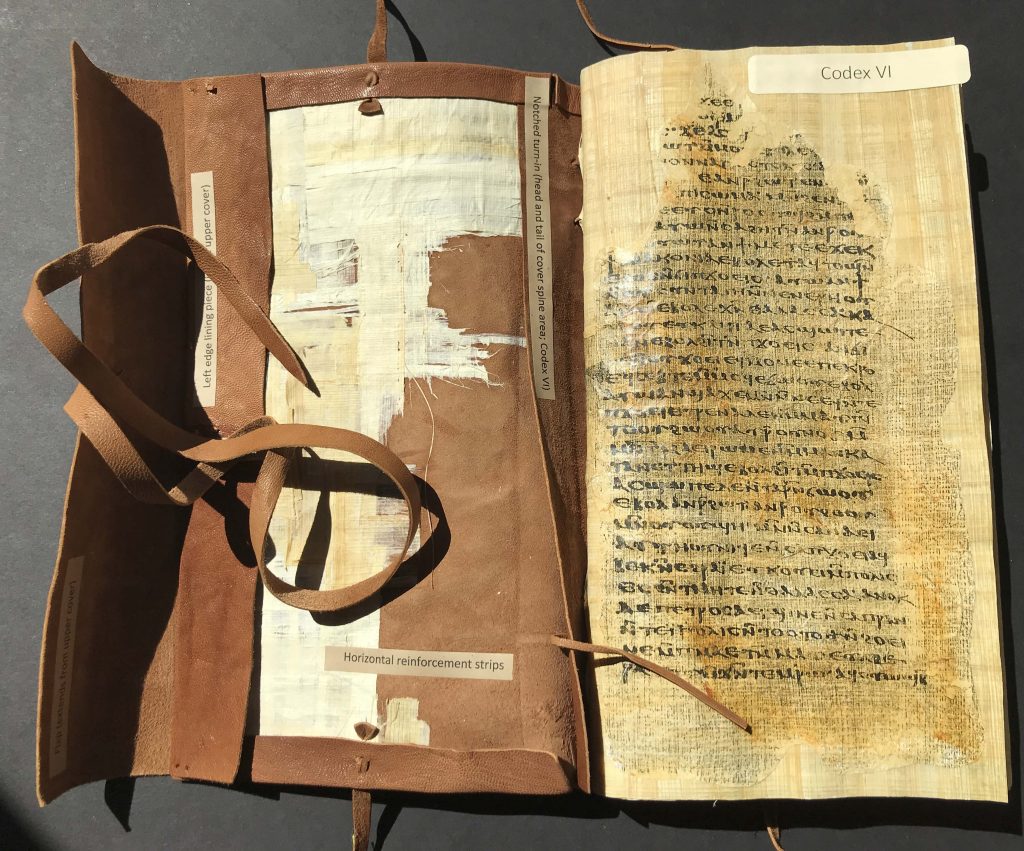
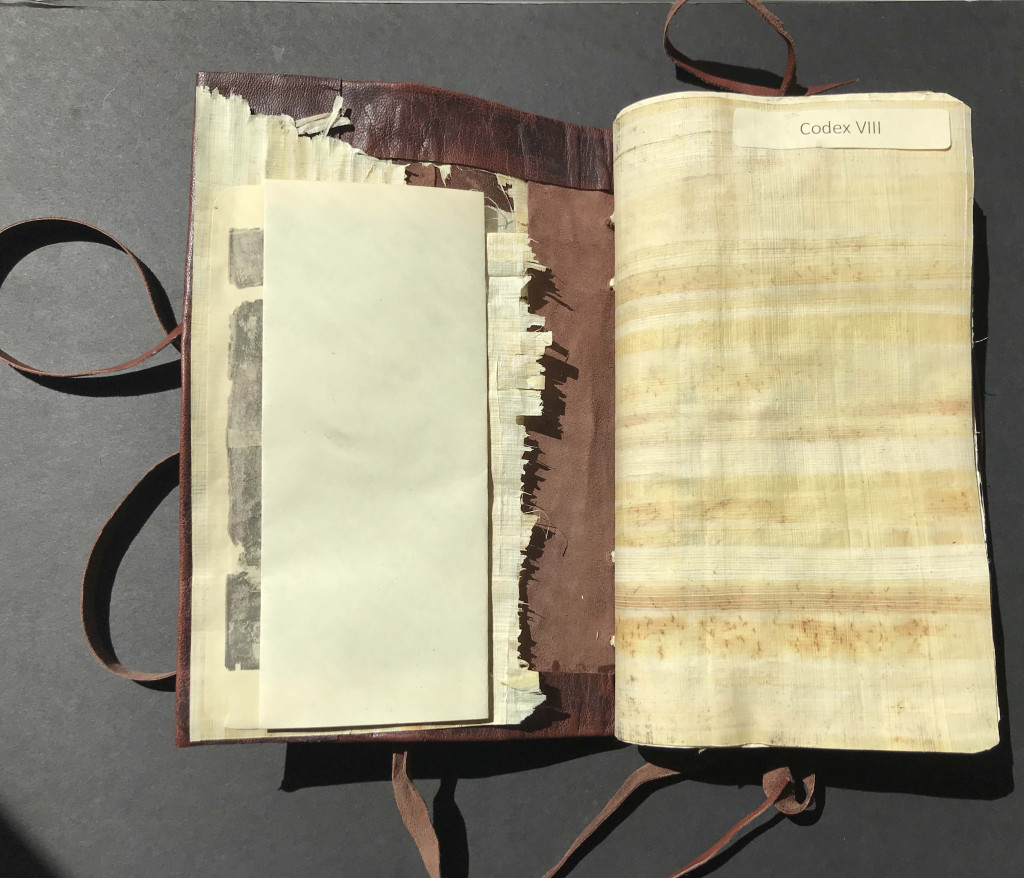
I would come to learn from Julia Miller again when I attended a weekend workshop at the Morgan Conservatory. During this weekend workshop, I created my first full-scale Nag Hammadi Codex VI model. In addition, as a side project I was able to create a small version of Nag Hammadi Codex VIII. This was a great opportunity to learn about each codex and their unique binding and quire attachment features.  With the full-scale model of Codex VI, I was on the right path to continue with my other full-scale models.  
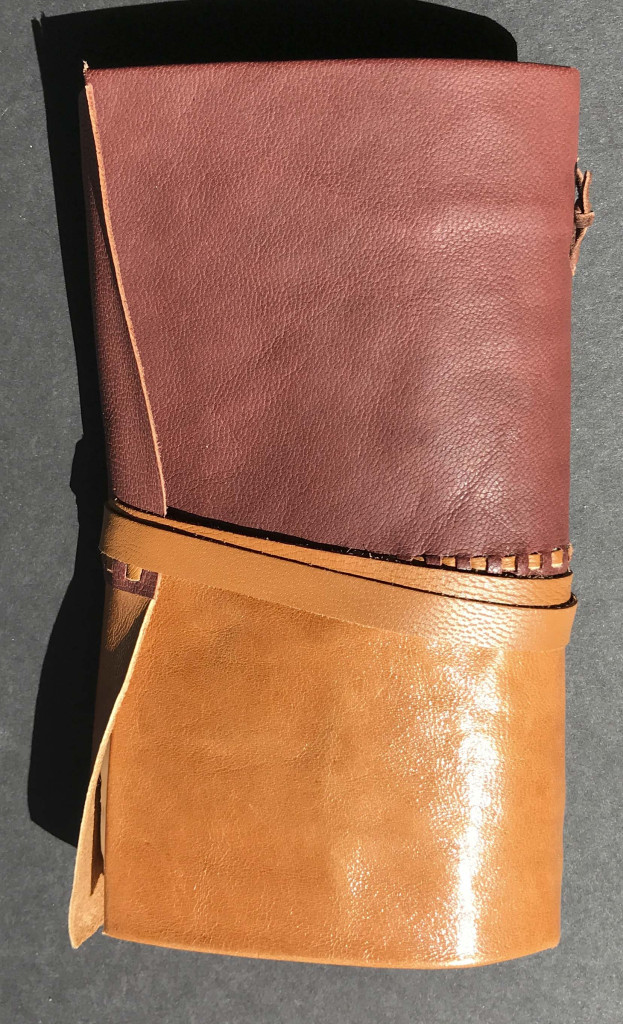
Two resources that have been extremely helpful in creating the full-scale models are the Meeting by Accident, by Julia Miller, where there is a dedicated chapter on the Nag Hammadi Codices with full descriptions, measurements and pictures of each codex; and The facsimile edition of the Nag Hammadi codices by James M. Robinson. At times I became lost reading Robinson’s description of the measurements of each codex cover, and other features as it is all written in a continuous text. Luckily, Julia Miller’s book has each description organized, which makes the task of taking notes and model making a lot simpler.  

Another resource that has helped me immensely in this process was studying Julia’s own set of NHC models and paper templates. Seeing Julia’s physical models provided me further insights into visualizing and understanding the descriptions within her book and Robinson’s descriptions.  

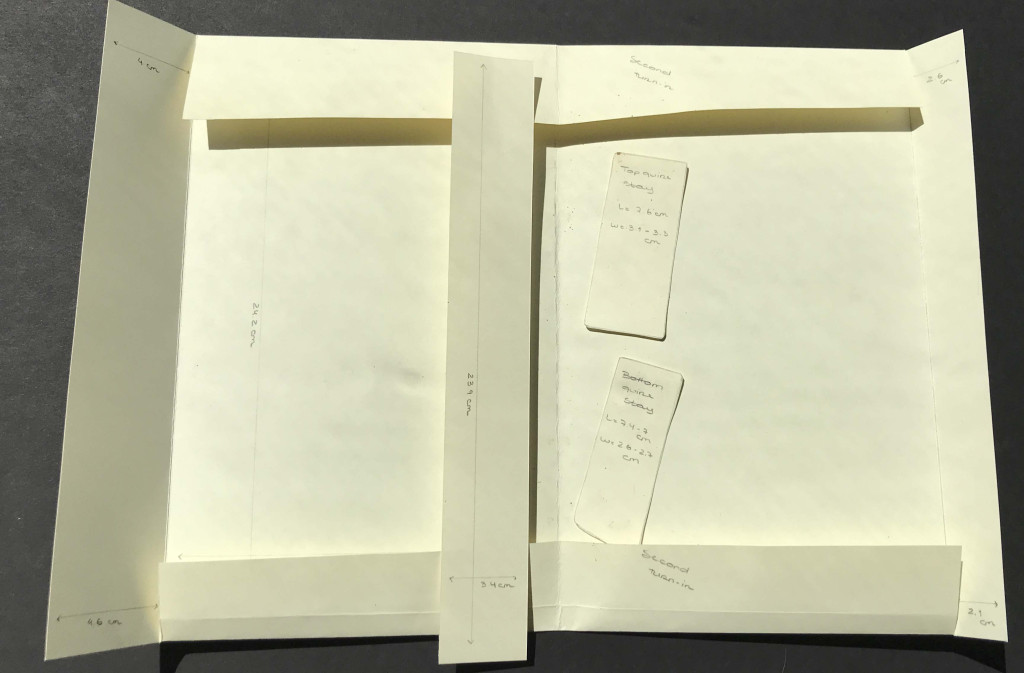
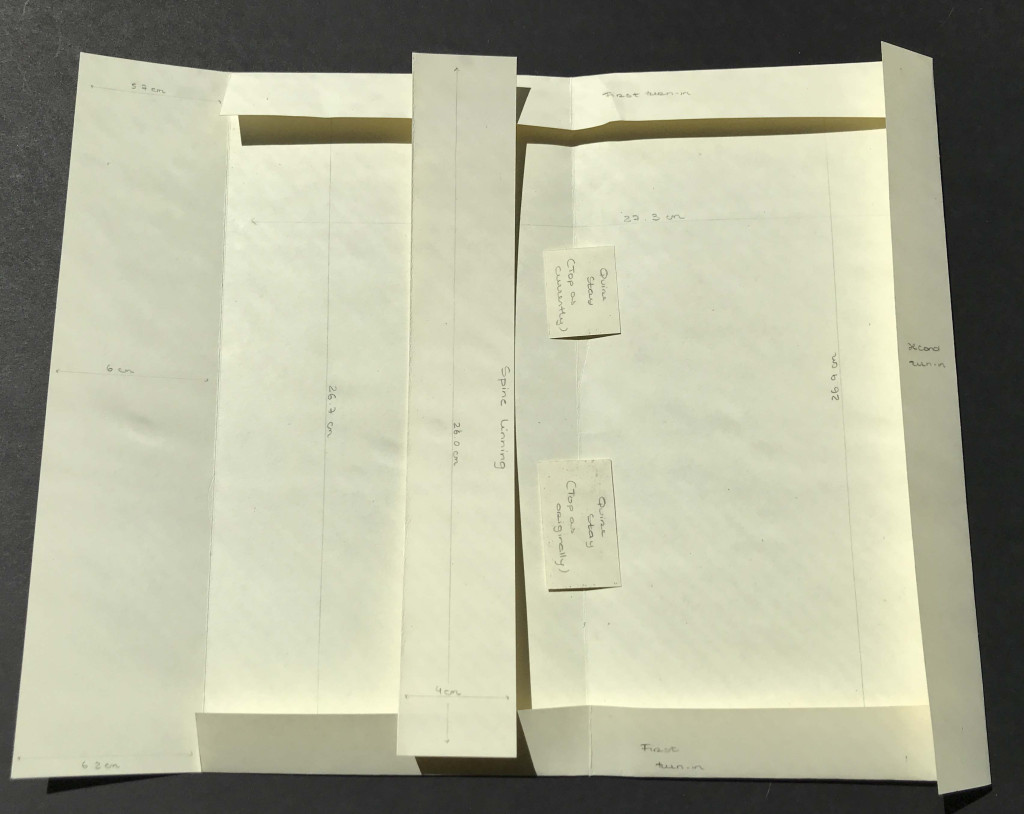
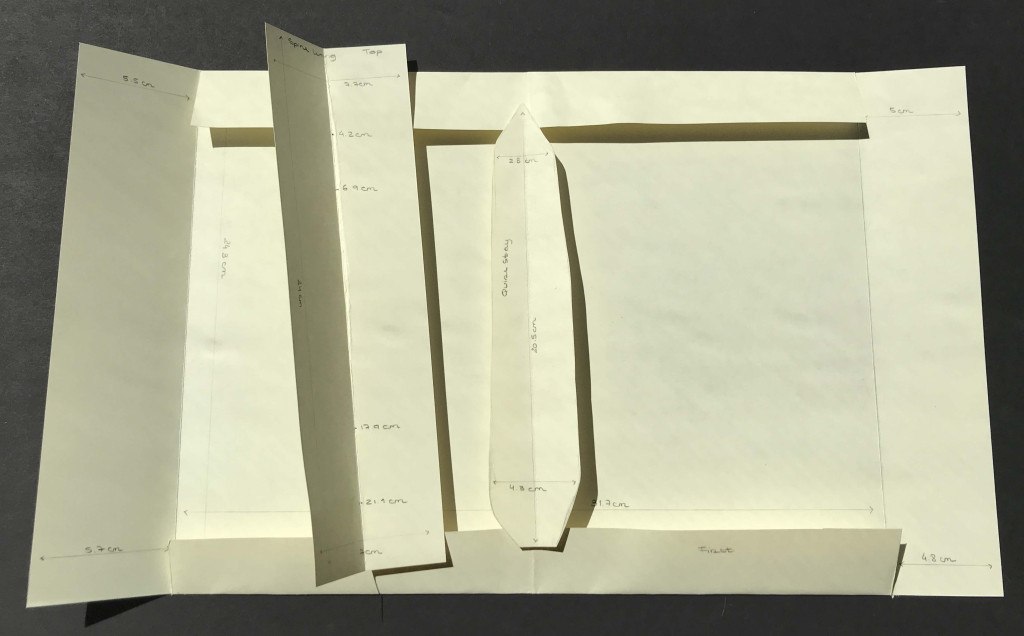
For the rest of the NHC models, I started by attempting to make Codex I without any paper template. I soon learned that this was a big mistake, as I ended up making the wrong dimensions of the cover and ruining the model. I realized that by first making a paper template, it allowed me to make mistakes without wasting materials such as leather and papyrus. Even though these were only models, representations of the NHC, I wanted to be as accurate as possible. 
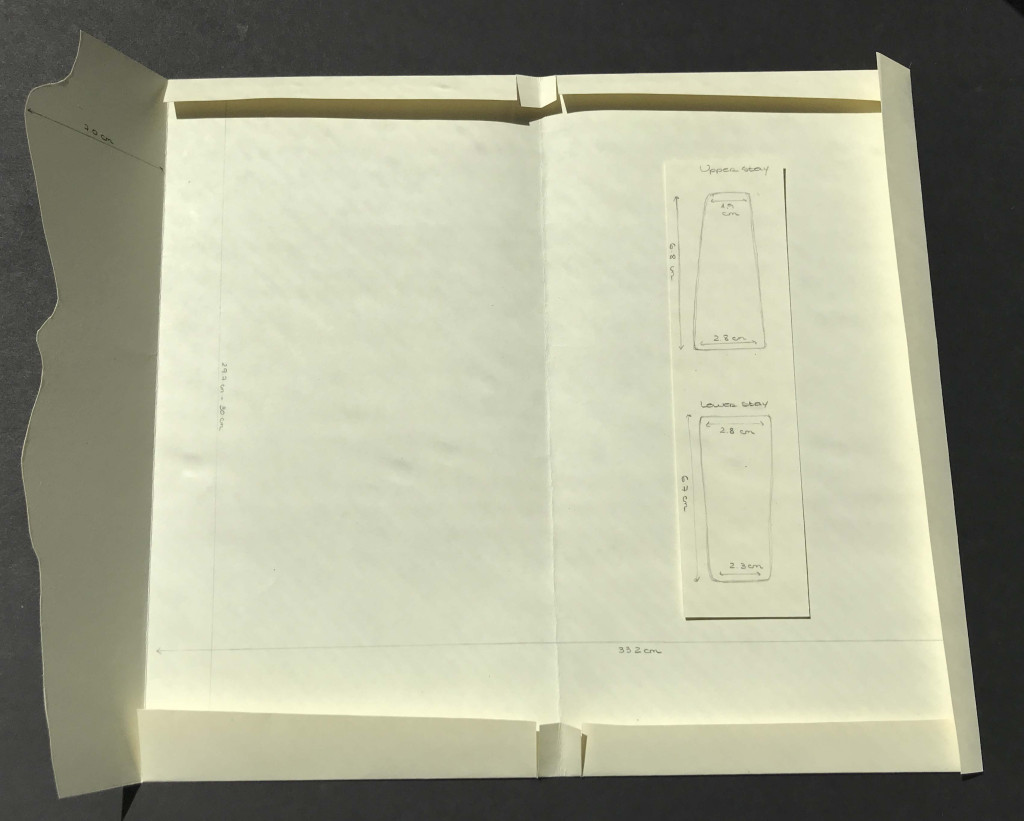
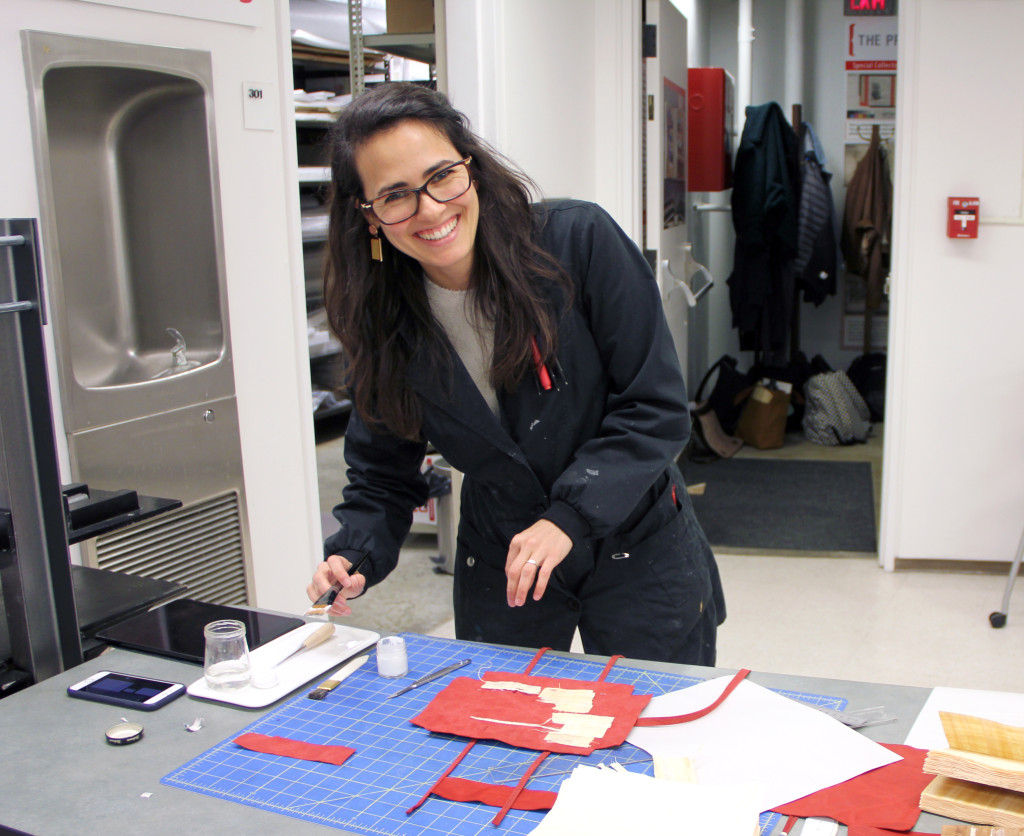
As I mentioned before, my model making journey has been long; each model beginning with research and note taking.  Once I am satisfied with my research, I create a paper template that I will use to create the model with materials used at the time, such as leather and papyrus. This process of model making has been a great learning opportunity for me.
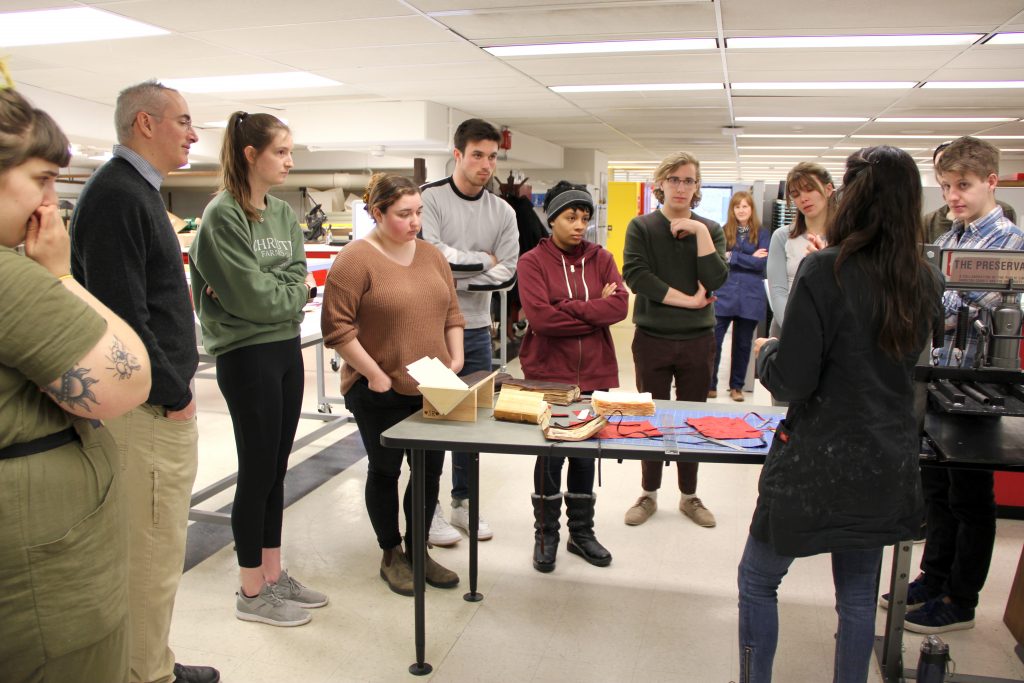
This past Spring I was able to share what I had learned more broadly when the Preservation Lab co-taught a Book Arts class with UC’s English Department. I taught our students about the Nah Hammadi Codices, and together we created a small model of a Nag Hammadi Codex VIII.  
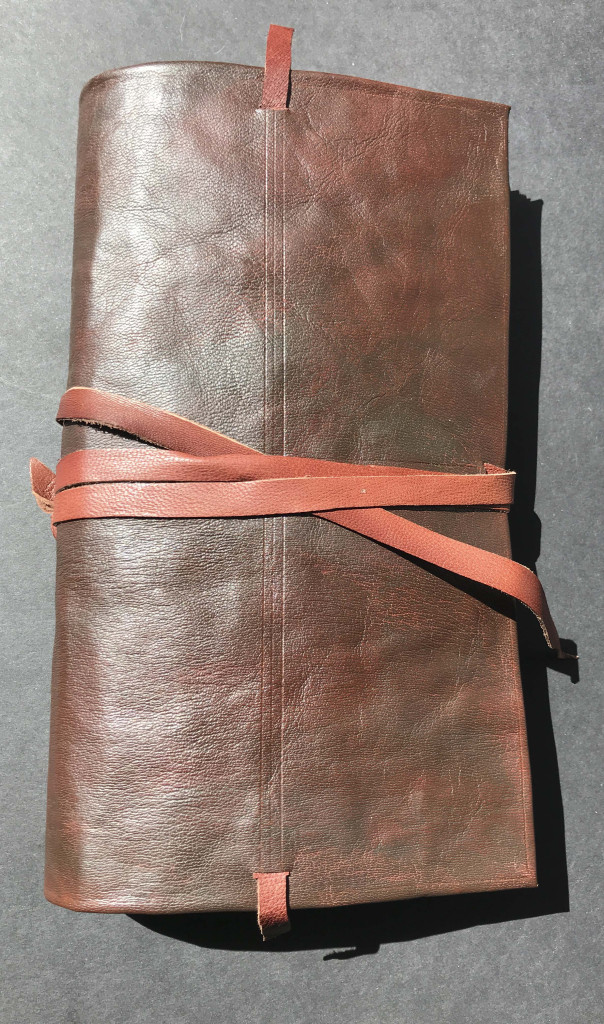
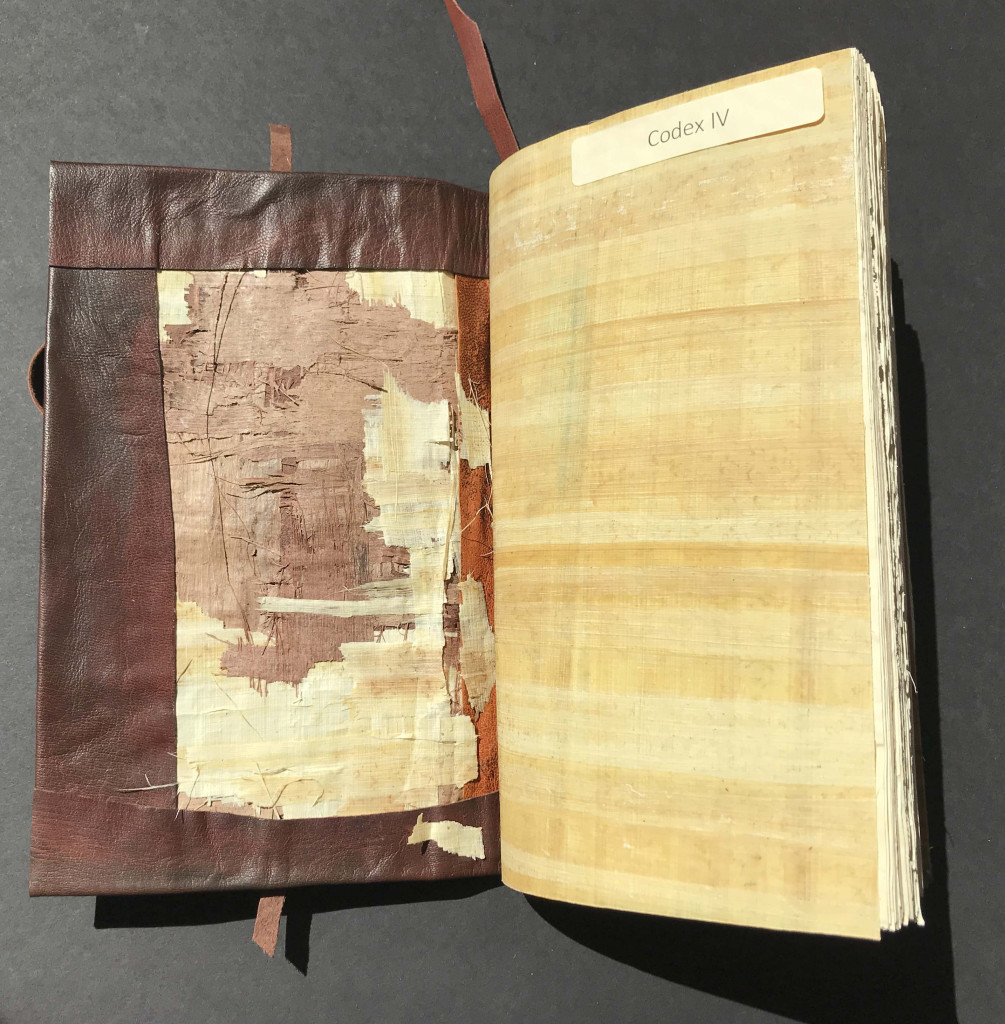
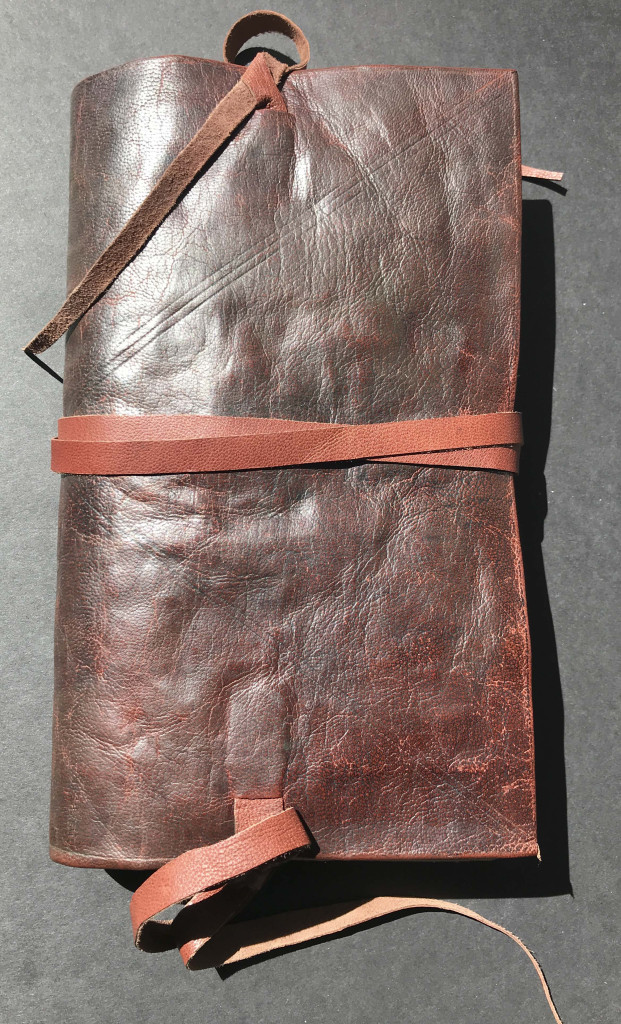
As we continue to work from home, I have been able to dedicate time to continue my model making of the NHC, and research more about early book structures and their discoveries. So far I have completed the following NHC models: 

  • Codex I 
  • Codec IV 
  • Codex VI  
  • Codex VIII 
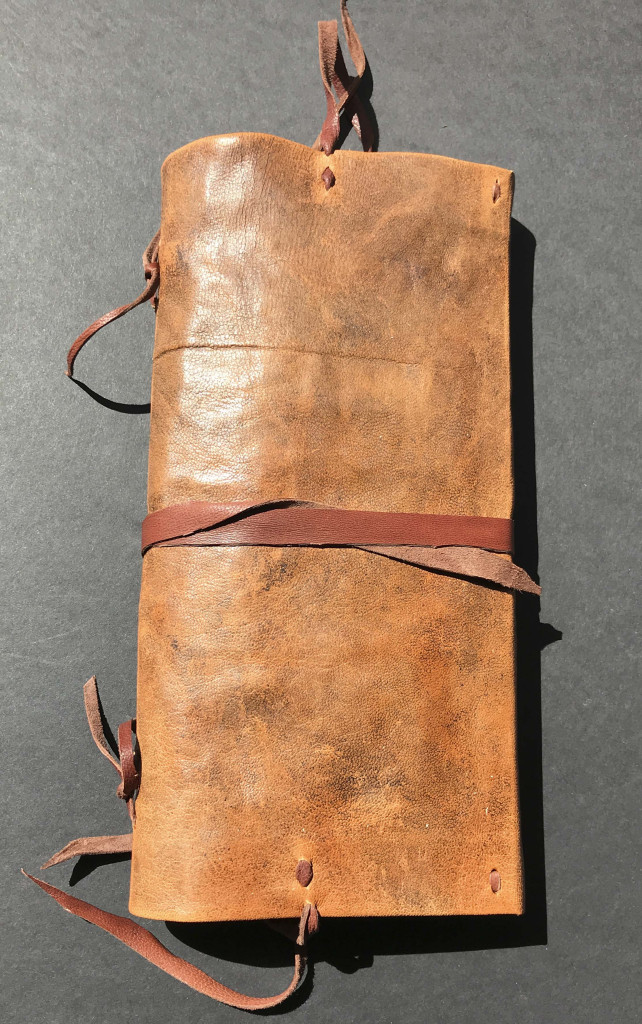
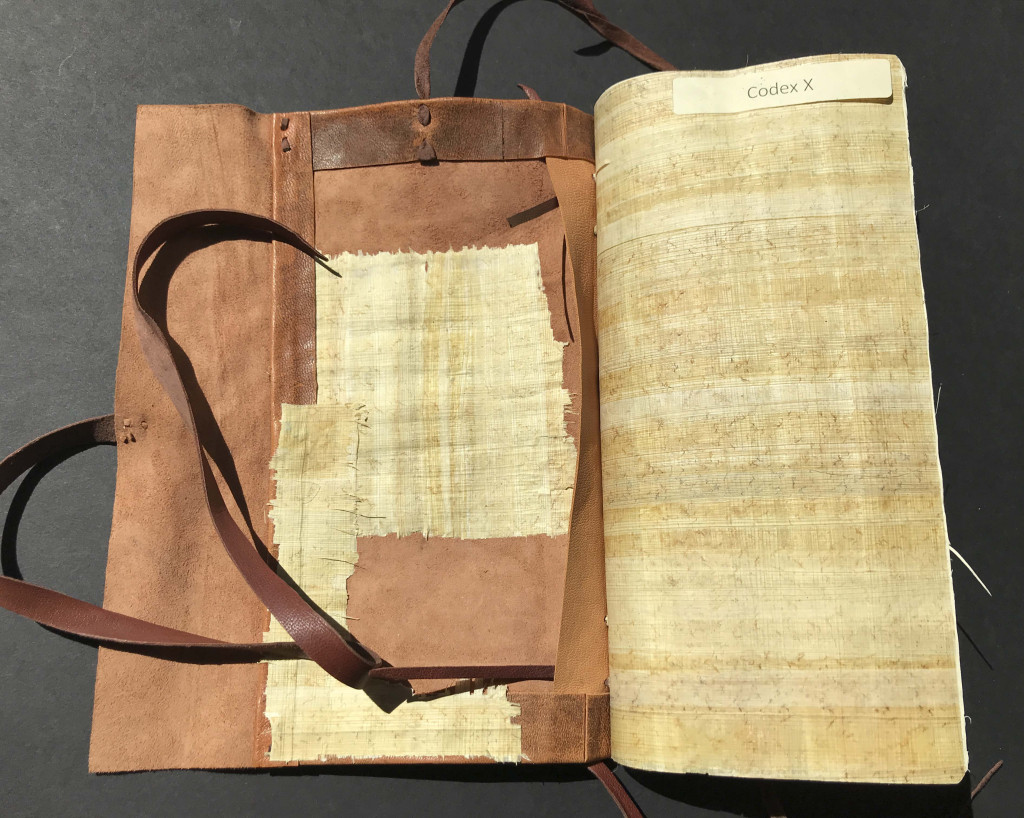
  • Codex X  
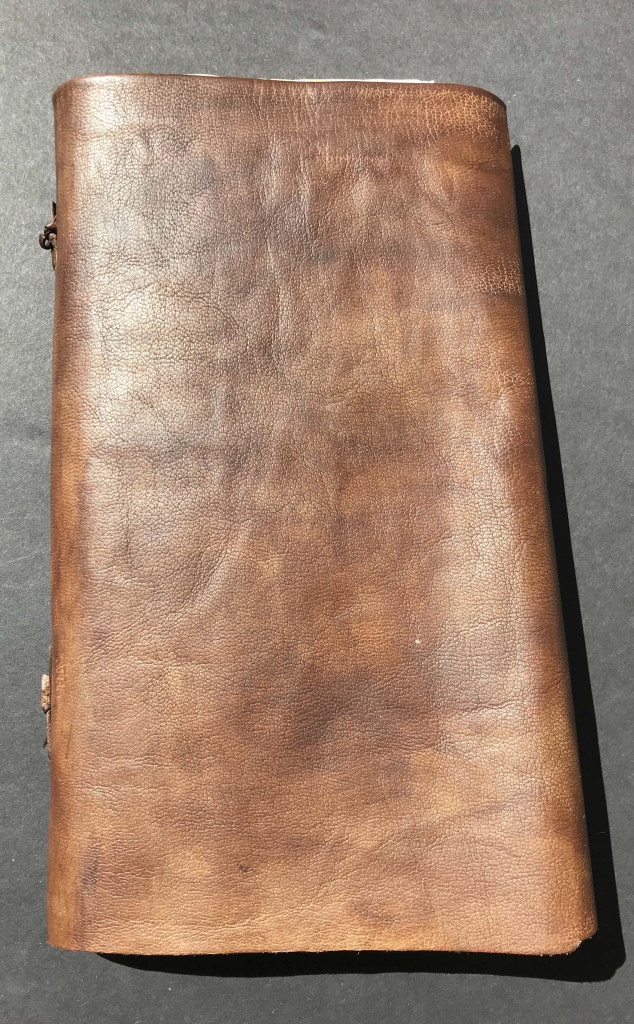
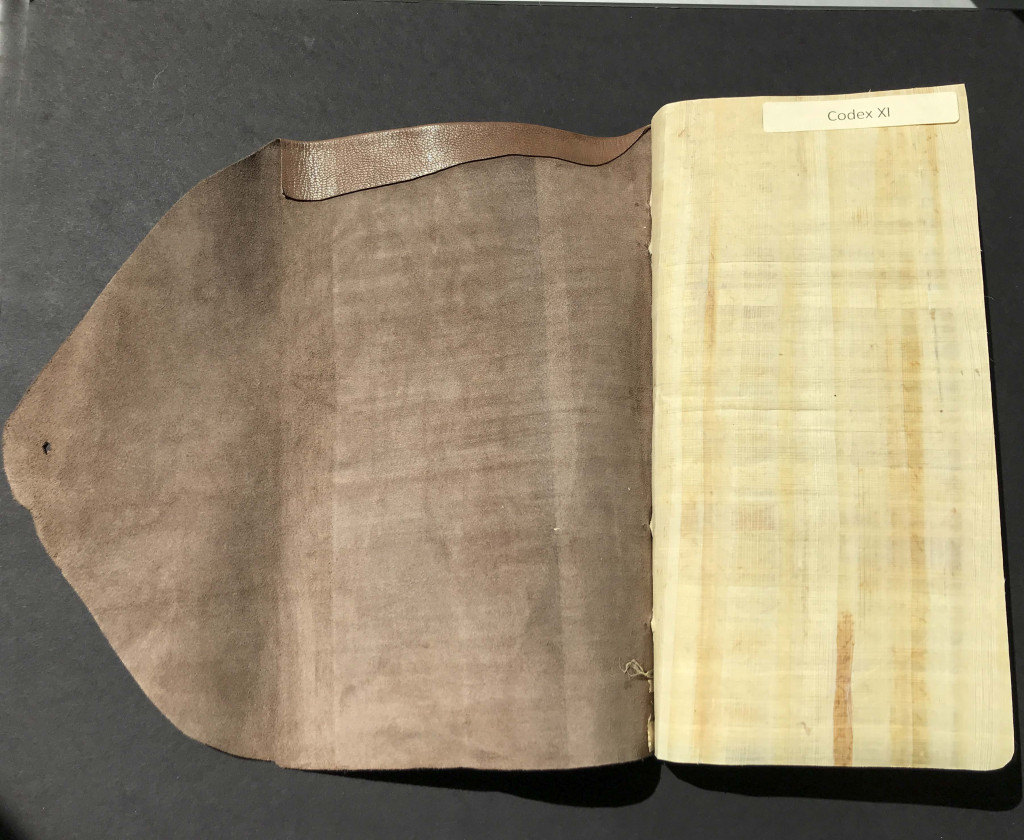
  • Codex XI 
  • Codex XIII 

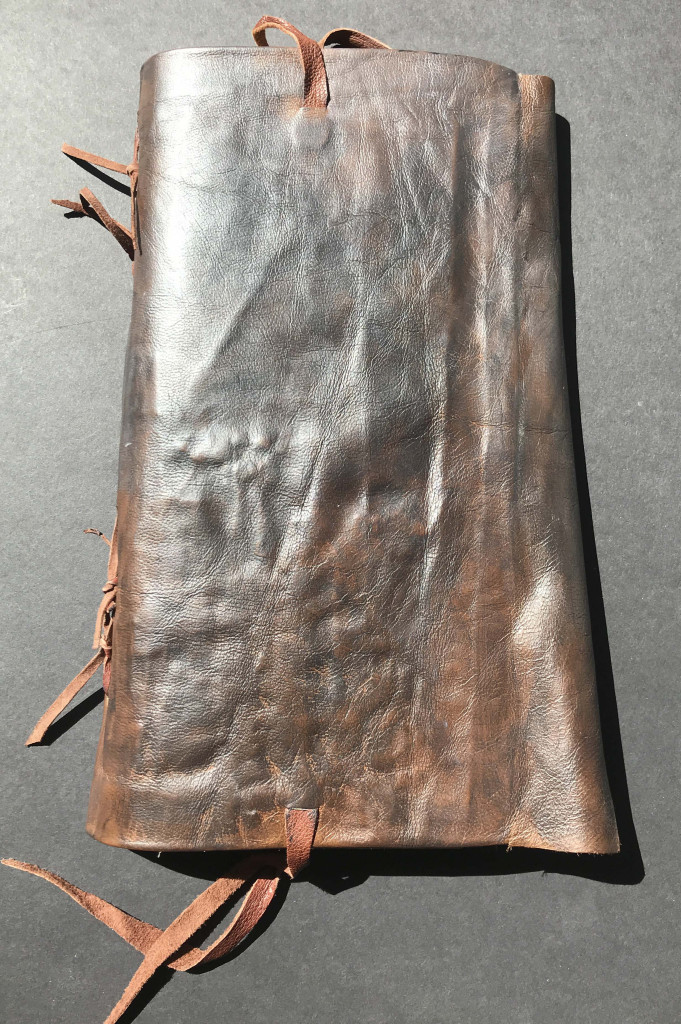
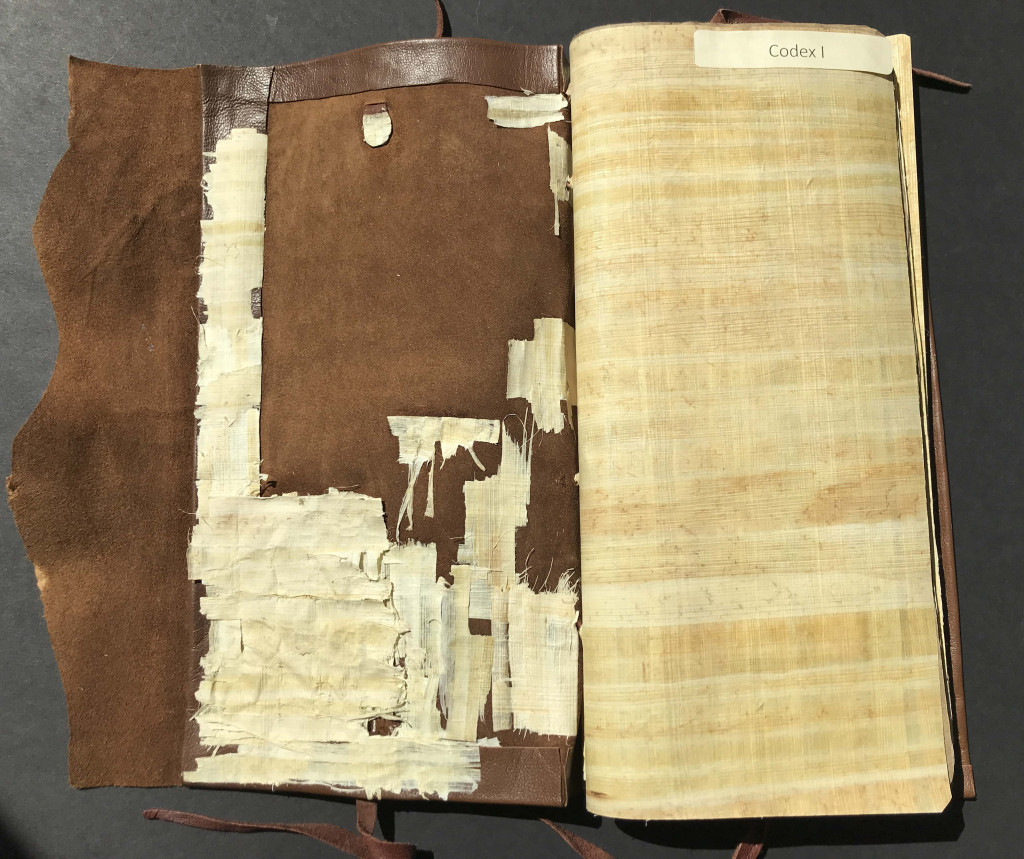
These models are not perfect, but they represent the unique features of the different Nag Hammadi Codices found in 1945. I am hopeful that these models will be a great addition to the teaching collection at the Preservation Lab, and that perhaps I have inspired others to start their own model making journey during this Preservation Week 2020! 
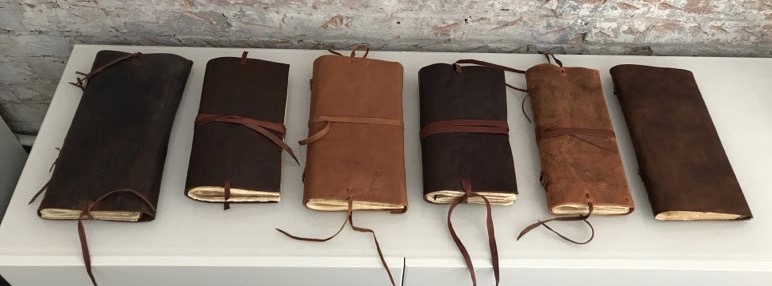
A Long Journey of Model Making – The Nag Hammadi Codices
All the models that I have created so far: Codex I, IV, VI, VIII, X, XI, XIII.

References: 

  • Miller, J. (., Spitzmueller, P. J., & Legacy Press. (2018). Meeting by accident: Selected historical bindings. Ann Arbor, Michigan: The Legacy Press. 
  • Layton, B., & Sieber, J. H. (1991). Nag Hammadi codex VIII. E.J. Brill. Retrieved from http://search.ebscohost.com.proxy.library.kent.edu/login.aspx?direct=true&AuthType=ip&db=cat02507a&AN=ohiolink.b31949312&site=eds-live&scope=site 
  • Robinson, J. M. (1972). The facsimile edition of the Nag Hammadi codices. Leiden: E. J. Brill.  
  • Robinson, J. M. (2000). The Coptic gnostic library: a complete edition of the Nag Hammadi codices. Netherlands: Brill.  

Additional sources for more information: 

Catarina Figueirinhas [UCL] – Assistant Conservator

Make sure to check out our Instagram (@thepreservationlab) where we’ll share Catarina’s process of making her Codex X model later today. And, if you missed yesterday’s Instagram stories where Jessica shared the exciting journey of photography the choir psalter then take a look at our “PresWeek 2020” story highlight (see below).
A Long Journey of Model Making – The Nag Hammadi Codices

Partners in Crime: Digitization Meets Preservation

Book & paper preservation and digitization seem antithetical in many ways; the former focuses on the physical and the hands-on, while the latter hones in on the digital and the technical. Even though there are differences between the fields, I like to think of them as partners in crime. Both preservation and digitization work to ensure that books filled with precious knowledge are around for learning well into the future; they just take different (often intersecting) paths to get there.  

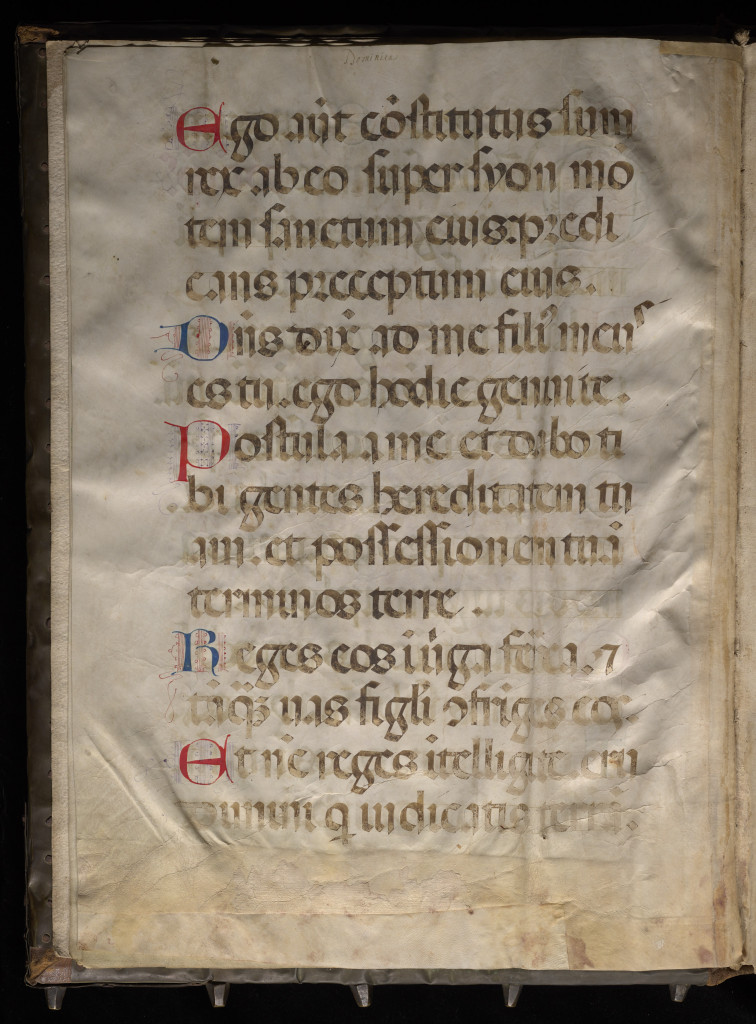
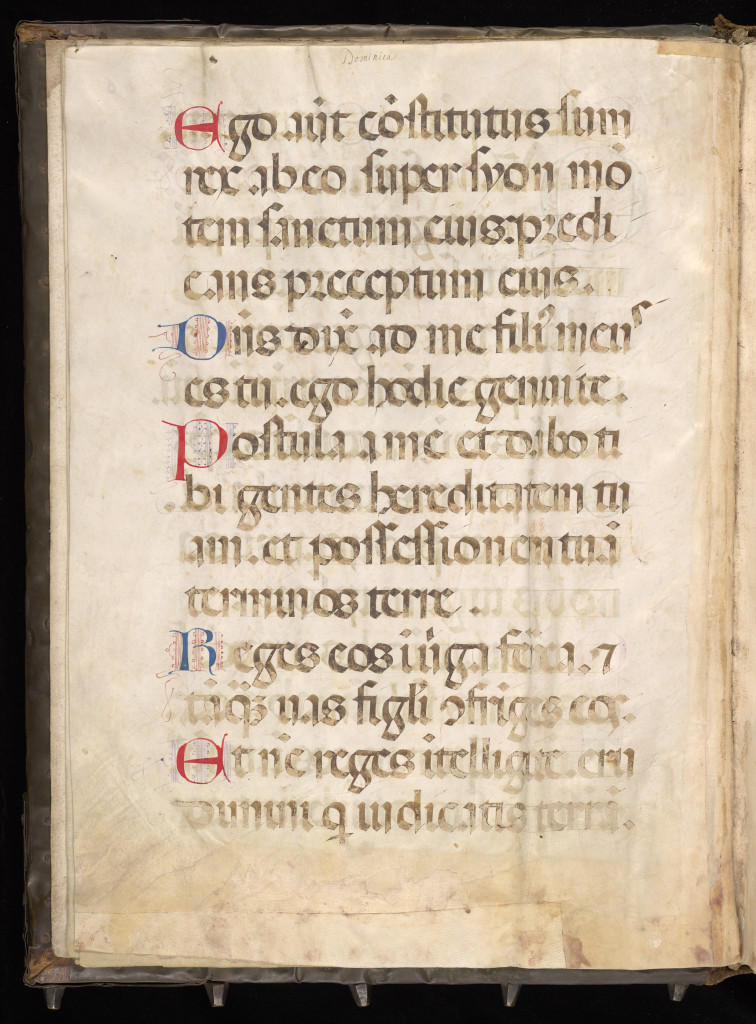
A few months ago, I had the opportunity to digitize a beautiful choir psalter from the UC Classics Library. This large book is theorized to have been used as a choir book in 15th century Italy, possibly the north-eastern area of Veneto. Its knowledge laden parchment pages and mysterious past rendered it the perfect candidate for both preservation and digitization. After it received treatment from the Lab’s conservator, I whisked it away to be digitized.

A book this distinguished required the care and attention of more than one person (it had nothing to do with how heavy it was… really). I was joined by the Lab’s photographic documentation extraordinaire Jessica, and that’s when the collaborative magic between preservation and digitization happened. Jessica and I sprinkled in some preservation-oriented photographic documentation as we digitized, allowing us to get a closer look at the materiality of the book while we had it on the copy stand. One of the most impactful imaging techniques we used on the antiphoner was that of raking light. 

Raking light involves the use of one lighting source to illuminate an object from a low angle, highlighting texture and depth. Using this technique on the choir book allowed us to see and feel the true age and history of a book that survived centuries of use; the mountains and valleys of each aged page suddenly revealed themselves in the same places they hid in normal illumination.

The normal illumination used to digitize allows us to read the book as it was meant to be read, and preservation-focused raking light allows us to experience the materiality of the object. The combination of both techniques allows for those who cannot physically interact with the book to experience (almost) all it has to offer. While there’s really no substitute for seeing the antiphoner in person, we’d like to think we can replicate the experience a little better by utilizing tools provided by our partners in crime: preservation and digitization. 

You can read more about the research done on this choir psalter in the Classics Library’s blog post, “Mystery at the Library”.

Also, make sure to check out of our Instragram (@thepreservationlab) where Jessica will be sharing some conservation photography of this beauty.

Sidney Gao [UCL] – Digital Imaging Coordinator

Prepare Yourself for Preservation Week: Virtual Edition

Despite working from home right now, we here at The Preservation Lab are getting very excited for ALA’s Preservation Week, which starts on Monday, April 27th!  If you are familiar with us at all, you know we love to host our annual Preservation Week Open House.  We truly treasure opening the doors of our lab to the community to talk about our work caring for the collections from both the University of Cincinnati and the Public Library of Cincinnati and Hamilton County.  And of course you might remember those delicious cookies we like to share too! 

Well, I hope you are stocked with your cookies at home this year, because while our in-person open house is cancelled, we will be fully celebrating Preservation Week virtually this year! 

Stay tuned throughout all of Preservation Week as we post a daily blog (right here!) to highlight some of the great things we are working on.  We’ll cover the digitization of an antiphonary (and if you don’t know what that is, be sure to check out the post!); share some content and media we have been creating while working from home; have a blast from the past with a look at past Preservation Week Open House events; and more! 

Prepare Yourself for Preservation Week: Virtual Edition
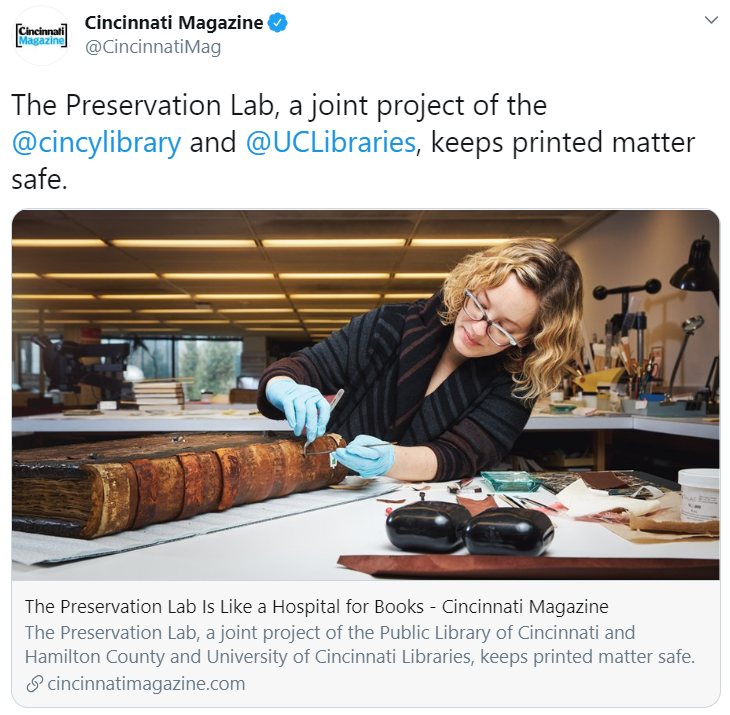
The Lab and our annual Preservation Week open house were recently featured in Cincinnati Magazine. You can read more about it via Twitter and on Cincinnati Magazine’s website.

Remember to follow us on Instagram @thepreservationlab, if you aren’t already!

Kasie Janssen (PLCH) – Senior Conservation Technician

Lab Featured in New Book & Save the Date!

Lab Featured in New Book & Save the Date!
 
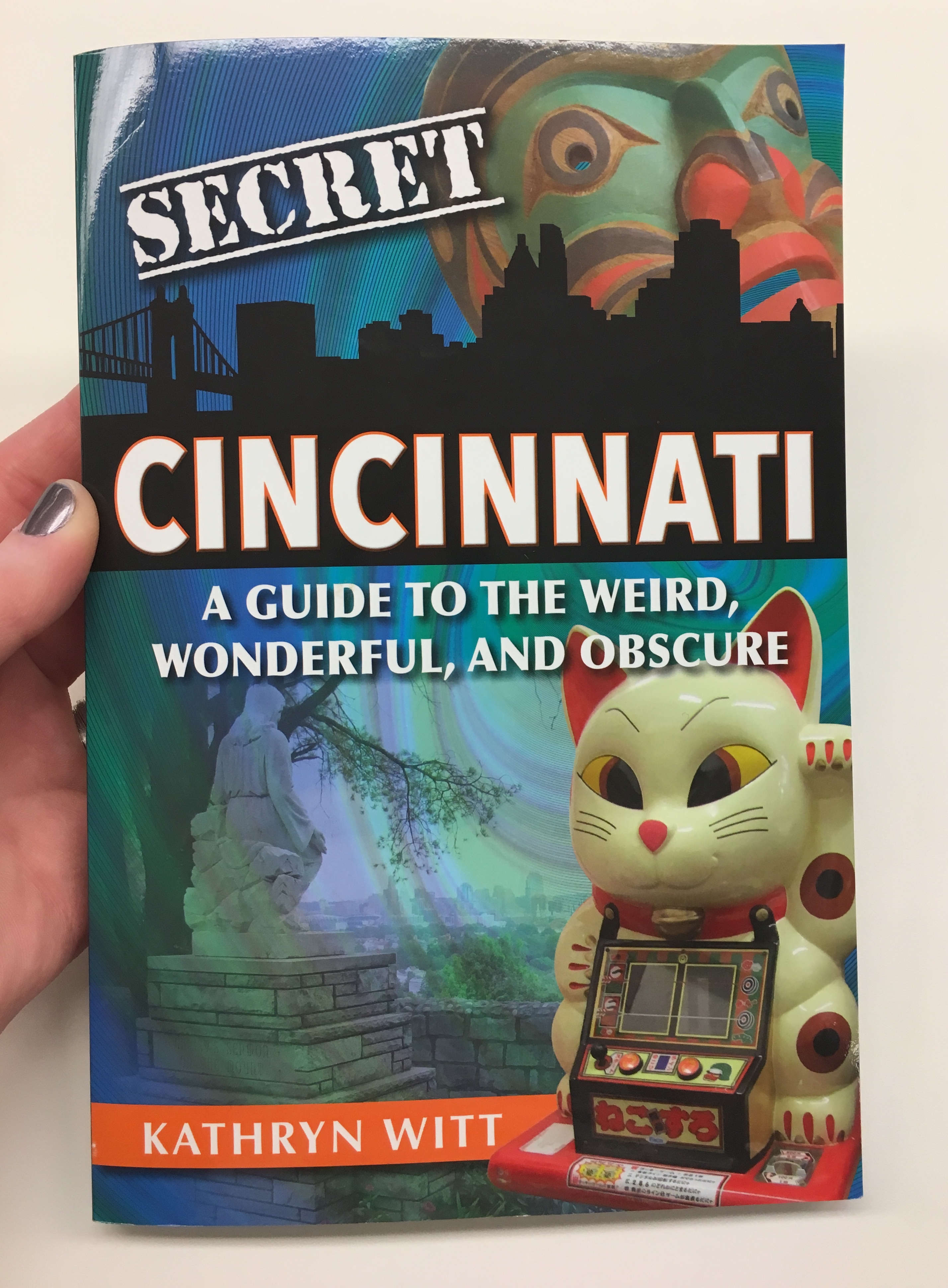
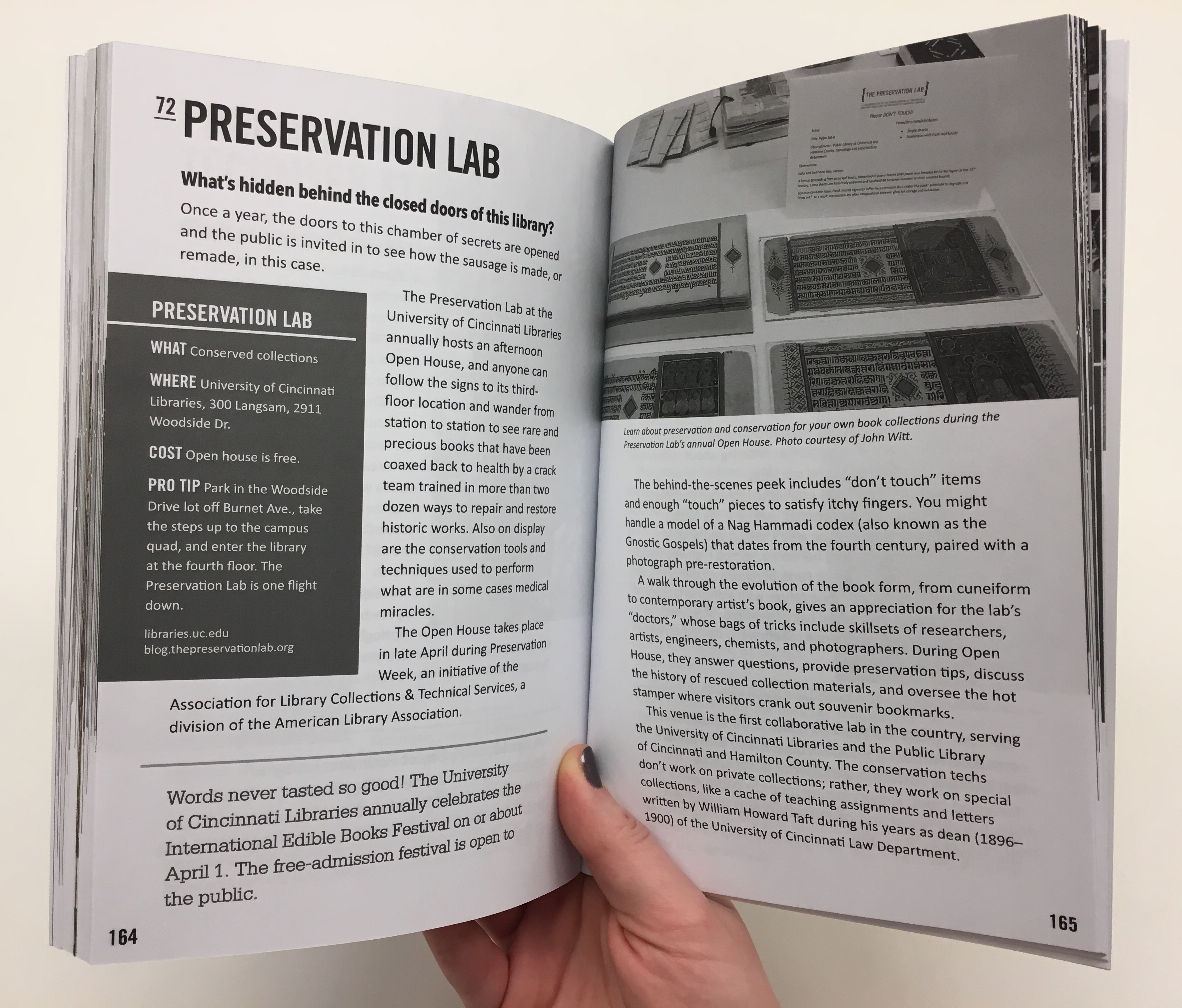
Secret Cincinnati: A Guide to the Weird, Wonderful, and Obscure by Kathryn Witt recently came out and you wouldn’t believe who’s featured in it…


The Preservation Lab!

Lab Featured in New Book & Save the Date!
When you flip to # 72 you will find a great description of the Lab’s annual Open House, where the Lab opens its doors to the public and shares a little bit about what with do.  Generally our Open House falls on ALA’s Preservation Week (the last week of April).  However, this year it will be held during this first week of May due to a scheduling conflict.
 
 
So mark your calendars!

Thursday, May 2nd, 2019 | 1:30-3:30pm

University of Cincinnati | Langsam Library | 300 Level

 
Jessica Ebert [UCL] – Conservation Technician & Photographic Documentation Tech

*Thank you to Mikaila Corday, a docent at the Lucky Cat Museum (also featured in Secret Cincinnati), for sharing the feature with us and lending us her copy of the book!


2018 Preservation Week Open House Video

Were you unable to attend our annual preservation week open house at the end of April?  OR maybe you did attend but didn’t get to see everything you wanted?  Well, have no fear!  I’ve created a quirky little video to encapsulate (fyi, that’s a scrapbook conservation joke) all the excitement, activity, and overall bombardment of information and cool stuff to your senses that our open houses generally entail.

A big thank you again to everyone who was able to make it and celebrate Preservation Week with us.  This was definitely our biggest, most jammed packed year yet and it was so much fun!  If you missed the event, definitely mark your calendars for next years’ preservation week, April 21-27, 2019 and stay tuned at the beginning of 2019 for an exact open house date. Until next time…

2018 Preservation Week Open House Video

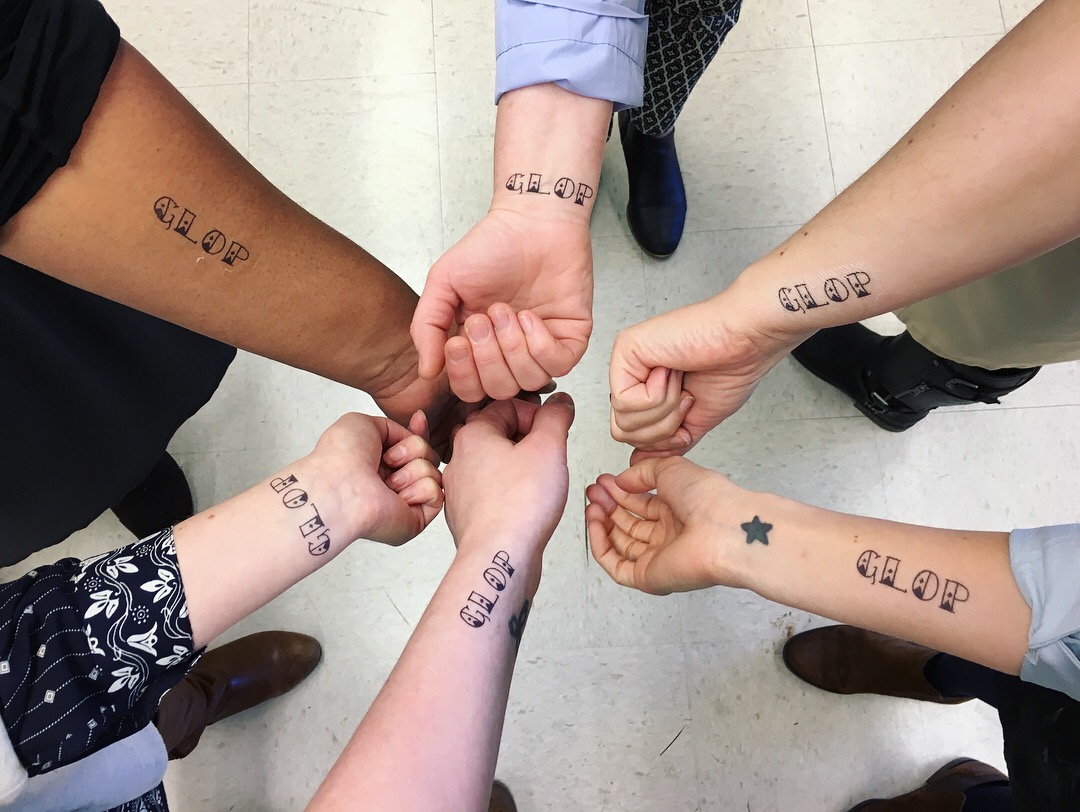
Our conservator, Ashleigh, ordered these GLOP custom temporary tattoos for all the staff members and we all couldn’t wait to sport them during the event! GLOP is our little nickname for our team and our preservation friends and it stands for Gorgeous Ladies/Lads of Preservation.


Jessica Ebert (UCL) – Conservation Technician (and maker of quirky Lab videos)

Open House Success

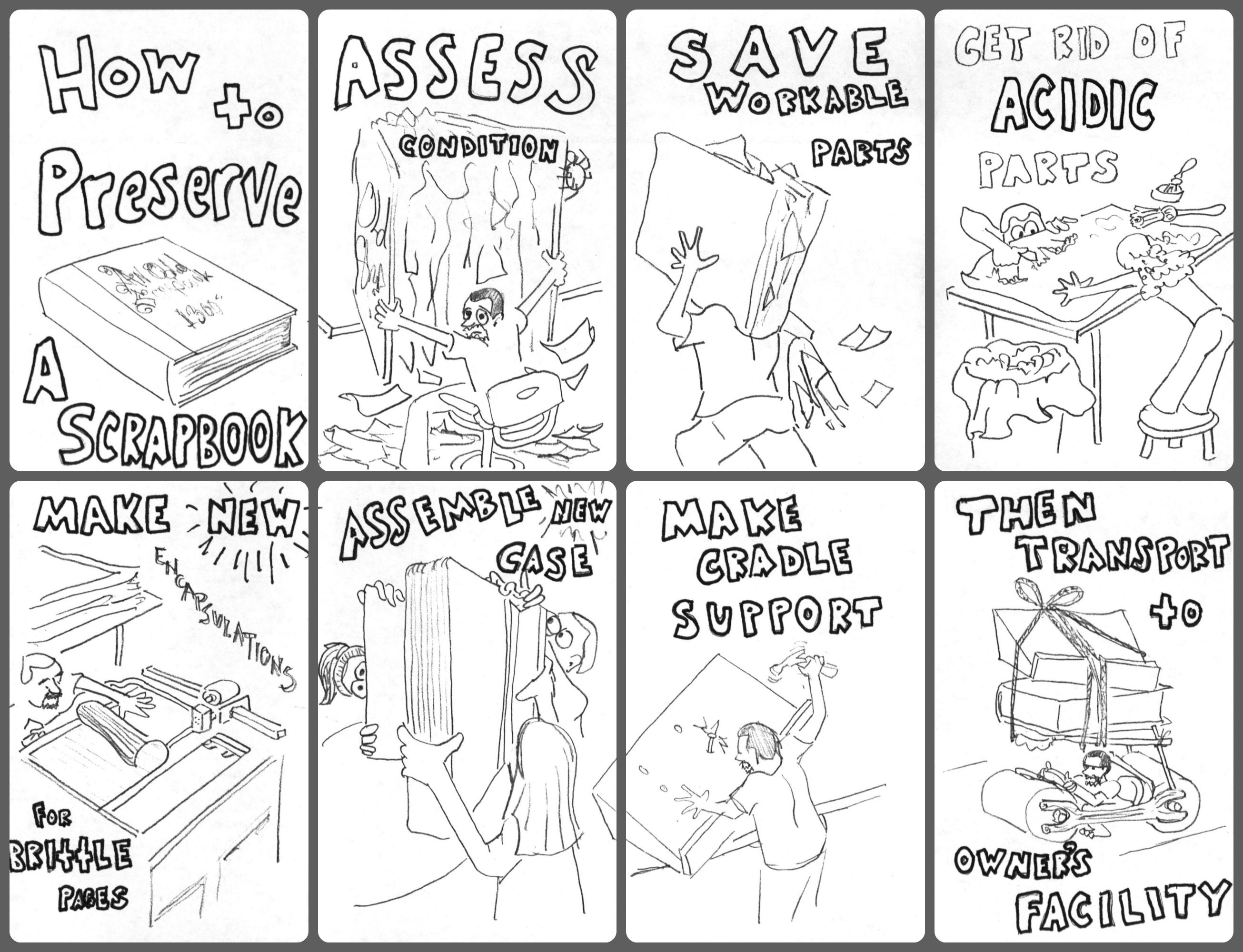
A big thank you to everyone who was able to attend our Preservation Week Open House last Thursday!  It was a great success and we all had so much fun sharing what we do with everyone.  If you were not able to attend, we wanted to share the awesome comic that our very own Chris Voynovich (conservation technician) created just for the event.

Open House SuccessScrapbookOnePgWonder_CV_withInterior

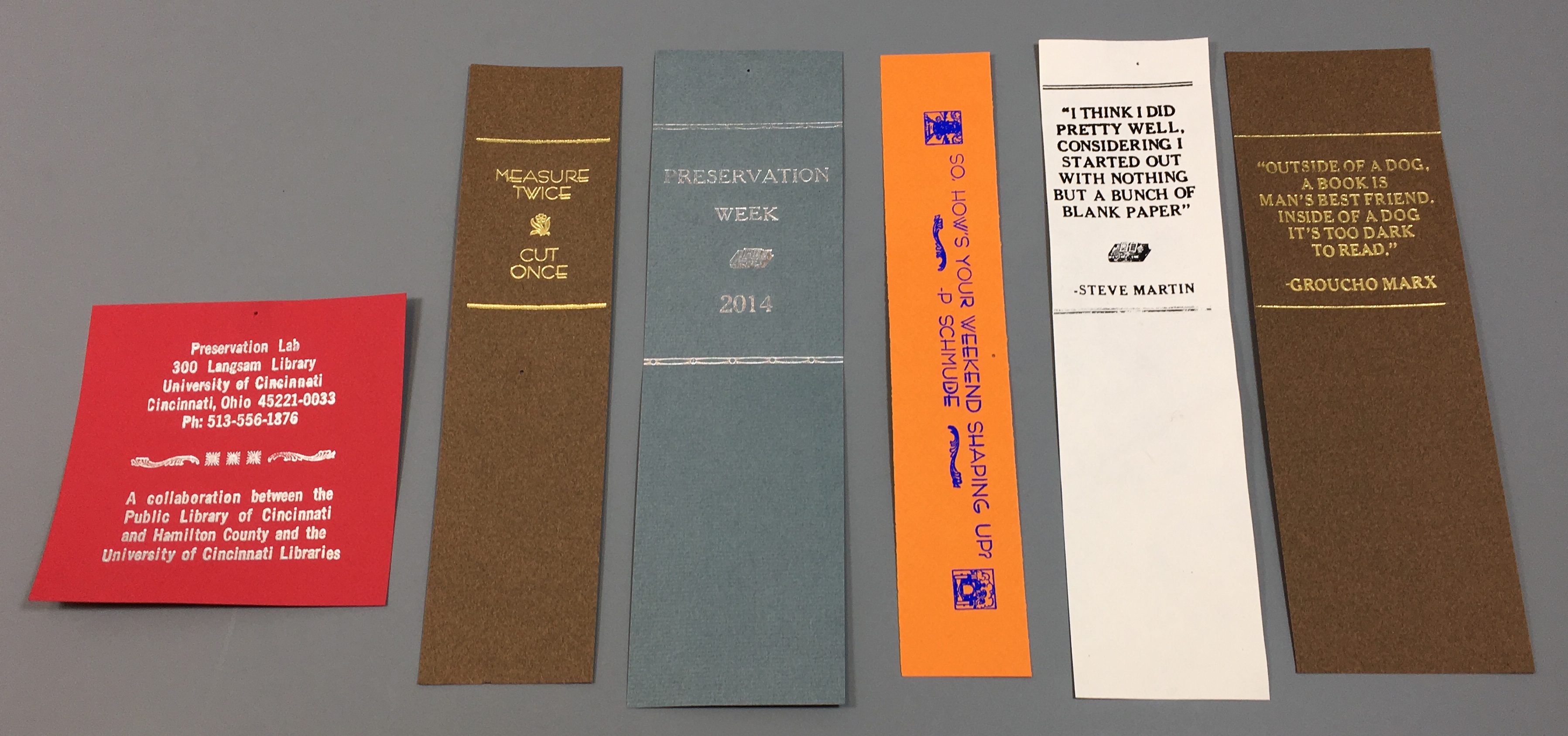
Attendees were able to create their own one-page wonder featuring this comic and then had a chance to flip through the Madisonville Branch Library’s scrapbook that inspired the comic. Those who attended were also able to explore various artist book structures by viewing and handling (and in some cases, just admiring from a far) collection items from the DAAP Library’s artist book collection.  The evolution of the book was a central theme with attendees learning about pre-codex structures (like cuneiform tablets and scrolls), early codex structures (with a foray into medieval bindings and parchment), and modern structures like the ever complex scrapbook.  Attendees were able to stamp their own book mark, featuring a quote by P.J. O’Rourke, and learn about RTI, how the lab has improved their capture process, and view the results from a recent RTI project featuring cuneiform tablets.  And of course, attendees were able to grab a Busken cookie featuring our Preservation Lab logo.  It was a great event!

Make sure to mark your calendar for 2019 Preservation Week (April 21–27) so you can come down, visit the lab, and see the cool stuff we’re working on.  I’m also working on a little video of the event, so stayed tuned and check out our MediaSpace channel for updates in the near future.

Jessica Ebert (UCL) – Conservation Technician & Lead Photographic Documentation Tech

Preservation Week 2018 – be our guest!

It’s spring in Cincinnati, which means two things – the epic weather battle between winter and summer (snow yesterday, 71 degrees Fahrenheit tomorrow) and the annual Preservation Week Lab Open House!
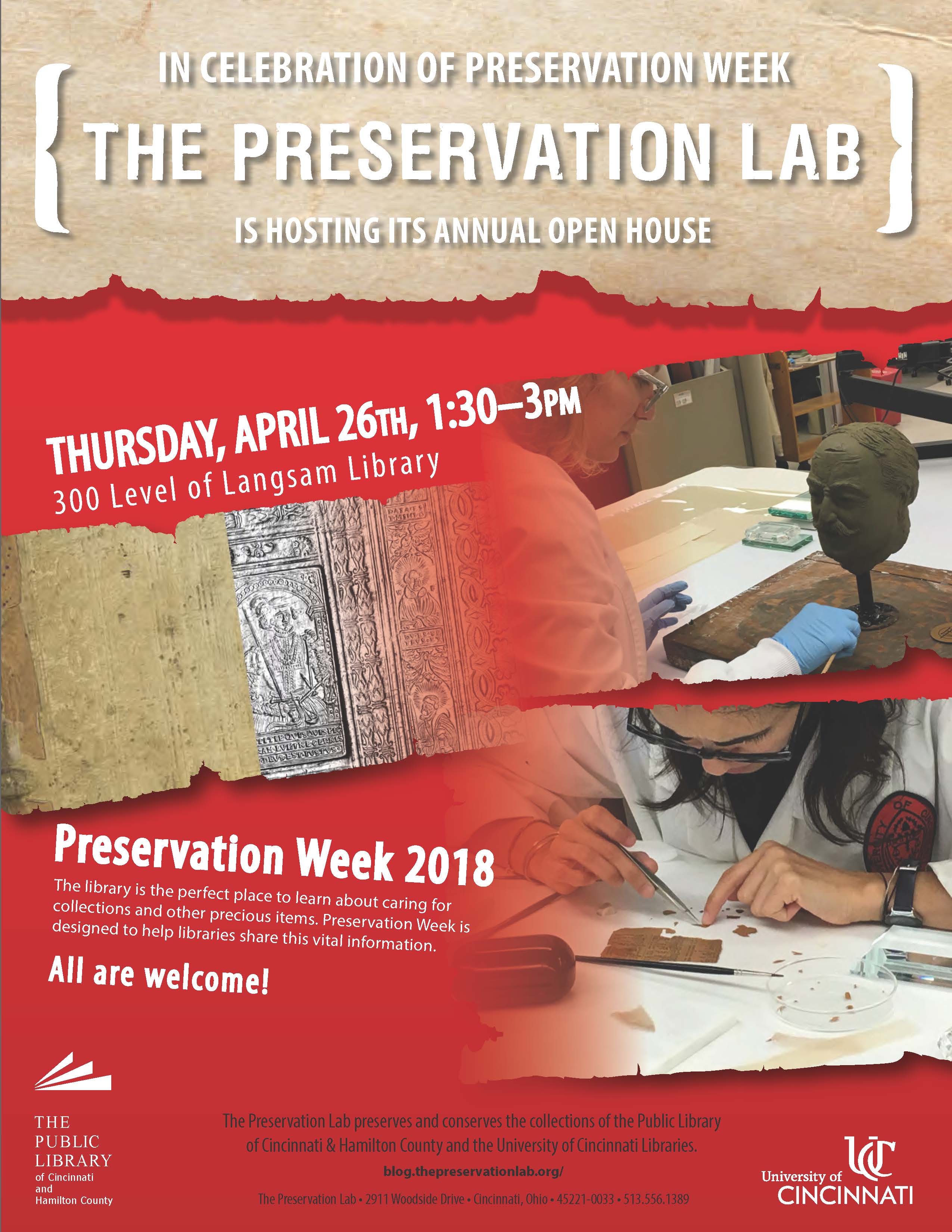
Preservation Week 2018 – be our guest!This year marks the lab’s 7th year of participation in this national event, an American Libraries Association initiative aimed at raising “awareness of the role libraries and other cultural institutions play in providing ongoing preservation education and information.”  Our event is open to the public – come one, come all!
The Open House will include a behind the scenes tour of the lab, a peek at amazing collection items being preserved for our parent institutions – the Public Library of Cincinnati and Hamilton County and the University of Cincinnati Libraries, and of course a new bookmark.

Preservation Week 2018 – be our guest!

A walk down memory lane – bookmarks 2012-2017.


This year our theme highlights the versatility and artistry of the book, from a complex composite object such as a scrapbook to a simple one-page zine.  We’ll also touch on the evolution of the book form, from cuneiform to artist’s book.  As is our tradition, we’ll set up “stations” were visitors can roam, explore, and learn at their own pace.
We are looking forward to see you all on, Thursday, April 26th, 1:30-3:00 pm, 300 Langsam Library.  And yes, there will be cookies!
Holly Prochaska (UCL) —- Preservation Librarian


Preservation Week 2015!

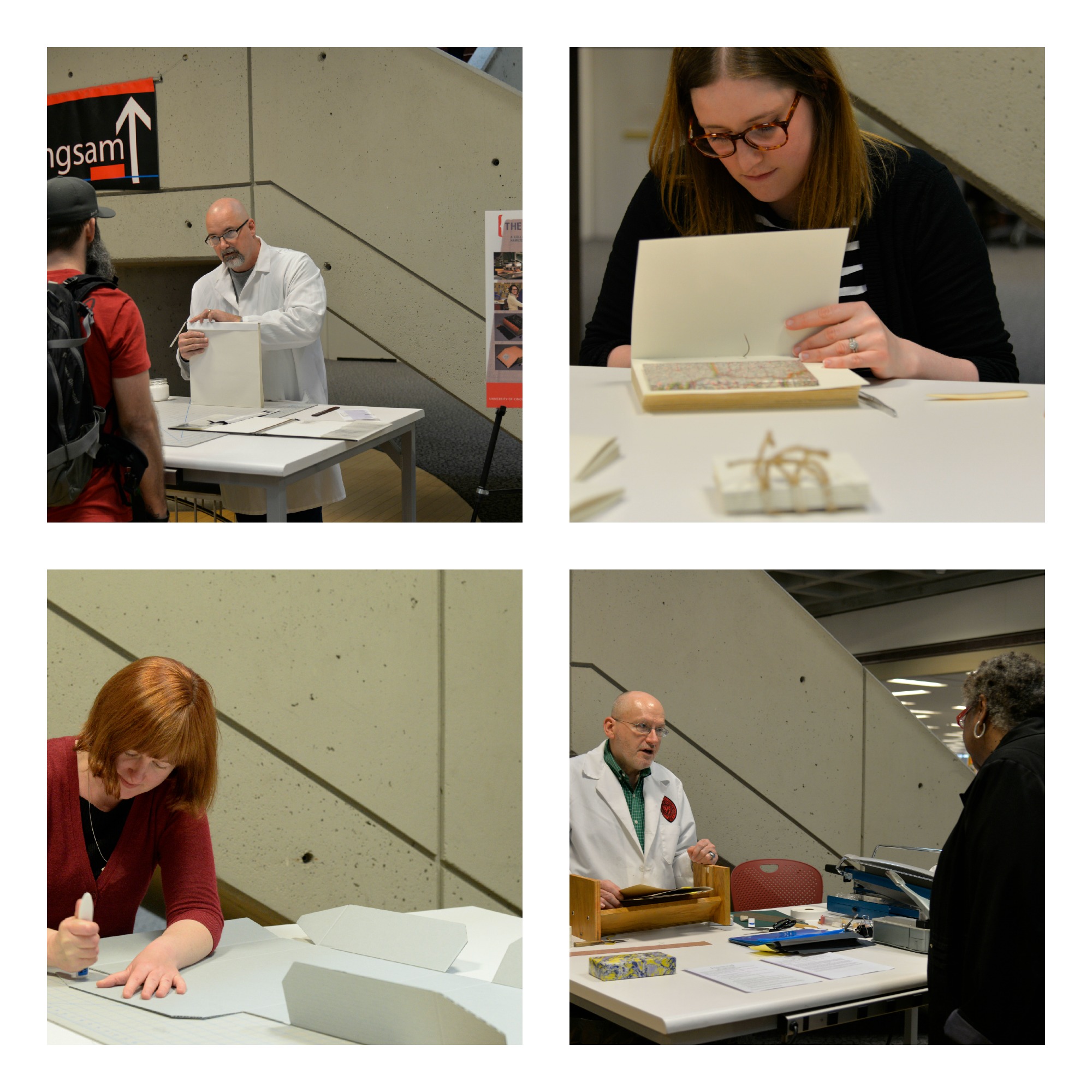
Demonstration CollageWe love preservation. Of course we do. And as people who love preservation, we naturally love Preservation Week! Truly, we do. We love it so much that we take to the streets and invite people over to share it with us. We were so excited that we decided to start early this year, with live technical demonstrations in the mornings leading up to the big day. We wanted people to see what we were up to, ask lots of questions, and learn more about what we do.
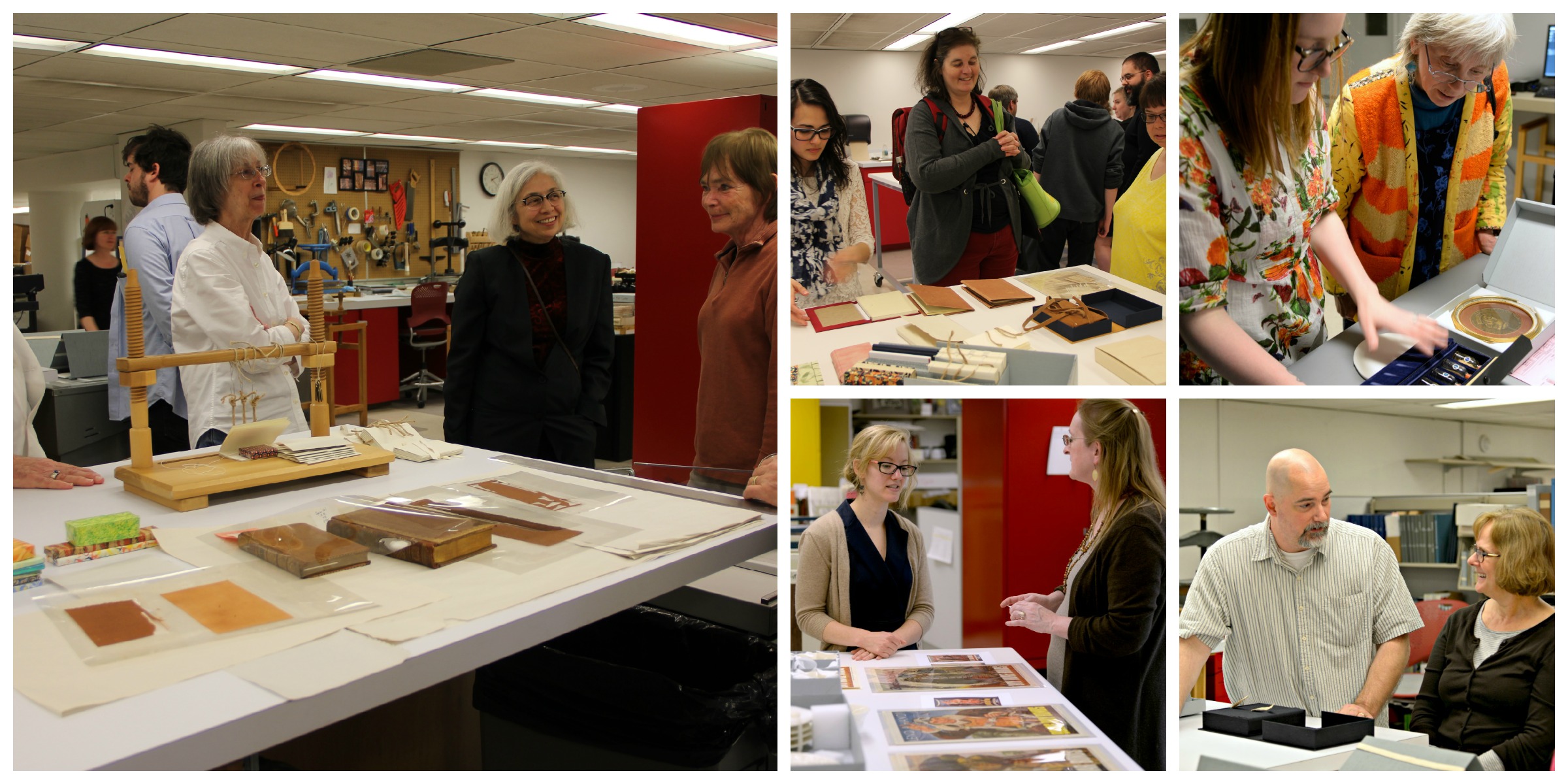
We showed off the past year’s work, including some excellent pieces done by our pre-program volunteer, Catarina Figueirinhas. Everyone’s favorite, the hot stamper, made a return appearance. We topped off the festivities with a raffle for a book, handmade by one of our students, and of course, cookies (we don’t have open houses for the sweets, but they are a nice bonus!).  We had such a great time with all of our friends and colleagues, and as always, we look forward to doing it again next year.
Open House Collage
Hyacinth Tucker (UCL) — Binding Processor