Tag Archives: Cincinnati and Hamilton County Public Library

Meet Me at Main: Exhibit Prep for Reopening!

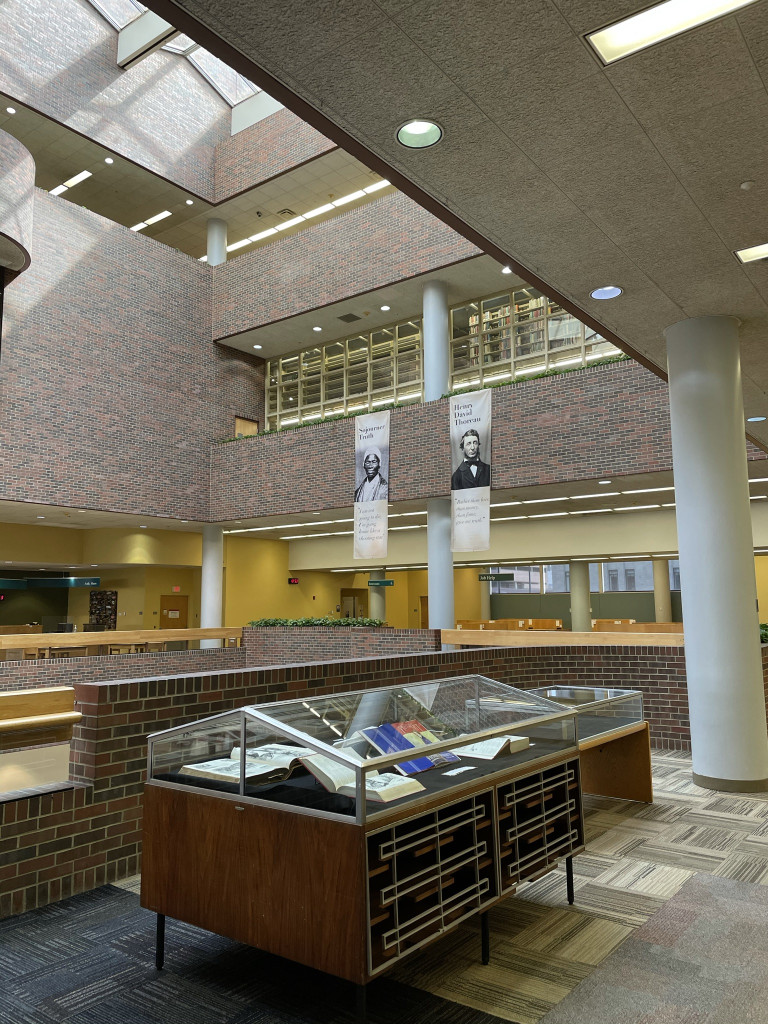
After a 43 million dollar renovation spanning three and a half years, the CHPL downtown library reopened July 12th, 2024!

In preparation for reopening, the Preservation Lab has been working closely with a variety of CHPL staff to prepare collection items and exhibit cases for display.

To celebrate the dramatic reveal of updates, we’ve provided before and after pictures of the Main downtown library followed by a sneak peek at some of the exhibits.

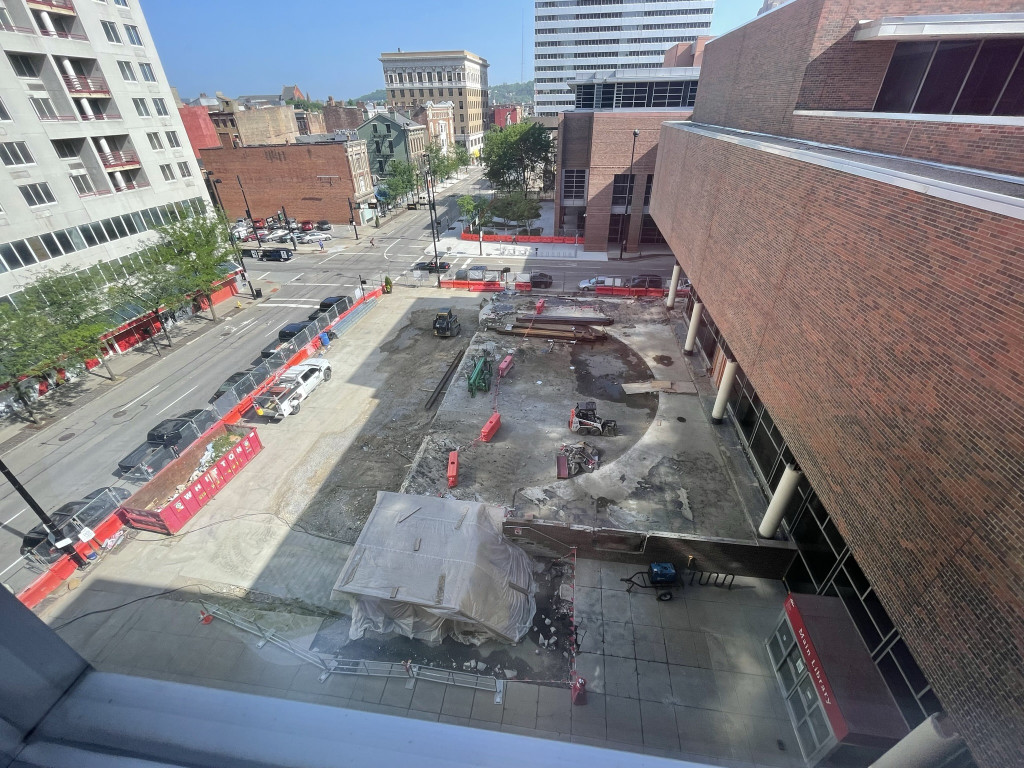
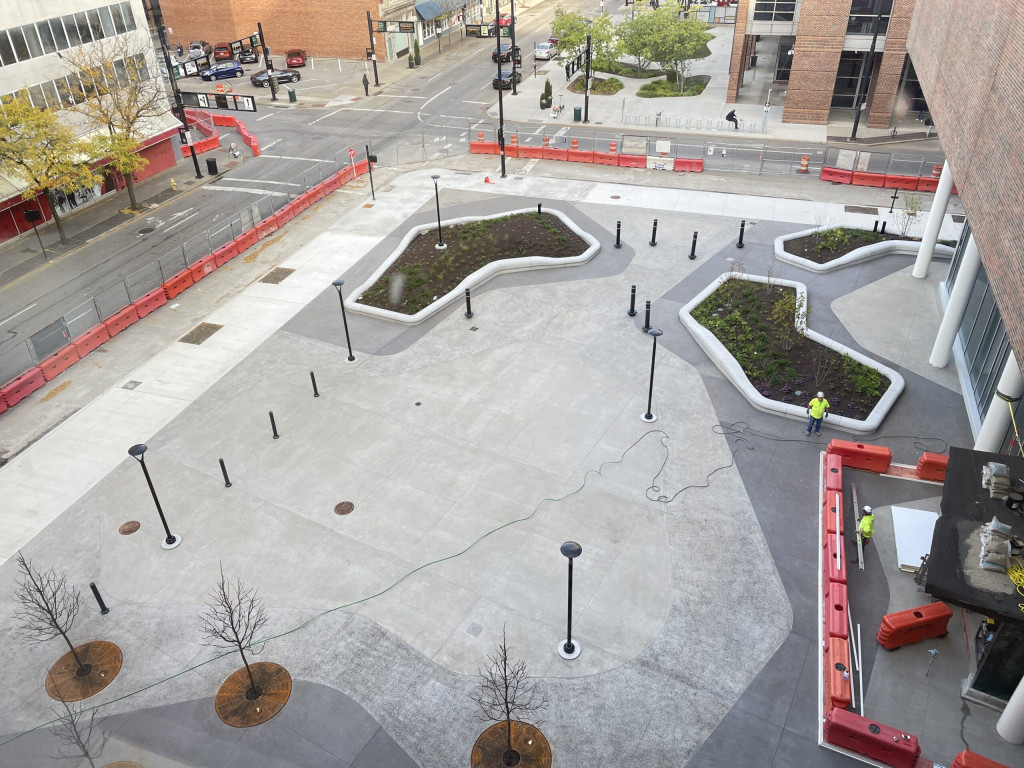
Main Library Before, During, and After Renovations
Meet Me at Main: Exhibit Prep for Reopening!
Before construction
Meet Me at Main: Exhibit Prep for Reopening!
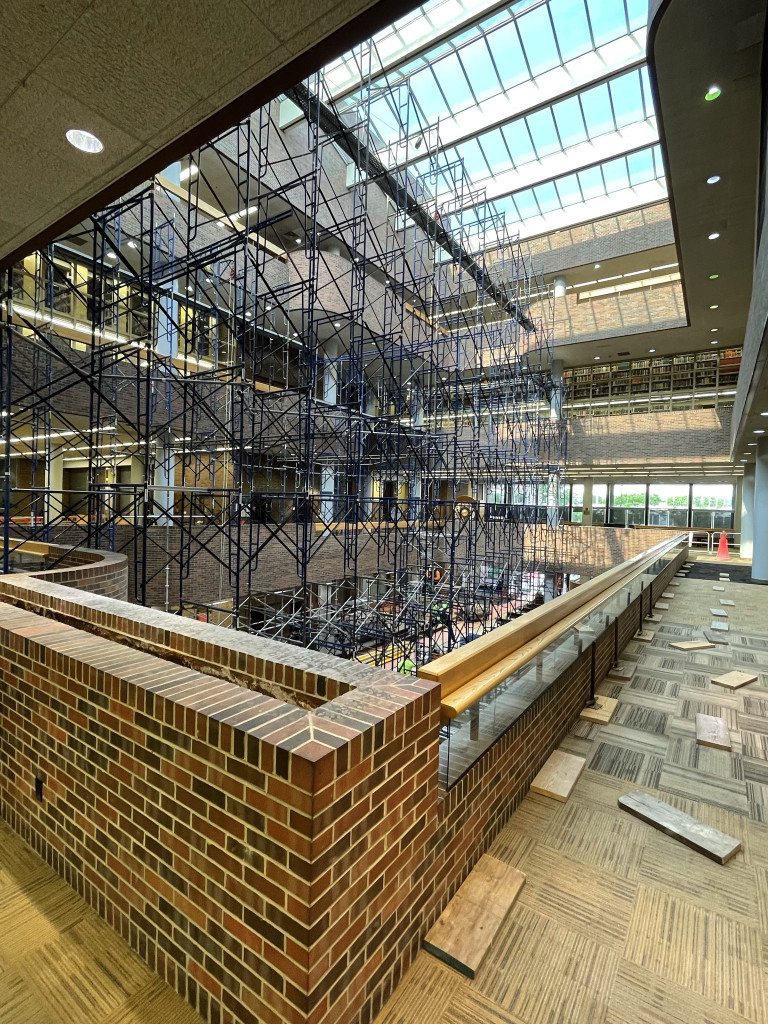
Installation of scaffolding for skylight maintenance
Meet Me at Main: Exhibit Prep for Reopening!
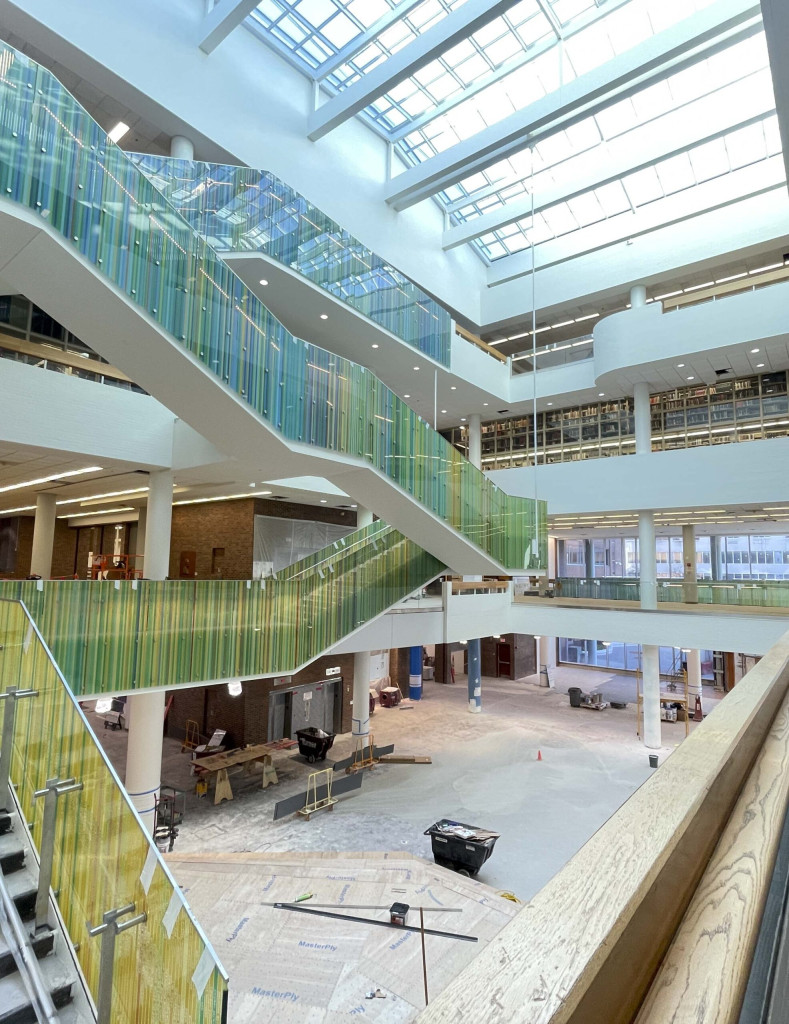
Nearing completion
Meet Me at Main: Exhibit Prep for Reopening!
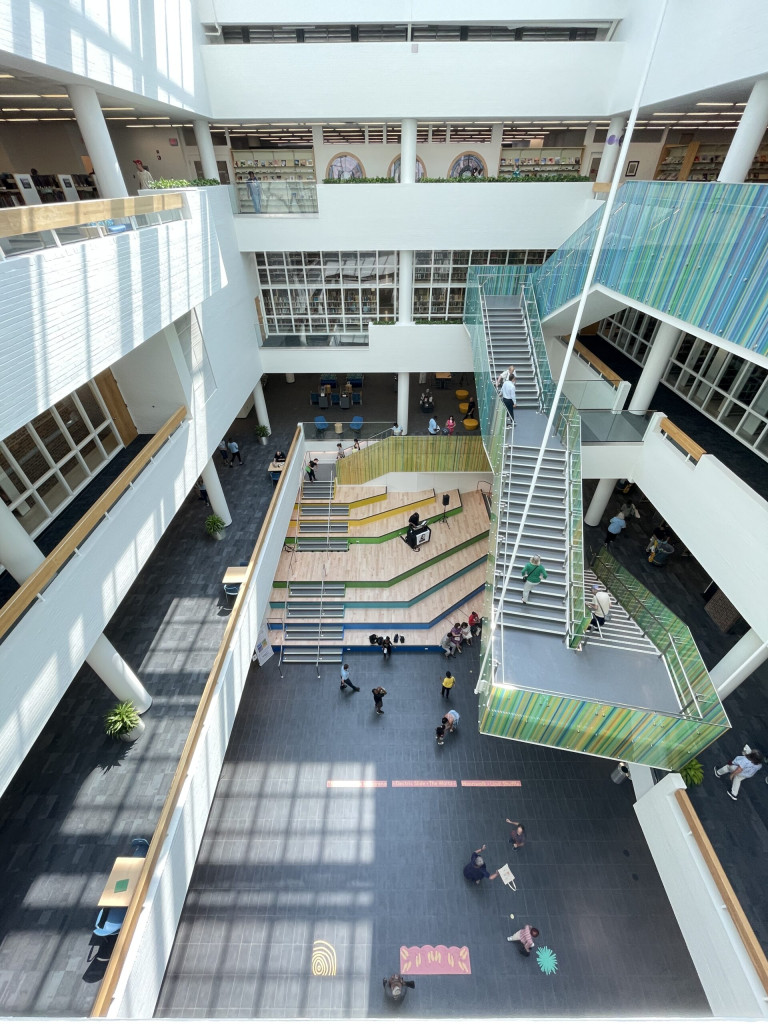
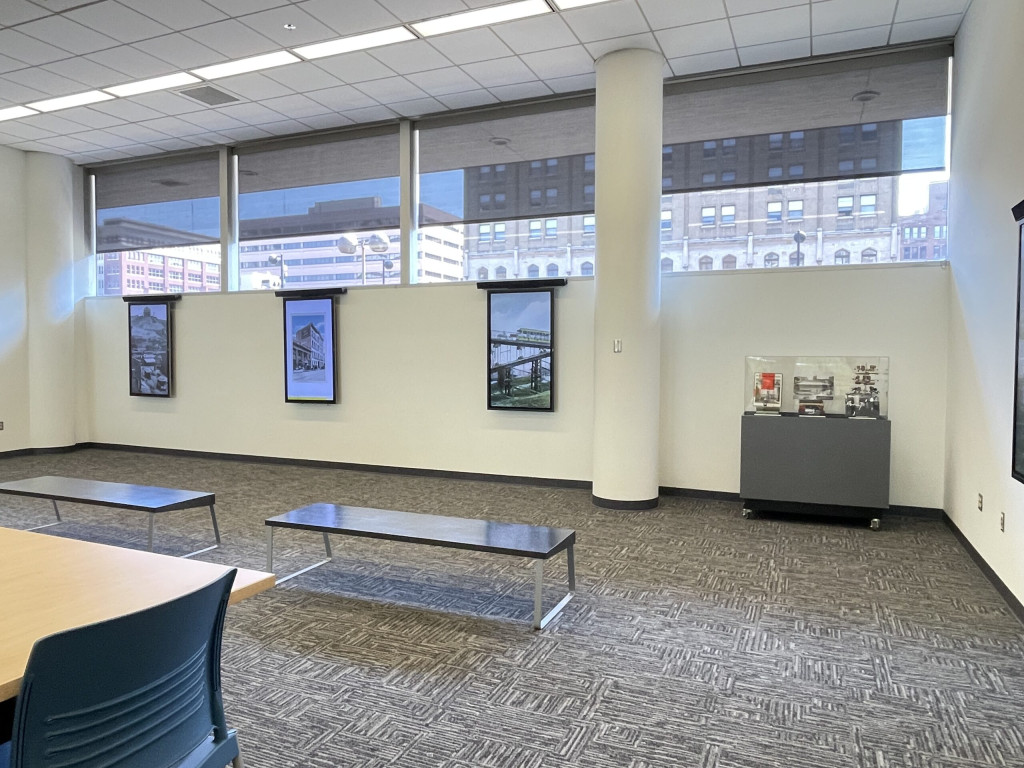
July 12th, 2024 – Opening Day! A view of the atrium with a new social staircase.

Exhibits

Exhibit prep work consisted of treatment, matting, creating custom supports, install on site (and more!) for eight different exhibits!

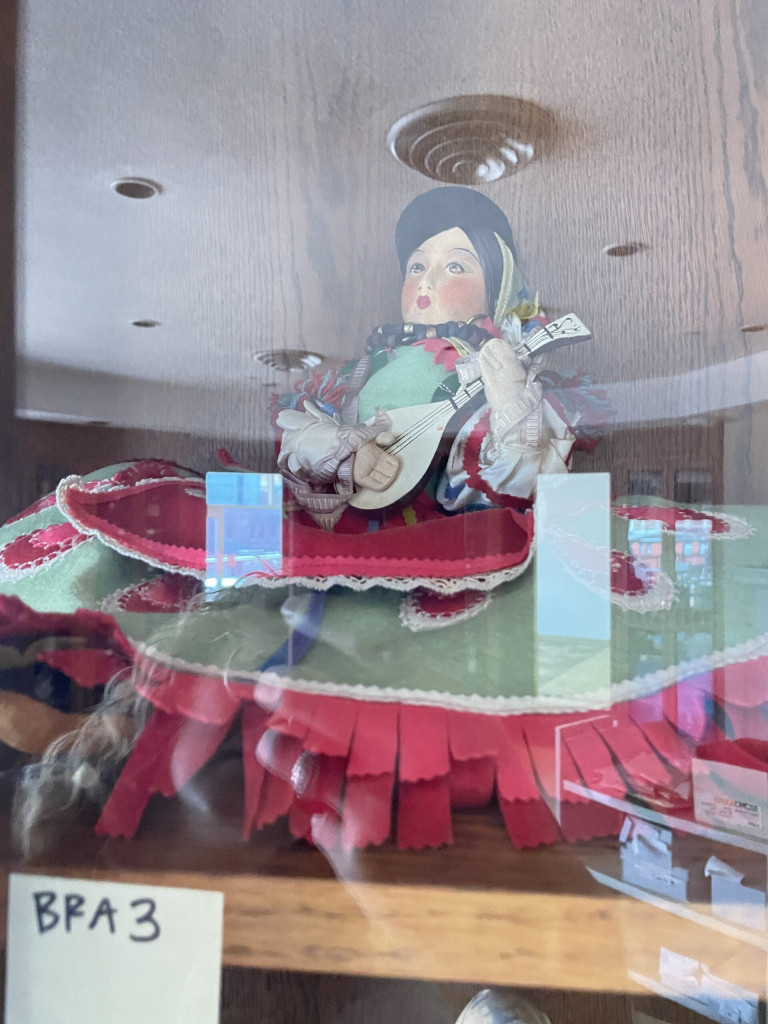
1. Eugenia Rhein Doll Collection
Meet Me at Main: Exhibit Prep for Reopening!
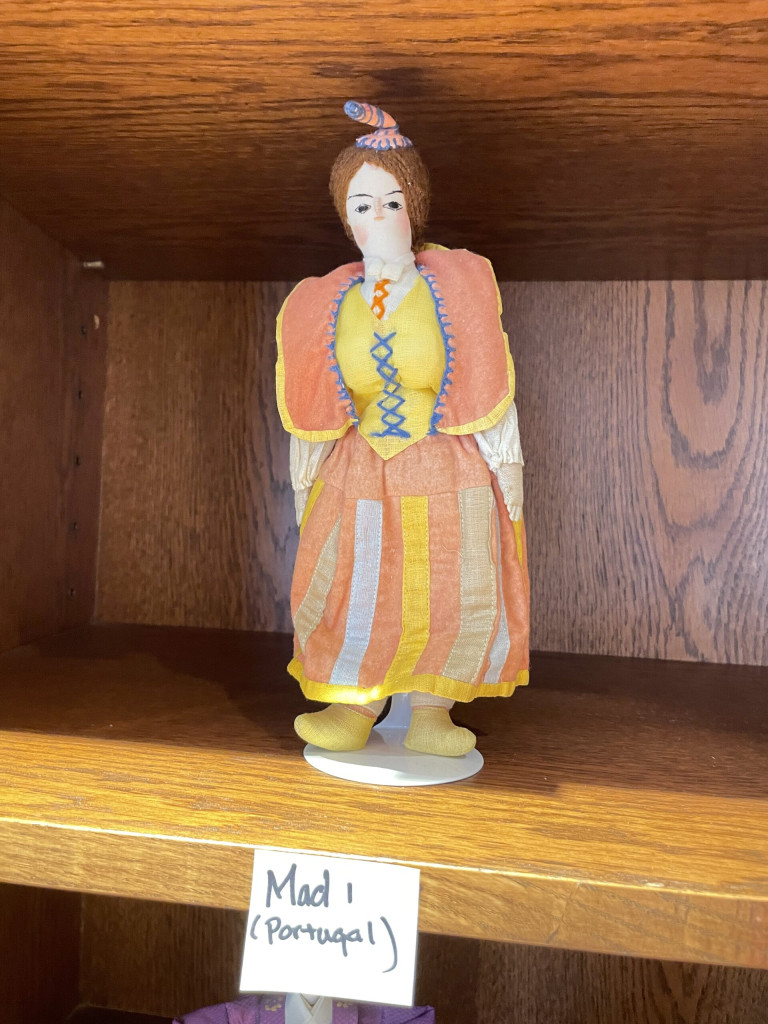
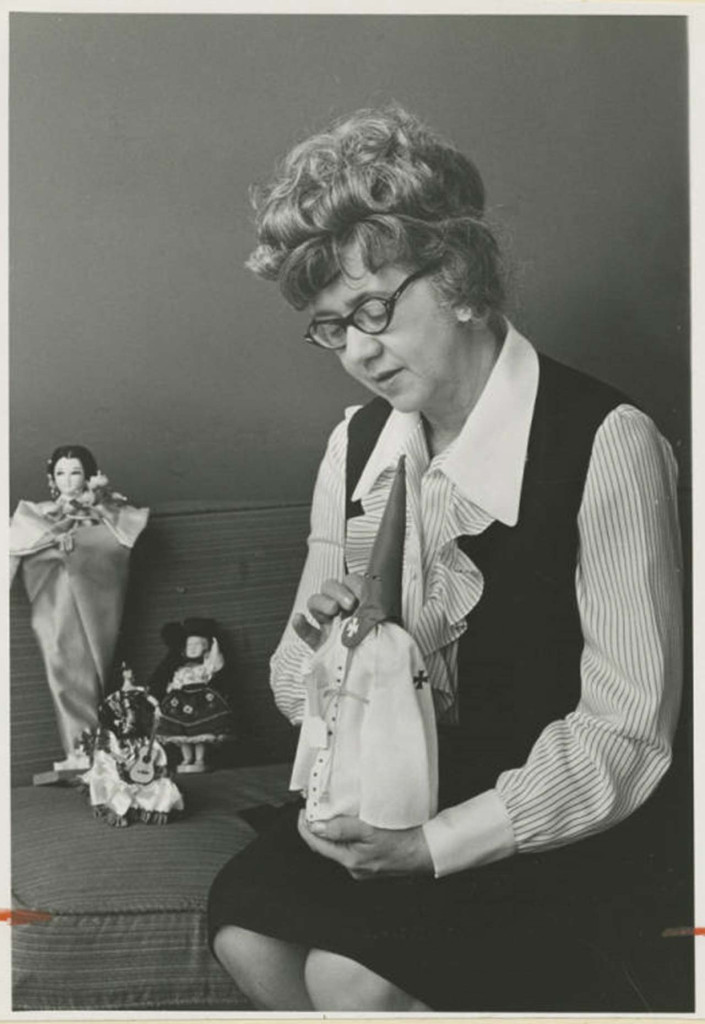
Eugenia holds a Spanish doll wearing a cofrades hat symbolizing penance, often worn on Easter

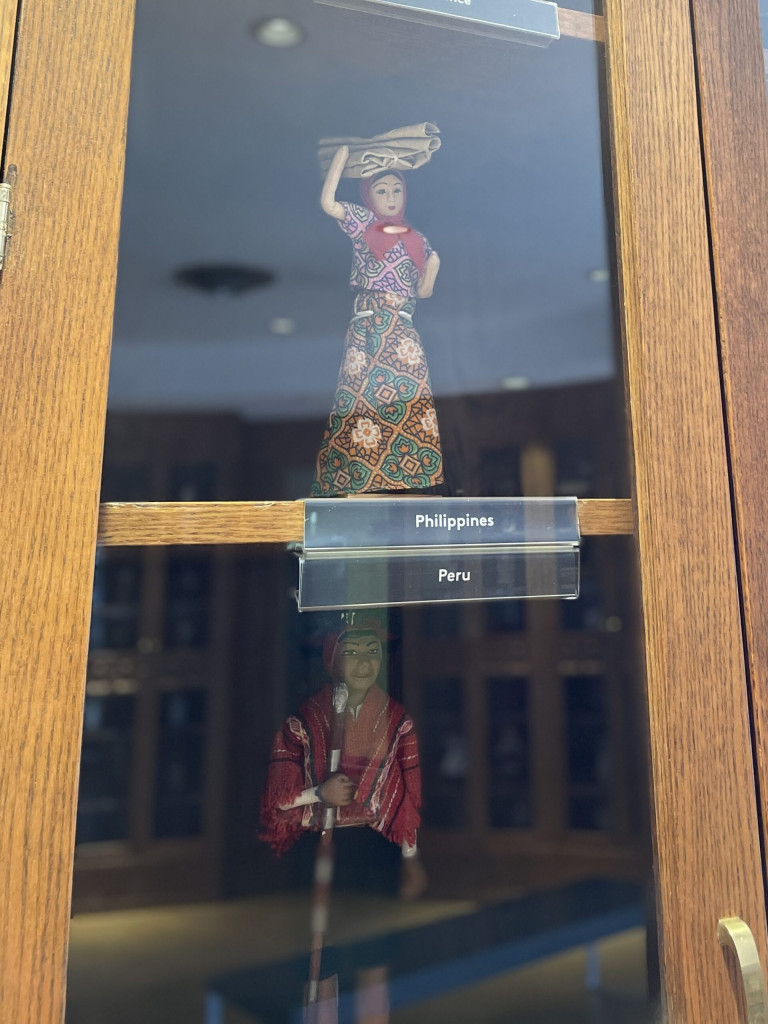
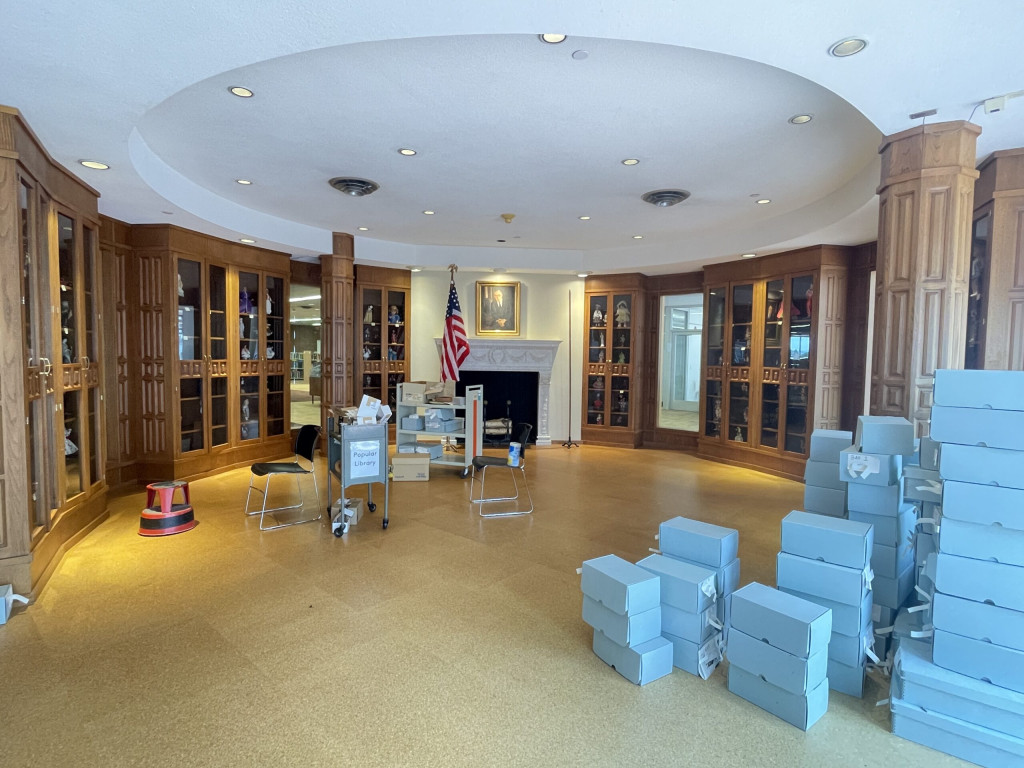
Located in the Nolan Room (namesake of John T. Nolan Jr, president of the board of trustees from 1951-1983, known as “Jack”), are a collection of dolls from all over the world, representing nearly 100 countries. The dolls were gifted to the Library by Eugenia Rhein who was an administration assistant and a deeply committed employee for over 40 years. During Eugenia’s extensive travels she collected the dolls from countries such as Kuwait, Algeria, Rhodesia, Korea, Pakistan, Whales and more. In the 1970’s the dolls were often used in displays at the library to tell stories about children from other cultures by the Children’s Librarian.

Image of Eugenia is courtesy of the Cincinnati and Hamilton County Public Library.

The Nolan Room

Now open to the public, this uniquely round room is located on the third floor next to the tower room.
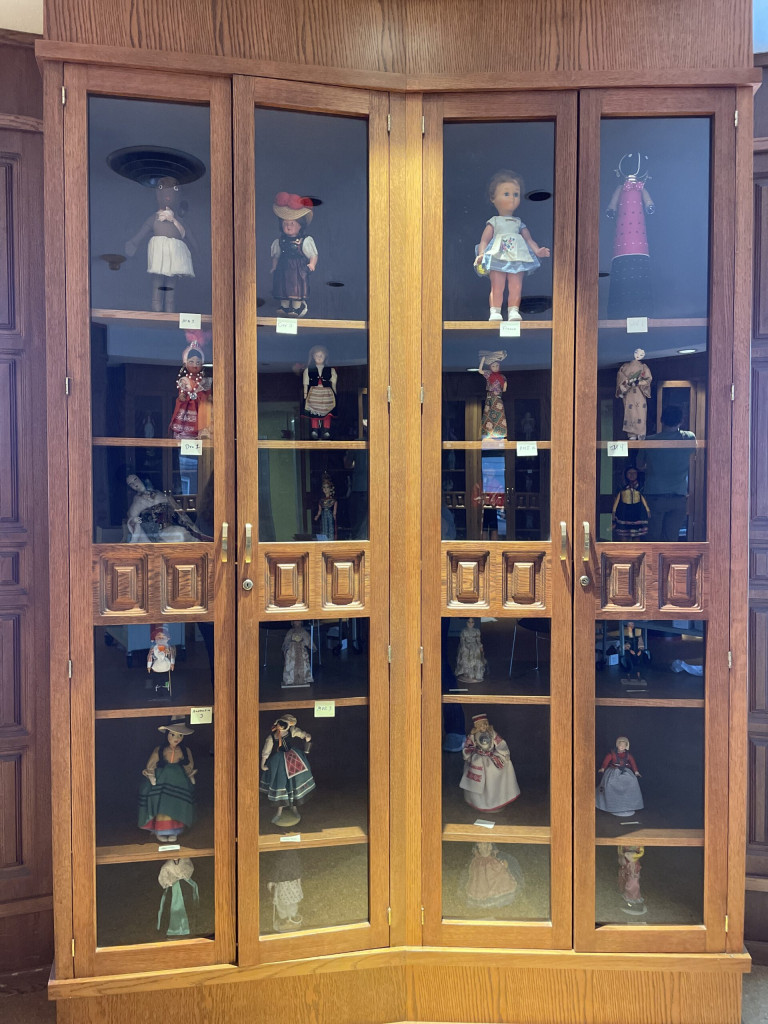
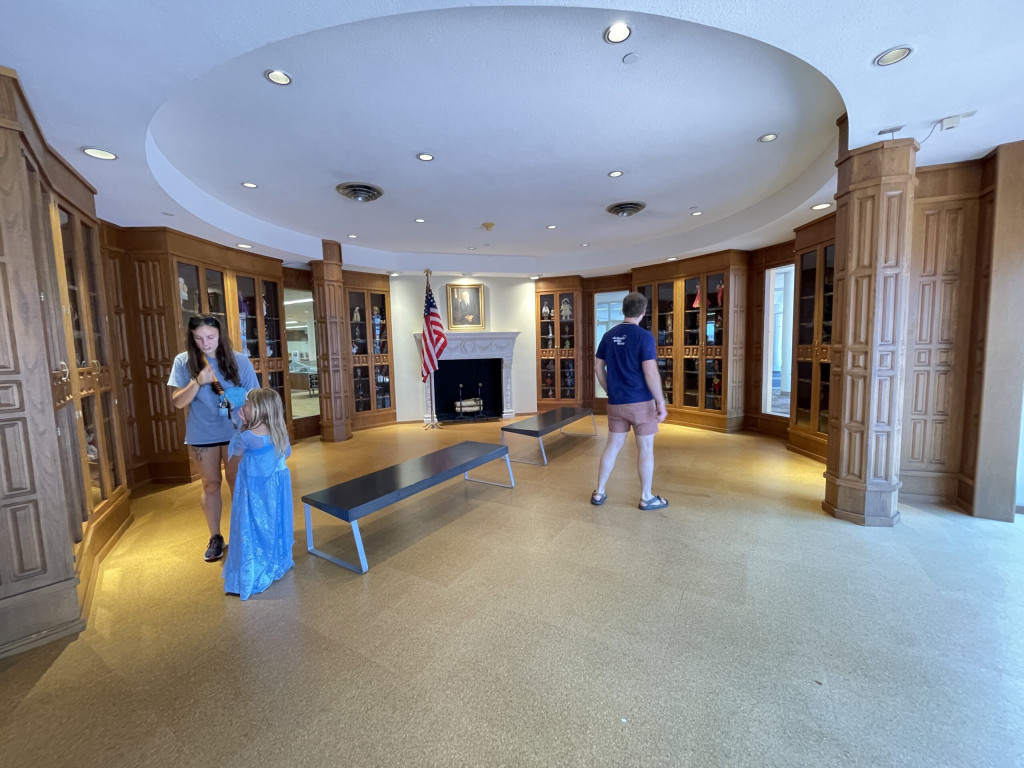
During Doll Installation
Meet Me at Main: Exhibit Prep for Reopening!
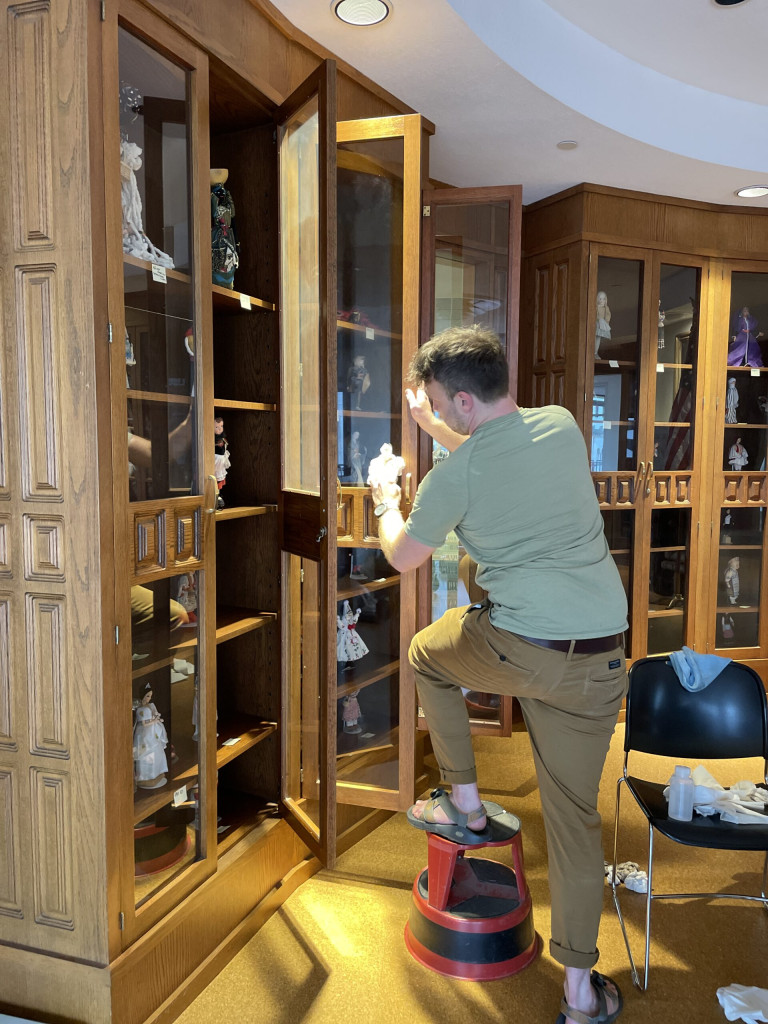
Matt McCoy cleans the glass inside and out
Meet Me at Main: Exhibit Prep for Reopening!
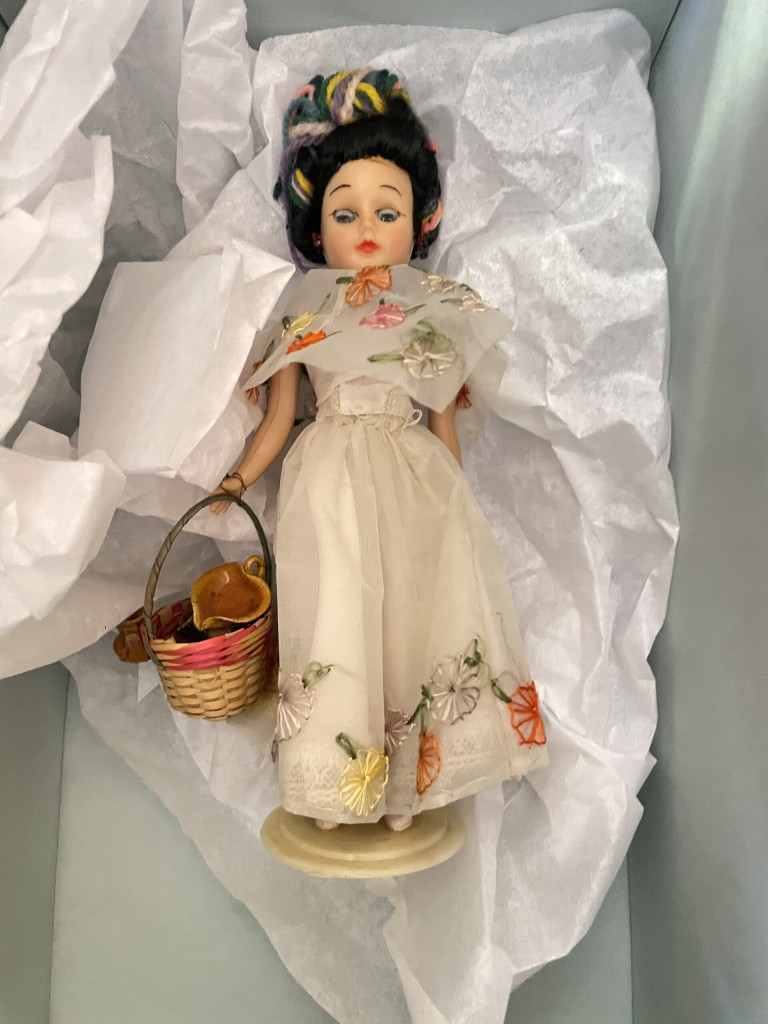
Empty doll boxes during installation

Dolls were examined for condition during install. Dolls too fragile (or broken) were left stored in their corrugated clamshells. Dolls in good condition were carefully placed on stands, secured around their waste. Larger dolls required special strapping or additional supports to secure the object in place. Minor treatment was performed on site to repair dolls, reduce creasing in outfits, or clean dust and debris.
2. Veterans Exhibit

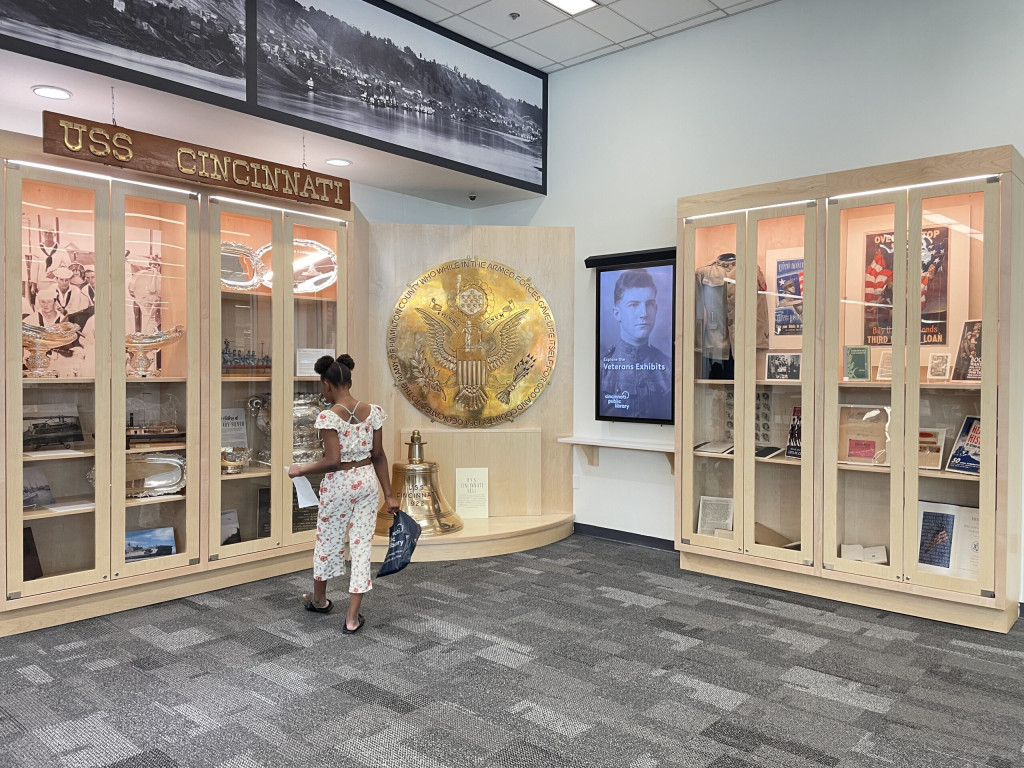
Located on the second floor at the top of the social staircase, a new purpose built space was built for the Veteran’s exhibit where artifacts are displayed in concert with stories provided by a digital exhibit and recorded interviews. The Book of Homage is highlighted with the pages turned periodically to reveal lists of names. Original War Bond posters, that were conserved and matted by the Preservation Lab, show the Victory Book Campaign requesting Americans donate books to their local library. War Bond posters will be rotated periodically to protect the vibrant printed colors from fading and the papers from darkening, but perhaps more importantly, show the wide range of art and messages conveyed during times of war.
Meet Me at Main: Exhibit Prep for Reopening!
New purpose-built Veterans exhibit the day of opening
Meet Me at Main: Exhibit Prep for Reopening!
One of my favorite war bond posters drawn by DR. SEUSS! (Not currently on display but available upon request.)

You might also be interested in:

  • This blog post where Jessica has highlighted war bond poster photographic documentation.
  • Conservation treatment reports for the War Bond Posters on the UC Libraries Digital Repository can be accessed here.
  • Digitized copies of many posters can be viewed on the CHPL Digital Library.

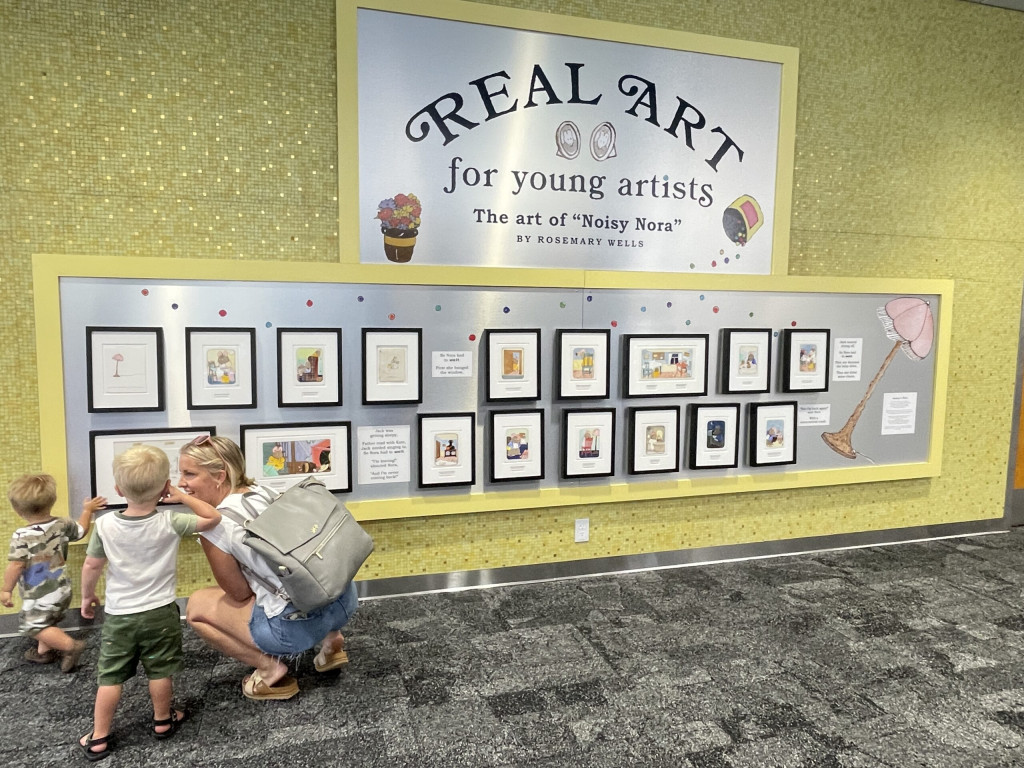
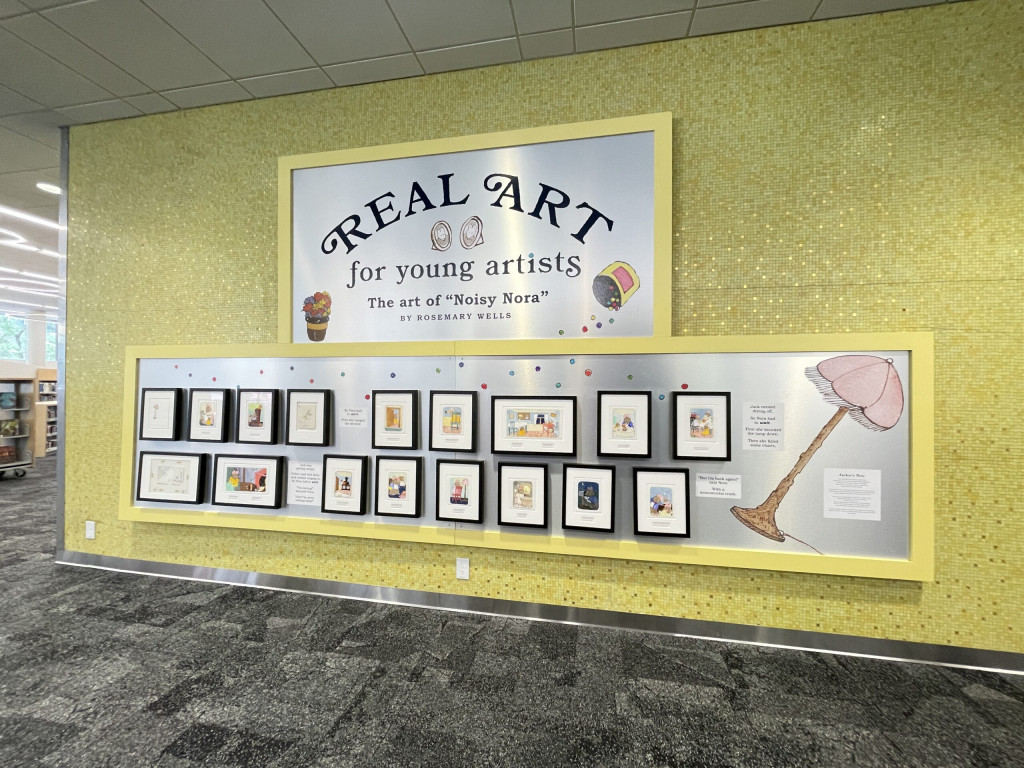
3. Real Art for Young Artists: Original Illustrations from Noisy Nora by Rosemary Wells

This exhibit, initially installed in the North building in 2019, was moved to the NEW children’s library location, now on the first floor in the renovated South building.

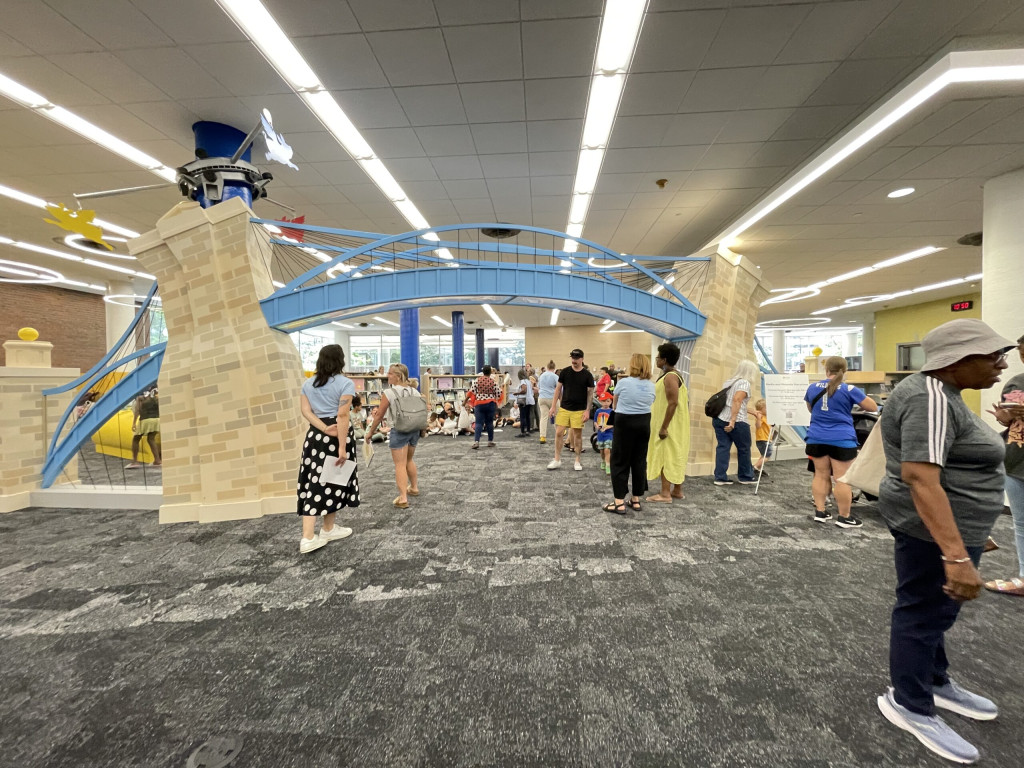
New Children’s Library
Meet Me at Main: Exhibit Prep for Reopening!
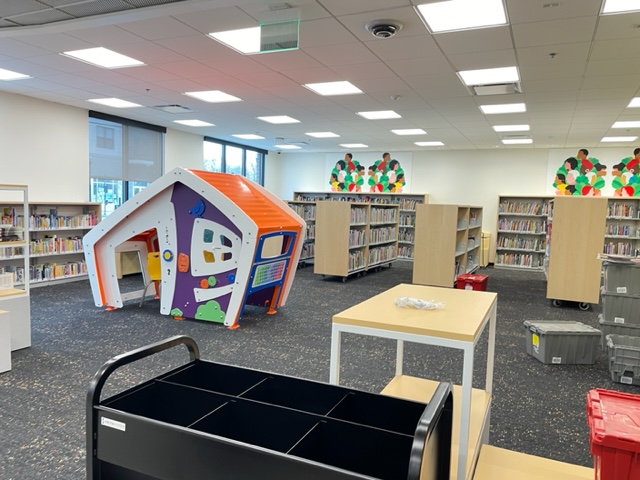
The new children’s library in the South building contains interactive sculptures with lights and sounds, such as this replica of the Roebling Bridge

Updated Exhibit Location

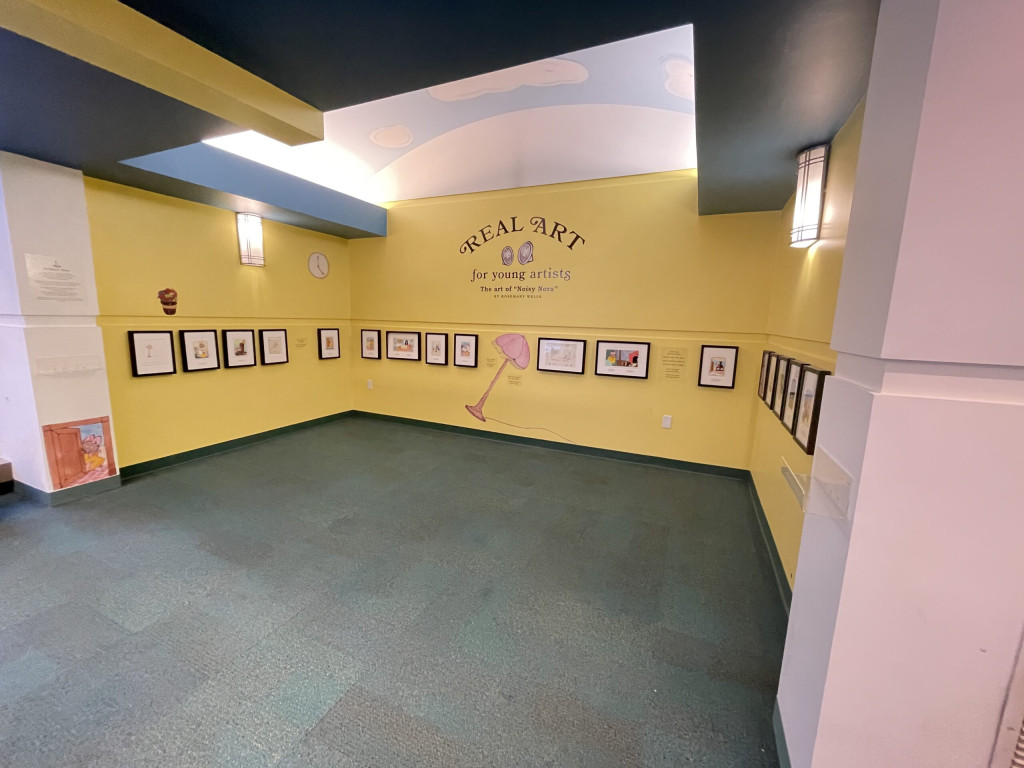
The exhibit showcases original hand-drawn illustrations created for the book Noisy Nora, donated to the library by the author and artist, Rosemary Wells.
Meet Me at Main: Exhibit Prep for Reopening!
Original 2019 location in North building
Meet Me at Main: Exhibit Prep for Reopening!
New 2024 installation in South building

Exhibit Preparation

Luckily, much of the exhibit prep work had already been completed in 2018 for the initial installation (you can read about the original conservation and matting of the illustrations here that are UV protected and waterproof!), but now it was time for maintenance and upkeep.

In particular, the glazing on the frames had developed an iridescent coating residue from well-intentioned cleaners. This made detailed viewing of the illustrations problematic.

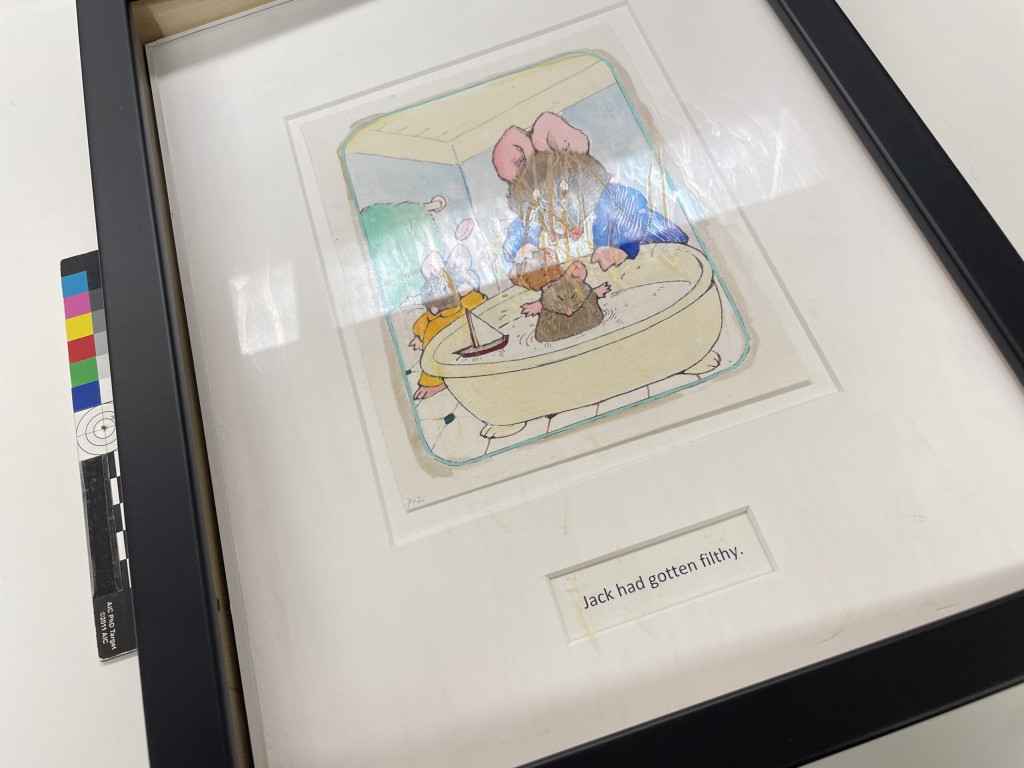
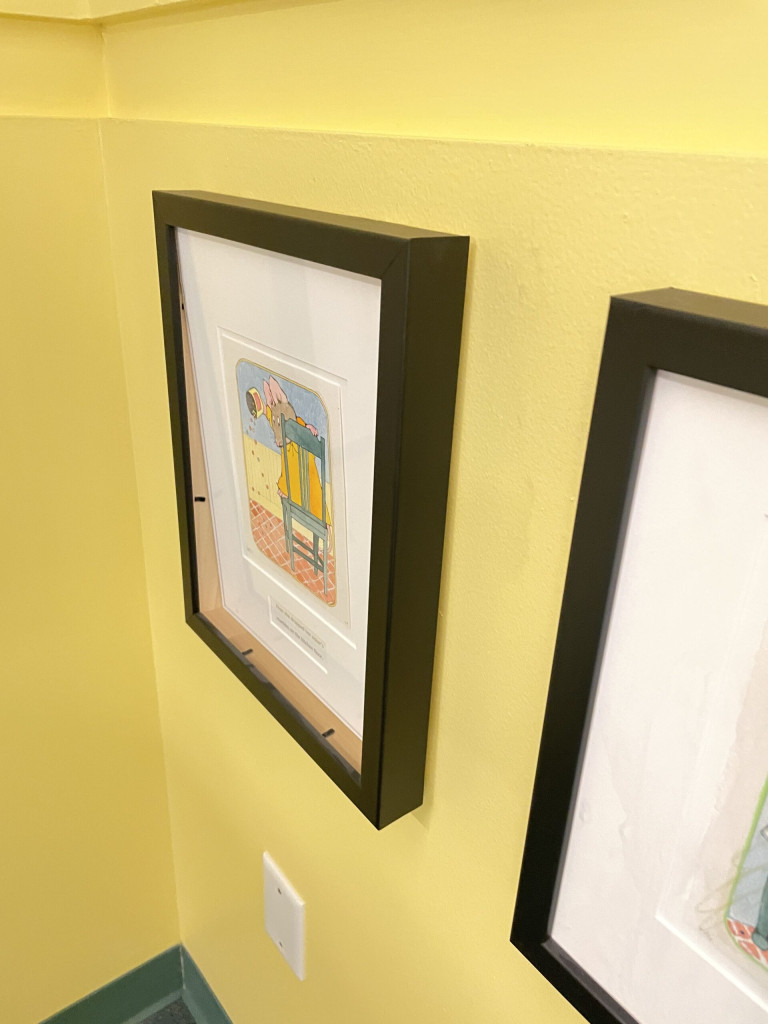
Other issues stemmed from the art being at children’s height. The matting and glazing packages had come loose from the frames in a few instances from being pushed inward. Others, such as the illustration “Jack had gotten filthy” had been drawn on with yellow crayon. The crayon marks were not easily removable and needed evaluation by the conservation team to improve.

Despite these issues, due to our forward-thinking work in 2018, the tightly sealed matting packages kept the original artwork completely safe and undamaged. Improvements required adjustments to the frames only!
Meet Me at Main: Exhibit Prep for Reopening!
Before exhibit maintenance, the glazing of the matting package suffers from being drawn on by crayons
Meet Me at Main: Exhibit Prep for Reopening!
Before exhibit maintenance, a matting package was pushed into the frame
Meet Me at Main: Exhibit Prep for Reopening!
During treatment, the matting package is secured with strong nails to the inside of the frame rather than using the folding metal tabs
Meet Me at Main: Exhibit Prep for Reopening!
After treatment the art is secured in the frames and the UV coated glazing is clean

4. History of the Library

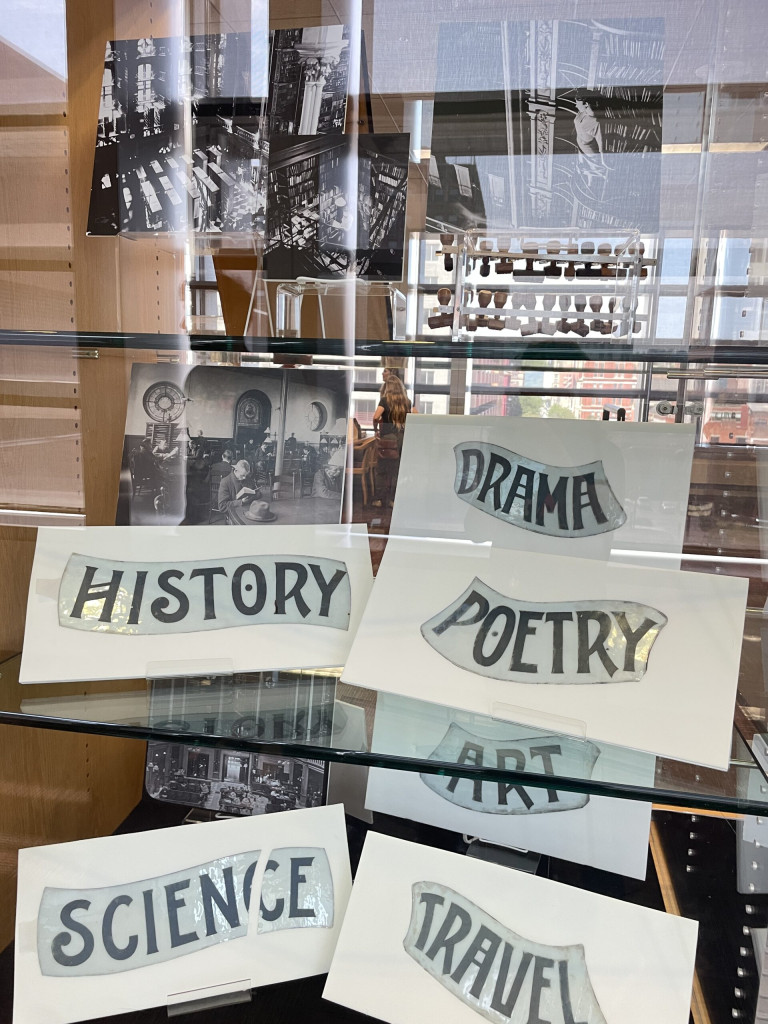
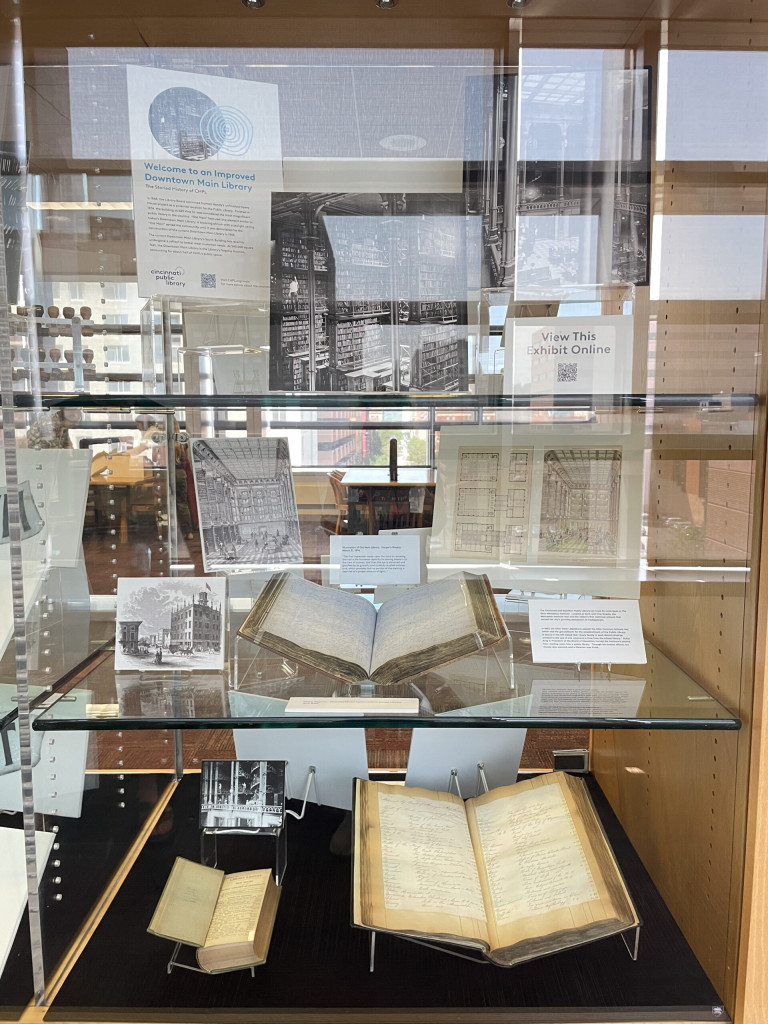
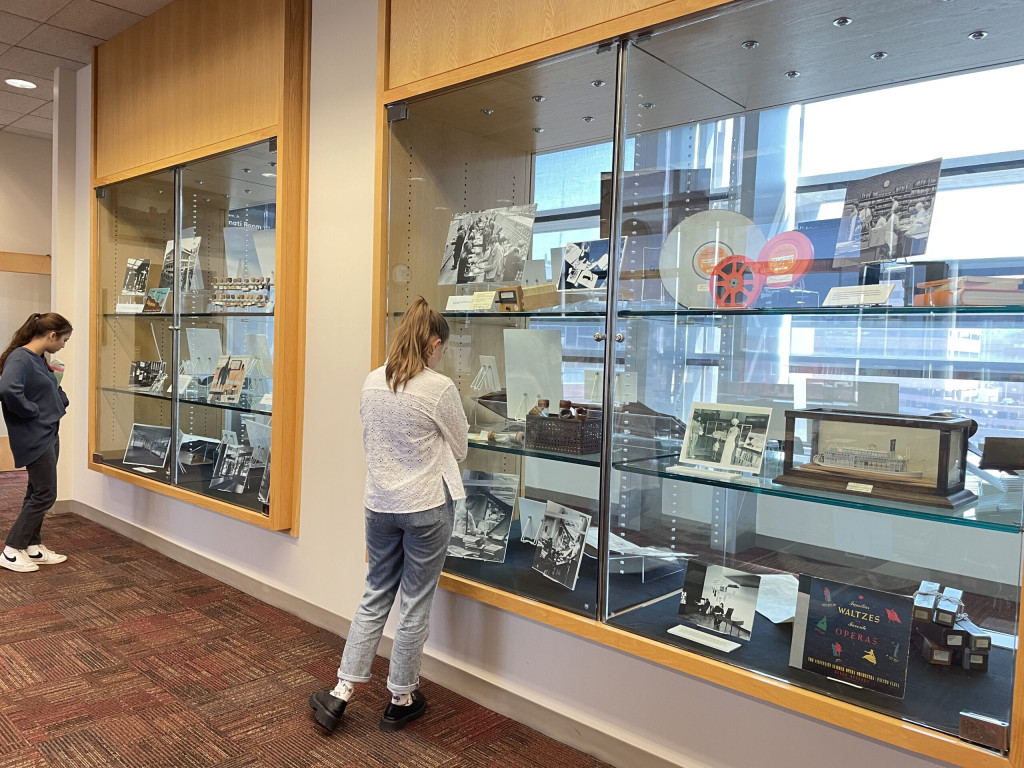
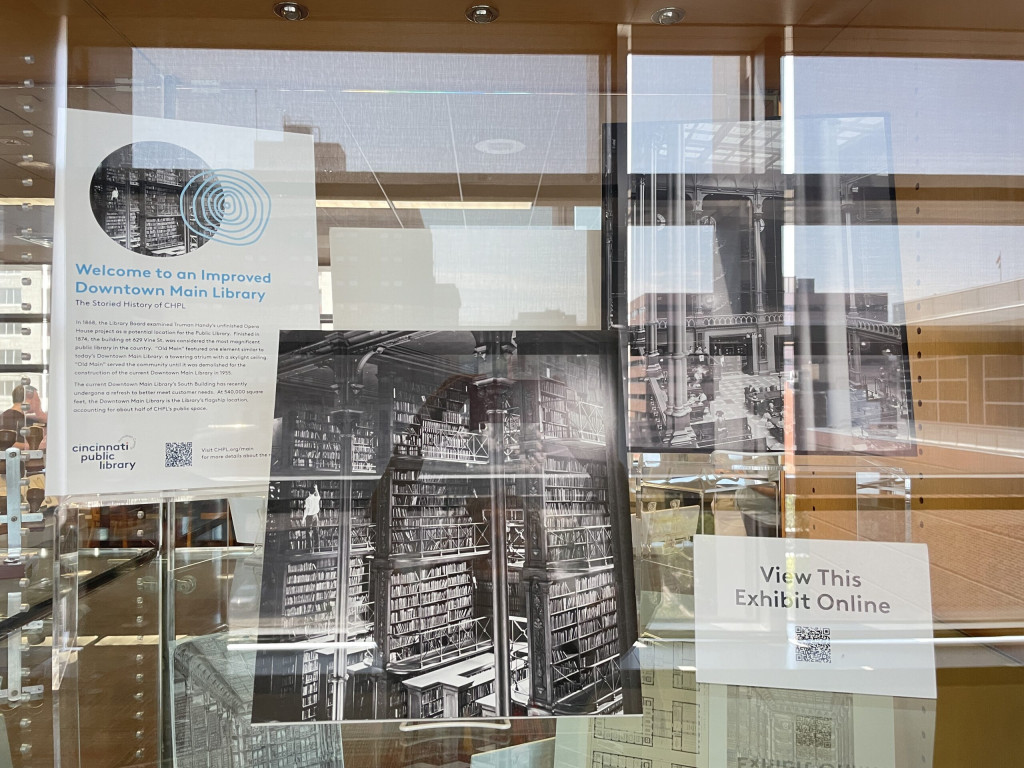
With the establishment of the Cincinnati and Hamilton County Public Library in 1853, it’s no surprise that it’s one of the oldest libraries in the county and thus full of history to highlight! This physical exhibition beautifully compliments the online virtual exhibit located here.

The physical exhibit is located on the 3rd floor in the Cincinnati Room along the connector where special collections are carefully monitored while on display with specialized light, humidity and temperature controls.

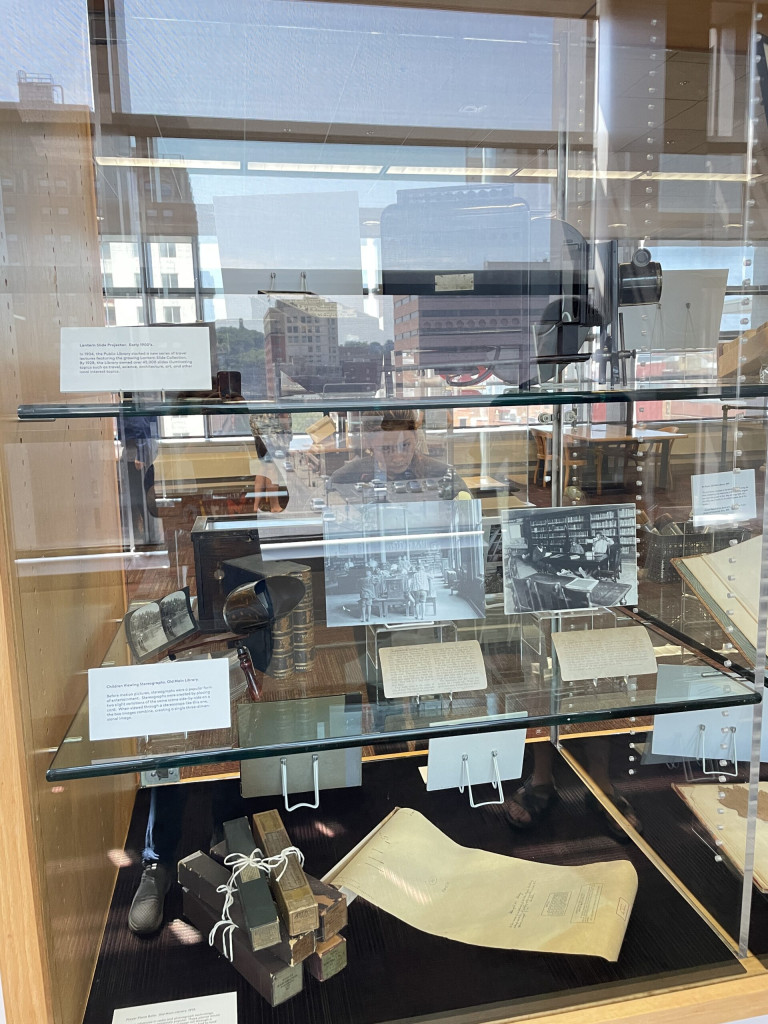
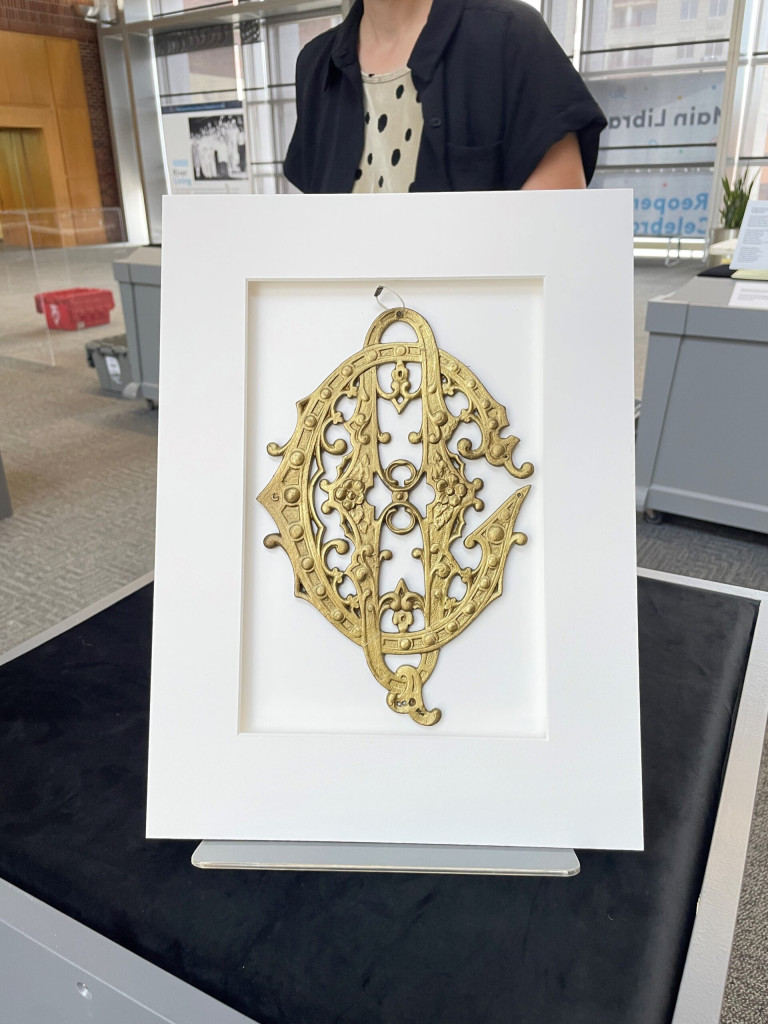
On view are captivating images of the iconic lost library of Vine Street as well as other branch locations, many of which are Carnegie buildings. You can also get up close and personal with past library technologies and special collection objects such as stained glass from the original Vine Street location.
  • Meet Me at Main: Exhibit Prep for Reopening!
  • Meet Me at Main: Exhibit Prep for Reopening!
  • Meet Me at Main: Exhibit Prep for Reopening!
  • Meet Me at Main: Exhibit Prep for Reopening!
  • Meet Me at Main: Exhibit Prep for Reopening!
  • Meet Me at Main: Exhibit Prep for Reopening!
  • Meet Me at Main: Exhibit Prep for Reopening!

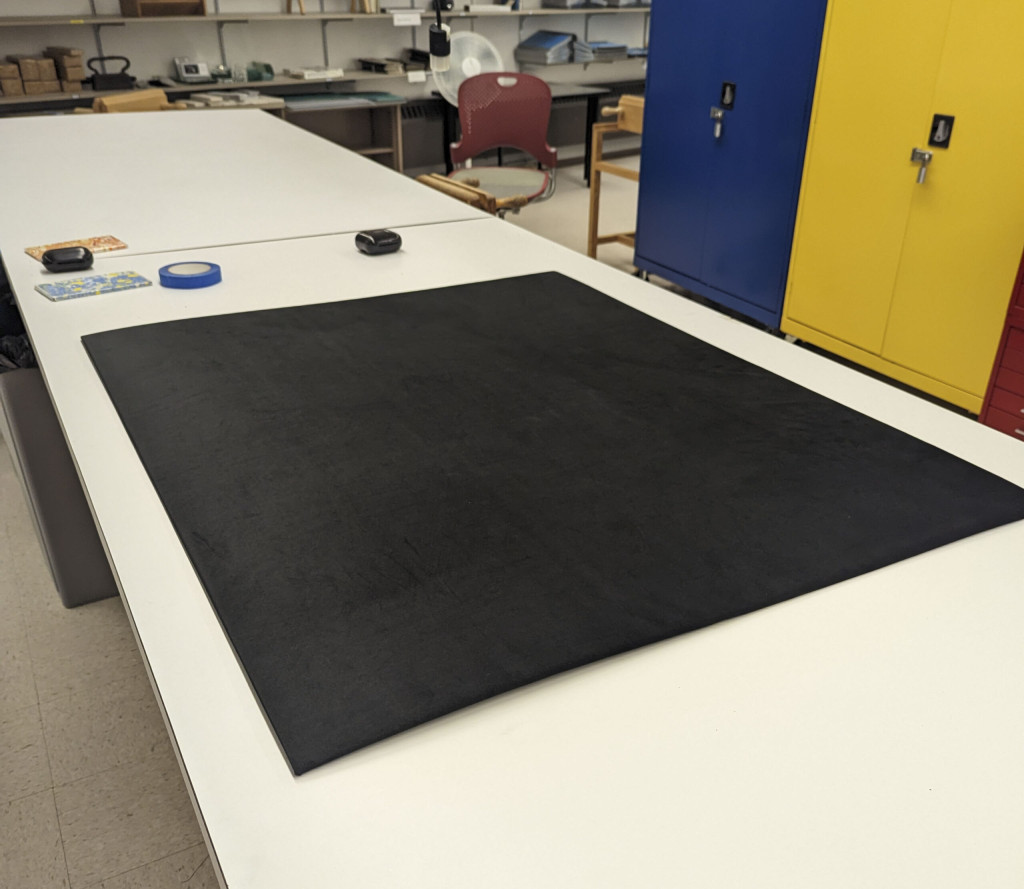
For this exhibit (and many others!), Conservation Specialist, Matt McCoy worked diligently to replace non-archival black felts at the base of the cases with fresh polyester velvet covered boards. This great improvement is not only archival, but no longer slips and slides when objects are set in place and it’s easily removable to clean crumbs of books off with a brush.
Meet Me at Main: Exhibit Prep for Reopening!
Matt created custom boards covered in polyester velvet in the lab…
Meet Me at Main: Exhibit Prep for Reopening!
Then tweaked and installed on site!

5. Circulating Art Books

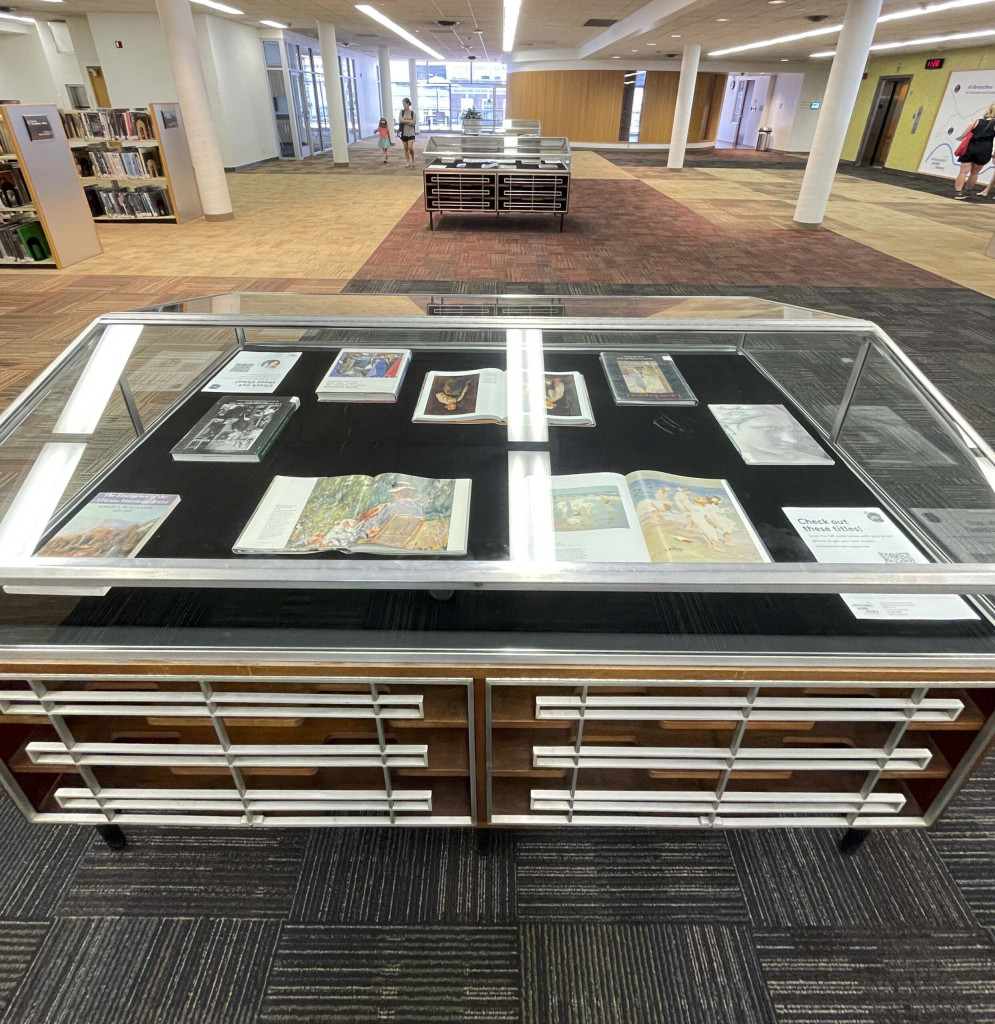
Located on the third floor of the South building, these stylish 1950’s cases were also refreshed by the lab with new bases of polyester velvet covered boards.

Currently on display are a variety of beautiful art books, sometimes referred to as coffee-table books. Unlike materials in the Cincinnati Room, these materials can be checked out and taken home!
Meet Me at Main: Exhibit Prep for Reopening!
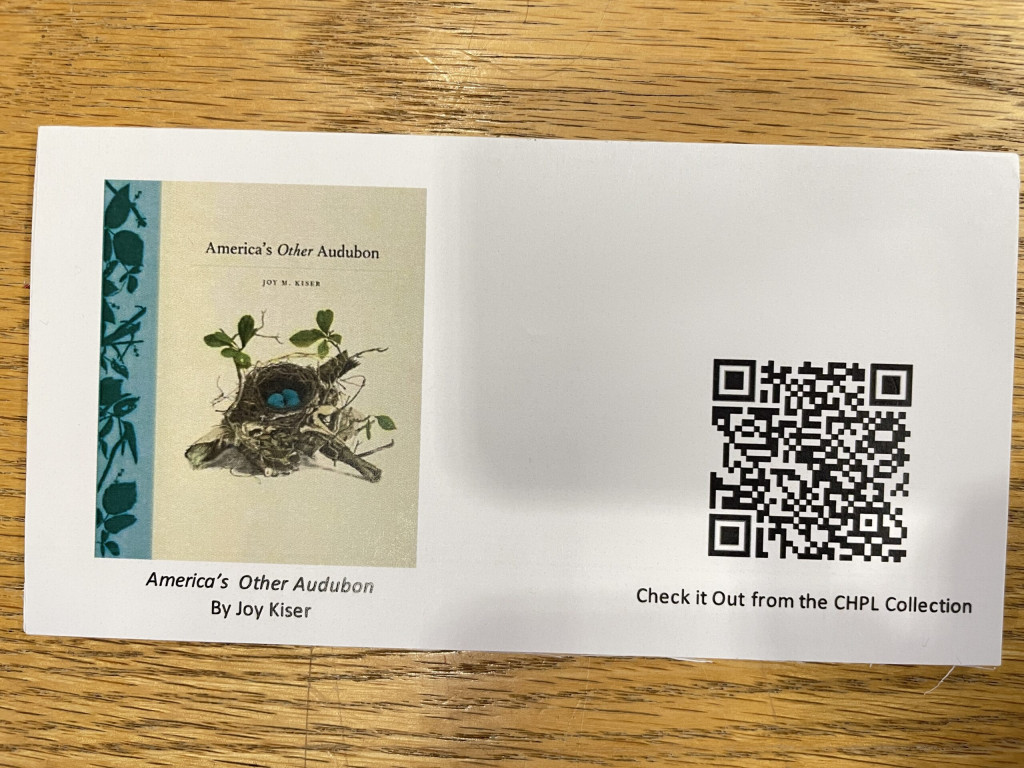
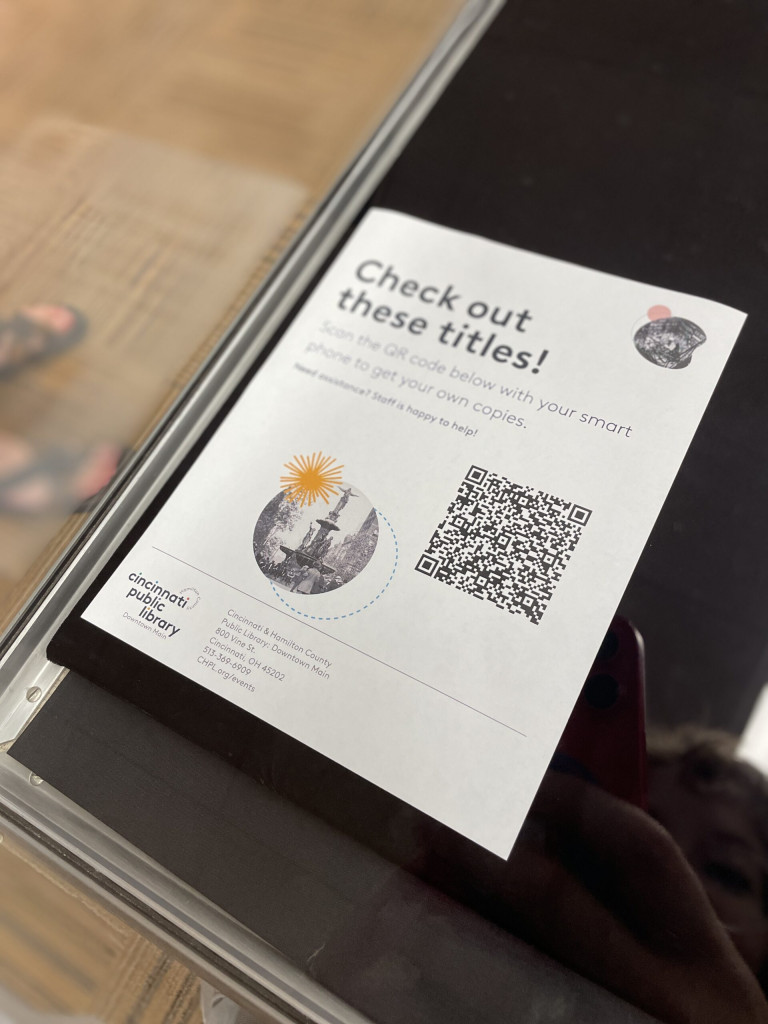
Interested in an art book you see? Scan the QR code to check out any of the titles on display!

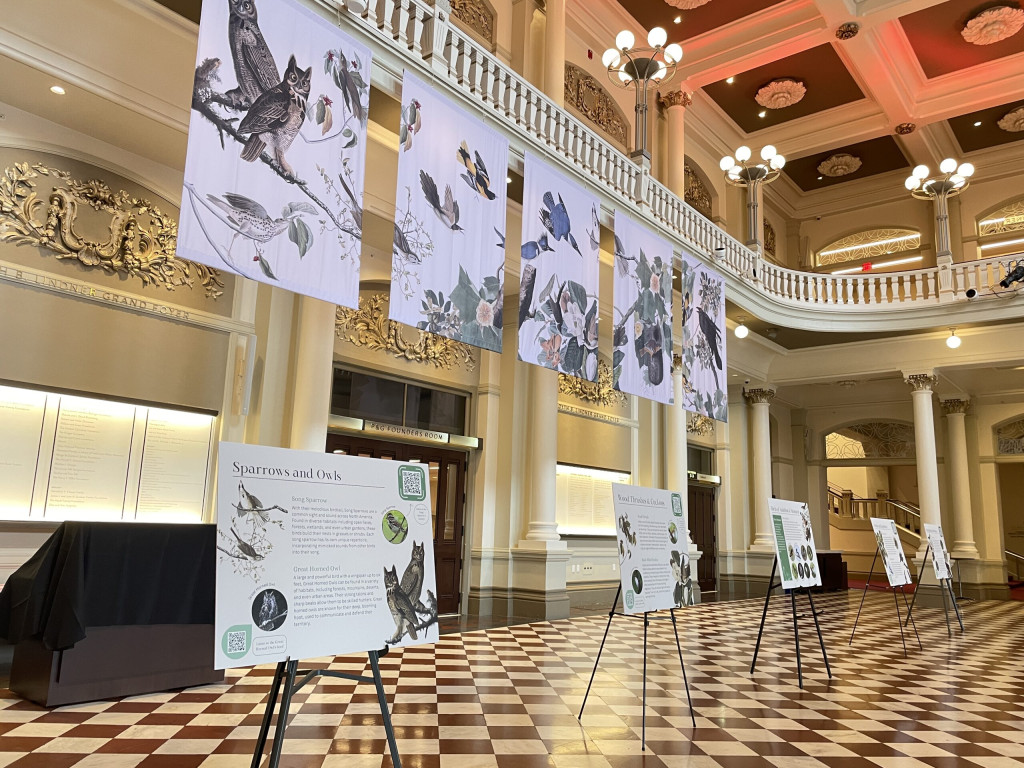
6. Birds of America by John James Audubon

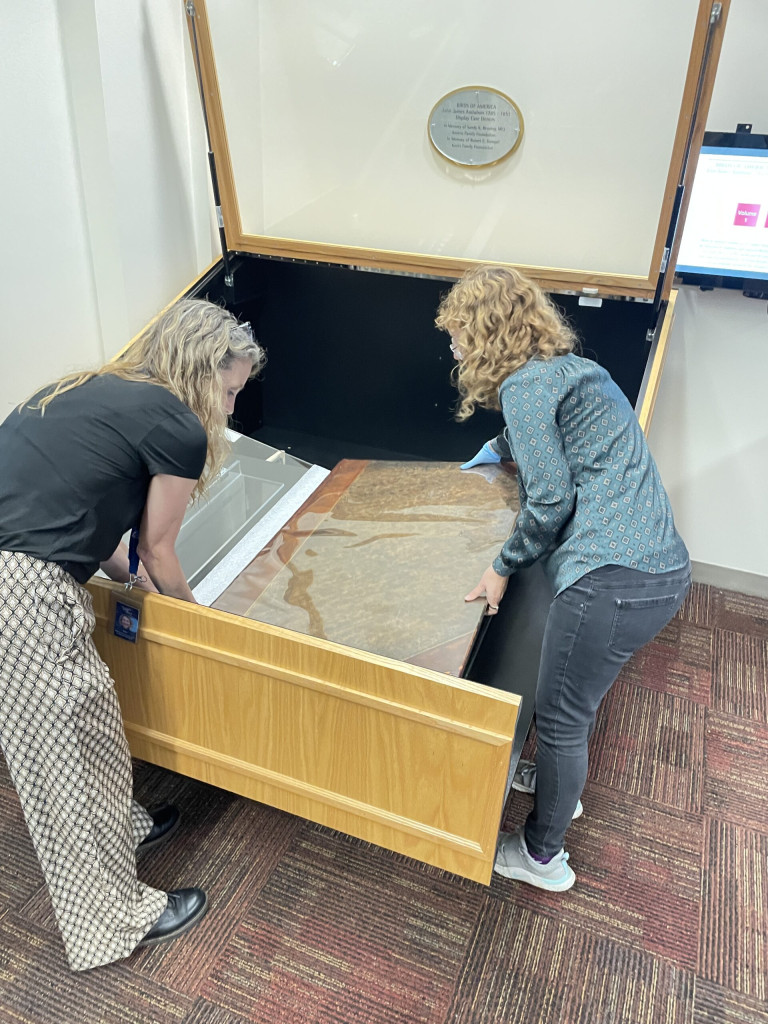
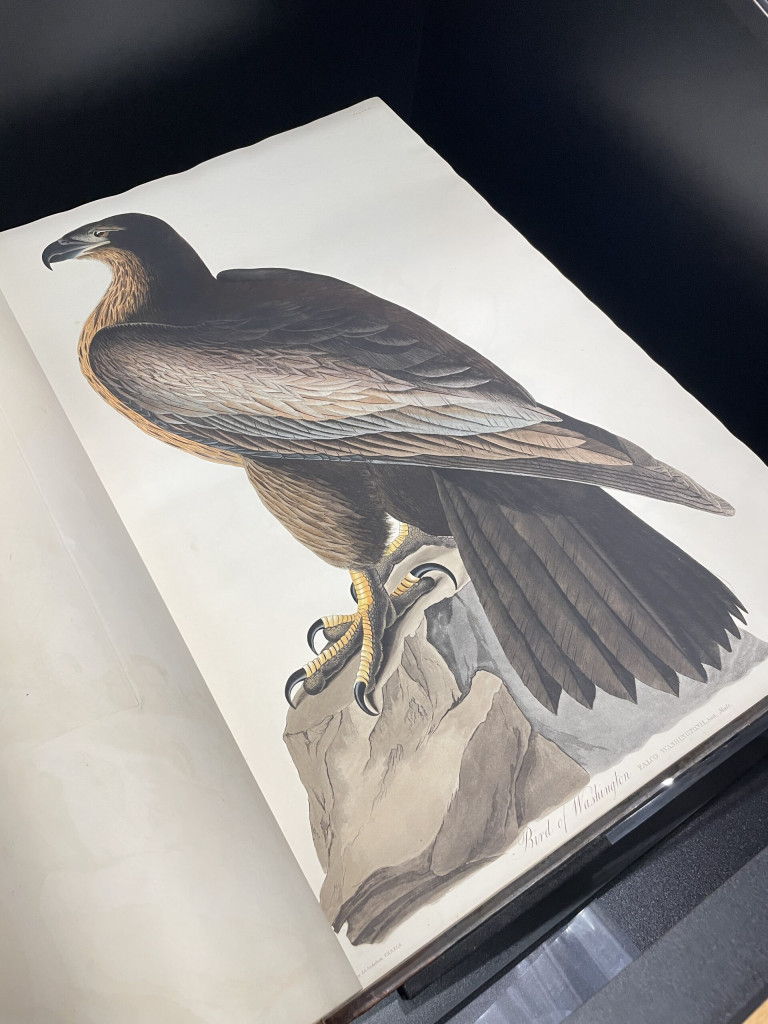
Located in the reading room, named the Cincinnati Room, on the 3rd floor connector is where one of the library’s most famous special collection items lives. This item is proudly back on display after resting during renovations. It is the early 19th century double elephant folio known for its gigantic size: the Birds of America Vols. 1-4 by John James Audubon.

With pages that are turned once a week, their grandeur enables you to see the birds represented to scale! Even the flamingo is life size (albeit the neck is wrapped around the page instead of upright).
Meet Me at Main: Exhibit Prep for Reopening!
The Washington Sea Eagle is nearly four feet tall, located in Volume 1.

Exhibit Installation

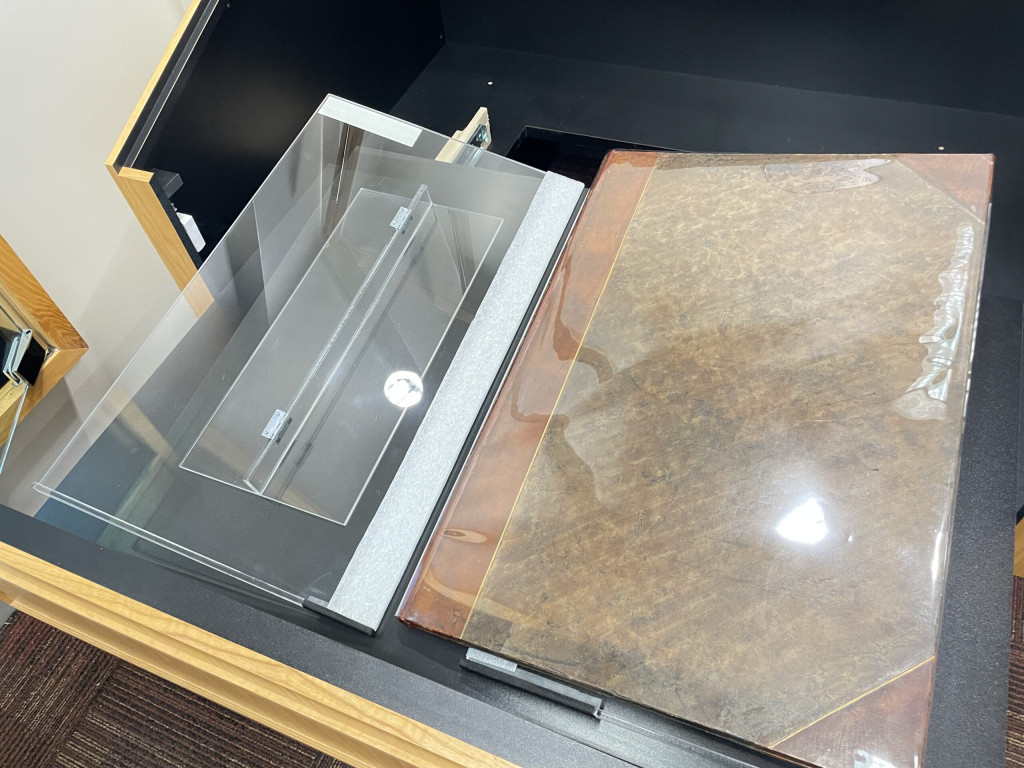
Cleaning the cases was the first step before installation as they were covered in construction dust inside and out! Before main closed for renovations, the Cincinnati Museum Center modified these cases for us so that the beds pull out for easy access. Their generous modifications were provided as a thank you for loaning all four volumes of the Birds of America for their 2019 exhibit titled In the Audubon Tradition and were a wonderful improvement!
Meet Me at Main: Exhibit Prep for Reopening!
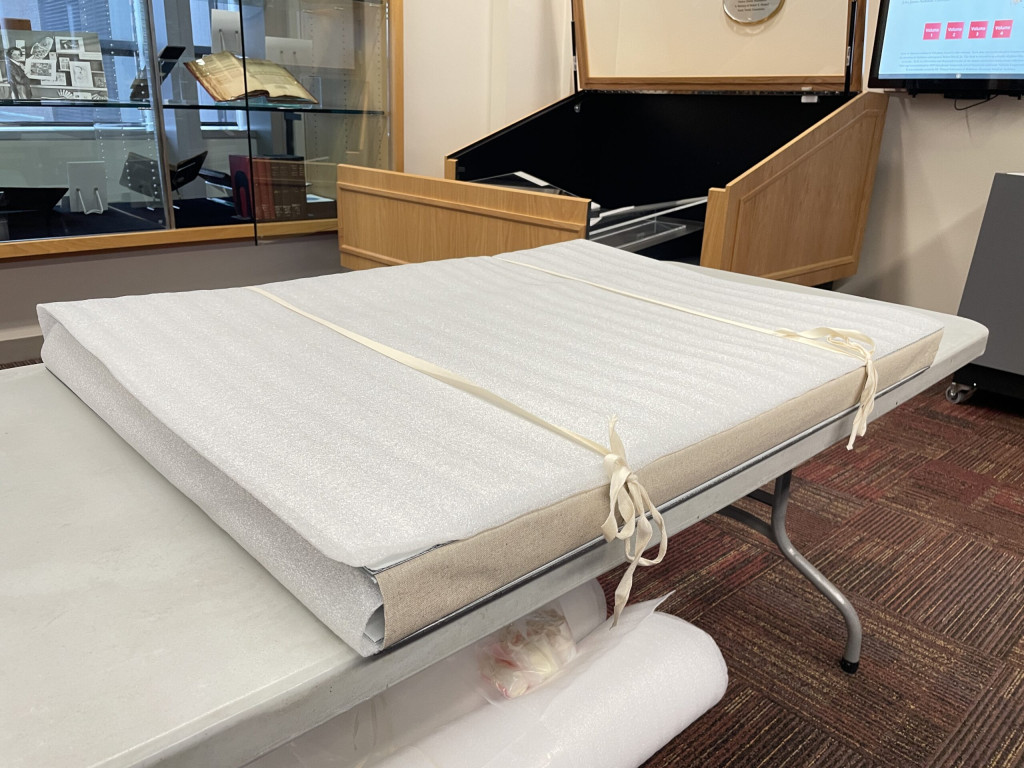
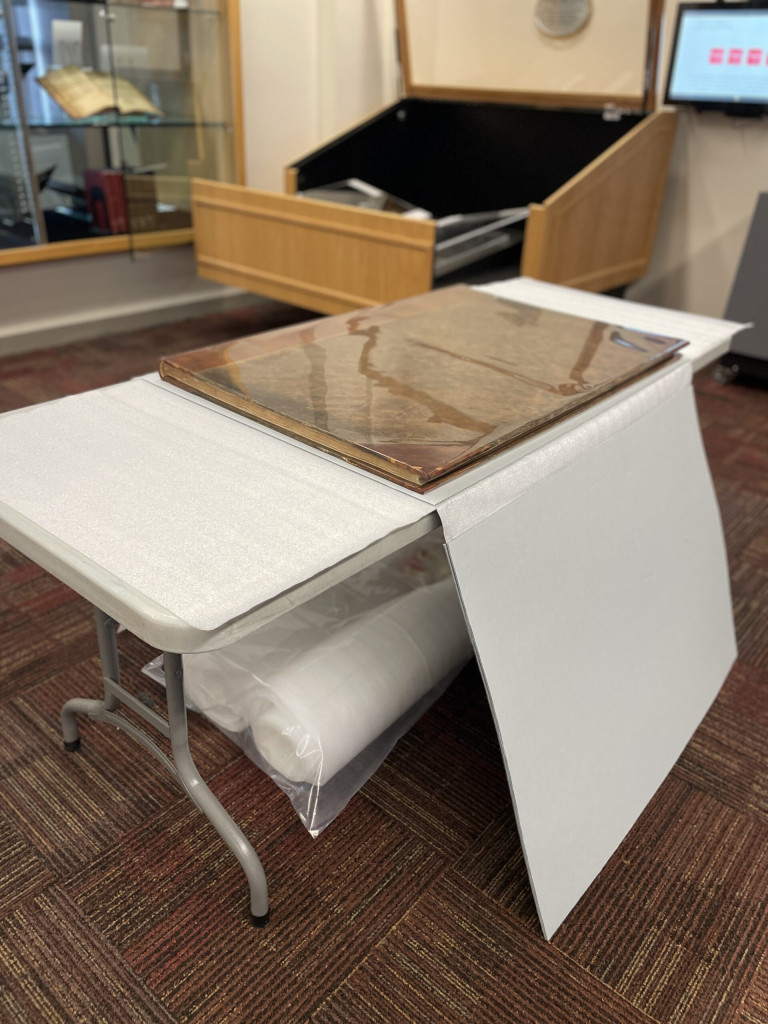
Volumes are protected with custom wrappers. Wrappers consist of strong but lightweight Dibond, archival corrugated board, cloth spines, and ethafoam sheeting secured with cloth ties.
Meet Me at Main: Exhibit Prep for Reopening!
Volumes are also covered in polyester jackets
Meet Me at Main: Exhibit Prep for Reopening!
These heavy books require at least two people to carry
Meet Me at Main: Exhibit Prep for Reopening!
Books are supported with hinging cradles from Benchmark Catalog. The cradles adjust to the weight of the book when pages are turned.
Meet Me at Main: Exhibit Prep for Reopening!
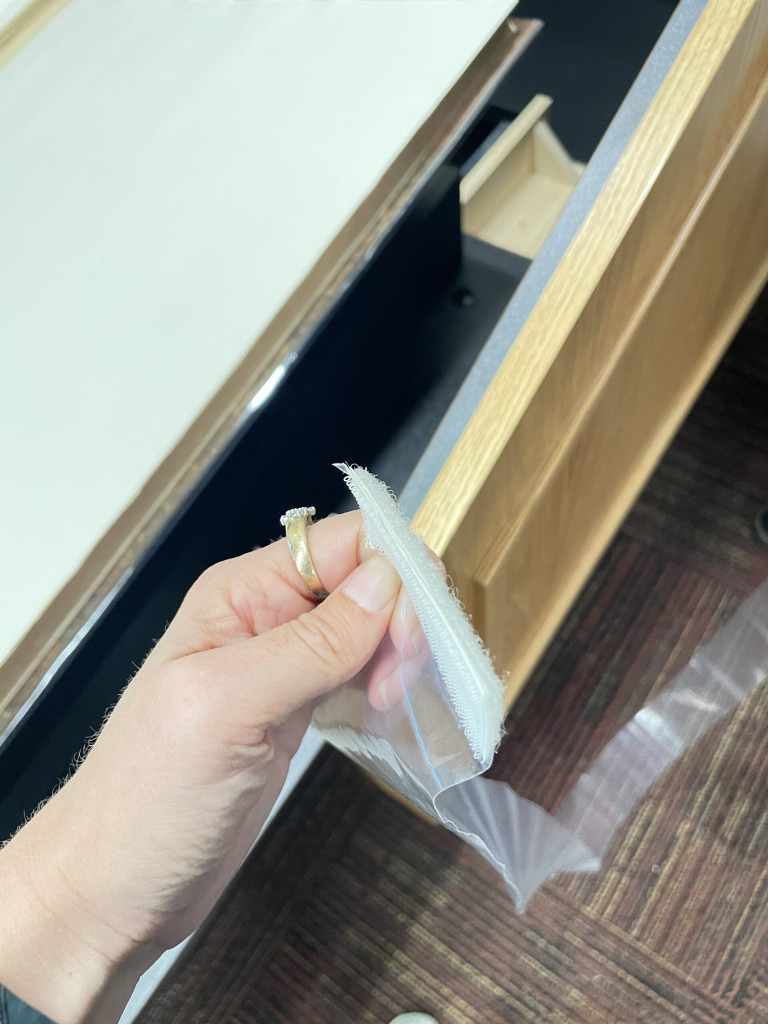
Polyethylene strapping attaches to back of the cradles with Velcro. Strapping protects pages from sagging due to gravity.
Meet Me at Main: Exhibit Prep for Reopening!
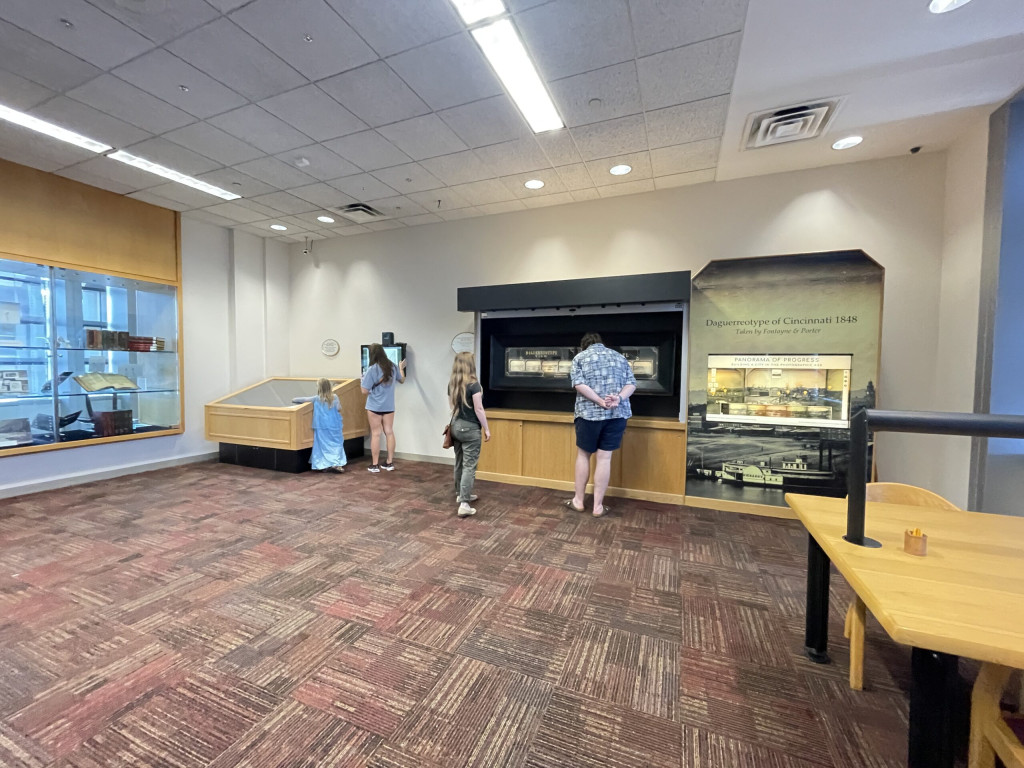
The digitized pages are available on a touch screen next to the display case. Nearby, the 1848 eight-plate daguerreotype panorama is also on display!

Supplemental Materials

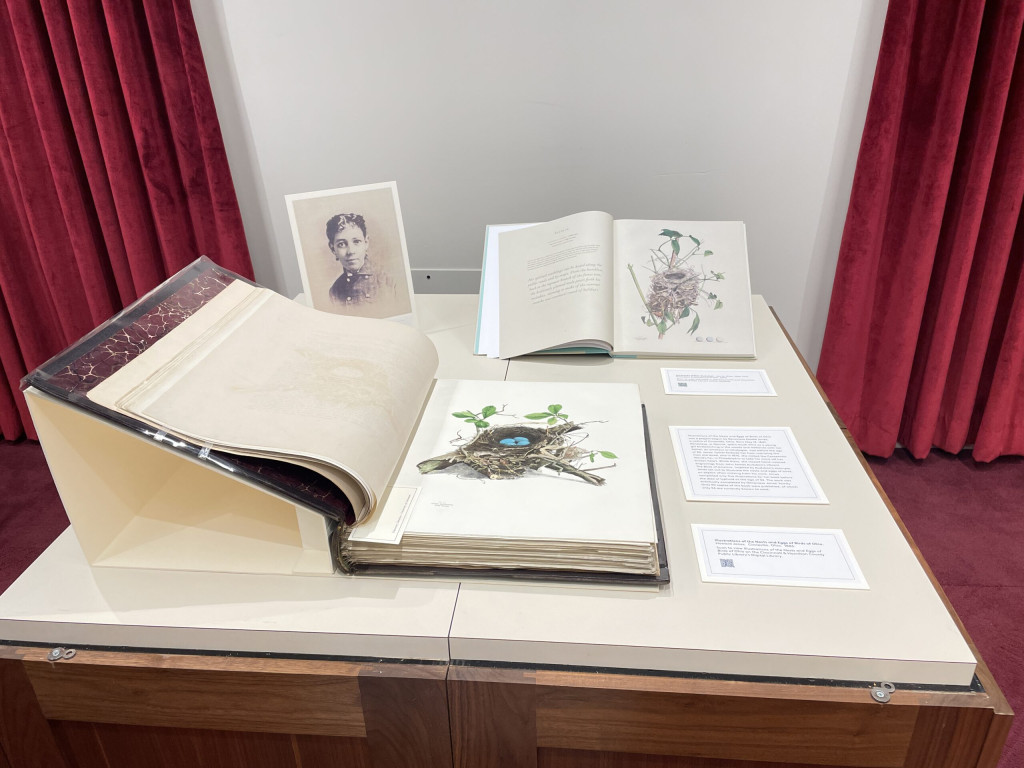
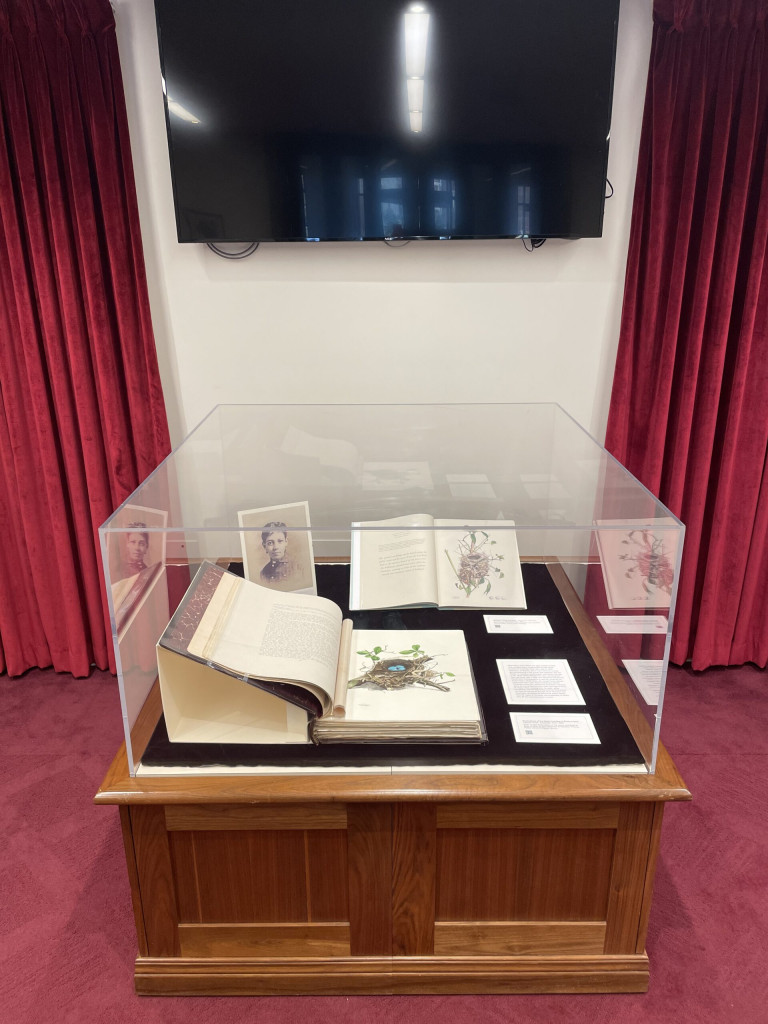
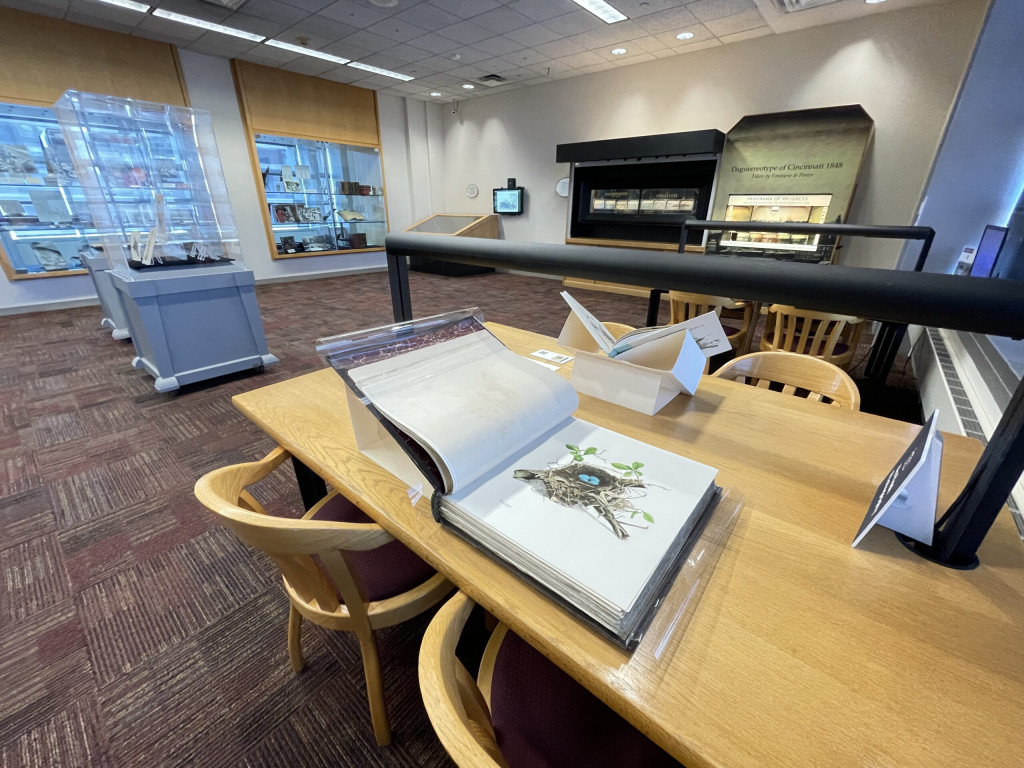
Perhaps less well-known but just as captivating are the Nests and Eggs of Birds of Ohio. In nearby cases, these supplemental materials beautifully complement the Birds of America.

Read more about this amazing collection item that was recently on exhibit March 2024 at the Cincinnati Symphony Orchestra here and see images of the vibrantly colored lithographs. Or, check out the book America’s Other Audubon by Joy Kiser to see reproductions of the illustrations and learn about the female artist and her family who produced them.
Meet Me at Main: Exhibit Prep for Reopening!
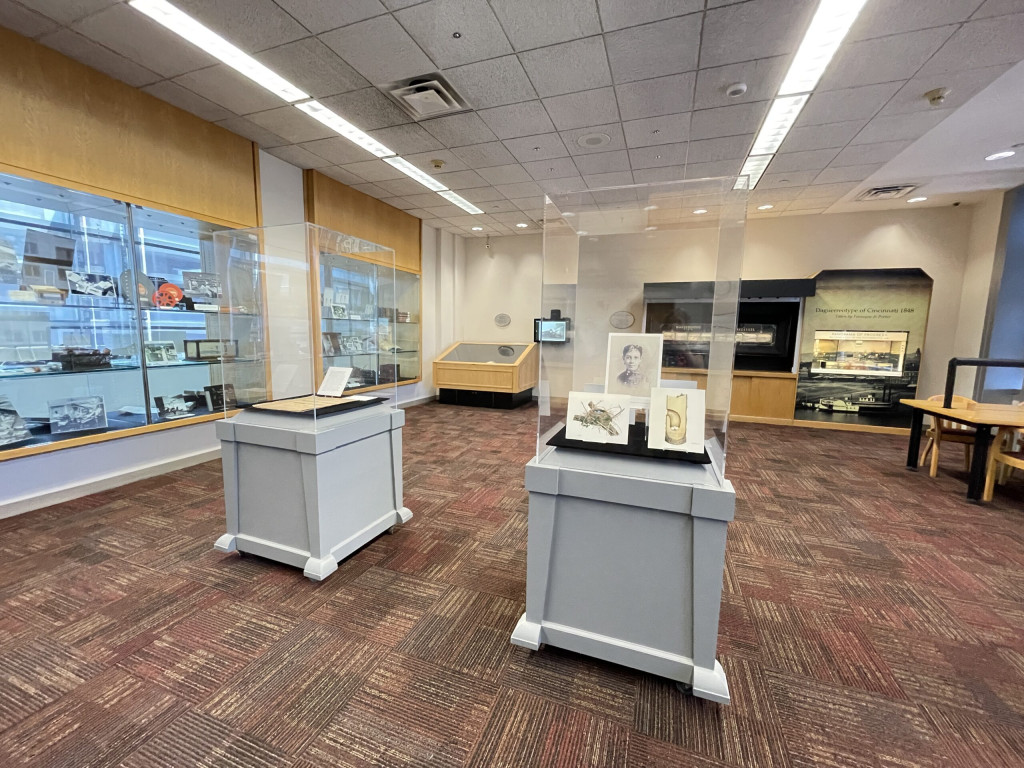
The prospectus of Nests and Eggs is temporarily on display that may have been owned by the illustrator, Gabrielle Estelle Jones, used to entice funders
Meet Me at Main: Exhibit Prep for Reopening!
View the original Nests and Eggs by requesting the material in the Cincinnati Room
Meet Me at Main: Exhibit Prep for Reopening!
Check out and take home this reference material with reproductions of the illustrations and learn about the history of how they’re made

7. Satellite display of reference materials about the Birds of America

Located near the 1950’s cases on the 3rd floor of the South building are supplemental materials relating to the Birds of America. For example, John James Audubon also collaborated with his two sons to depict 150 plates of four-legged animals. While the Cincinnati and Hamilton County Public Library owns these two original volumes which can be viewed in the Cincinnati Room, this display shows reference materials relating to such items.

Meet Me at Main: Exhibit Prep for Reopening!

8. The Inland Rivers Steamboat Exhibition

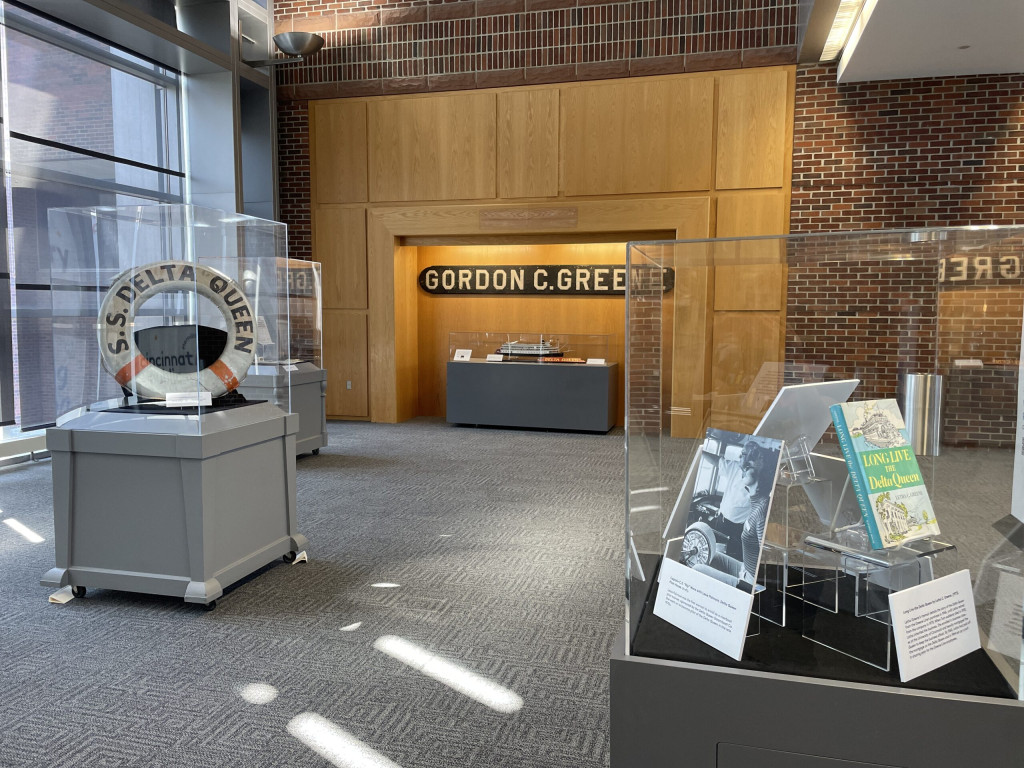
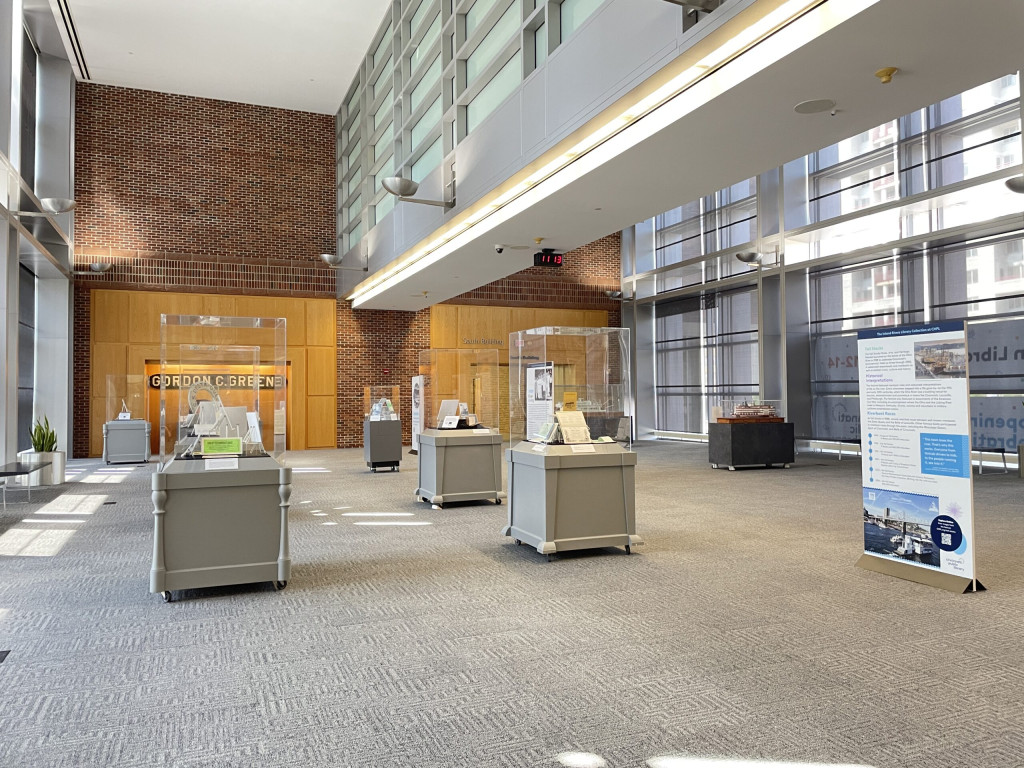
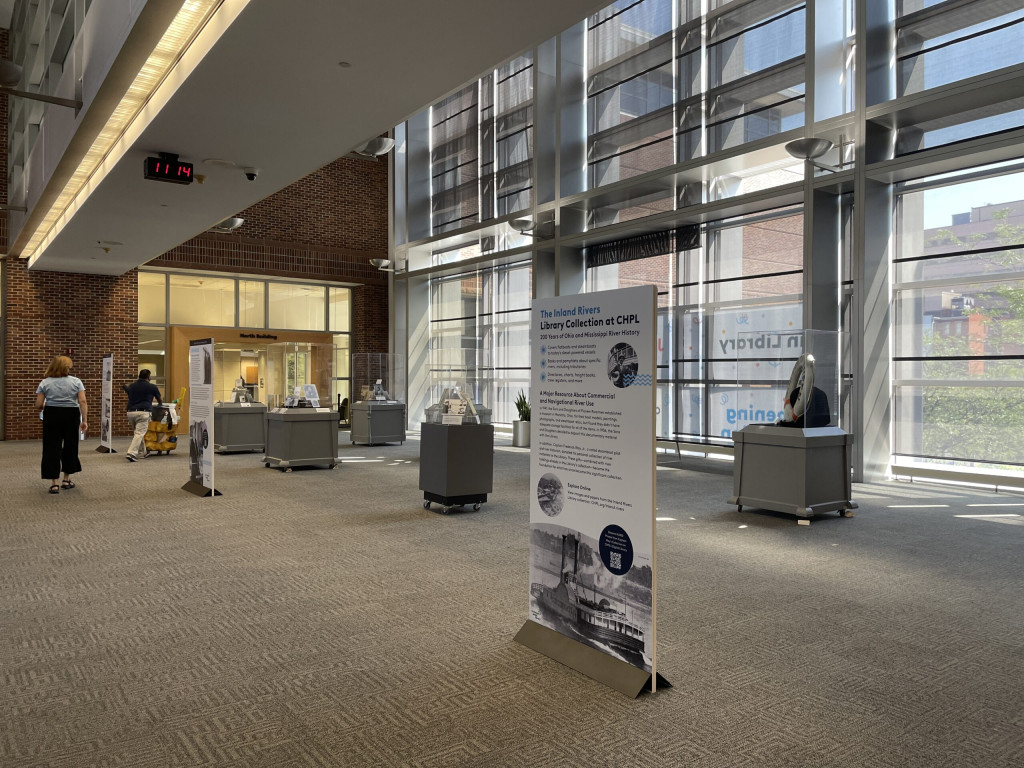
This exhibit utilizes the Inland Rivers Collection at CHPL to illustrate the historic steamboat and river culture in the region. It is located on the 2nd floor connector.

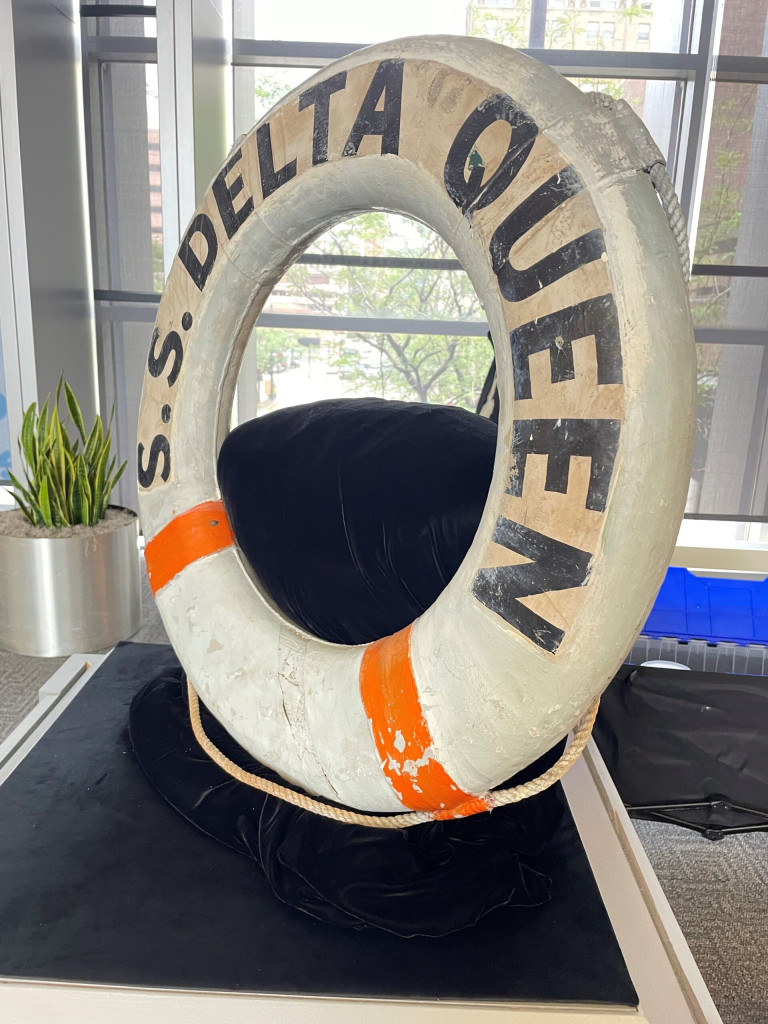
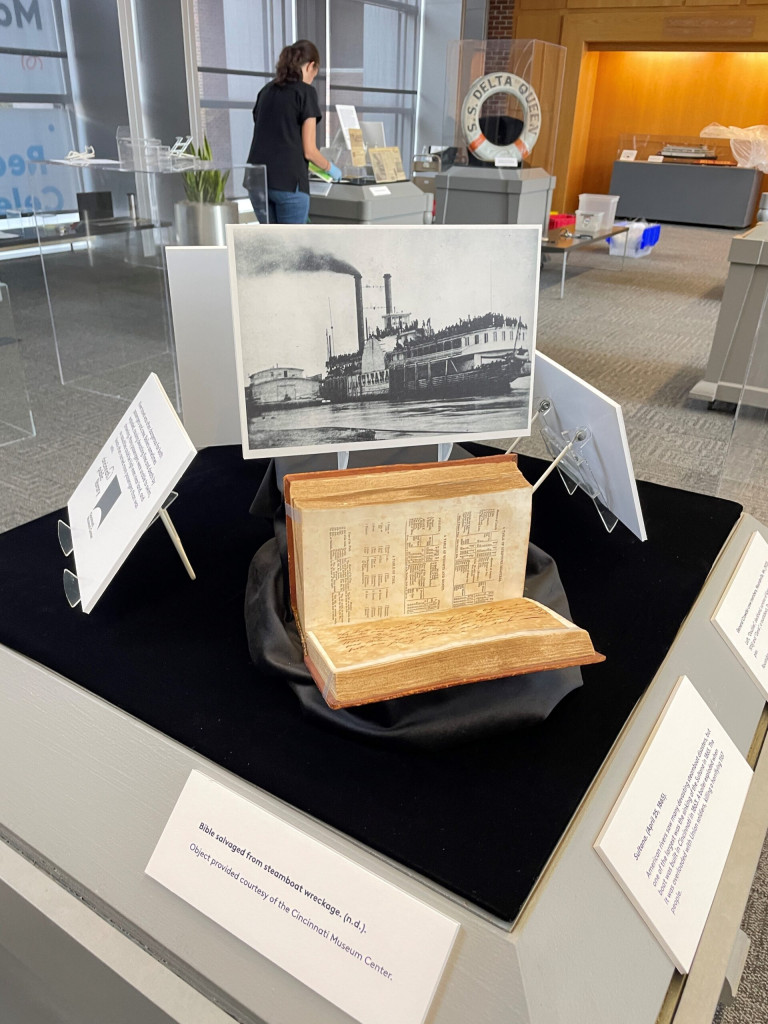
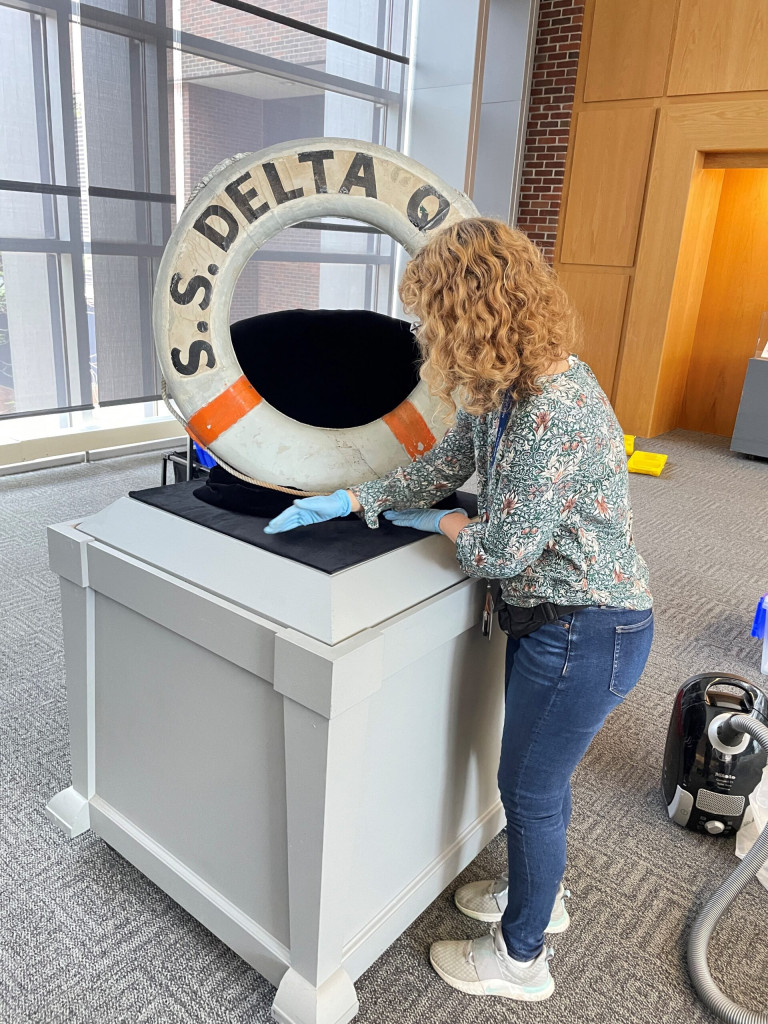
While much of the materials in the exhibit are owned by the Public Library, some of the more unique treasures are on loan from the Cincinnati Museum Center who provided items such as a heavy life preserver made of cork and a leather-bound bible with handwritten inscriptions salvaged from steamboat wreckage.
Meet Me at Main: Exhibit Prep for Reopening!

Exhibit Installation

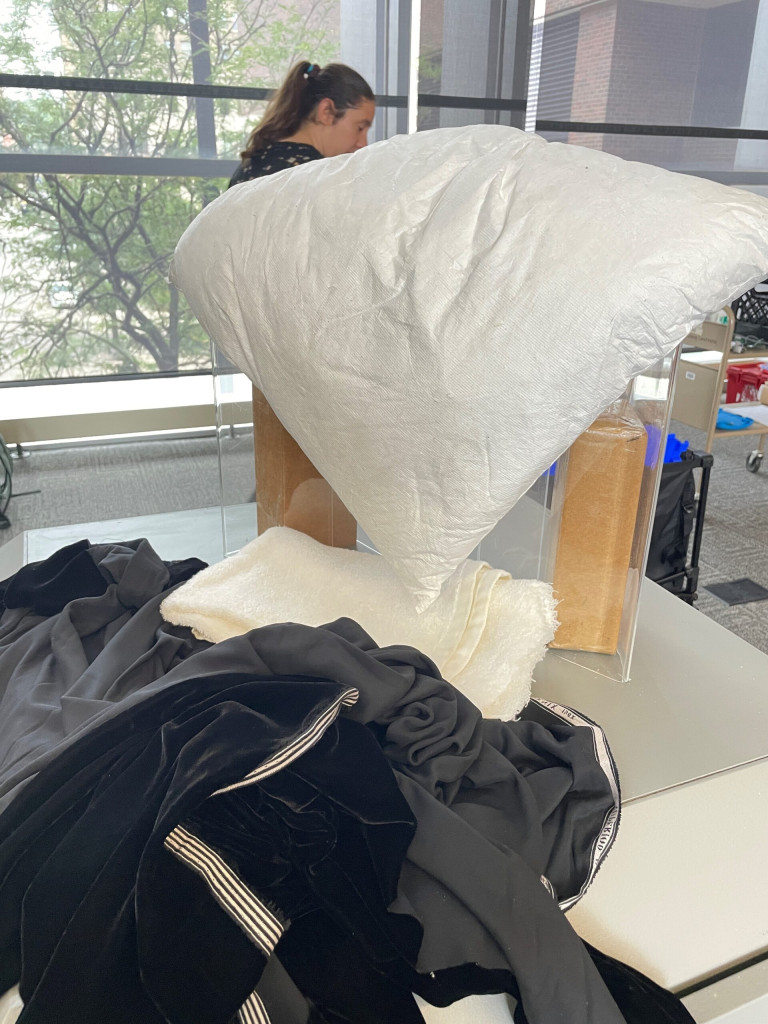
Exhibit Installation consisted of creating custom 3-D supports for special collection items on loan while CHPL materials were supported with flat mat board supports. Photographs were mounted to archival boards to prevent them from curling in changes of ambient humidity.
Meet Me at Main: Exhibit Prep for Reopening!
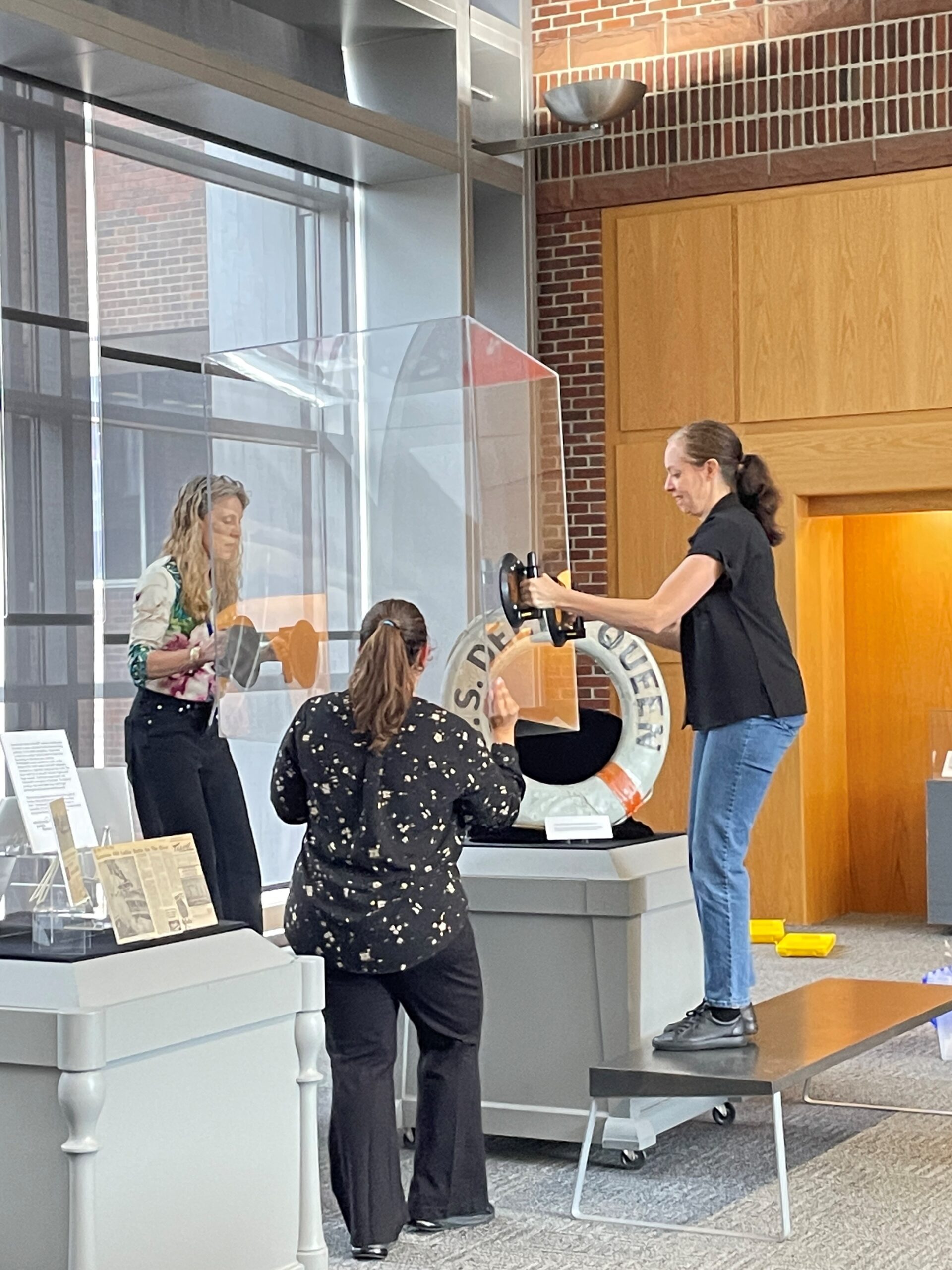
Three people are necessary to lift the vitrines safely over objects within these cases
Meet Me at Main: Exhibit Prep for Reopening!
Life preserver ready for showtime!
Meet Me at Main: Exhibit Prep for Reopening!
This steamboat relic was previously mounted and matted at the Preservation Lab by Chris Voynovich
Meet Me at Main: Exhibit Prep for Reopening!
Steamboat salvaged bible needed strapping and a custom cradle to show the handwritten inscription
Meet Me at Main: Exhibit Prep for Reopening!
View of Inland Rivers Steamboat Exhibit from the opposite end of the connector

With so many exhibits and a variety of content for all ages be sure to head downtown and visit them in person!

Ashleigh Ferguson Schieszer [CHPL] – Conservator and Conservation Lab Co-Manager

Bonus Images of Main
Meet Me at Main: Exhibit Prep for Reopening!
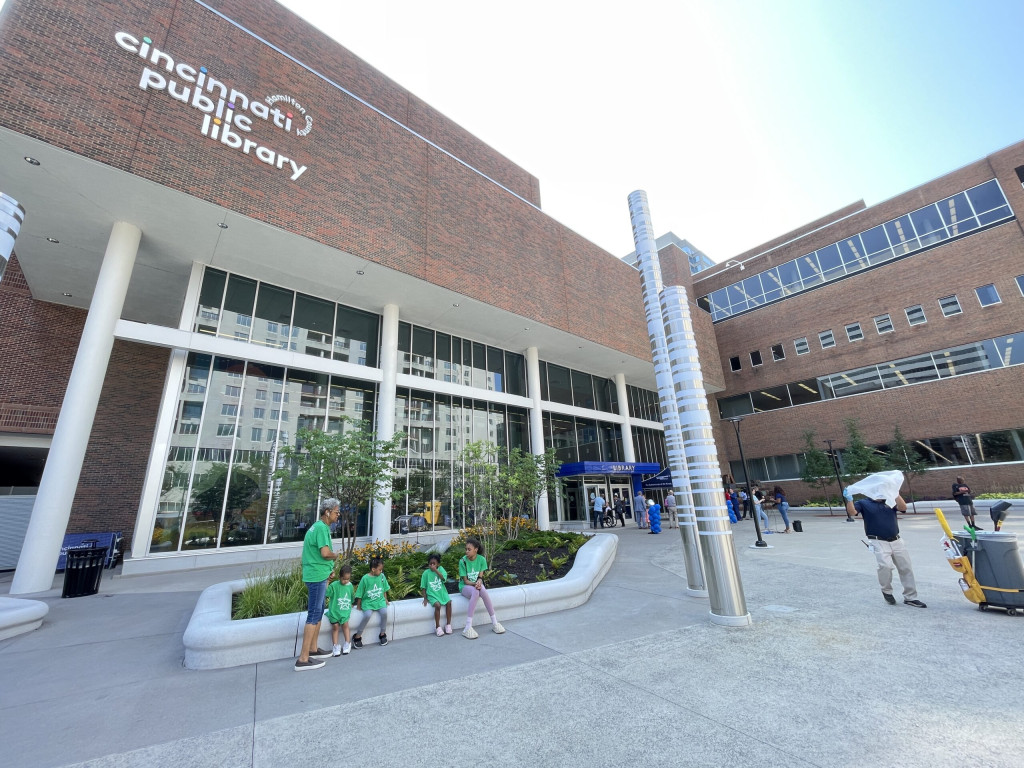
Front of library is easily accessible
Meet Me at Main: Exhibit Prep for Reopening!
The new Story Center with large touch screens for digital exhibits
Meet Me at Main: Exhibit Prep for Reopening!
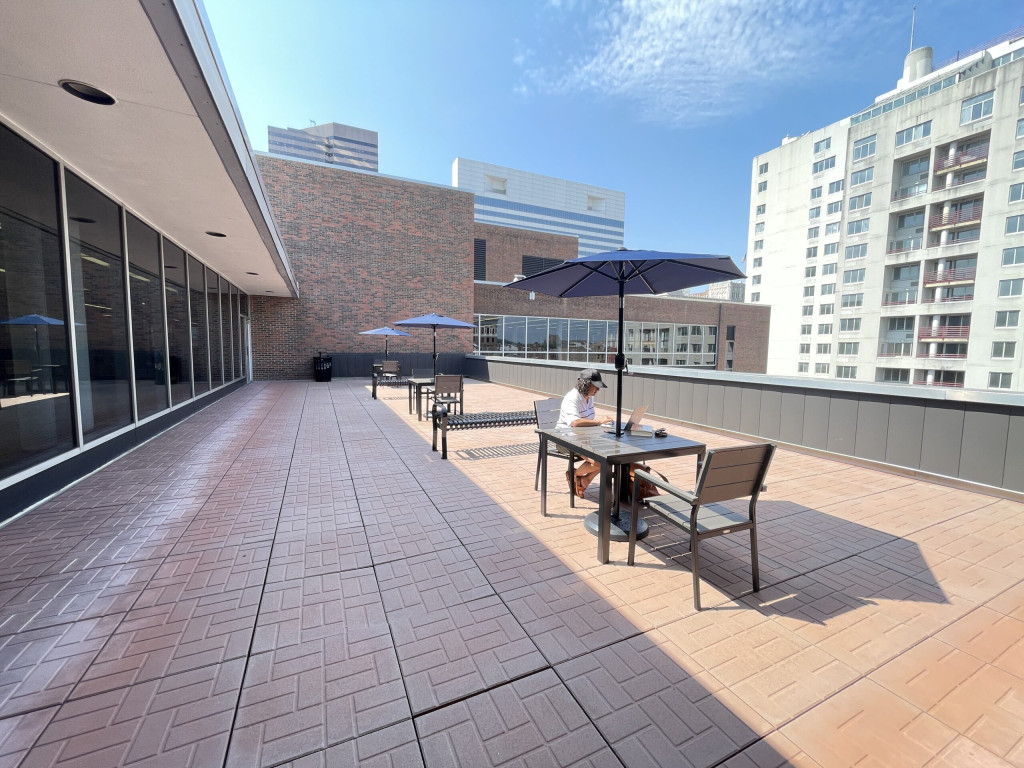
Terraces available during certain hours

Learning the Basics

Hi! I’m Nicole, and I’m the newest member of the Preservation Lab.

Portrait of Nicole Browning
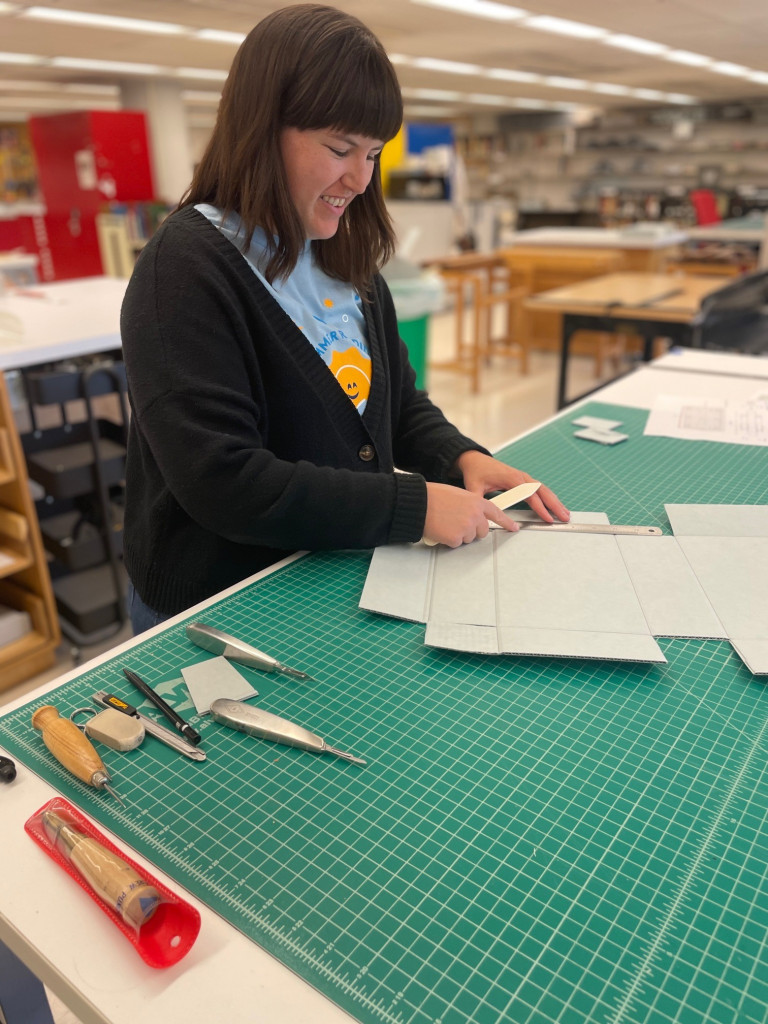
Nicole Browning makes a corrugated clamshell enclosures

When I was interviewing for the position of Conservation Assistant, I did a deep dive into what preservation and conservation really mean. I read through blog posts and perused the Lab’s Instagram, trying to get a grasp on what exactly the lab did. Little did I know, these snapshots into lab life hardly even scratched the surface.

Materials and Tools

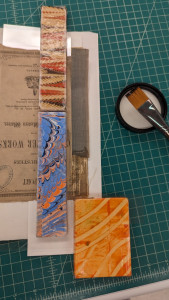
My first week as a Conservation Assistant was full of learning, from what types of boards and paper supplies are available, to how to create a pamphlet binder and sew music scores. I had no idea there were so many types of paper out there, and I was ignorant about how many tools there exist simply to cut these pieces of paper. My hand skills were immediately put to the test with learning the stitches used to attach pamphlets to protective premade binders, which create a hard cover for these otherwise soft materials. I was also instructed in which methods of cutting are best for which practices and types of paper, such as board shears for larger pieces of Bristol or corrugated board, scalpels and Olfas for small, precision cutting, and even a corner cutter to clean up the corners of your pamphlet binders!

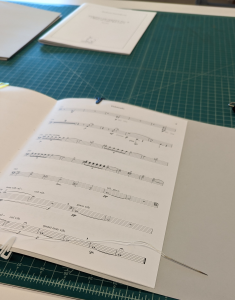
A music score lays on a bench with a needle and thread used for conservation sewing.
Sewing parts of a music score with a needle and thread.

Enclosures

Over the next few weeks, I was thrust into a whole new world of enclosures after learning about pamphlet binders and music scores. Enclosures are typically boxes that are used to keep a book or object safe from light, dust, and other environmental factors that can harm the item over time.

Tuxedo boxes

Creating tuxedo boxes was an exciting and fun challenge, as getting all the measurements right and being precise is so important. These boxes take a lot of focus to make, and attaching the two pieces of board can be daunting, as you must make sure not to overlap the folds and ruin the whole box.

Front view of a tuxedo box
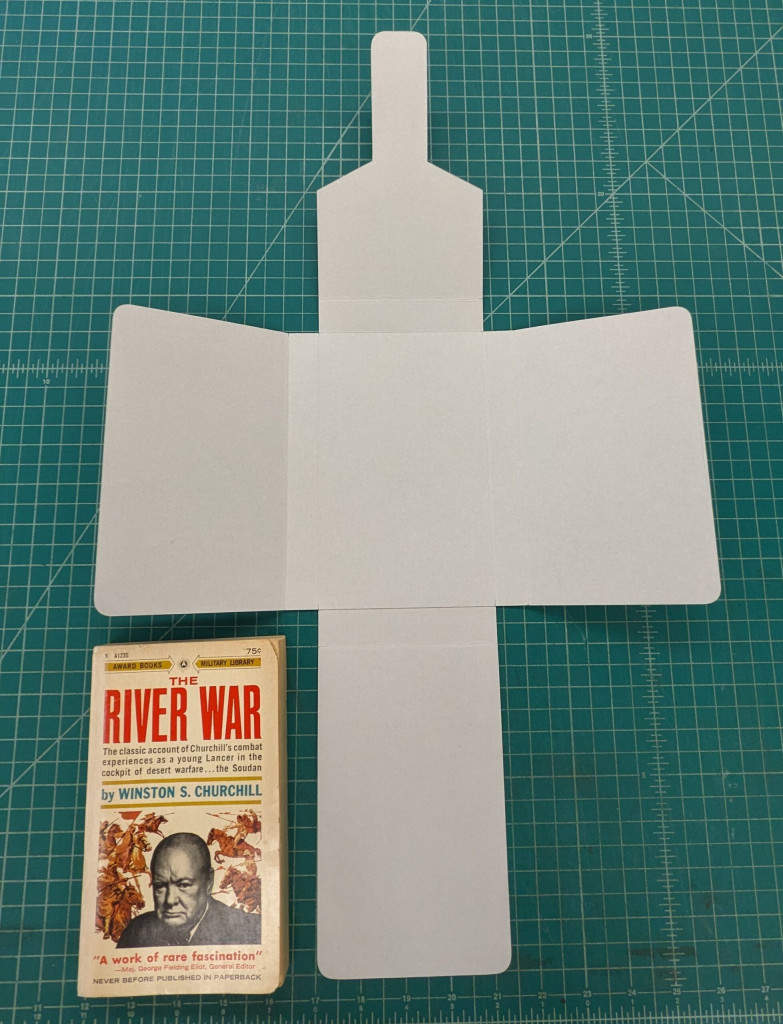
View of a tuxedo box opened next to the book it will house.

A finished tuxedo box on the left, and the two pieces of an unfinished tuxedo box opened to show the full spread of the box on the right.

Corrugated Clamshells

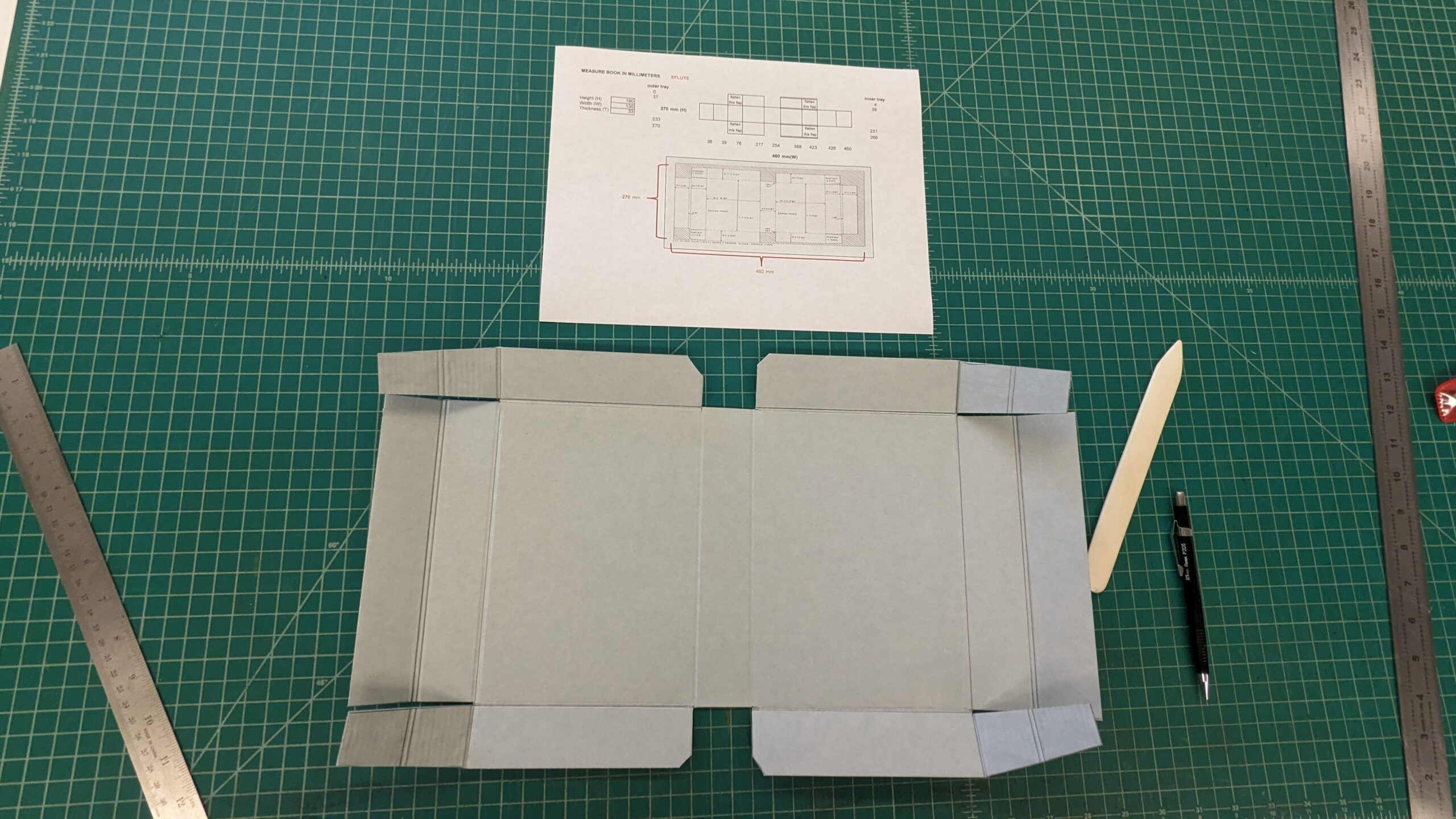
Corrugated clamshell boxes came next, with their in depth measuring and precision crimping and cutting. Like a tuxedo box, these boxes offer better storage from light and dust, and are a more structured enclosure. Where they differ, though, is they are made from corrugated board rather than Bristol board, and this offers more support to items that need a little boost of structural help. These boxes are made from one piece of board that is cut and folded into a clam-like box that opens on one end and is attached at the spine.

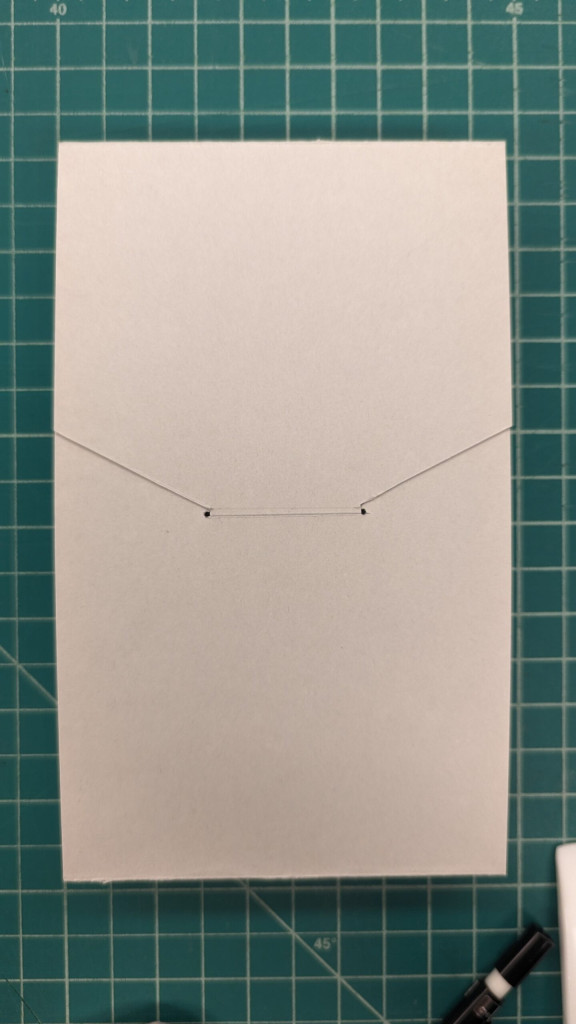
A flat corrugated blue board that has been cut and pre-folded, ready to form into a box.
A corrugated clamshell during the construction process. This clamshell still needs it’s ends glued in to create it’s box shape.

General Collections Treatment

My final big learning project was cloth tape removal, which was something completely different, making it very enjoyable to learn. Cloth tape removal is taking off old adhesive tape that has been applied to materials that is now falling apart. To remove cloth tape, a poultice of methyl cellulose is applied in thirds to the tape. Introducing moisture to the adhesive allows you to slowly and carefully use a Casselli microspatula to loosen and remove the tape, leaving behind only the original materials.

General collections treatment removing a cloth spine hinge with a methyl cellulose poultice.

An old pamphlet that’s been bound together with cloth tape in the middle of the removal process. Weights hold down pieces of Mylar to keep the pamphlet cover from absorbing any of the poultice. The cloth tape is the grey strip on the right of the pamphlet, and you can see where some of the tape has been removed and what still needs to be done.

Final Impressions

I’ve learned so much over my first month at the lab, but so far corrugated clamshells have been my favorite. It’s been so fun to grow my hand skills and to see how much of a difference one month can make, and I’m so excited to expand my horizons and learn more about the lab in the upcoming months!

Nicole Browning, Conservation Assistant [CHPL]

Nests and Eggs on Display at the Cincinnati Symphony Orchestra

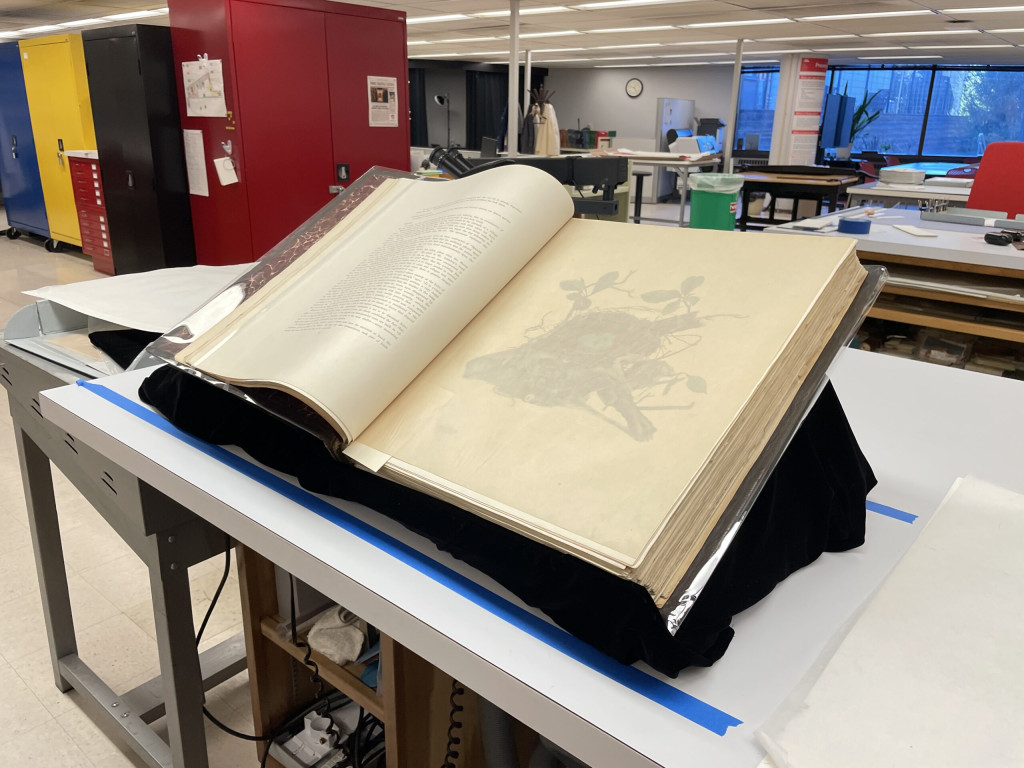
Illustrations of the Nests and Eggs of Birds of Ohio are on display at the Cincinnati Symphony Orchestra March 1st and 2nd as part of a musical program honoring Oliver Messiaen who was both a major composer of the 20th century and an ornithologist.

Synesthesia

Oliver Messiaen is well known for studying bird songs and interpreting their notes into musical transcriptions. His works are also unique in that Messiaen experienced synesthesia which greatly influenced his creations. Synesthesia is when a person perceives more than one sense at a time, such as Messiaen who experienced colors when listening to music and was able to see sounds. 

Cincinnati Symphony Orchestra Program

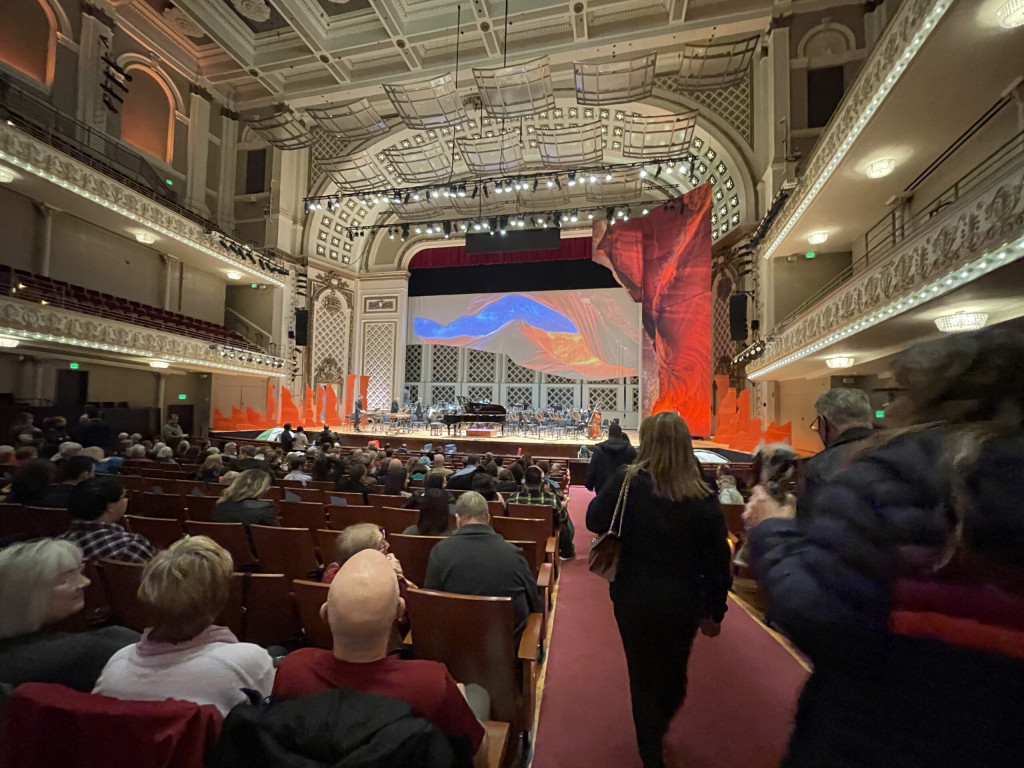
The program at the CSO honors Messiaen by incorporating both music, color, and bird visuals to invite the audience to experience a unique multi-sensory experience. Messiaen’s Des canyons aux étoiles (“From the Canyons to the Stars”) will be performed  by the conductor, Matthias Pintscher, and pianist Pierre-Laurent Aimard.

Nests and Eggs on Display at the Cincinnati Symphony Orchestra
Click the image for a link to the digital program for the CSO Proof: From the Canyons to the Stars

“Inspired by his visits to Utah’s Bryce Canyon and Zion National Park, Messiaen’s Des canyons aux étoiles (“From the Canyons to the Stars”) depicts the birdsong and red rock hues he experienced during his time in the desert… Accompanied by immersive video-art, Springer Auditorium will be transformed, allowing listeners to escape into the southwestern landscape and experience a synesthesia of their own.” – As described by the CSO website

Nests and Eggs

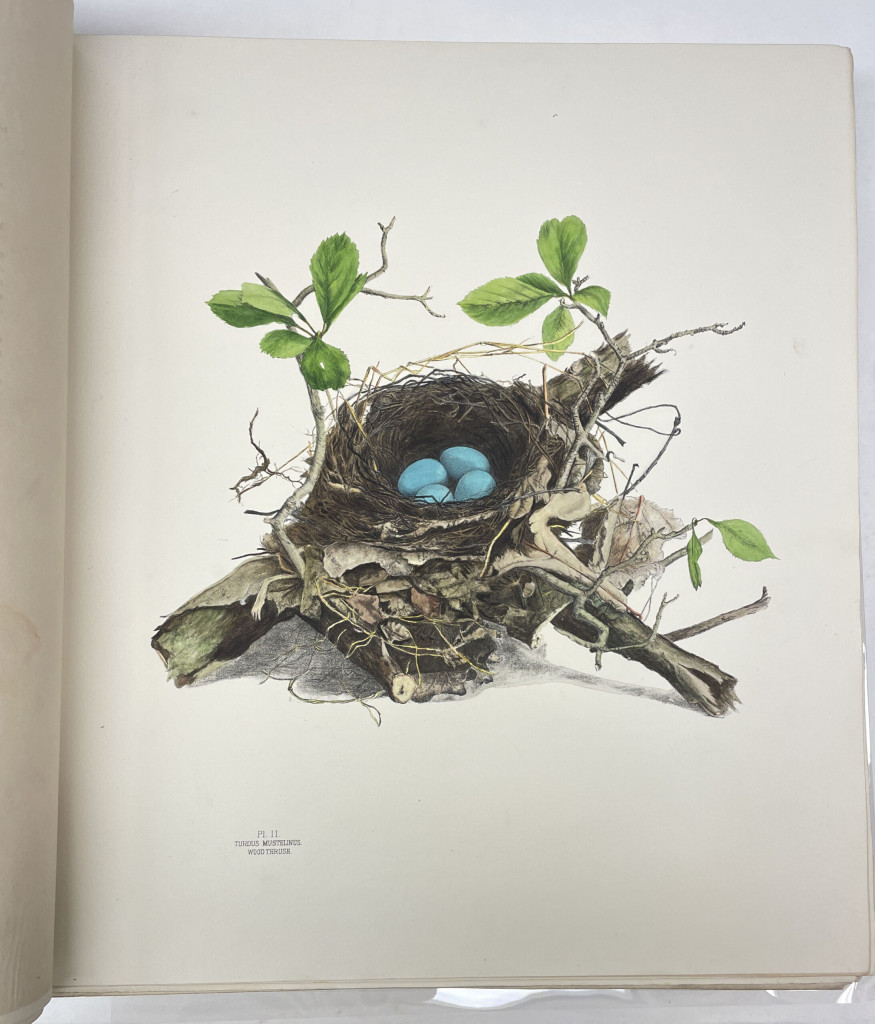
Complementing the musical performances, on display will be a page from Cincinnati and Hamilton County’s Illustrations of the nests and eggs.  The page showcases a local Ohio native, the Wood Thrush, who lays bright blue colored eggs within a nest made of old leaves, dried grasses and moss (rarely sticks).  The nest of the Wood Thrush also contains “rootlets” placed intentionally inside of the nest, resulting in a pinkish brown or black lining. The nest is “plastered” with a thin mud that is easily missed as it’s thoroughly worked in and covered.

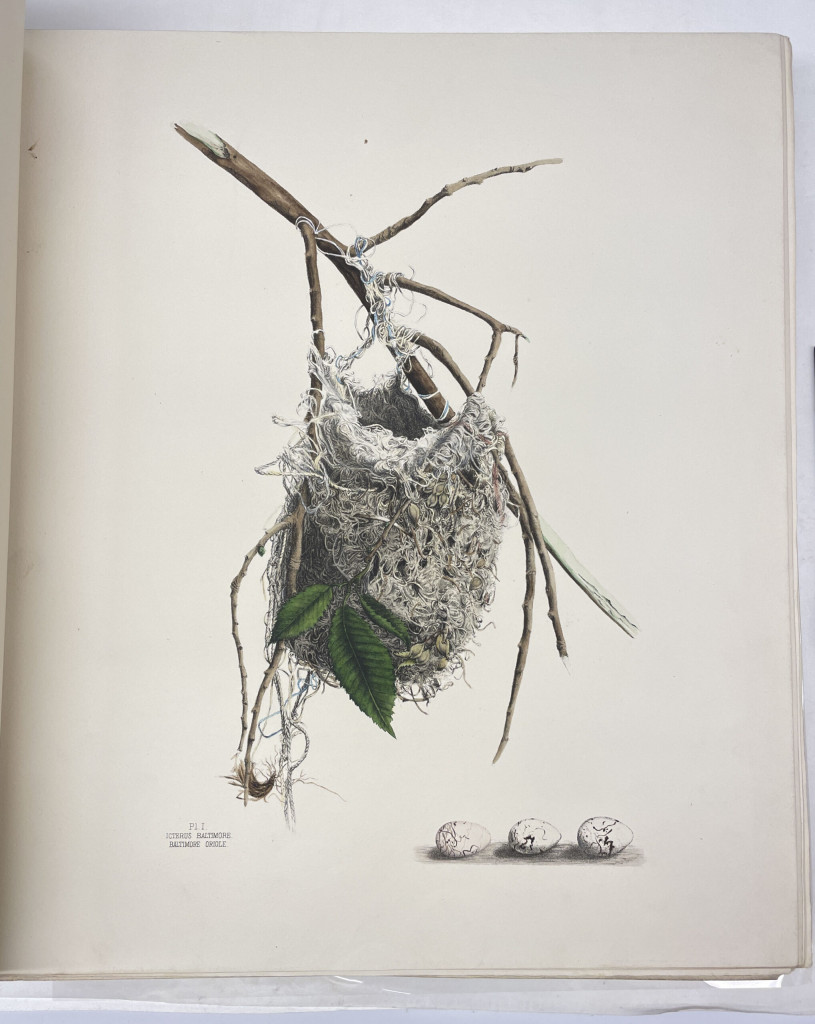
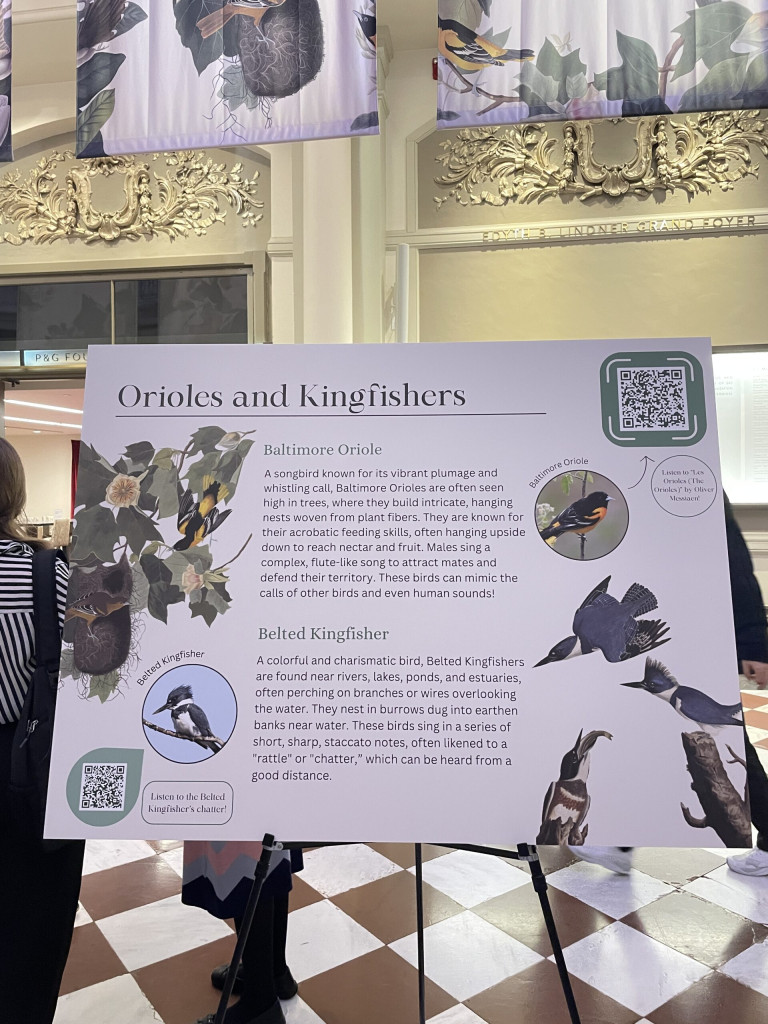
Nests and Eggs, while lesser known than Audubon’s Birds of America, is quite extraordinary in how it highlights the uniqueness of the construction of nests made by different bird species. Take for instance, the Baltimore Oriole’s nest, which primarily consists of strings and flax fibers to create a soft and long pocket.  Compare that to the more traditional nest of the Wood Thrush whose home is bowl-shaped with a wide opening.

Nests and Eggs on Display at the Cincinnati Symphony Orchestra
Baltimore Oriole – Plate 1
Nests and Eggs on Display at the Cincinnati Symphony Orchestra
Wood Thrush – Plate II

It’s also extraordinary that the illustrations are detailed lithographic portraits created by Gabrielle Estelle Jones and her family, despite not having been formally trained.  Their work was intended to be used as a companion volume to John James Audubon’s Birds of America.  While not as large as the Birds of America double elephant folios, Eggs and Nests is still an impressively large-sized volume. 

Gabrielle “Gennie” Estelle Jones

The following excerpt was written by Sara Williams, Arts & Special Collections Reference Librarian:

Illustrations of the Nests and Eggs of Birds of Ohio was a project begun by Genevieve Estelle Jones, a native of Circleville, Ohio. Born May 13, 1847, Genevieve, or Gennie, spent much time as a young girl birdwatching in the woods and wetlands with her father, an amateur ornithologist. Just before the age of 30, Jones’ father forbade her from marrying the man she loved, and in 1876, she visited the Centennial World’s Fair in Philadelphia to take her mind off her broken heart. While there, she viewed hand-colored engravings from John James Audubon’s vibrant The Birds of America. Inspired by Audubon’s example, Jones set out to illustrate the nests and eggs of birds, an aspect often missing from his work. Jones completed only five illustrations for her book before she died of typhoid at the age of 32. The work was eventually completed by Genevieve Jones’ family. Only 90 copies of the book were published, of which only 34 are currently known to exist.  

Preservation

As part of the Preservation Lab’s role in displaying the object, a condition report book was created to accompany the item to ensure the object’s condition is preserved. This helps those who are installing anticipate any possible challenges in supporting fragile pages or bindings. In this case, the upper endsheets are extremely brittle and have been previously repaired, but could break again if not carefully draped and held with polyester strapping in a safe manner.

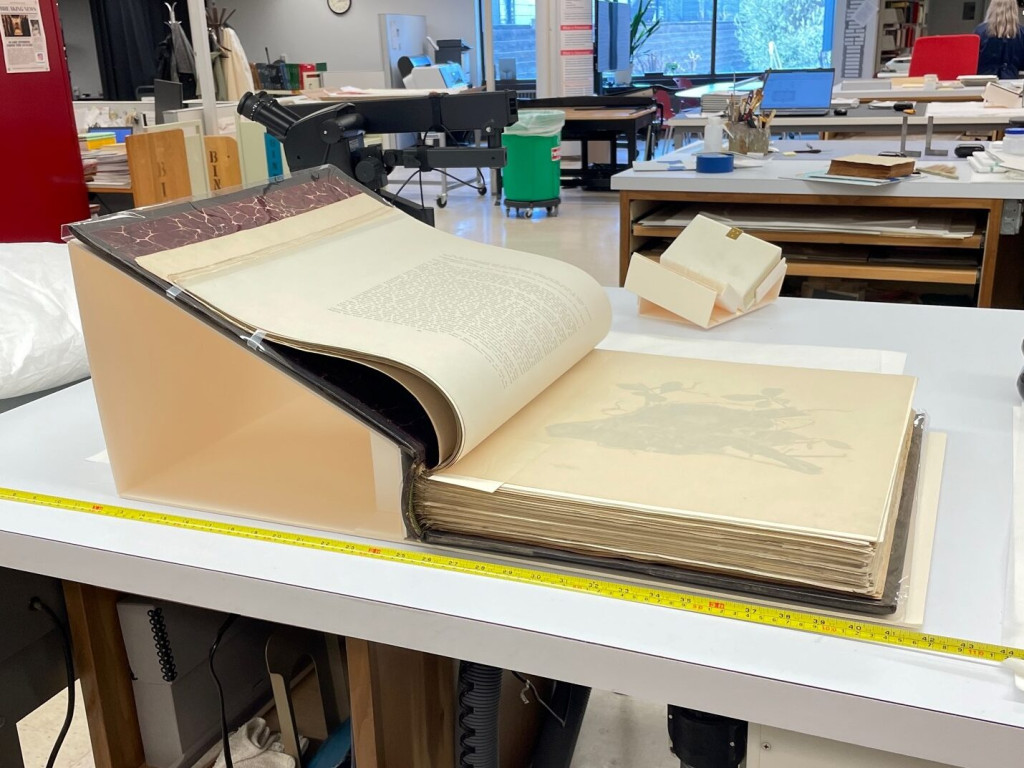
After determining a proper exhibit case to fit and secure the binding, a custom cradle was made. To protect weak points of the binding on display, a support was constructed out of 8 ply museum mat board to support the heavy and oversized pages from stress along the joint.  

Nests and Eggs on Display at the Cincinnati Symphony Orchestra
Solutions were tested to fit within an 18 inch deep case, however, the book was just too large!
Nests and Eggs on Display at the Cincinnati Symphony Orchestra
A custom 8 ply mat board cradle was created to fit within a more appropriate 4 ft case. Pages are strapped with polyester strapping

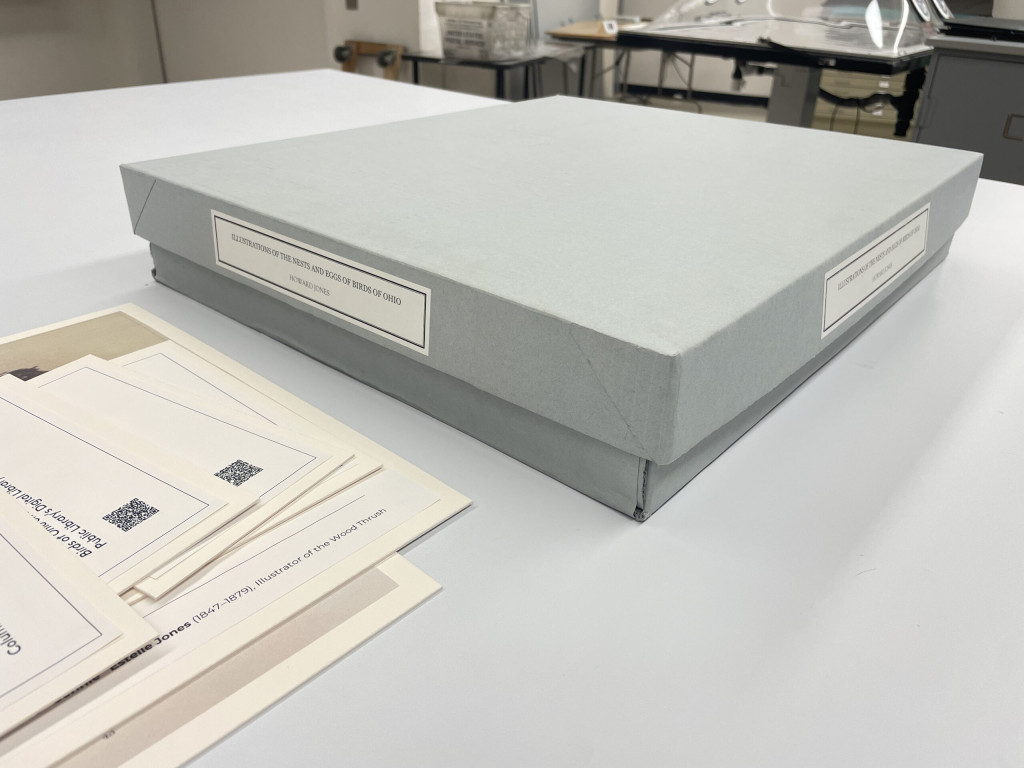
Before an object travels, it’s often reviewed to make sure it can handle transport and treated if necessary.  Luckily, in this case, the binding was treated in 2016 and is still in great condition for its age.  When it received treatment, at that time it received a lightweight yet strong enclosure that will also work well to safely protect the item for travel to the CSO.

Nests and Eggs on Display at the Cincinnati Symphony Orchestra
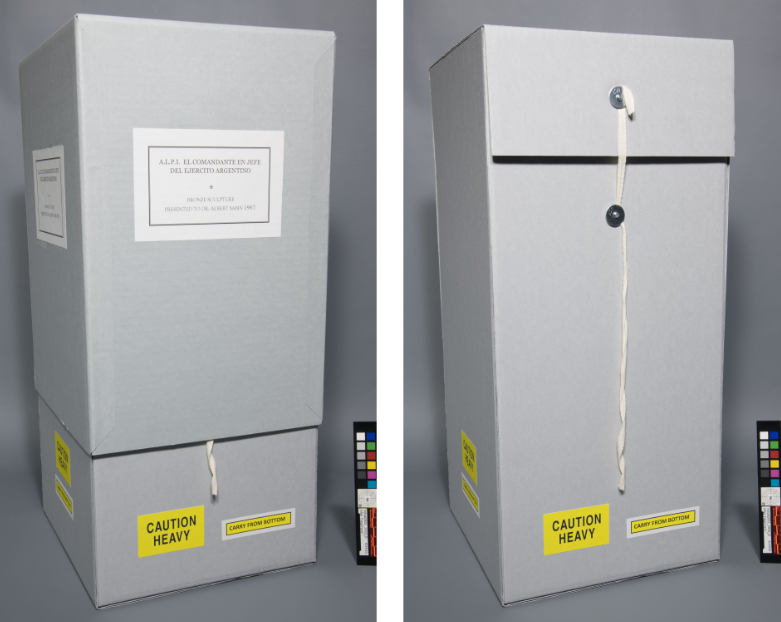
Corrugated banker’s box with a drop spine houses the Nests and Eggs book. Binding and exhibit labels are ready for packing.
Nests and Eggs on Display at the Cincinnati Symphony Orchestra
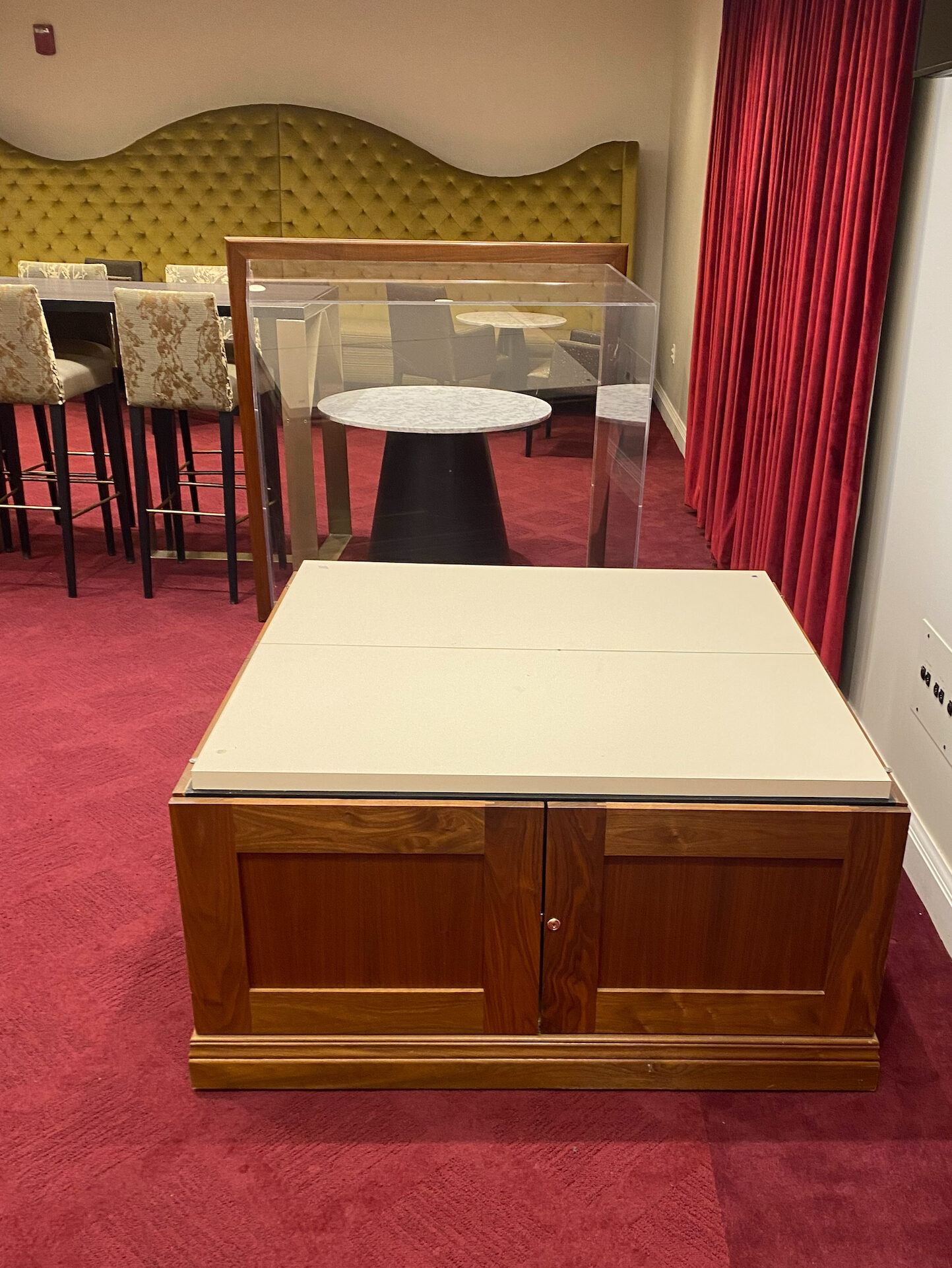
A 4-foot case was kindly loaned to the CSO from the Behringer-Crawford Museum and is ready for use! (Image credit: Amber Ostaszewski)
  • Nests and Eggs on Display at the Cincinnati Symphony Orchestra
  • Nests and Eggs on Display at the Cincinnati Symphony Orchestra
  • Nests and Eggs on Display at the Cincinnati Symphony Orchestra
  • Nests and Eggs on Display at the Cincinnati Symphony Orchestra
  • Nests and Eggs on Display at the Cincinnati Symphony Orchestra
  • Nests and Eggs on Display at the Cincinnati Symphony Orchestra
  • Nests and Eggs on Display at the Cincinnati Symphony Orchestra
  • Nests and Eggs on Display at the Cincinnati Symphony Orchestra

Additional Resources

Interested in seeing more Nests and Eggs?  The entire binding is conserved and digitized where it is made publicly available online. More information about Gennie’s fascinating and tragic history can be read at the Linda Hall website.

CSO Program Dates

There are two programs where you can view the item on display, Friday, March 1st and Saturday, March 2nd, both at 8pm at the Music Hall. Interested? Click here for the digital program.

We hope to see you there!

Ashleigh Ferguson Schieszer [CHPL] – Book and Paper Conservator, Co-Lab Manager

What ſay you! A brief look at the “long s” and its usage

Introduction To The Long S

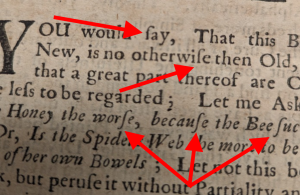
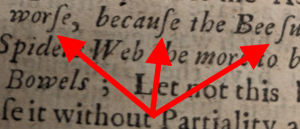
I was recently building an enclosure for a book dating back to 1681 entitled The Experienced Farrier. While examining this item I noticed something interesting about the spelling of certain words: often, rather than seeing what normally should be the letter “s” I would see what appeared to be the letter “f.”

What ſay you! A brief look at the “long s” and its usage
Figure 1: An image from The Experienced Farrier, containing what appears to be “strange” spellings.

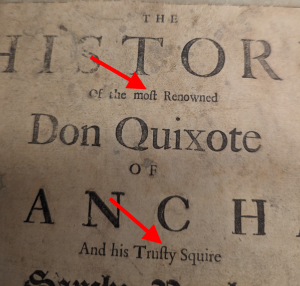
Since noticing this, I started seeing these seemingly bizarre spellings in other items dating to this period, as can be seen in the title page from a copy of Don Quixote from 1678.

What ſay you! A brief look at the “long s” and its usage
Figure 2: An image of the text from Don Quixote, with further examples of these “strange” spellings.

Identifying The Long S

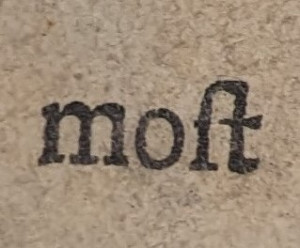
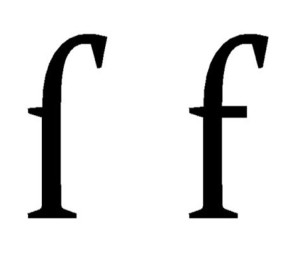
After some sleuthing, I discovered something interesting: these letters were not “f”s at all. They were a now defunct character known as the “long s.” Closer examination of these letters in the text showed that, although they closely resembled an “f,” the horizontal cross bar did not extend all the way across the letter; it starts on the left side and ends in the middle.

What ſay you! A brief look at the “long s” and its usage
Figure 3: A close-up of the word “most” that uses the “long s.” Note that the horizontal cross bar stops at the center stem of the letter.
What ſay you! A brief look at the “long s” and its usage
Figure 4: The “long s” (left) as compared to a lowercase “f” (right).

This solved some of the mystery, but what about the characters that looked like an “f” where the bottom of it curves to the left?

What ſay you! A brief look at the “long s” and its usage
Figure 5: Another style of the “long s,” depicted as it would appear in cursive handwriting.

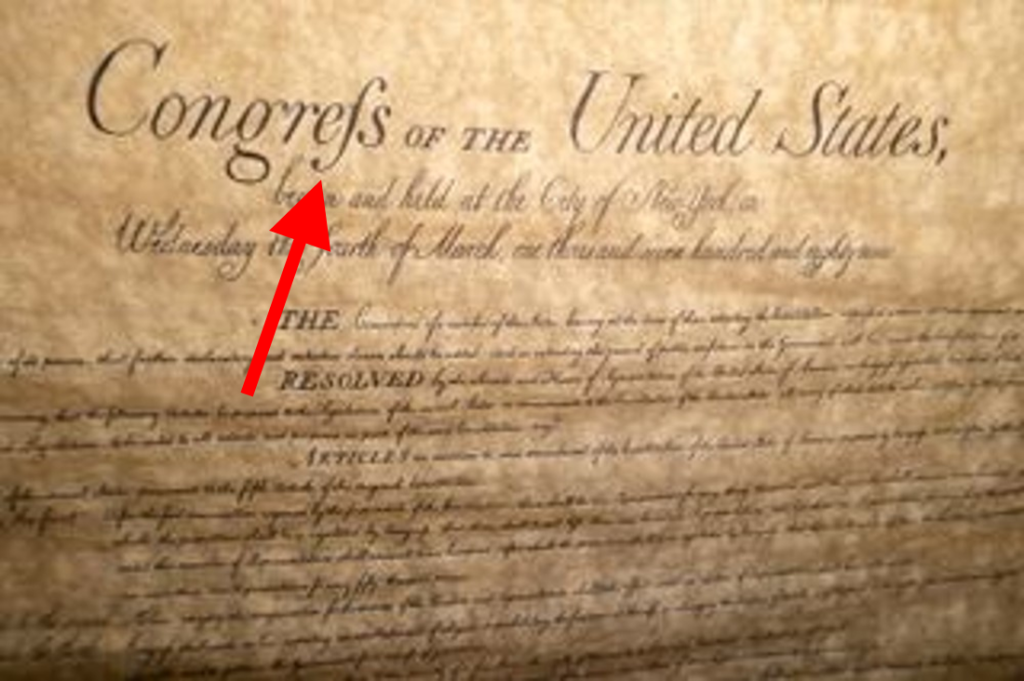
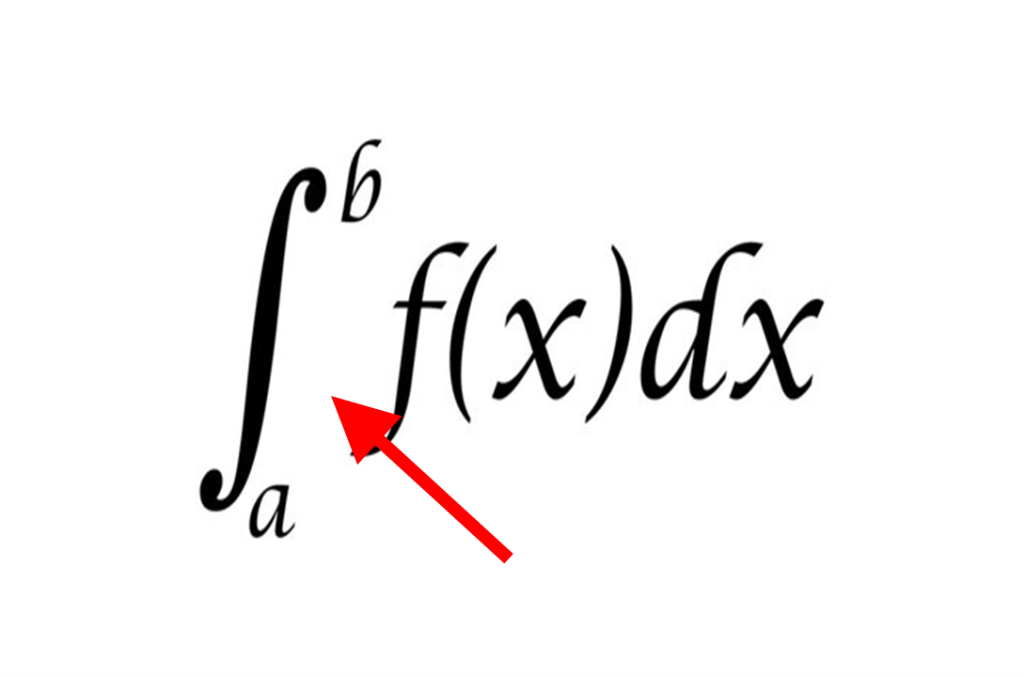
The answer is that this is also a “long s,” but depicted how it was written in cursive. If you feel like you’ve seen this character before, you’re probably correct: a notable example of this style of “long s” can be found in the first line of the Bill of Rights. Some may also recognize this character from calculus as the “integral” symbol.

What ſay you! A brief look at the “long s” and its usage
Figure 6: The “long s” that occurs in the word “Congress” as it appears in the handwritten Bill of Rights.
What ſay you! A brief look at the “long s” and its usage
Figure 7: The “integral” symbol used in calculus uses the same character used for the cursive-style “long s.”

When The Long S Was Used

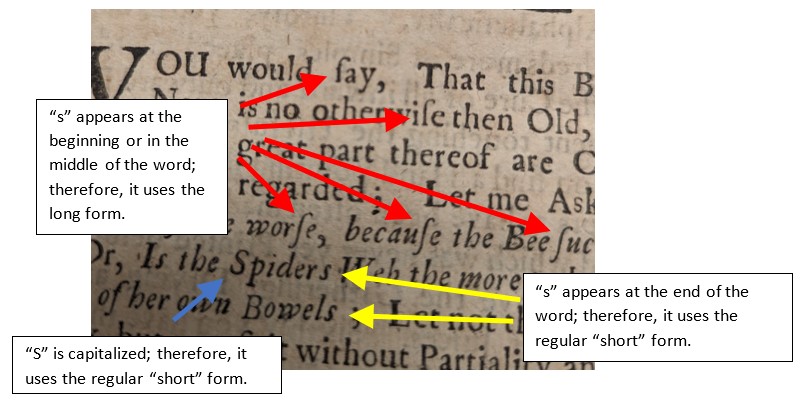
You may have noticed in some of these examples that not every “s” is the long form. So, what exactly were the rules for when and where this character was used?

It’s difficult to say exactly, as the rules changed over time and writers/printers didn’t always adhere to the same rules. However, according to a blog from the National Archives, some simple guidelines for when and where the “long s” was used are as follows:

  • An “s” would use the long form if it appeared at the beginning or in the middle of a word, but only if it is a lowercase s. An uppercase S would not use the long form of the letter.
  • An “s” would not use the long form if it was the last letter in a word.
  • It was very common in the case of a “double s” or “ss”, as in the word “opossum”, for both “s”s to be the long form (opoſſum), unless the “ss” ended the word, as in the word “congress”, in which only the first “s” would be the long form (congreſs). *

*An observant reader may notice that this last rule is redundant given the first two rules; however, mentioning the “long s” in the case of an “ss” is significant in that as this character fell out of favor with writers/printers, one of the last remaining circumstances that utilized it was in the case of an “ss.”

What ſay you! A brief look at the “long s” and its usage
Figure 8: Examples of when the “long s” was/was not used.

Final Observations

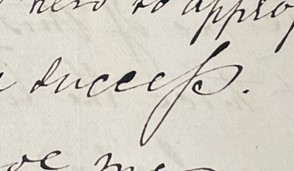
Gradually, the “long s” fell out of usage around the time of the late 1700’s-1820’s, although it persisted longer in handwriting. Serendipitously, while writing this blog post, the lab received a first edition copy of Goblin’s Market with a handwritten note inside from the author, Christina Rossetti dating to 1862 that features this use even in the late 19th century:

What ſay you! A brief look at the “long s” and its usage
Figure 9: Although difficult to read, this is the word success (ſucceſs) from a handwritten note dating to 1862 that utilizes the “long s” several decades after it fell out of common usage in printed media.

If you still find words containing a “long s” difficult to read, you aren’t alone; it has been theorized that it was phased out in favor of exclusive “short s” usage as they weren’t as easily confused with other letters and were found to be more legible. The disappearance of the “long s” is a good reminder that language, both written and spoken is fluid with ever evolving rules and norms.

Resources

For further information about the long s and its history be sure to check out these excellent blog posts, that were very helpful in the gathering of information for this post:

Matt McCoy, Conservation Specialist [CHPL]

PromoImage

Interested in starting a career in conservation? Join us!

The Preservation Lab, a partnership to preserve and conserve the collections of the Cincinnati & Hamilton County Public Library and the University of Cincinnati Libraries, seeks applicants for a Conservation Assistant position.

The Conservation Assistant is a technician level position with on-the-job training that may appeal to emerging conservation professionals. This position will join a collaborative team of 7 full-time staff members, including conservators, a preservation librarian, technicians, student workers and volunteers to preserve collections from both institutions. The Preservation Lab staff consists of both Cincinnati Public Library and the University Library members. This position is a Cincinnati and Hamilton County Public Library position but is stationed at the University of Cincinnati West campus.

The successful candidate will demonstrate the ability to execute hands-on work with skill.

Founded in 1853, the Cincinnati and Hamilton County Public Library today is one of the busiest and most highly acclaimed library systems in the United States, providing service to over 800,000 residents through a network of 40 branch libraries, a major downtown Main Library, and a Distribution Center.  CHPL holds one of the largest genealogical collections in the United States and many other specialized collections, most of which are housed in the Main library.
Pay rate begins at $15.87/hour. 

Deadline to Apply: Dec 1, 2023

For more information about job duties and how to apply, please visit the Cincinnati and Hamilton County Public Library website.

Ashleigh Ferguson Schieszer, Special Collections Conservator [CHPL]

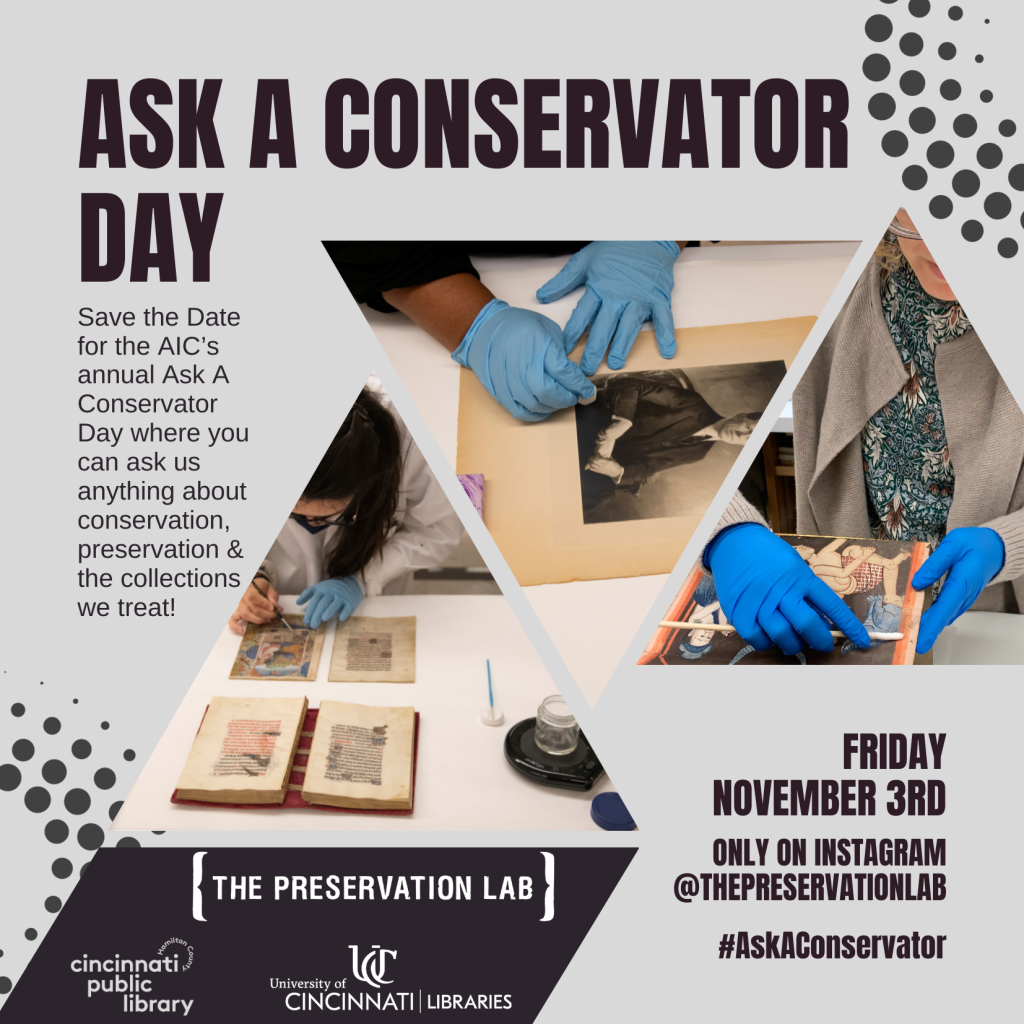
Save the Date and celebrate Ask a Conservator Day with us – Friday, Nov 3rd

Tune in Friday, November 3rd on our Instagram and ask us anything you might want to know about conservation, preservation or the Lab!

Save the Date and celebrate Ask a Conservator Day with us – Friday, Nov 3rd

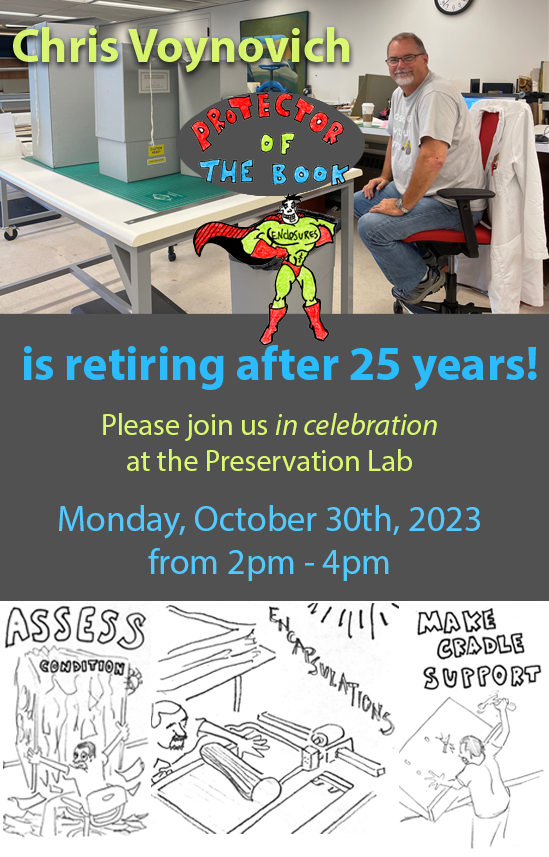
25 Years To Celebrate: Chris Voynovich is Retiring!

Congratulations are in order! We are happy to celebrate with our lab colleague, Chris Voynovich. After 25 years at the Public Library, Chris is retiring to a lovely beach house in Florida.

Chris first began his career at the library working in Shipping and Receiving. He then transitioned to Cataloging and Processing where he began his journey in material repair. He was a quick learner, able to utilize hand skills from his personal experience in metal work, graphic design, drumming, and matting at a frame shop.

25 Years To Celebrate: Chris Voynovich is Retiring!

Since 2011, Chris has grown his skills to preserve a WIDE variety of materials at the Preservation Lab. Chris has…

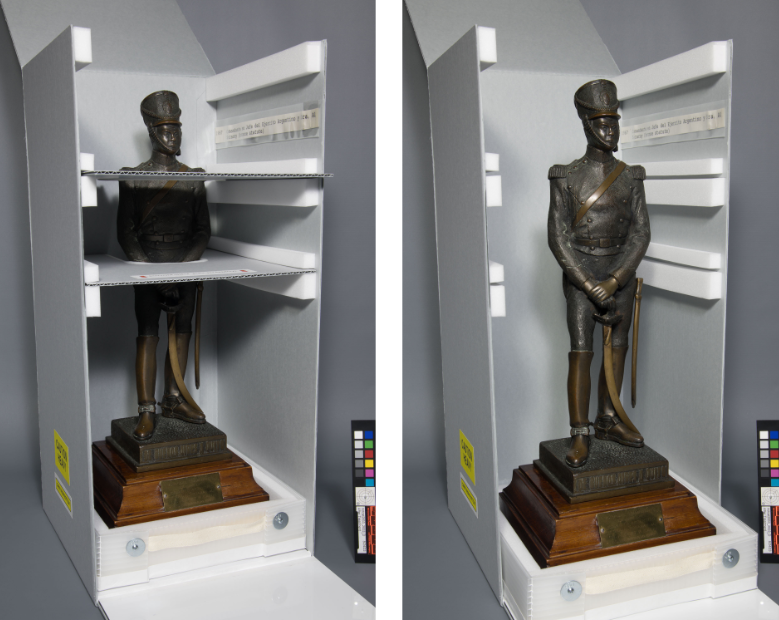
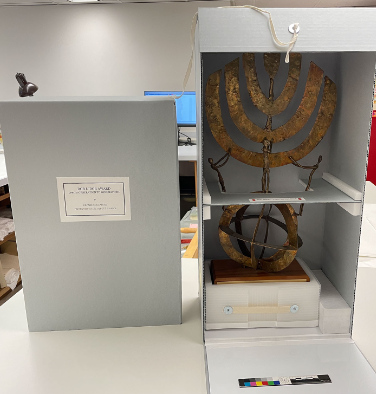
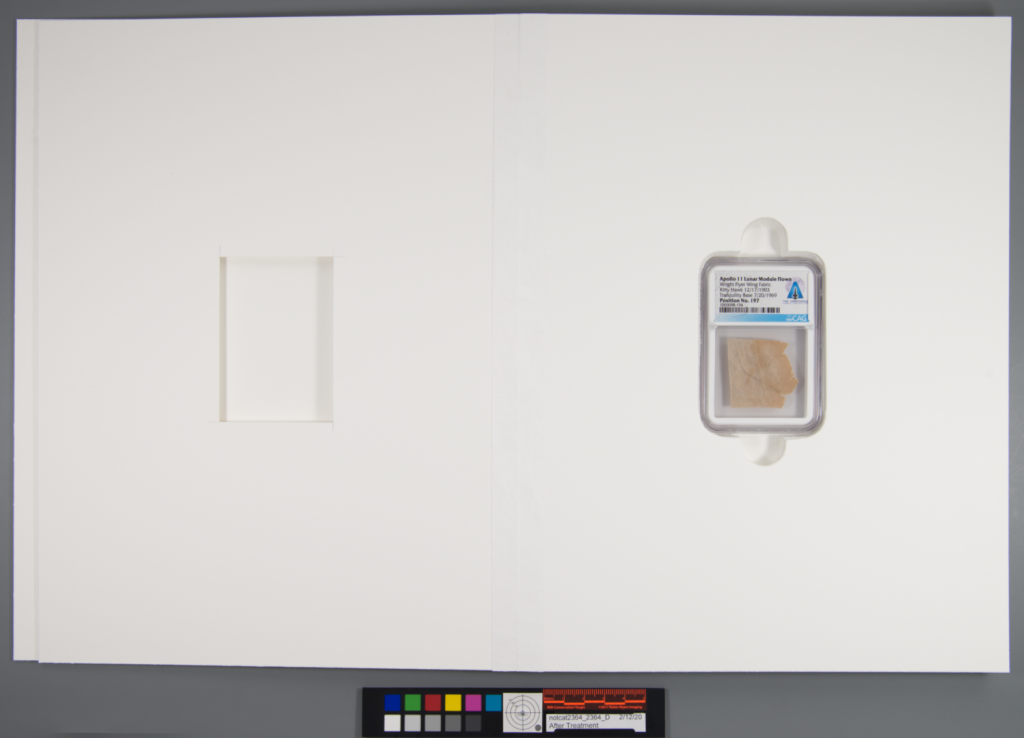
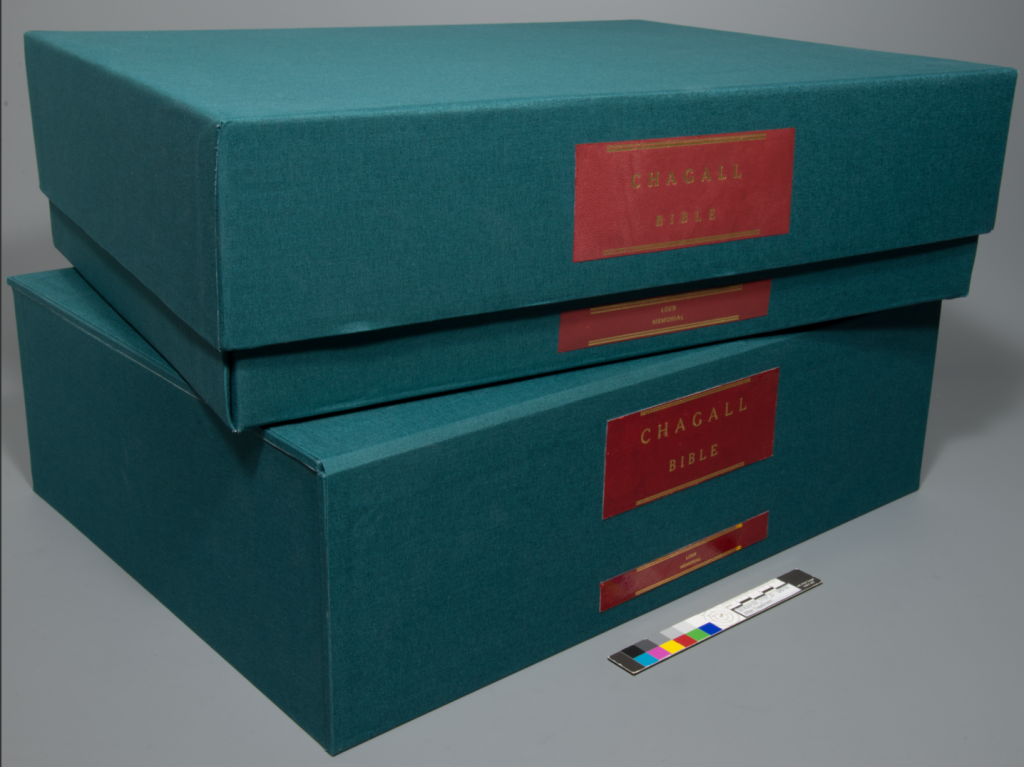
While he brought many skills with him, such as an ability to cut oversized mats, solder and work with metal files, his treatment skills have grown from general collections conservation to the treatment of special collections – with interests in leather, scrapbooks, and making clasps for medieval books.  Treatment aside, Chris has held the esteemed title of Box-Maker Extraordinaire.

Known for his engineering feats, a few of Chris’ masterpieces can be viewed below:

  • 25 Years To Celebrate: Chris Voynovich is Retiring!
  • 25 Years To Celebrate: Chris Voynovich is Retiring!
  • 25 Years To Celebrate: Chris Voynovich is Retiring!
  • 25 Years To Celebrate: Chris Voynovich is Retiring!
  • 25 Years To Celebrate: Chris Voynovich is Retiring!
  • 25 Years To Celebrate: Chris Voynovich is Retiring!
  • 25 Years To Celebrate: Chris Voynovich is Retiring!
  • 25 Years To Celebrate: Chris Voynovich is Retiring!
  • 25 Years To Celebrate: Chris Voynovich is Retiring!
  • 25 Years To Celebrate: Chris Voynovich is Retiring!
  • 25 Years To Celebrate: Chris Voynovich is Retiring!
  • 25 Years To Celebrate: Chris Voynovich is Retiring!
  • 25 Years To Celebrate: Chris Voynovich is Retiring!
  • 25 Years To Celebrate: Chris Voynovich is Retiring!
  • 25 Years To Celebrate: Chris Voynovich is Retiring!
  • 25 Years To Celebrate: Chris Voynovich is Retiring!
  • 25 Years To Celebrate: Chris Voynovich is Retiring!
  • 25 Years To Celebrate: Chris Voynovich is Retiring!
  • 25 Years To Celebrate: Chris Voynovich is Retiring!

As you can see, we will miss Chris’ can-do attitude when faced with any challenge. His positive outlook, efficiency (no one makes a box as fast as Chris!!), cartoons and dad jokes will especially be missed, but we are so happy for the new adventures that await him.  

Please join us in celebration on Oct. 30th! RSVP to ashleigh.fergusonschieszer@chpl.org.

25 Years To Celebrate: Chris Voynovich is Retiring!

Ashleigh Ferguson Schieszer [CHPL] – Special Collections Conservator, Co-Lab Manager

Panorama Preservation: A Visit with Ralph Wiegandt

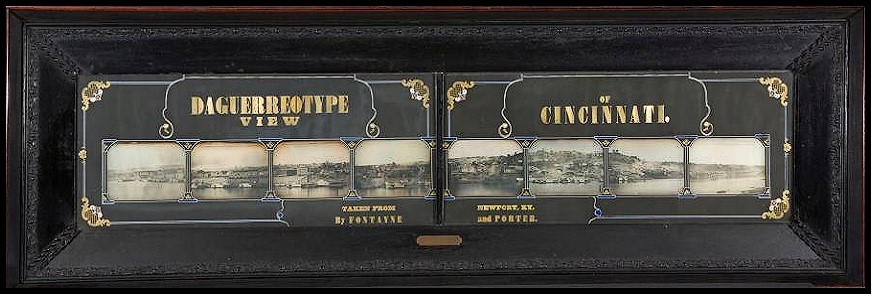
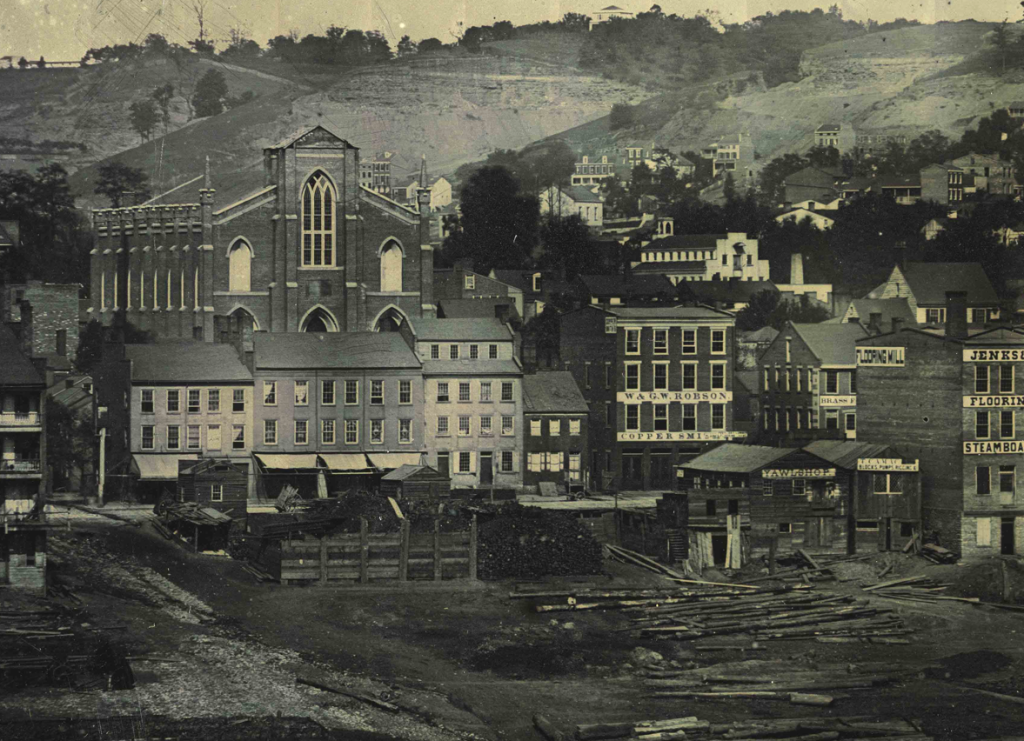
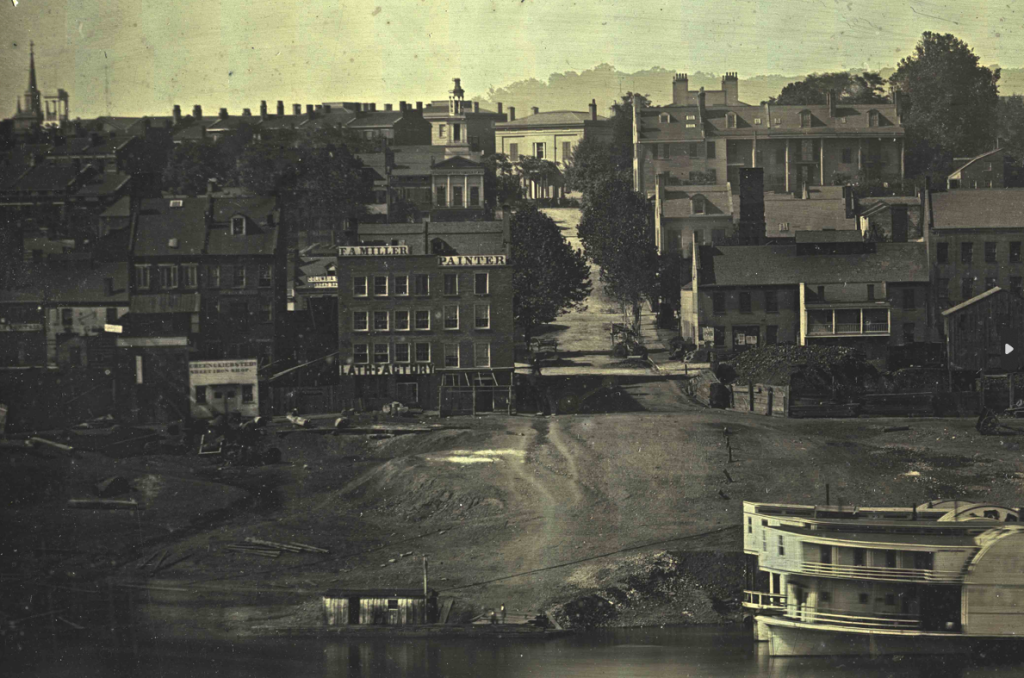
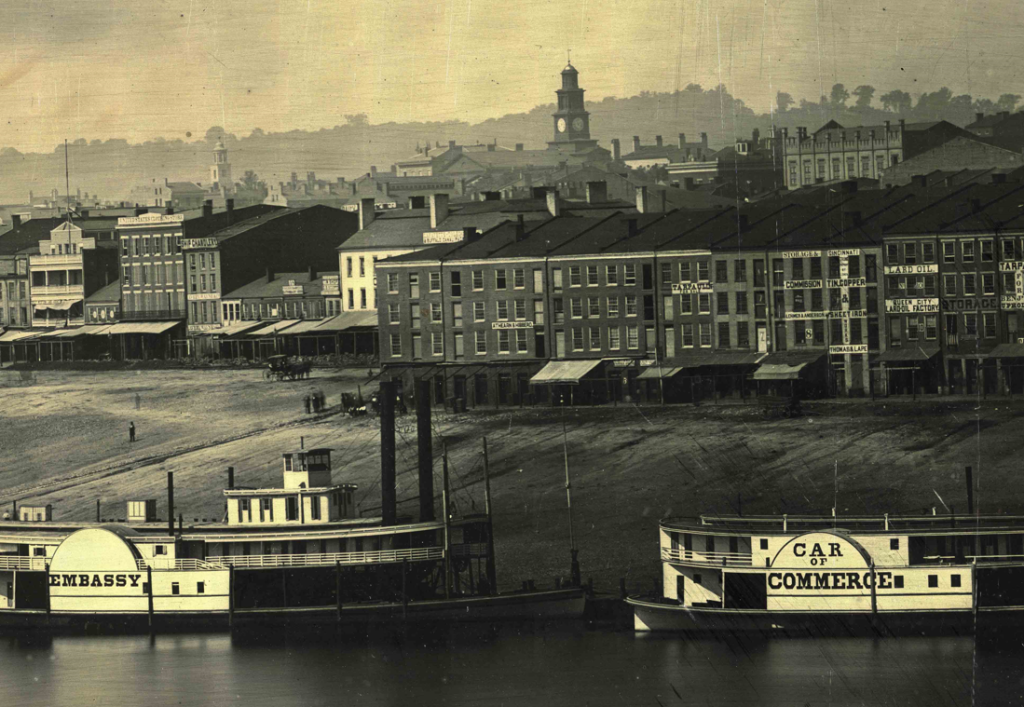
As conservation professionals at the Preservation Lab, we get to see and work with our fair share of historic, rare, and just plain interesting artifacts. I recently had the pleasure of becoming familiar with an item that is all 3 of these, and just so happens to be one of The Cincinnati & Hamilton County Public Library’s (CHPL) most prized possessions: the Fontayne and Porter 1848 Cincinnati Panorama Daguerreotype.  
Panorama Preservation: A Visit with Ralph Wiegandt

Cincinnati Daguerreotype Panorama by C. Fontayne and W. Porter, 1848

For those who are unfamiliar, a daguerreotype is the very first photographic process, utilizing iodine-sensitized silver plates and mercury vapors, often offering stunning detail and resolution. Currently on display in the downtown Main Library’s Cincinnati Room, the Cincinnati Panorama is no exception, and is considered one of the most detailed and vivid examples of daguerreotype photography currently in existence. 
  • Panorama Preservation: A Visit with Ralph Wiegandt
  • Panorama Preservation: A Visit with Ralph Wiegandt
  • Panorama Preservation: A Visit with Ralph Wiegandt

Daguerreotype photography is not without its challenges, however. Most significant of these (at least which concerns us in the conservation field) is that daguerreotypes are extremely delicate. They scratch easily and can degrade with simple exposure to oxygen, atmospheric pollutants, and moisture. These attributes bring up a difficult question: how does one display an item like this, while also ensuring its preservation for generations to come? 

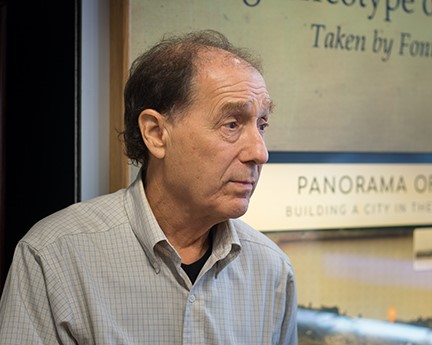
Enter Ralph Wiegandt. Wiegandt is a Photograph Research Conservator who designed and installed the 1848 Cincinnati Panorama’s enclosure and display case in 2008. He routinely has performed on-site follow-up consultations in 2012, ’14, ’16, and most recently this past June with Genealogy and Local History and Preservation Lab staff.  My fellow lab mate, Hyacinth, and I had the good fortune to also meet with Wiegandt on this recent visit to attend a presentation on his uniquely designed enclosure. Although the primary purpose of the visit was to discuss the enclosure, Ralph shared no shortage of information about daguerreotype plates, the photographers (Fontayne and Porter), the conditions surrounding the panorama, and much more. 

Panorama Preservation: A Visit with Ralph Wiegandt

Ralph Wiegandt, photo by Hyacinth Tucker

It was clear from speaking with Wiegandt that this project was one he was deeply passionate about, referring to it as “a seminal object in my career.” He spoke with excitement about the unique attributes the Cincinnati Panorama showcases, chief among them: the stunning detail and clarity. According to Wiegandt, this image is so detailed that it can be magnified up to 30x before experiencing any resolution loss. This allowed for intense digital imaging to be performed during the initial conservation of the daguerreotype in 2008. In this process, digital photos were taken from different degrees of closeness to the original image and then stitched together, creating one large interactive digital display, viewable here

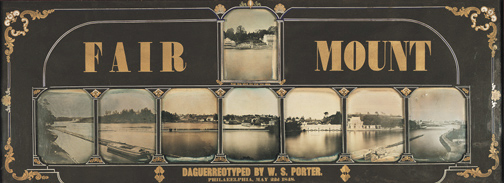
Wiegandt informed us that the 1848 Cincinnati Panorama was not the first attempt at such a picture. Just several months prior, W.S. Porter had taken another daguerreotype panorama of the Fairmount Water Works in Philadelphia.

Panorama Preservation: A Visit with Ralph Wiegandt

Fairmount Water Works Daguerreotype Panorama by W.S. Porter, 1848

The detail of this image, however, is not as impressive as the Cincinnati Panorama. What can be gleaned from this fact, according to Wiegandt, is that the Philadelphia capture was a successful learning experience for Porter, and that his skills and techniques were able to improve dramatically by the time he attempted the Cincinnati Panorama with C. Fontayne. 

At the time of the Cincinnati Panorama, daguerreotype photography had only existed for 9 years. Equally as remarkable as the detail these images were able to capture is the inception of this technology.  Wiegandt explained how Louis-Jacques-Mande Daguerre experimented with plates of silver sensitized with iodine fumes. The idea was that the sensitized silver would be reduced as it was exposed to light (i.e., the shutters on a camera opening and allowing light from the image field to hit the plates), thus creating latent images in the silver. Although this proved to be successful, a viewable image was not detectable until a chance happening, which Wiegandt describes as “a miracle.” Legend has it that one of Daguerre’s exposed plates was stored in a cabinet, sharing this space with one other singular item: a broken instrument that utilizes mercury (such as a thermometer, barometer, etc.). Upon examining this plate, Daguerre realized the latent image was now detectable, correctly deducing that the mercury fumes had developed the film. The fumes had caused the light-exposed areas on the silver plate to form small bumps, roughly 1 micron in size, creating an instant high-resolution image. The microscopic size of these bumps means that, according to Wiegandt, daguerreotype images are an early example of what we would today call nano technology.  (Ralph also notes the actual circumstances of its discovery are unclear since any notes from Daguerre’s studio would have been lost during a fire shortly afterwards.)

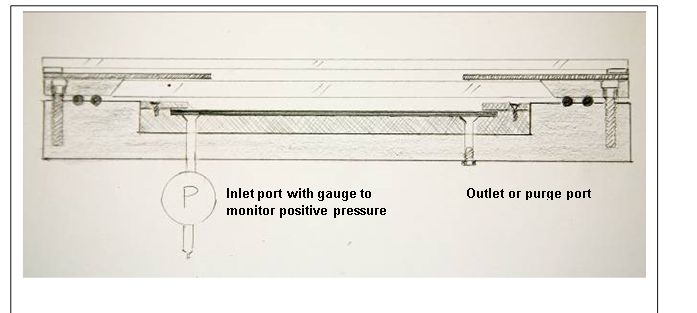
Much like the Fontayne and Porter Cincinnati Daguerreotype, the current display case is quite unique as well. As mentioned before, daguerreotypes are incredibly delicate. To successfully prevent further degradation and preserve this object for generations to come, its exposure to oxygen and other reactive gases must be severely limited. The solution that Wiegandt produced was a specialized inert gas case, similar in concept to how the Declaration of Independence is housed. The goal of this case is “to maintain a slightly elevated pressure of a non-reactive gas such that it will not put excessive strain on the seals yet will be above the potentially highest barometric pressure” (Wiegandt, 2006), thus preventing any atmospheric air from coming in contact with the sensitive daguerreotype plates.

Panorama Preservation: A Visit with Ralph Wiegandt

Wiegandt’s sealed encasement design sketch provided in treatment documentation 

Wiegandt chose argon to pressurize the case with as it has a better diffusion rate and is more inert than other gases such as nitrogen, all while being cost effective.  

Wiegandt informed us on his most recent visit that the case is doing its job: the panorama has experienced no detectable degradation since its installation. However, this was likely his final visit to the Cincinnati Library, as he is retiring from the field. I should add that a further and perhaps more important purpose for this visit was to advise and inform CHPL (and Preservation Lab) staff to be successful in monitoring and caring for the object in his absence. Fortunately, Wiegandt was able to leave us with a wealth of information and resources that will aid in the continued preservation of this amazing artifact. With an updated preservation plan, knowledgeable staff in both the Genealogy & Local History and Preservation Lab departments, and a commitment to preserving cultural property, we can be confident the Cincinnati daguerreotype panorama will be enjoyed by library visitors for many generations to come. 

Matthew McCoy [CHPL] – Conservation Specialist

Sources:

http://photographyhistory.blogspot.com/2010/10/daguerreotype-panorama.html (Fairmount Water Works Photo) 

Jazz, Dogs, and Dense Lit: A Conversation with Matt McCoy

I recently had the privilege of sitting down for a talk with the newest member of the lab staff, Matt McCoy. Matt is a CPHL employee who comes to us from…well, I’ll just let him tell it.

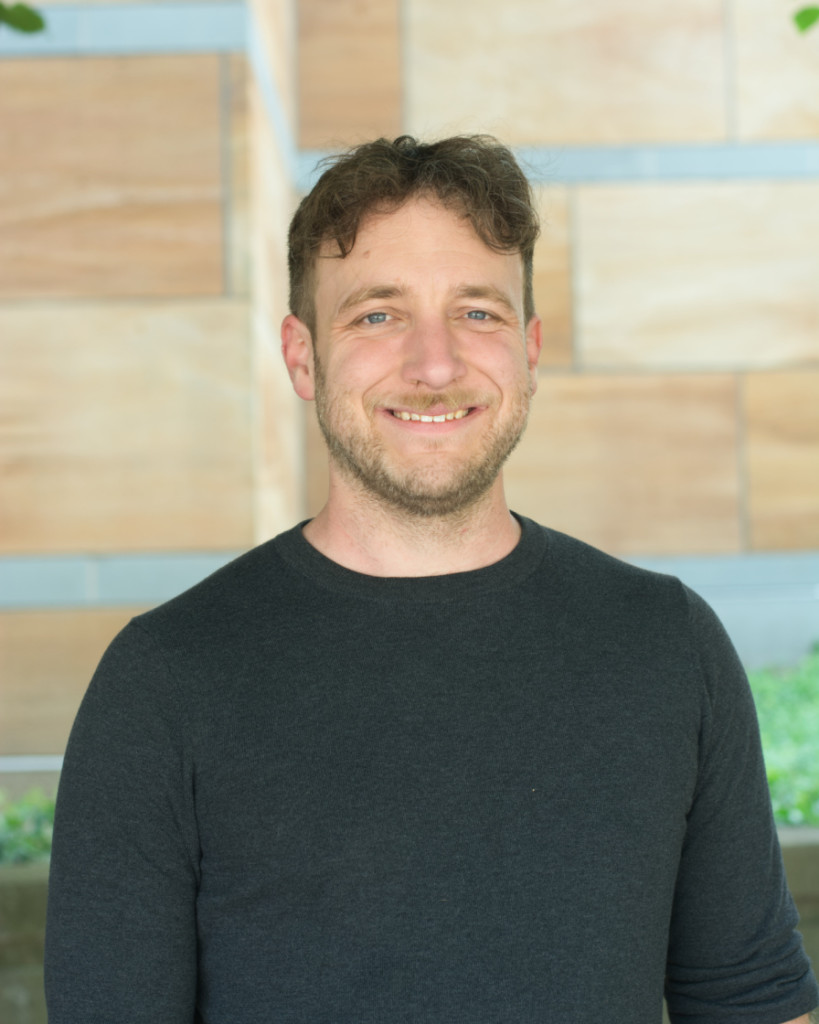
Photo of Matt

[edited for clarity]

Hyacinth: Alright, so first off, how did you come to be here in the lab?

Matt: I became aware of the lab at an open house; I think it was 2017 or 2018. I was working in Materials Retrieval downtown. I did the tour here, and I knew Cat [Catarina Figueirinhas, Assistant Conservator in the lab] because she used to work in my department. My boss picked a couple of people to go to the open house, and I got to check it out.

It was really cool, and I thought, ‘this would be a cool place to work someday.’ At the time, libraries were sort of just a side job for me. They’ve become more of a focus, especially over the pandemic. I started an MLIS but decided not to continue with it after getting a taste for the public librarianship. I guess I wouldn’t say I’ll never pick it back up again, but who knows?

I’ve always kept an eye on job postings, and I saw this one, I think it was over winter break. At that pont I had been working as a customer service substitute for CHPL for about a year. Then I saw the job posting and it just it sort of was like they have an opening there; I feel like that was the first time I had ever seen an opening pop up when I was here.

H: Yeah, it doesn’t happen often.

M: So I was like, you know what, I’m just going to apply for that. I was a little worried I’d missed my shot because I think it had been posted for a month or so. I had a friend who was staying with me over the holidays, and I applied for it the first day he was out, just kind of on a whim. Things just sort of fell into place from there, and here I am.

H: Well, you’ve been with us for nearly three weeks [at the time of the interview.] How are you liking it?

M: I love it so far. Even just the general collection stuff I’m doing so far, it’s very interesting. There are hand skills, but since I’m starting on general collections, it hasn’t been super stressful. The days fly by really quickly. I really like improving skill sets, so just getting to go through the training and practice different things and assessing how’d it go, what can I do better or what do I need more work on, that’s been fun and satisfying to do. I’m really liking that.

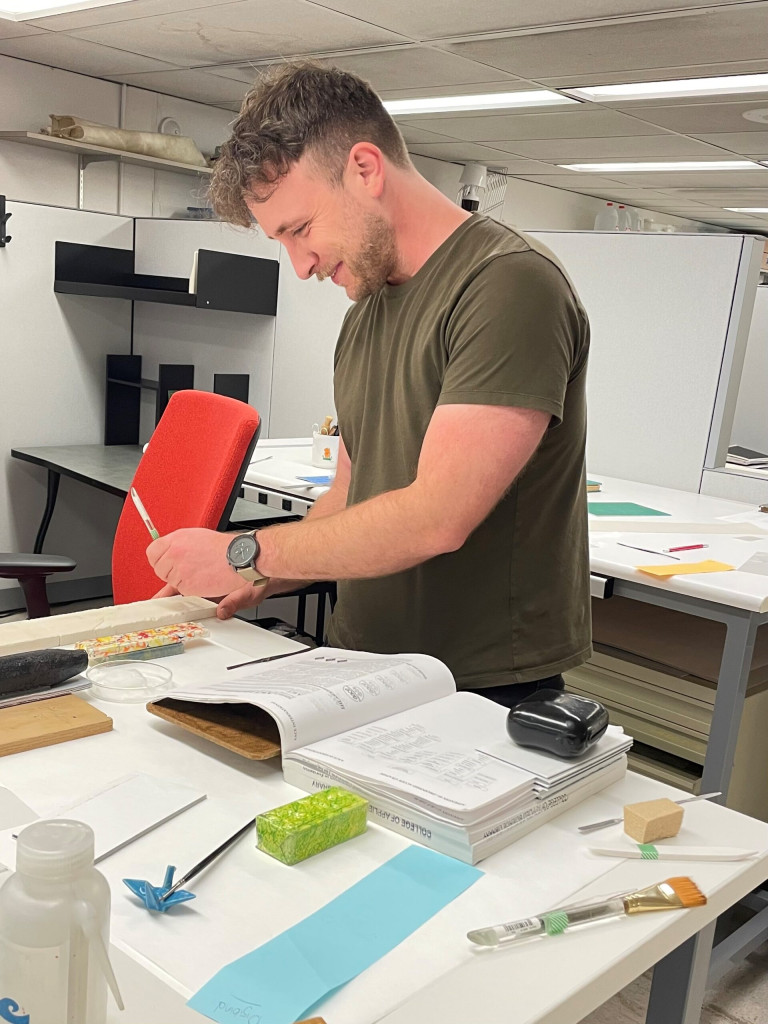
Photo of Matt working on a general collections repair

You guys have all been great so far, real good staff to have around. Everybody’s been really helpful and friendly. I’ve felt very welcomed here from the start and it’s been cool just getting to see all the stuff you guys have been working on, both at the open house but also the…I guess the pre-return meeting? That’s what it was, right?

H: Yeah. [nods]

M: Yeah, that was really cool to see too, and just get a feel for how things work with the special collection stuff, and how the process goes from an item first arriving, to you guys doing treatment on it, and then sending it on its way.

H: It’s a whole thing. We have a flow chart.

M: [laughs] I’ve noticed that a couple of times, as I’ve been leaving for the day, and think that I need to read that and then forget, and then I’ll walk by it again.

H: It’s a lot of flow chart. I mean, you get the hang of it, but it’s a lot of flow chart.

M: And the flow of my life has been really nice since starting this job. It’s a short commute, and the fact that the days go by quick. I feel like I never have enough time to…I’ll get into something and then I’ll hear the [closing] announcements go on. I’m like, ‘shoot, I was just getting into this!’ I was also a little worried, I wondered how much energy I’d have at the end of the day, to work on music and whatnot, but it hasn’t really been an issue so far.

It’s cool being on a college campus too. It’s sort of lively. I know it’s going to get more lively as we go along, but it’s a lively place to work. And I like being around people, so that’s been cool. It’s also nice that it’s not the place where I went to college. I don’t feel like ‘oh, shoot, back here again.’

H: So what’s the most fun or interesting or fascinating thing you’ve done in your training so far. I know it’s going along really quick.

M: I really like the – and I feel like it’s probably the thing I’ve had to work at the most – I like the hinge-in, doing hinge repairs. They’re just very satisfying. It’s either, you know, pages have fallen out of a book, or it’s structurally compromised and then all of a sudden, oh look how nice! It’s all nice and sturdy now, putting it back together, so I really like those. I enjoy any sewing I’ve done so far too. Once it’s all nice and tight and looking prim and proper, that’s been pretty gratifying.

H: It is very gratifying. And Jessica [Ebert, Sr. Conservation Specialist] is a good person to learn it from.

M: Absolutely! She’s been a great teacher.

H: Her sewing is fantastic. You’ll never be as fast as her.

M: She really does just fly by!

H: Even I’m not as fast as she is.

M: Yeah! And then I also like the tear repairs too. Those are nice, once everything’s all dry and put together, it’s like there we go, that looks nice.

H: What are you looking forward to learning?

M: Definitely down the road, but I’m looking forward to getting into some of the special collection stuff. Getting to have a project. I mean, I have had a couple of projects that I’ll start and finish up the next day, but I haven’t had any long-term things. And I’m sure it’s different for every item, like I’m not sure how long each of you spends on a particular treatment, but I’m sure that there’s some where there’s a lot of different steps, seeing something throughout the whole process on a broad scale, that sort of thing. I think it’d be neat to work on something like pieces of artwork or maps. I’m also excited to get into any kind of bookbinding stuff, like the models you guys have made of different types of books. The more complex things like making a cover or something like…I forget what it was, the sermon that Jessica worked on.

H: The split-board binding.

M: I think that looks really cool, yeah. I always enjoy a well put-together book and that is a nice one.

H: Well, I have found that there are two kinds of library people. There’s the kind that’s born and raised in the stacks – that was me, my family was into libraries from the time I was really little – or people who kind of stumble in one day and realize that it’s great, and then they just never leave. Which kind are you?

M: I did go a little bit as a kid, sort of here and there. I remember would do summer reading. But then I got into my teenage years and early adulthood and didn’t really utilize them that much. I think it was later in college that I started going to the downtown library because they had – this was before I got into the streaming music services – they had such a good jazz CD collection. I think it had been donated by a radio station that used to play a lot of jazz stuff, the Oscar Treadwell jazz collection. That’s what got me into it. Then I thought this might be a cool place to work, and that’s what led me here.

H: What sort of things do you like to read, and what are you reading right now?

M: Mostly fiction. Although I’d like to read more nonfiction, I think sometimes reading is a nice sort of escape from reality. So I like reading fictional stories. I’m reading this Cormac McCarthy book right now. It’s the third part of a trilogy he has called the Border Trilogy.

H: Cormac McCarthy is so bleak!

M: Oh I know, that was the exact same reaction Holly [Prochaska, Preservation Librarian] had!

H: Oh he’s a wonderful writer. Just bleak.

M: Yeah, he’s great, one of my favorites. His prose is so beautiful, but the actual contents of the story is so dark and depressing sometimes.

H: You read it and you gotta take a break.

M: Yeah, so I’ve been chipping away at this one and afterward I’m going to take a break. I’ve also gone through phases where I’m really into science fiction and kind of fantasy stuff sometimes. I think maybe when I get done with [the Cormac McCarthy], I’ve been wanting to maybe start Dune.

H: I’ve tried Dune like three times. It’s so dense.

M: That’s what I hear.

H: It has a glossary.

M:  I’m wondering if I can get into it or not because I was really into Tolkien. I did The Silmarillion a few years ago, and that was the only book where I’ve had a little sheet that just had notes on it.

H: Then you’ll probably be fine. I had an ex who read it. He loved it, but it was a lot.

M: Some other favorite authors…I like [Kazuo] Ishiguro a lot, probably one of my favorites, and Vonnegut.

H: Vonnegut’s great.

M: I really like his sense of humor, it’s very much up my alley. I also don’t think I mentioned the name of the book that I’m reading, the McCarthy one, it’s called Cities of the Plain. The most famous of the trilogy is the first one, All the Pretty Horses, and then The Crossing, and this is the third one.

H: Do you have a favorite book?

M: Let me think…I really love the Lord of the Rings trilogy. I could pick out a favorite of the movies, but not the books. I also liked Blood Meridian; I read Song of Solomon, a beautifully written book. I also enjoyed Never Let Me Go. That was Ishiguro, a really sad one, very beautiful.

H: That was adapted into a film.

M: I haven’t seen the movie yet, and I think I started it one night but then…I think I got worried. The story has such a high place in my head, it might live up to it. Sometimes for that reason if there’s a movie version I’ll watch it first and then read the book. But yes, those are a few of my favorites.

H: So you are a jazz musician. What led you to that?

M: That’s a good question and kind of similar to what you’re saying about how there’s like kind of two types of people who get led into libraries. I found there’s sort of like two kinds of a paths that lead people into jazz, and I was kind of in the middle of it. It’s usually either band kids in high school –

H: [raises hand] I was a band kid.

M: – they get into it, but then also it’s also people that like the hippie Grateful Dead sort of jam bands.

H: I like those too.

M: That’s how they get into it, more improvised music.

H: It’s very technical.

M: Yeah, so that kind of start it for me. I started playing electric bass when I was probably 14 or 15. I got really into it, I wanted to learn everything I could about it. And then I started learning about all these jazz musicians and hearing some good bass players. You check a record out and that led me down that path. I had a lesson teacher, and he pitched the idea of going to school for music. There’s a couple of programs where you can do what they call commercial music, if you want to study music in college, a jazz or classical degree. I thought, ‘Oh yeah, I wouldn’t mind going to school for a jazz degree’. Through that I got really immersed in the jazz world and fell in love with it and have been doing that ever since.

H: So not the Miles Davis route, starting with classical and hanging out in jazz clubs?

M: Yeah, there’s a lot of people who do that, it’s funny. I feel like a lot of the famous acts were classical musicians who kind of got into jazz, which is also cool.

H: What other musical genres do you listen to?

M: It’s kind of all over the place. I like a lot of hip-hop, the current modern stuff and some more classic stuff too. I like folk music and I play in a folk band, although we’re kind of losing momentum right now. Everybody in the band other than me keeps having kids, which make rehearsing a little difficult. But I grew up in the time where the pop punk emo thing was real big, so I will always have a soft spot for that in my catalog. Usually if I like something, I’ll just save it. I was listening to Bob Marley recently; I mean, everybody knows he’s great, but I couldn’t remember the last time I just sat down and listened to him. So, a pretty wide range of stuff, but there’s a few things I gravitate towards. I will end up listening to indie rock and folk more than other genres.

H: Is there a piece of music that you’re obsessed with at the moment?

M: That’s a good question. Let me look here and see if something stands out. [He flips through his phone briefly.] There is a Gregory Allen song called Dark Dark Dark that I really like. I’m going to go with that one.

H: Do you have any other hobbies?

M: I like going to the gym, although I can sometimes kind of slack on that. I feel like lately my life has just been a lot of music stuff and this job and I haven’t been doing too much else, but I really do like being outside, just hiking and stuff. I want to go camping more.

H: We’ve had good weather for it.

M: Absolutely! I also like traveling. I mean, everybody does, but you know, I like getting out to see stuff. Other than that, I’m somewhat into movies, TV shows, nothing super wild at the moment though. I have a bunch of hobbies that I’ve been meaning to get to, that I want to give a shot. I just never seem to find the time for it.

H: I know you’re a coffee guy, you come in with one every morning.

M: [laughs] Yeah.

H: So instead, Coke or Pepsi?

M: I would say Coke over Pepsi. Not that I have anything against Pepsi! In terms of cherry cola I used to like Wild Cherry Pepsi better, although I feel like I never see it around anymore. But yeah, I would say Coke.

H: Do you have a favorite movie or movie genre?

M: I really like science fiction movies. That’s maybe my favorite genre. And I’m going to Cormac McCarthy again, but I really like No Country For Old Men. The Life Aquatic with Steve Zissou, that Wes Anderson movie, that’s up there. As far as sci-fi goes, I liked Arrival; it really stood out to me.

H: What is your favorite time of year?

M: Fall, especially living around here. We have all the leaves changing, and the temperature is nice and not too humid. You can still go outside and do stuff.

H: Do you have any pets?

M: I have a dog named Baby Redbone. He’s a rescue. A significant other and I found him living on the street. We lived in Northside at the time and we used to take our other dogs out together. There was a school that has since been turned into apartment complex, it was abandoned at the time and we used to run with the dogs and wear them out real quick. One day he was just sort of back there. We initially weren’t going to keep him. She mentioned that he was just a baby, so we were calling him Baby. We thought maybe he was a Redbone coonhound because he’s got this real reddish coat, like he’s definitely part pitbull. So the name just kind of stuck. When we parted ways, she kept the other dogs, and I kept him. We weren’t having any luck finding anyone to take him from us. People don’t like having dogs sprung on them! He’s a decent-sized dog, 63 pounds or so.

H: Yeah, we have a pit/rot mix and he’s like 100 and he’s so much dog, but just the sweetest thing I’ve ever met.

M: Oh goodness, yeah. They’re so sweet. My theory is [pits] are very trainable and receptive to things, so if somebody has bad intentions with them, they can get them to be mean, and if someone has good intentions, they can get them to be sweet too.

H: I find that they often work best when they’re mixed with something.

M: Yeah, totally. You’ll have to show me pictures of your dog at some point.

H: And finally, can you leave us with a random fun fact about yourself?

M: I haven’t tried this in a while, but I feel like I could still do it, but  when I was in elementary school we had an after school program, a unicycle club where our gym teacher trained us all up to ride unicycles, and we rode in parades and stuff. So I guess my fun fact would be that I can ride a unicycle!

H: That is a very fun fact.

M: It’s been a little bit since I’ve tried it. Somebody had one at a party awhile ago and I tried. It still worked. I feel like my body would remember how to balance like just sort of like a bike.

H: Very cool. Thank you!

I hope you enjoyed getting to know Matt as much as I did!

Hyacinth Tucker [UCL] – Conservation Technician & Bindery Processor

A New Home For the Madisonville Scrapbook

We’re excited to announce that the Madisonville branch is in its final stages to re-open their newly renovated space! Please join the library for the opening event March 18th! At the event, the Genealogy and Local History Department staff member, Chris Smith will talk about Madisonville’s history from 3:30 pm – 4 pm.

During the event, the Madisonville scrapbook will be on view for festivities March 18th.

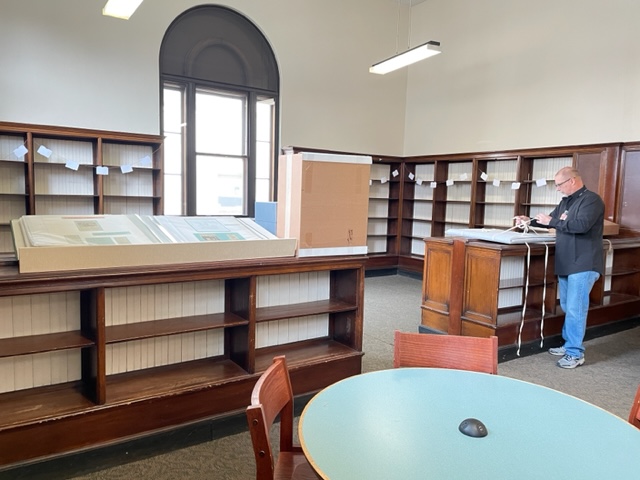
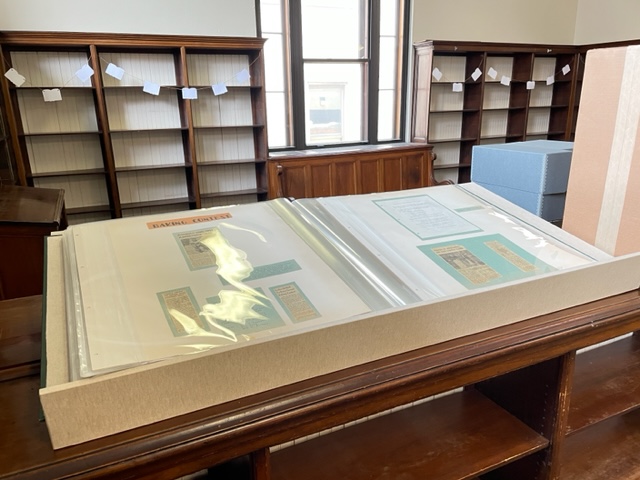
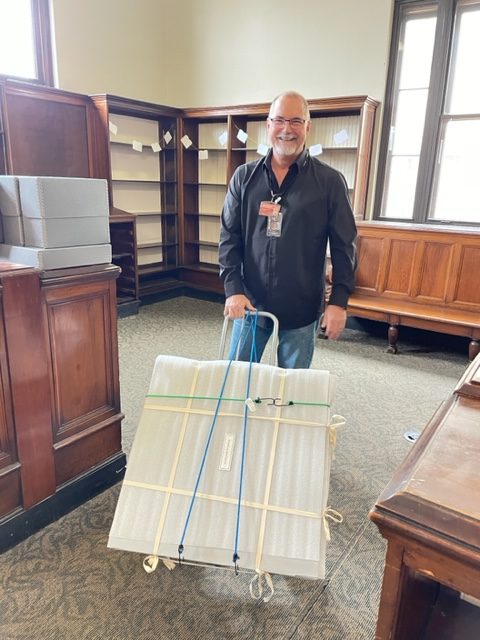
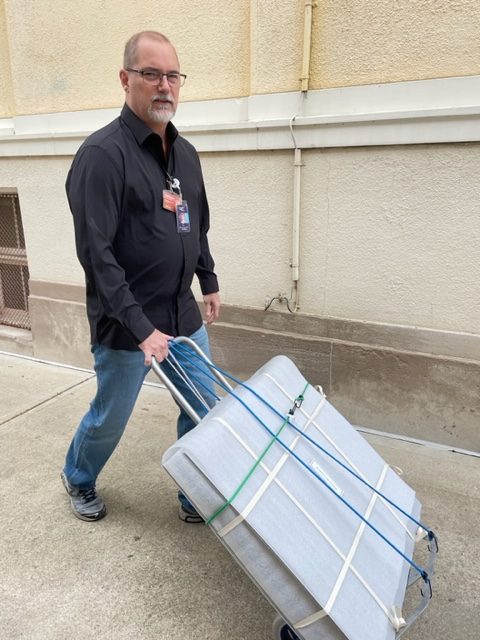
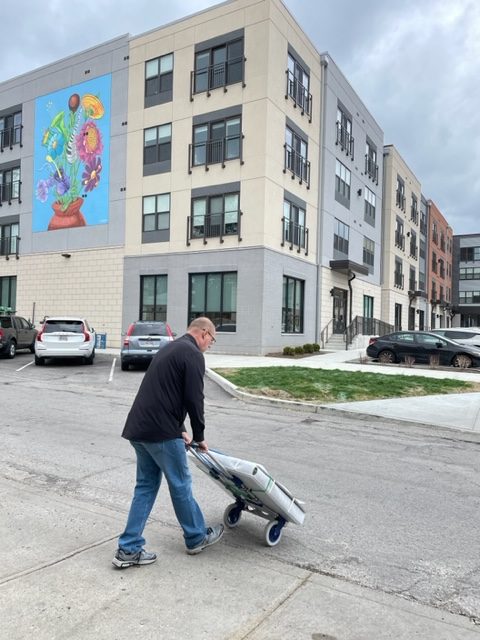
Because this material is HUGE and considered a rare irreplaceable item, both the book and cradle were hand delivered from one building to another by Preservation Lab and Madisonville staff. Below are “behind the scenes” images showing the delivery of these oversized materials.

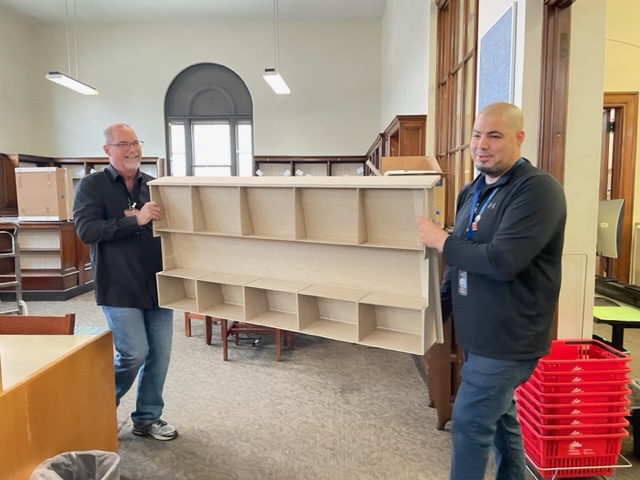
View of book in its prior home location, recently cleared of books:

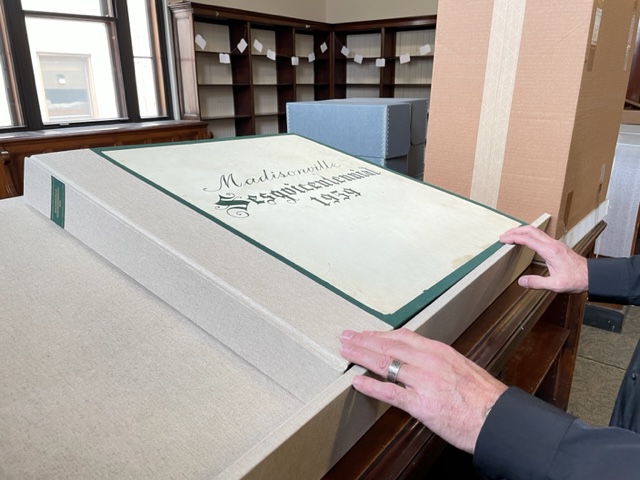
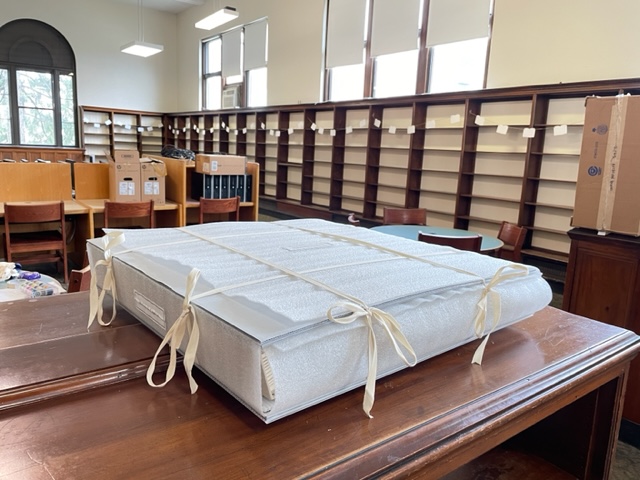
For transport, the oversized book was stored in a lightweight (but strong!) custom enclosure:

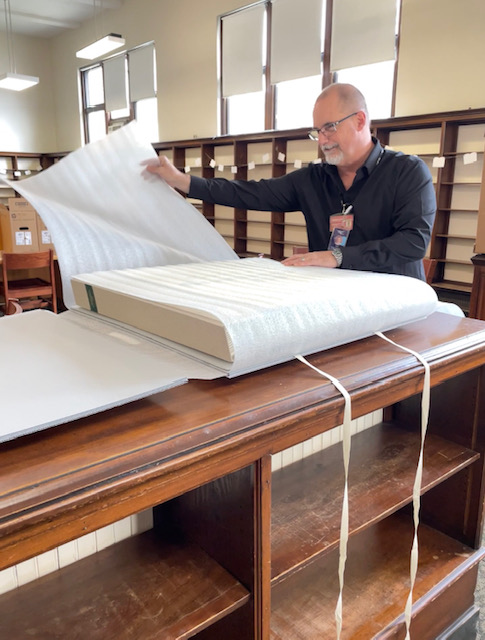
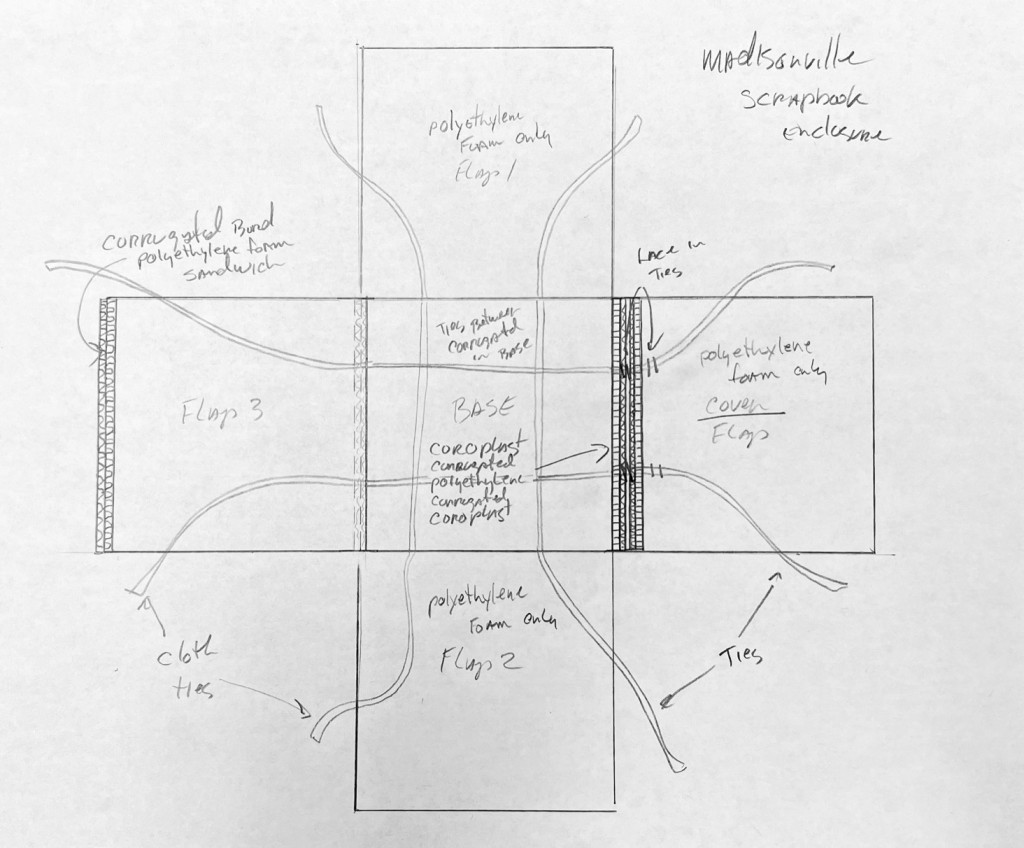
The custom enclosure consists of multiple light-weight layers and flaps of foam, all tied together with cotton ties, as shown in Chris’ schematic. This enclosure will be used both for transport and for long-term storage.

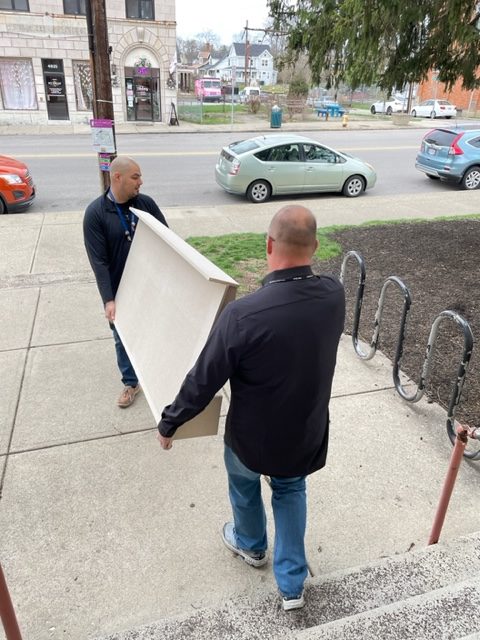
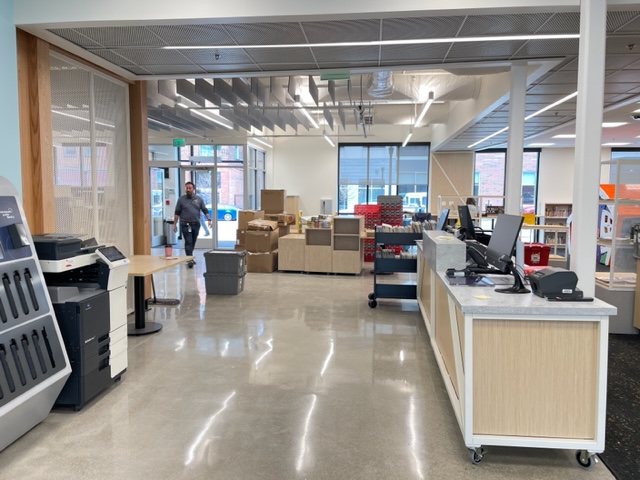
Once packaged, both the book and cradle were hand delivered to their new home next door:

The book now awaits the re-opening event while staff continue unpacking the rest of collections!

We hope to see you there!

Ashleigh Ferguson Schieszer [CHPL] – Rare book and paper conservator

To read about the conservation of the scrapbook and construction of the book’s cradle, please see the treatment documentation and a prior blog article titled, Madisonville Scrapbook.

As a bonus, to celebrate the completion of the oversized treatment, Chris created a comic you can fold from an 8 1/2 x 11 sheet of paper. Check out the printable file below! Instructions on how to fold can be found on the Preservation Lab’s YouTube channel video titled Preserving Scrapbooks beginning at the 10:42 time stamp.