
Medical illustration and the American Civil War

In past cultures the comprehension of human anatomy through dissection was hindered by taboo societal norms. Such analysis of the body was illicit due to the conception that our physical-selves sheltered the soul which made dissection sacrilegious, therefore forbidden. This world-view endured in European-based societies through the 1800s.
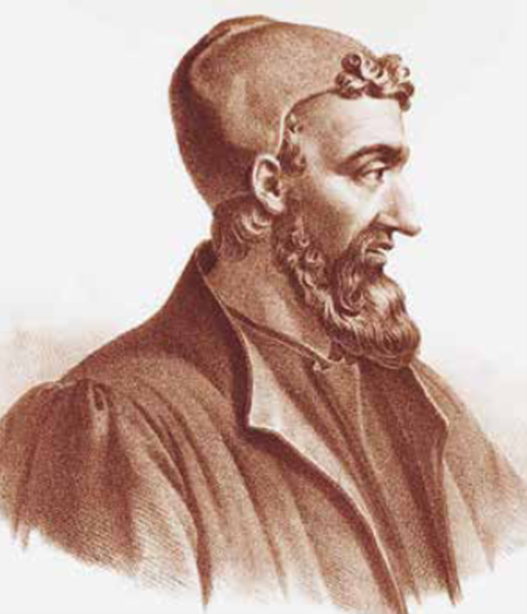
Galen of Pergamon 129 c. – 216 CE, scholar of human anatomy and medical illustrator of animals.

Roman law is credited with this outlawed dissection dynamic. Galen of Pergamon (129 c. – 216 CE) molded the field of medical illustration for over a millennium. It was against Roman law to dissect human bodies, which led Galen to consign his study and anatomical illustrations to the animal kingdom. Among the animals he studied, Galen dissected apes, pigs, dogs, and oxen. With the lack of human subjects, Galen propagated inaccurate illustrations about our bodies.
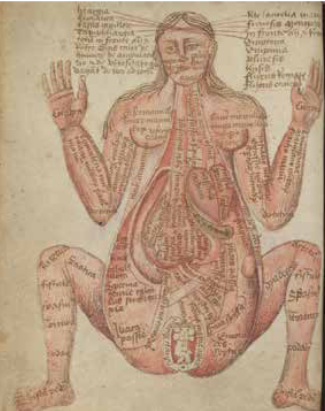

Pseudo-Galenus, Anatomia, England, midddle15th century, Wellcome Library, London.
Continue reading →

SMOKE GETS IN YOUR EYES Exhibition–University of Cincinnati Health Sciences Library

A visiting psychiatrist alumni of the University of Cincinnati College of Medicine recently remarked,

cigarette advertisements associate smoking with positive emotional, social, and personal benefits rather than the physical act of smoking itself. The ads target specific psychological needs, such as the desire for independence, peer acceptance, social status, and stress relief.  The advertisements exploit the emotional vulnerabilities in adolescents and adults.

This psychological phenomenon is illustrated by the SMOKE GETS IN YOUR EYES Exhibition on display on the E level of the University of Cincinnati Donald C. Harrison Health Sciences Library. Advertising increases brand recognition by creating emotional connections, making commodities well-known in a consumer’s mind before and when they are ready to purchase a product. Advertisements use targeted messaging that will reach specific audiences through consistency and memorable images. They employ emotional impressions which negate reliance on logical persuasion.

Continue reading →

Today, the John Miller Burnam Classics Library, in cooperation with the Klau Library of Hebrew Union College, commemorates the Bicentennial of the First Jewish Congregation in Cincinnati

Today, the John Miller Burnam Classics Library, in cooperation with the Klau Library of Hebrew Union College, commemorates the Bicentennial of the First Jewish Congregation in Cincinnati

On January 18, 1824, the first Jewish congregation in Cincinnati was formed, the first west of New York, making the Queen City a center of Judaism in the United States.

The first recorded Jewish man in Cincinnati was Joseph Jonas, a watchmaker, from Plymouth in England, who arrived in New York in October 1816 with the intent of making his way to the new city of Cincinnati. He left for Cincinnati from Philadelphia on January 2 in 1817 but did not arrive in Cincinnati until March 8, two months later, after a long and difficult journey traveling in horse carriage across the mountains and then on a flatboat (see below) south on the Ohio River.

Continue reading →