How many times have you or a loved one been to the emergency room? Did you ever wonder how the emergency room procedures were established that you have observed in the hit dramas, The Pitt or ER? (The Pitt – WikipediaER (TV series) – Wikipedia) How do they make the quick decisions that save lives? Their scripts are based on authentic emergency room procedures established by the medical profession.
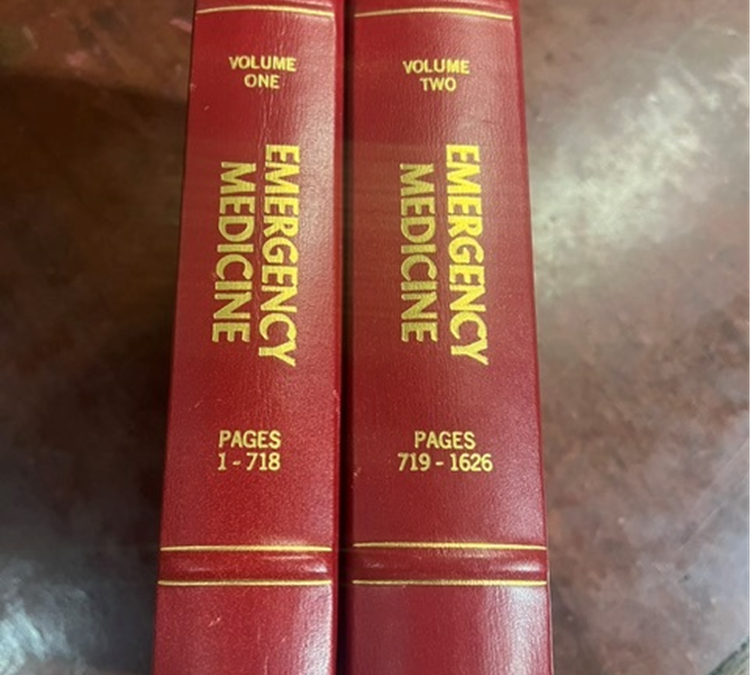
In the early 1980s a group of emergency medicine professionals at the University of Cincinnati provided this growing medical specialty with the seminal textbook Emergency Medicine concepts and clinical practice, published by The C.V. Mosby Company. Led by Senior Editor Peter Rosen, M.D., and Associate Editors Drs. Frank J. Baker, G. Richard Braen, Robert H. Dailey, and Richard C. Levy, they assembled a team of eighty-seven emergency medicine experts.
In the early 20th century the excellence of the Bar-Ray Products Company and the Kelley-Koett Manufacturing Company gave Covington, Kentucky the distinction as “X-Ray City”. While they were independent enterprises, these two Covington-based companies were instrumental in their influence on early radiology science, medical imaging, and the manufacture of radiation protective equipment.
Bar-Ray Products Company X-ray Stitching Stand, circa 1940s and Kelley-Koett Manufacturing Company X-ray machine, circa 1920 on display at the Henry R. Winkler Center for the History of the Health Professions.
The Henry R. Winkler Center for the History of the Health Professions installed an exhibit of a Bar-Ray Products Company X-Ray Stitching Stand (circa 1940s) and a Kelley-Koett Manufacturing Company X-Ray Machine (circa 1920). The radiology equipment was utilized at the Cincinnati General Hospital. The X-Ray Stitching Stand was accessioned with an attached document of operator instructions.
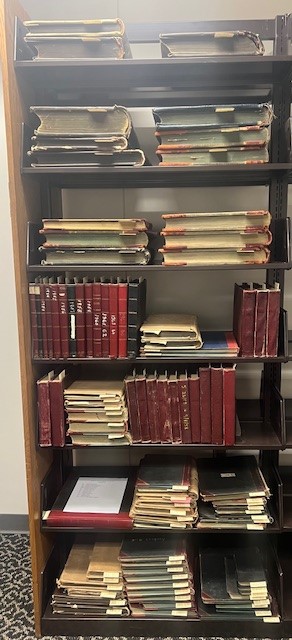
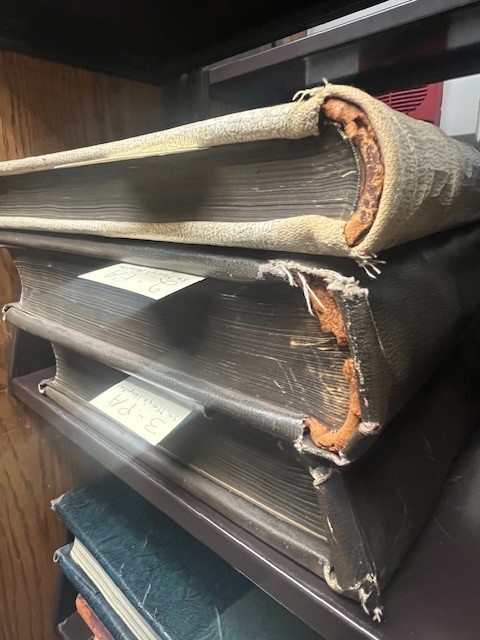
The Saint Mary’s Hospital Collection consists of 93 ledgers of hospital information about patient admissions, patients of German heritage, births, surgical operations, intensive care unit patients, deaths, physicians in Cincinnati, Ohio and information about a tuberculosis outbreak in New York City. The hospital was founded in 1858-1859 in Cincinnati, Ohio by the Franciscan Sisters of the Poor.
St. Mary’s Hospital in Cincinnati was a historic medical institution established in 1858–1859 by the Sisters of the Poor of St. Francis on Betts and Linn Streets. Designed by architect Anthony Bley, the hospital served thousands of Cincinnati’s impoverished and German citizens. With a capacity of 325 hospital beds, St. Mary’s Hospital treated over 2,000 patients each year. The hospital was enlarged in 1860 and again in 1875. It was well-known as an important facility for emergency cases and taking care of the medical needs of Cincinnati’s West End neighborhood. St. Mary’s was supported by the contributions of the public and the Archdiocese of Cincinnati. The historic hospital closed on May 1, 1971. The Sisters of the Poor of St. Francis also shaped other healthcare organizations in the Cincinnati region, including what is now Mercy Health. The St. Mary’s Hospital Collection may be useful for research in genealogy and the social and medical history of Cincinnati in the late 19th century.
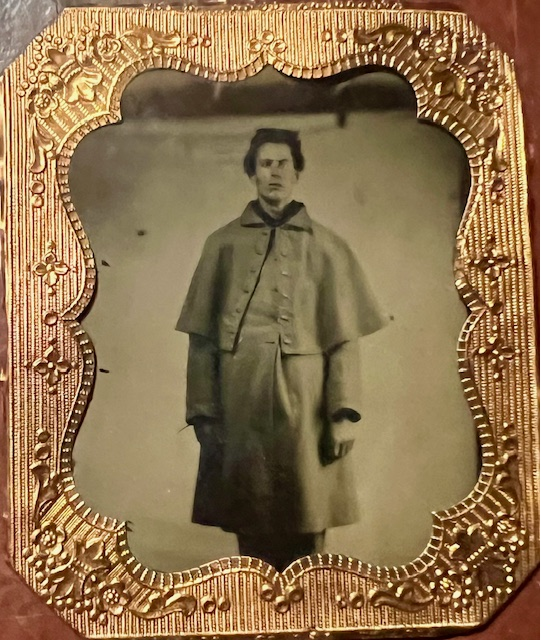
Benjamin L. Askue, Jr. during the American Civil War, circa 1860s
Frontline accounts of military conflicts provide a glimpse into the world of the war. The historical record reflects numerous descriptions of soldier’s and military doctor’s accounts of the bloodiest war ever engaged on American soil – the Civil War. The Henry R. Winkler Center for the History of the Health Professions announces the launch of the narratives of the 23rd Regiment Ohio Volunteers Infantry doctor, the Benjamin L. Askue, Jr. Civil War LettersBenjamin L. Askue, Jr. Civil War Letters on JSTOR.
Askue was born in November 1833 to Benjamin and Rowena Cordelia Askue in Ashtabula, Ohio. In 1853, he married his cousin Flavia Pritchard. The letters he wrote to Flavia during the American Civil War demonstrate that they had a happy marriage. The couple had five children together.
During the 19th century and early 20th century, physicians often received their training through apprenticeships. Askue followed this path becoming a homeopathic doctor. In 1861 he joined the 23rd Regiment Ohio Volunteers Infantry, Company B in the Union Army. Askue served as a cook, nurse, hospital steward, and in the 23rd Regiment’s infantry. He left the Union Army In July 1865. Askue returned to Ashtabula to farm and practice homeopathic medicine. He died in 1906.
Askue’s archives and artifacts were donated to the Winkler Center. While his archives hold numerous documents and artifacts, the highlight of the collection consists of letters written to Flavia beginning in June 1861 and concluding in July 1865. He described the 23rd Regiment’s travels, battles, camp life, politics, family in Ashtabula, Ohio and Askue engaged in philosophical analysis of the era.
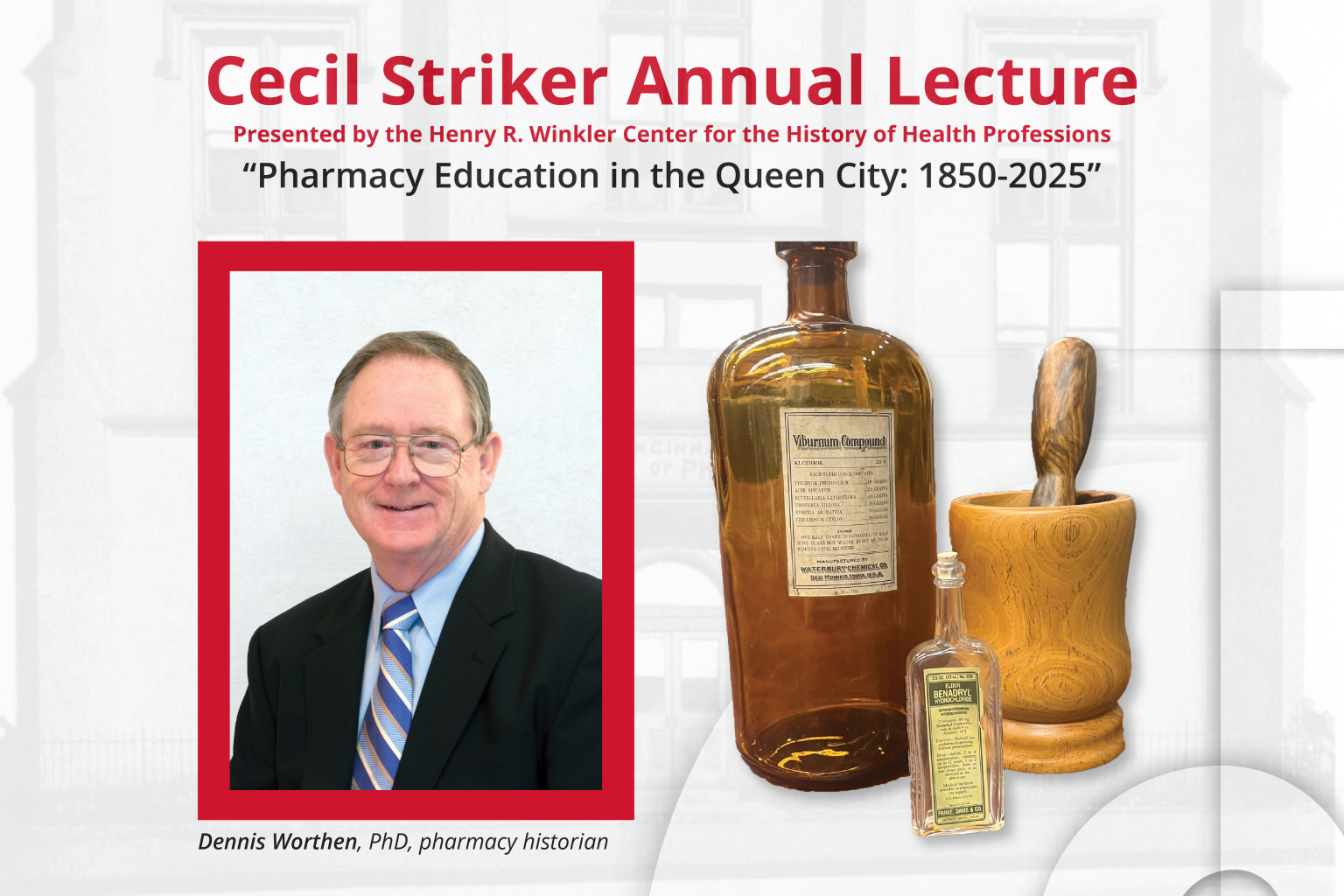
The University of Cincinnati College of Pharmacy’s 175th anniversary was featured in the 2025 Cecil B. Striker annual lecture series on October 14th. The lecture series is an annual program of the Henry R. Winkler Center for the History of the Health Professions. Esteemed pharmacy historian, Dennis B. Worthen gave a standing ovation lecture entitled Pharmacy Education In The Queen City: 1850—2025. Pharmacy Education in the Queen City: 1850-2025 – UC Libraries MediaSpace. Worthen traced the origins of pharmacy education in Cincinnati, beginning with Peter Smith’s Indian Doctor Dispensatory (1810), the first medical book published in Ohio, through today’s College of Pharmacy, which boasts PharmD joint degrees, online master’s and interdisciplinary degrees, graduates from the United States and over 23 countries. Worthen’s narrative of the 175th anniversary of the College of Pharmacy is honored with a year-long exhibition in the Stanley Lucas Boardroom, Health Sciences Library.
Dennis B. Worthen, Ph.D., served as an adjunct professor at the University of Cincinnati College of Pharmacy where he taught the history of pharmacy courses from 1999-2017. He was also affiliated with the Lloyd Library and Museum in Cincinnati, OH as executive director and then the Lloyd Scholar from 1999 to 2013. He retired from Procter & Gamble Health Care as the director of pharmacy affairs in 1999. Dr. Worthen completed his undergraduate education at the University of Michigan and received his graduate degrees from Case Western Reserve University.
Medical illustrations and drawings are a reflection of the state of medical practice at a specific moment in time providing a visual record of science, technology, and anatomical knowledge.
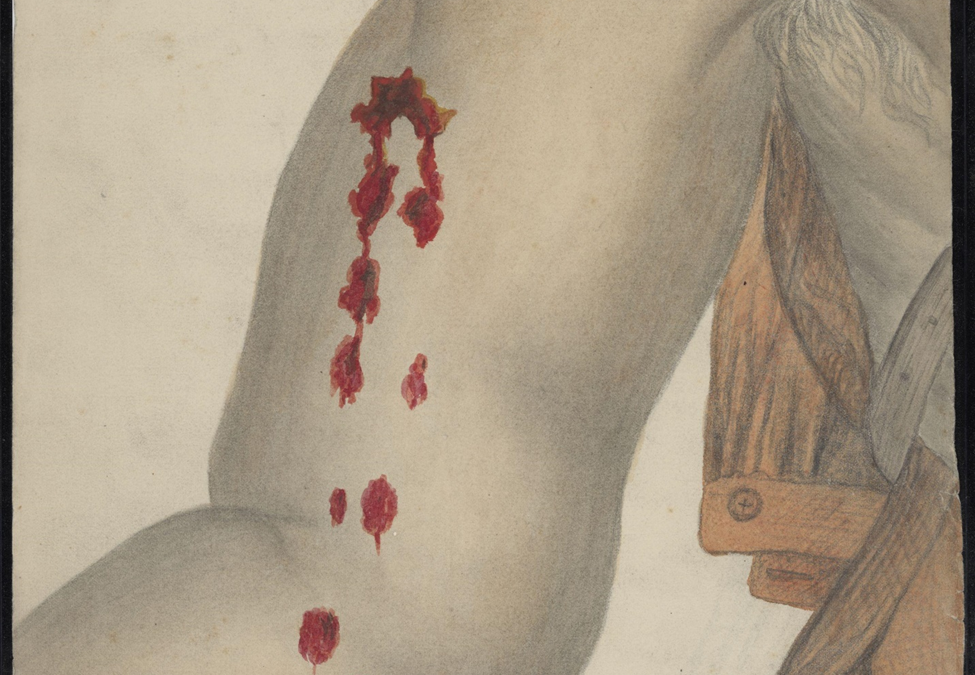
The artwork of Daniel S. Young highlights the artistic and medical contributions of an American Civil War era medical illustrator in a military context. Daniel S. Young: American Civil War Medical Illustrations on JSTOR. His artistry paints a portrayal of how medical illustration informed medical professionals during the 19th century. Young’s Civil War medical illustrations were crucial in educating doctors on surgical procedures and about previously unseen wounds. While medical illustrations such as Dr. Daniel Young’s served to educate doctors they were also important in aiding veterans in their pension claims and showing how the war impacted the soldiers’ health.
Cuts along the upper arm and elbow. Stone’s River, Tennessee.Continue reading →
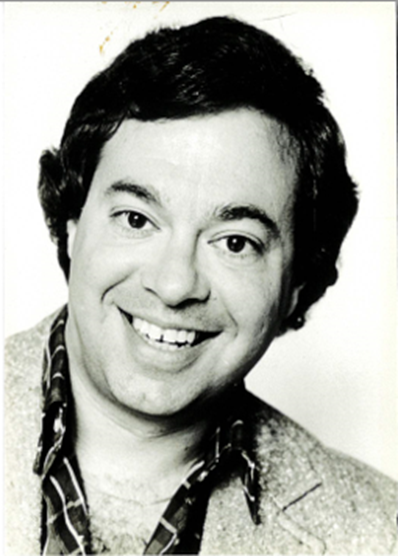
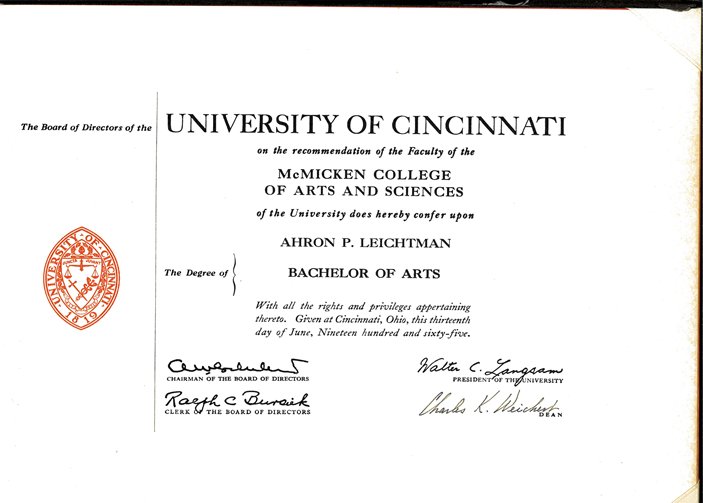
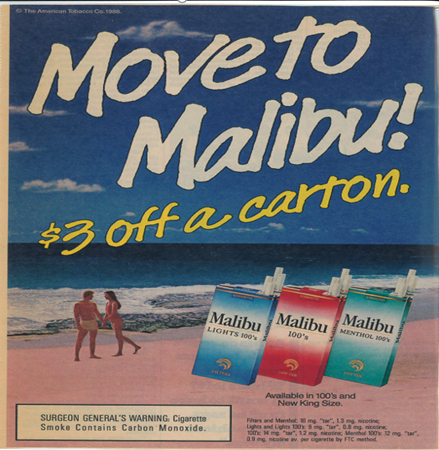
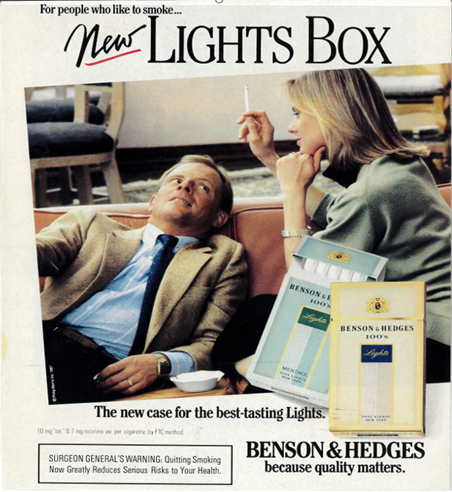
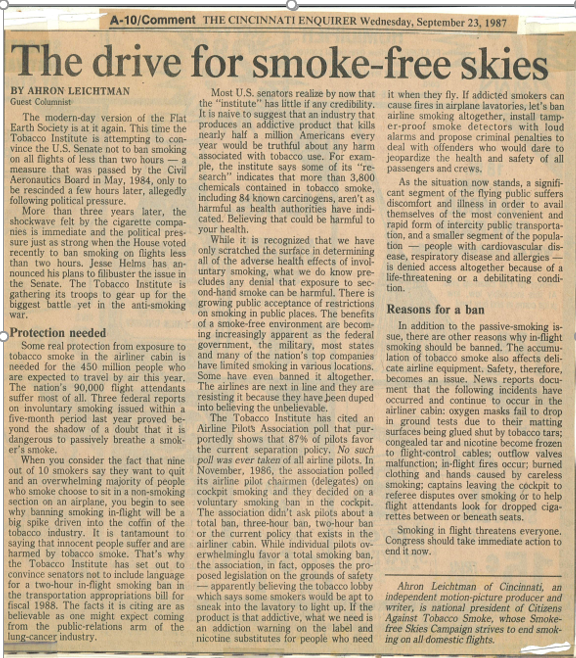
Ahron Leichtman (February 21, 1943 – October 12, 2018) was a national and regional leader in the quest to ban public smoking in the United States. He graduated in 1964 from the University of Cincinnati, with a Bachelor of Arts in political science, and earned a creative writing certificate from the University of California, Los Angeles in 1971.
During the 1980s and 1990s he founded multiple organizations to carry out anti-smoking initiatives. He established and led Citizens Against Tobacco Smoke (CATS), which was later renamed Citizens for a Tobacco-Free Society (CATS). Leichtman organized a coalition of over 90 nonsmoker’s rights, anti-smoking and environmental health groups to provide tireless grassroots support for the national campaign to ban airline smoking.
He created the Smoke-free Skies Campaign that led to the ban of smoking on all U.S. airline flights. Leichtman developed promotional materials to encourage the news media to cover the health, safety, legal and economic issues involved with airline smoking. He participated in numerous television network, nationally syndicated and radio interview programs about airline smoking, serving as the primary advocate for a total smoking ban on commercial airline flights.
In celebration of Black History Month, we are highlighting African American figures who were influential in their efforts to further civil rights, education and leadership in the city of Cincinnati and America.
Our first spotlight is Theodore Berry. A native of the area, Berry was born in Maysville, Kentucky in 1905. As a young adult, he attended the University of Cincinnati where he received his BA and Law degree, and later in life, his Doctor of Laws.
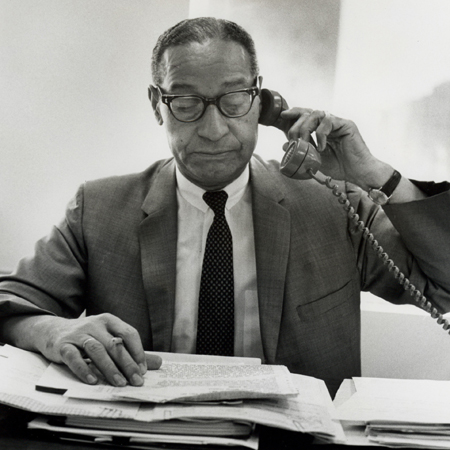
After his time at UC, Berry served as president for the Cincinnati Chapter of the NAACP, served as morale officer in the Office of War Information, acted as lead defense attorney for the Tuskegee Airmen and served four terms on Cincinnati’s City Council. After an unsuccessful campaign for a fifth City Council term, Berry became a representative for future president John F. Kennedy. Once Kennedy was in office, Berry continued to pioneer civil rights by bringing the NAACP into the White House and serving on its National Board of Directors.
In 1963 Berry was elected for a fifth term on City Council and ended his time there when President Lyndon B. Johnson appointed him director of Federal Community Action Programs and assistant director of the Office of Economic Opportunity. Nine years later, Berry was sworn in as the first African American Mayor of Cincinnati. Berry retired from political life in 1975 and passed away 25 years later in 2000.
Through his life and work, it’s easy to see that Theodore Berry was a figure who was revered, trusted and that he made a big impact on Cincinnati and beyond. We are proud to honor him this month and always.
His papers, including correspondence, photographs, news clippings, reports, studies and minutes of meetings are located in the Archives and Rare Books Library. To learn more about Theodore Berry, visit the digital exhibit:
Al Gerhardstein, noted Cincinnati civil rights attorney, has donated to the University of Cincinnati Libraries’ Archives and Rare Books Library, papers documenting his nearly 50-year career in civil rights litigation and advocacy, with focuses in reproductive rights, prisoner’s rights, policing, employment discrimination, and lesbian, gay, bisexual and transgender (LGBT) rights.
Material to be found in the extensive collection includes briefs, pleadings, depositions, trial transcriptions, newspaper, magazine and journal articles, as well as correspondence and speeches spanning Gerhardstein’s career and notable legal cases. There are 184 boxes available for research, with 45 more boxes sealed under court order.
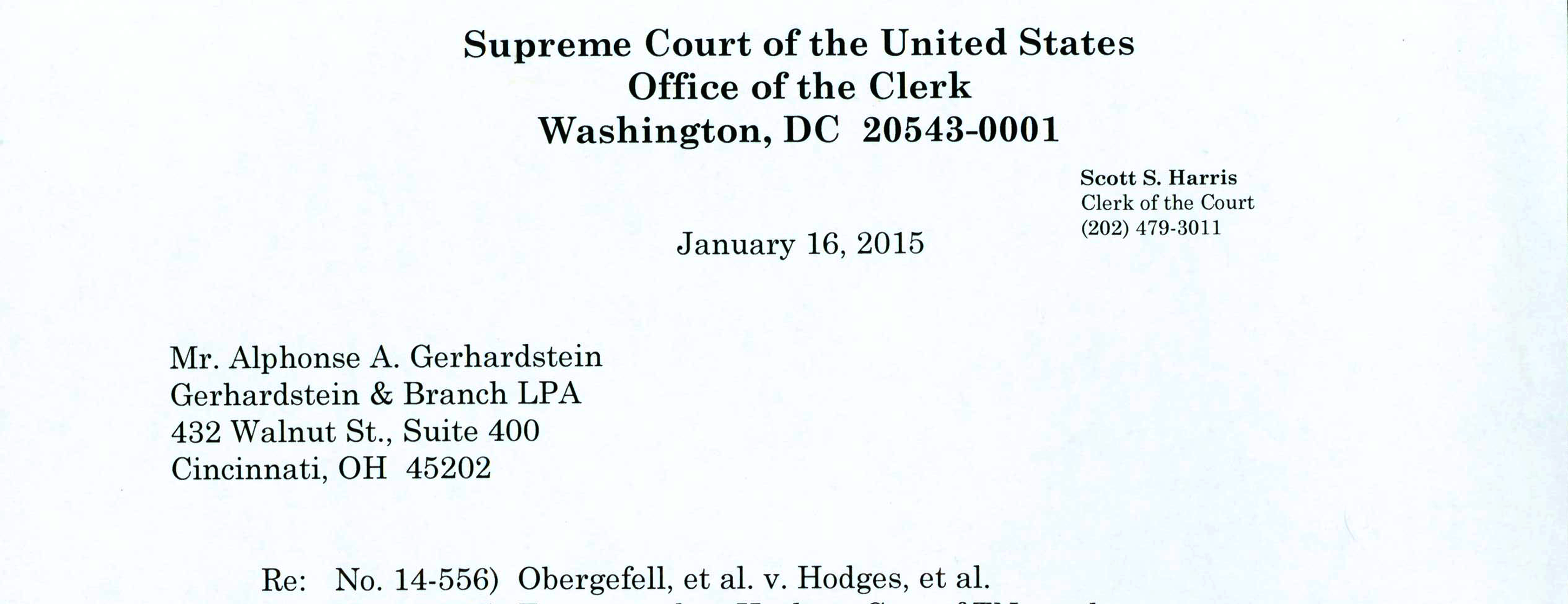
Excerpt from letter notifying Mr. Gerhardstein that his case was entered into the Supreme Court.
Prominent cases in the collection include:
Obergefell v. Hodges, the 2015 U.S. Supreme Court case establishing marriage equality for same-sex couples in all 50 states. Gerhardstein represented Jim Obergefell in this fight to be recognized as the husband of John Arthur.
Planned Parenthood Association of Cincinnati v. Project Jericho, et al., which was a lawsuit against anti-abortion groups for their continued harassment of women seeking abortion and their providers, after a member of one of the groups firebombed the Margaret Sanger Center abortion clinic in 1985.
Prisoner rights lawsuit in response to the 1993 Lucasville Prison riots, where Gerhardstein represented inmates against prison officials for failure to protect them during the riot and the forces that caused the riot.
Litigation to declare unconstitutional Article XII, which was voted into the Cincinnati City Charter in 1993 and actively prohibited Cincinnati from protecting LGBT people from discrimination.
Creation of the Collaborative Agreement as a partnership between the ACLU, Black United Front, the city of Cincinnati and the Cincinnati Fraternal Order of Police, which re-oriented the philosophy of policing in Cincinnati towards a Community Problem Oriented Policing (CPOP) model. It was the result of a civil rights action filed on behalf of a class of African American citizens of Cincinnati based on discriminatory policing including racial profiling, excessive force and disproportionate arrests of African Americans. The success of the Collaborative Agreement made Cincinnati a national role model for police reform.
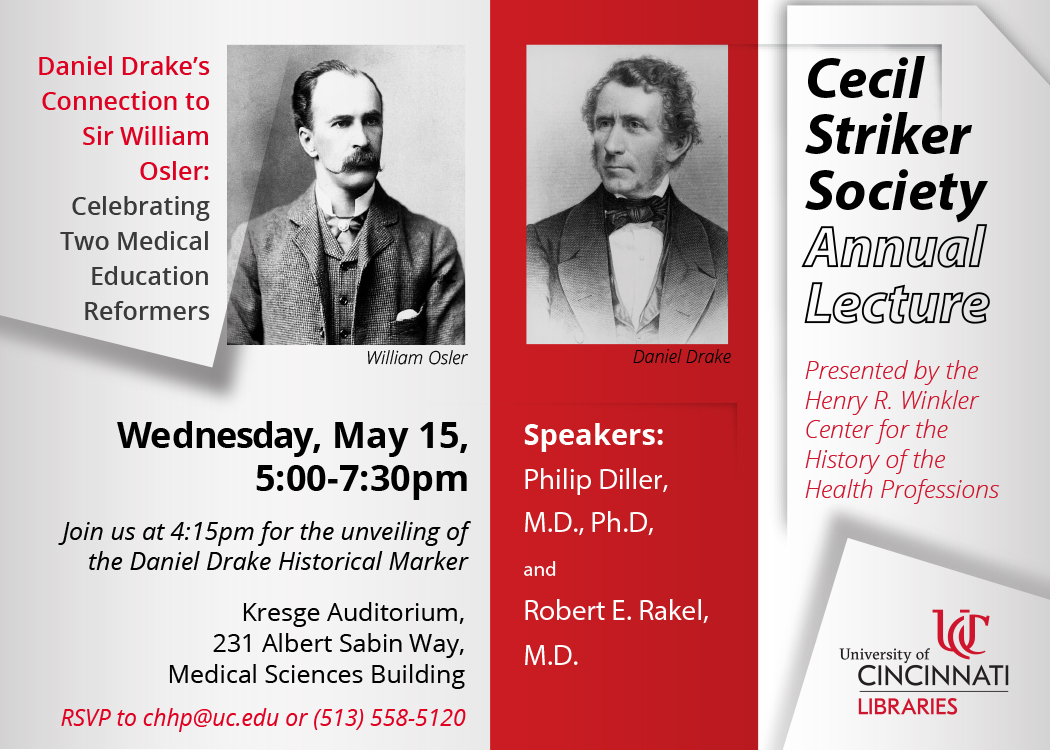
The Henry R. Winkler Center for the History of the Health Professions and the Cecil Striker Society for the History of Medicine will host the 10th Cecil Striker Society Annual Lecture from 5:00-7:30 p.m. on Wednesday, May 15, in the Kresge Auditorium, Medical Sciences Building, 231 Albert Sabin Way.
This year’s lecture, titled Daniel Drake’s Connection to Sir William Osler: Celebrating Two Medical Education Reformers, will focus on the immense impact both physicians had on medical education. Philip M. Diller, M.D., Ph.D., and Robert E. Rakel, M.D., will serve as co-lecturers for the event. Continue reading →