Gustav Mahler’s Symphony No. 4 and Theodore Spiering in the CCM Library Special Collections

A single part of a symphony can open the door to a world of story-telling. As the CCM Philharmonia presents the music of Mahler’s Symphony No. 4 on October 16, 2026, the CCM Library shares the story of the violin I part held in the Theodore Spiering Collection.

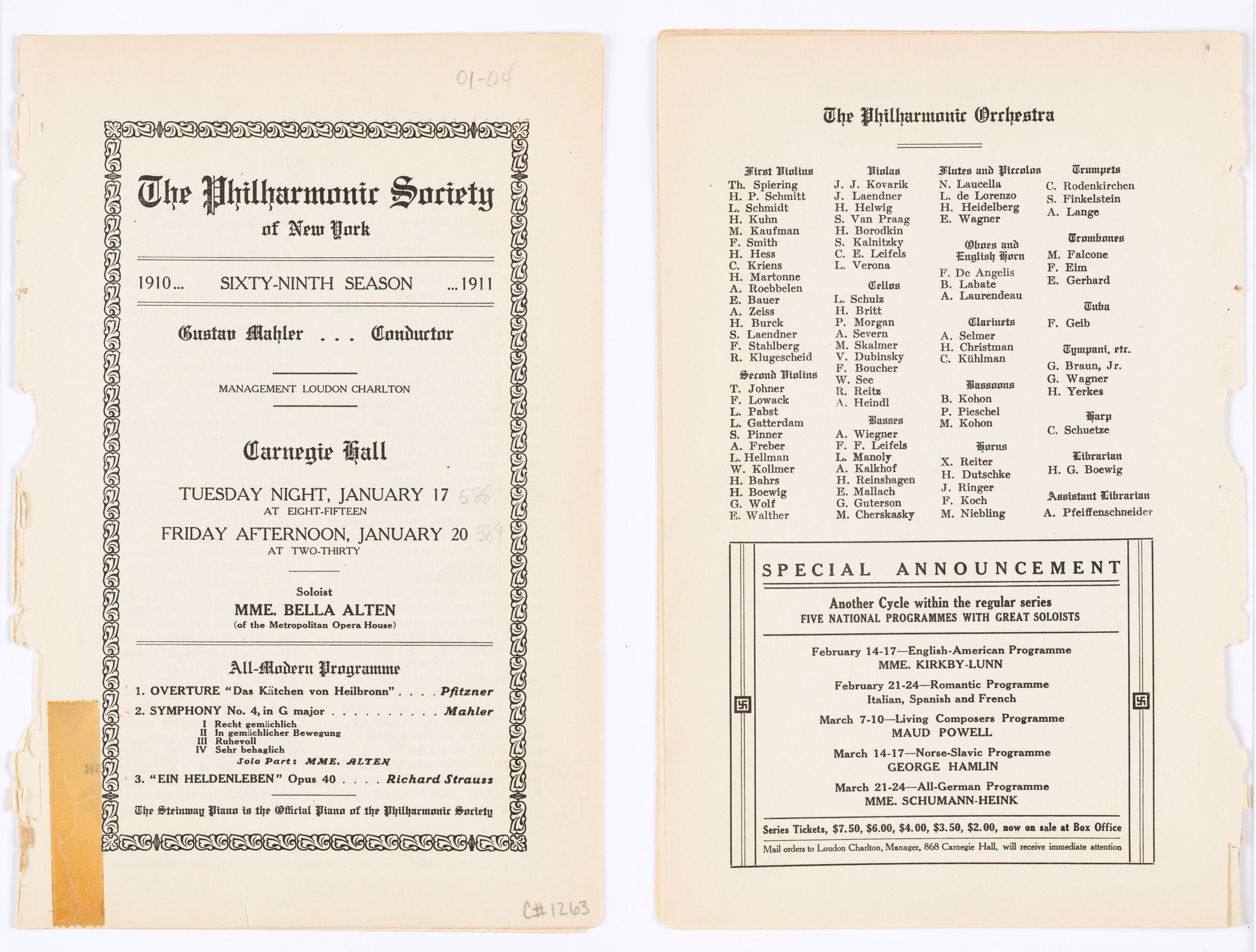
The Albino Gorno Memorial / CCM Library Special Collections holds a collection of annotated sheet music that belonged to Theodore Spiering (1871-1925), an American violinist, conductor, and teacher. Spiering studied violin with Henry Schradieck at the College of Music of Cincinnati in the 1880s before moving to Berlin to study with Joseph Joachim. Spiering later performed as concertmaster for the New York Philharmonic under Gustav Mahler from 1909 to 1911 and conducted the final seventeen concerts of 1911 during Mahler’s illness. On January 17 and 20, 1911, the New York Philharmonic performed Mahler’s Symphony No. 4 with Spiering as concertmaster and conducted by Mahler. A highlight of the Theodore Spiering Collection is the violin I part of the symphony, bearing edits and paste-overs of performance markings and notation. While the violin part in the Spiering Collection was evidently not used in the 1911 performances, the background of the marked-up sheet music illuminates a rich snapshot of the symphony’s editorial and performance history.
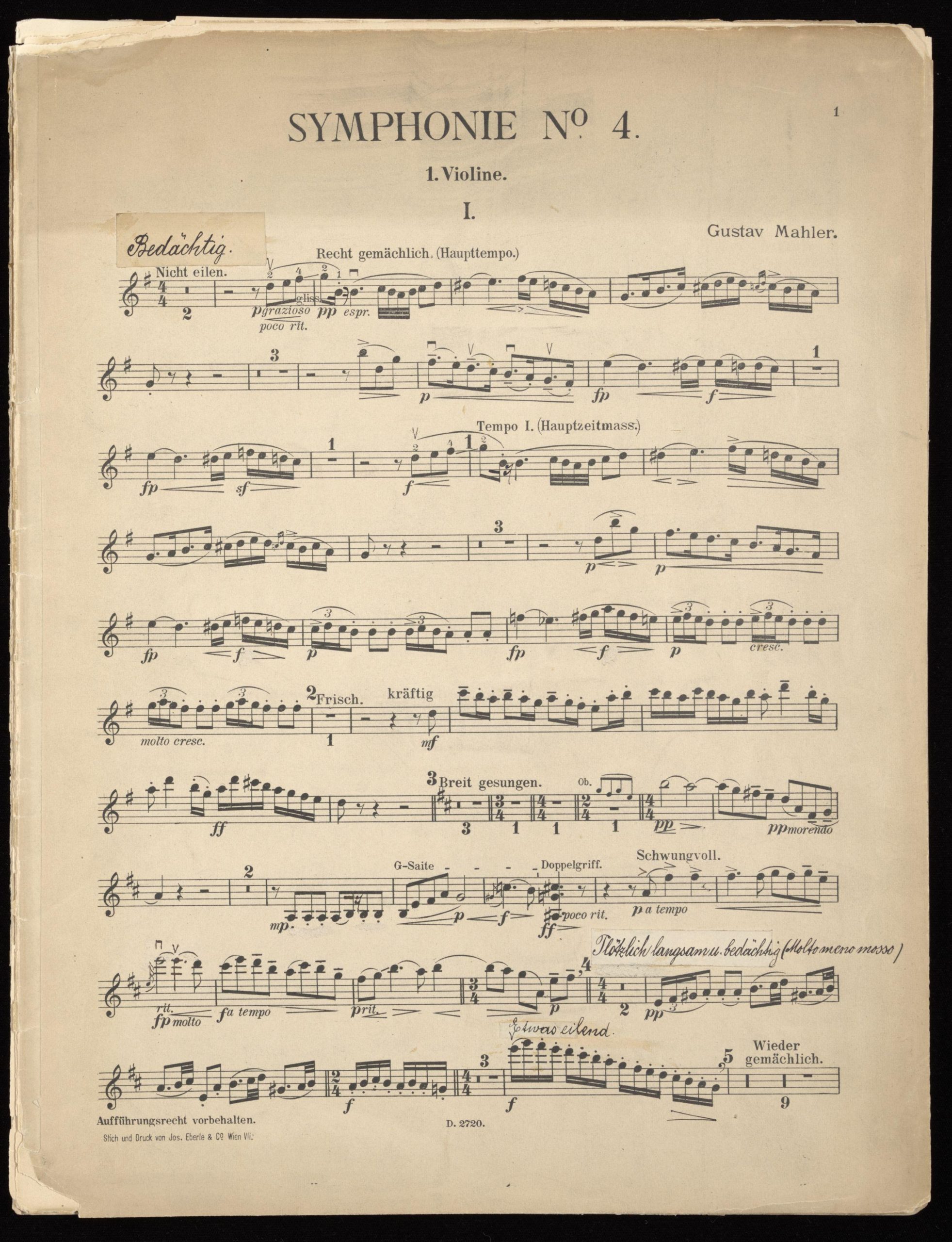
violin sheet music for Mahler Symphony Number 4
Page 1 of the Spiering violin I part of Mahler’s Symphony No. 4, digitized on JSTOR. Theodore Spiering Collection, Albino Gorno Memorial College-Conservatory of Music Library Special Collections, University of Cincinnati. https://www.jstor.org/stable/community.42074264

Gustav Mahler (1860-1911) began composing his fourth symphony in 1899 and completed it during the winter of 1900/1901, though he continued to refine the orchestration of the piece over the next several years. Mahler sent his score of the symphony to the publisher and requested a proof to use during a reading rehearsal with the Vienna Philharmonic in October, as he wanted to hear what it sounded like before it was published. It is not clear if the publishing house also provided proofs of the parts—it is possible the musicians performed from manuscript parts when the symphony was premiered in Munich by the Kaim Orchestra on November 25, 1901. The first edition was engraved and printed by Josef Eberle and published by Ludwig Doblinger in Vienna in December 1901.

Mahler made further edits over the next few years, adding corrections to conducting scores for performances given by Willem Mengelberg in Amsterdam in 1904 and by Richard Wickenhauser in Graz in 1905. In 1910, Mahler transferred publication rights to Universal Edition and sent to the publisher a galley proof with numerous revisions. After Mahler conducted the piece with the New York Philharmonic in January 1911, he sent his final corrections to Universal Edition.

Mahler’s Symphony No. 4 premiered in New York on November 6, 1904, performed by the New York Symphony conducted by Walter Damrosch. Beginning in 1907, Mahler traveled between the U.S. and Europe, spending time in New York each season conducting with the Metropolitan Opera, New York Symphony Orchestra, and New York Philharmonic. Mahler conducted his Symphony No. 4 with the New York Philharmonic in January of 1911, a significant occasion of the composer interpreting his own work with the ensemble.
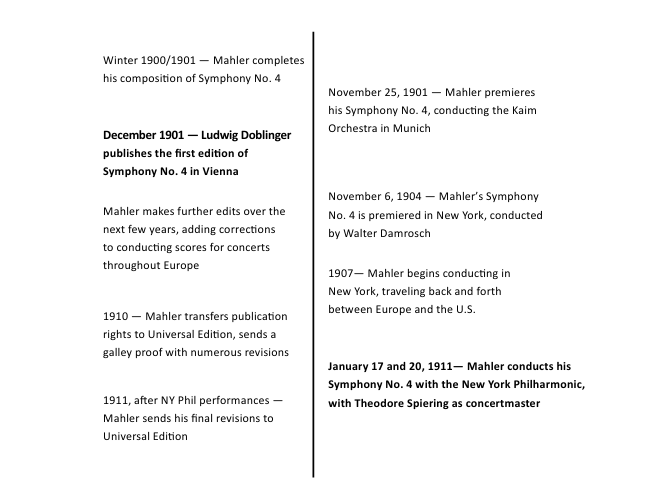
Text arranged in a timeline indicating chronology of Mahler's performance and publishing activities
Timeline of Mahler’s publishing and performance activities surrounding Symphony No. 4, 1900-1911
Concert program cover page and list of ensemble members
Program of the January 1911 New York Philharmonic performances of Mahler’s Symphony No. 4, conducted by Mahler, with Theodore Spiering as concertmaster. Program ID: 1263. New York Philharmonic Shelby White and Leon Levy Digital Archives. https://archives.nyphil.org/asset-management/2TTUGPT6VOQA?WS=2TTURYF6K50F

For the January 1911 performances, the New York Philharmonic used the 1901 Doblinger first edition orchestral parts, which had been marked up with Mahler’s revisions by Viennese copyist Johann Forstik. Theodore Spiering performed as concertmaster during these January 1911 performances—the violin I part held in the CCM Library Special Collections is also the Doblinger first edition and was also marked up by Forstik, though it evidently does not belong to the New York Philharmonic set of parts. The violin part of the New York Philharmonic set bears annotations not present in the CCM Library Spiering part, including bowings, dynamics, notation edits, and rehearsal letters in blue, red, and graphite pencil. Shortly after the January 1911 New York performances, Mahler fell ill. Spiering took over as conductor of the New York Philharmonic while Mahler traveled back to Vienna, where he died on May 18, 1911.

The Mahler Symphony No. 4 violin I part from the Theodore Spiering Collection has been digitized by the UC Libraries Digital Initiatives Team. It is accessible on JSTOR, along with many other pieces from the Theodore Spiering Collection. Materials in the Theodore Spiering Collection were donated by Lenore Spiering, Theodore Spiering’s daughter.

Check out the digitized Theodore Spiering Collection on JSTOR, and access the Mahler Symphony No. 4 violin I part!
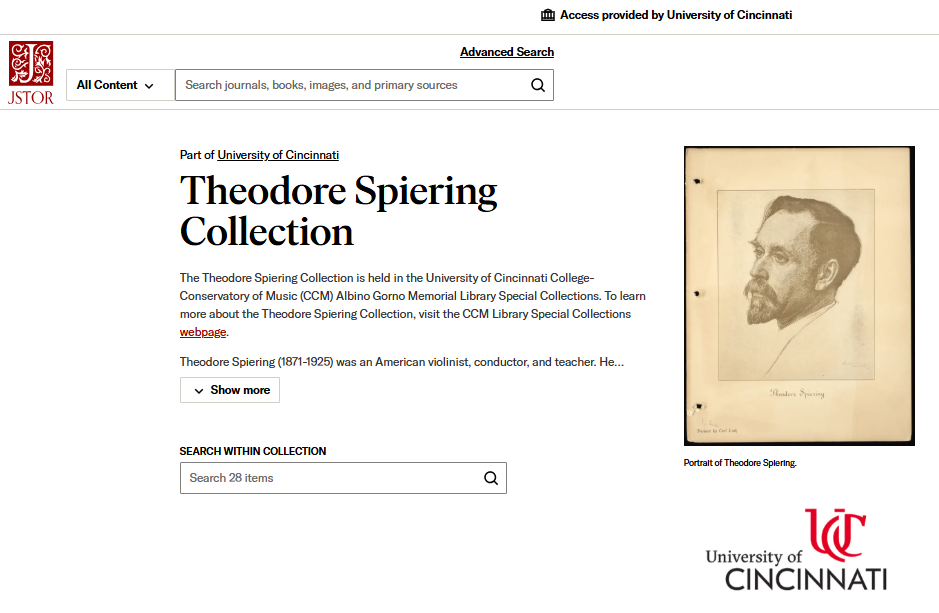
Screenshot of JSTOR landing page for the Theodore Spiering Collection
Landing page of the Theodore Spiering Collection on JSTOR, digitized by the University of Cincinnati Libraries Digital Initiatives Team. https://www.jstor.org/site/uc/spiering

As you explore the revisions and paste-overs, you can compare to a digitized score of Mahler’s Symphony No. 4 from the NY Philharmonic Archives, which shows more clearly what was in the score prior to the changes. Image 7 is the cover page of the Doblinger first edition with a note indicating red corrections after Mahler and green corrections after later Universal Edition revisions. You will see significant changes right from the beginning: the Spiering part has a paste-over of “Bedächtig” (deliberately) at m. 1, which is covering the original marking of “Heiter, Bedächtig” (cheerful, deliberately). Imagine the different interpretive ways the music would feel and sound as you explore the revisions!
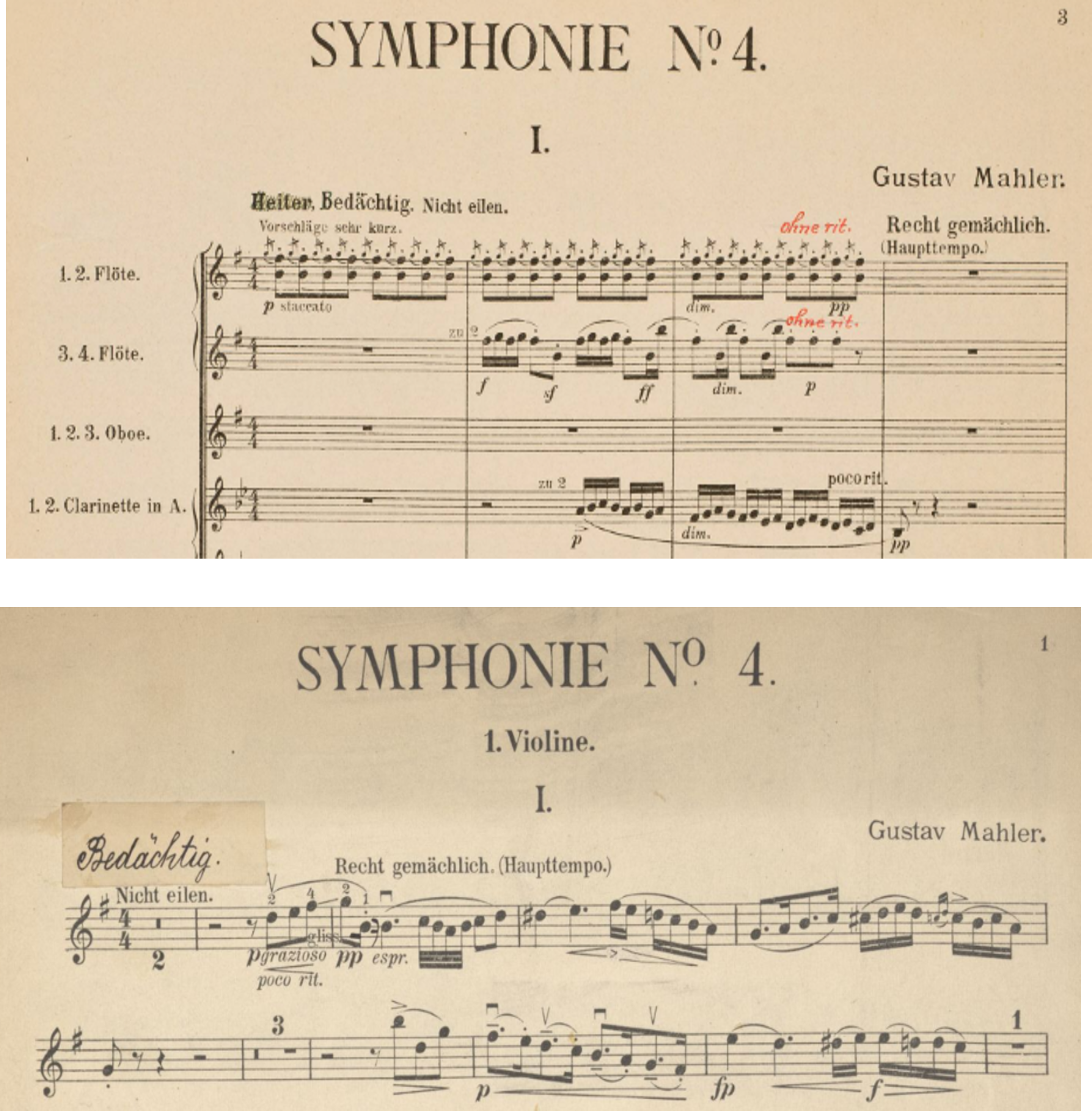
Excerpts of the score and violin part sheet music of Mahler Symphony Number 4
Top: Score of 1901 Doblinger edition with inked revisions. Mahler, Gustav – SYMPHONY NO. 4 IN G MAJOR – Score. Library ID: 2175. New York Philharmonic Shelby White and Leon Levy Digital Archives. https://archives.nyphil.org/asset-management/2TTUGPYF7IT6?WS=2TTURYFJ1D6S
Bottom: Spiering violin I part of Doblinger edition with pasted-over revision. Theodore Spiering Collection, Albino Gorno Memorial College-Conservatory of Music Library Special Collections, University of Cincinnati. https://www.jstor.org/stable/community.42074264

References:

  • Peter Franklin, “Mahler, Gustav,” Grove Music Online. 24 June 2024. https://doi-org.uc.idm.oclc.org/10.1093/gmo/9781561592630.article.40696.
  • Gustav Mahler, Symphonie Nr. 4 für Sopran-Solo und Orchester, ed. Christian Rudolf Riedel (Wiesbaden: Breitkopf & Härtel, 2019).
  • “Theodore Spiering,” promotional booklet, Theodore Spiering Collection, Albino Gorno Memorial College-Conservatory of Music Library Special Collections, University of Cincinnati.
  • “Theodore Spiering, Composer, Is Dead,” New York Times, 14 August 1925, p. 13. ProQuest Historical Newspapers: The New York Times.
  • James L. Zychowicz, Mahler’s Fourth Symphony (New York: Oxford University Press, 2000).

Written by Rebecca Schreiber
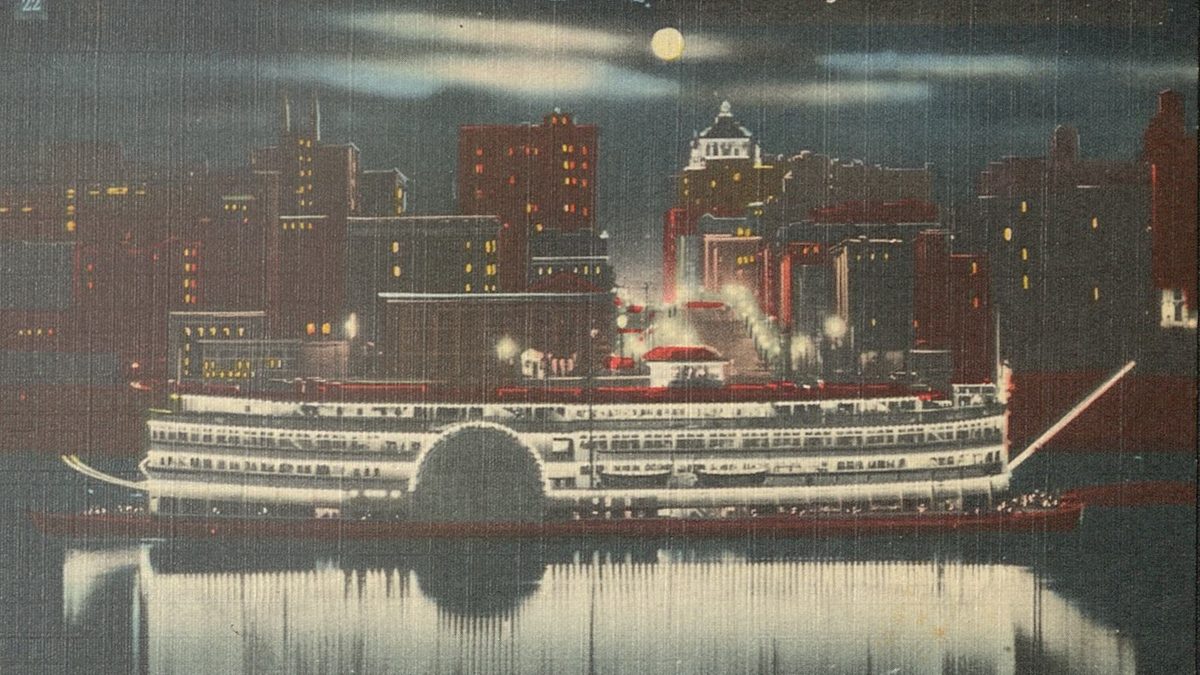
 “America 250: Cincinnati in Transit(ion)” exhibition now open at the ARB

Postcard in color of "Island Queen" steamboat in the moonlight and being reflected off the river with the city skyline in the background.
“Island Queen at Moonlight” postcard, undated. From the Nelson and Florence Hoffman Cincinnati Postcard Collection US-12-03, Archives and Rare Books Library.

“America 250: Cincinnati in Transit(ion)” is an exploration of Cincinnati’s growth and transit transformation from its founding in 1788 to the present day. Over the last two hundred and thirty-eight years, Cincinnati has journeyed from steamboats to railroads, to interstate highways, and to international airports. The exhibition can be viewed inside and outside the Archive and Rare Book’s Library Reading Room in Blegen Library.

Continue reading →

Newly Processed Collections related to Cincinnati History that You May Have Missed

With the help of additional staff members and interns at the Archives and Rare Books Library, we have been working hard processing collections and publishing better descriptions of our holdings.  Here are some recently processed (or recently improved) finding aids related to the history of the City of Cincinnati that are now available to our researchers.  Most of the descriptions below were taken from the finding aids written by Brittney Lynn Smith and Julianna Witt.

Cincinnati Board of City Hall Trustees records (ON-75-18) – The Cincinnati Board of City Hall Trustees records document the planning and construction of Cincinnati’s City Hall which was completed in 1893.  Samuel Hannaford and Sons were the architects for the project and the Board of City Hall Trustees were formed to manage the budget.  The collection contains clerk’s records relating to the project, meeting minutes, reports, architectural and contractual bids and financial records.  ARB intern, Brittney Lynn Smith, processed this collection.

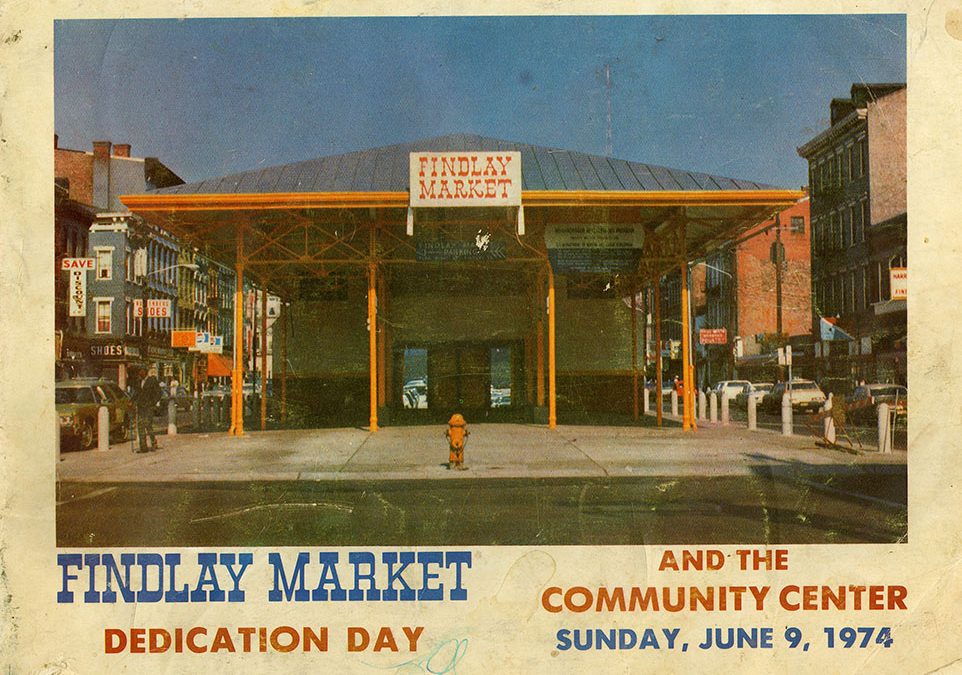
A color image from the front of the Findlay Market Dedication Day booklet in 1974 showing entry doors to Findlay Market and cars on the streets surrounding the market.
The Findlay Market Dedication Day booklet from the Friends of Findlay Market Committee records.
Continue reading →

The Ruebel family papers at ARB 

Orange roadblock signs and detour routes can hinder anyone’s daily commute. A single road can be repaired repeatedly over decades to make the perfect paved road. However, where does that begin? The Ruebel family of Cincinnati contributed significantly to Cincinnati’s roads with their family-run construction business from 1892-1986. The Archives and Rare Books Library has a newly published finding aid outlining the 88 years and three generations of Cincinnati road construction of the John Ruebel & Brother Company.

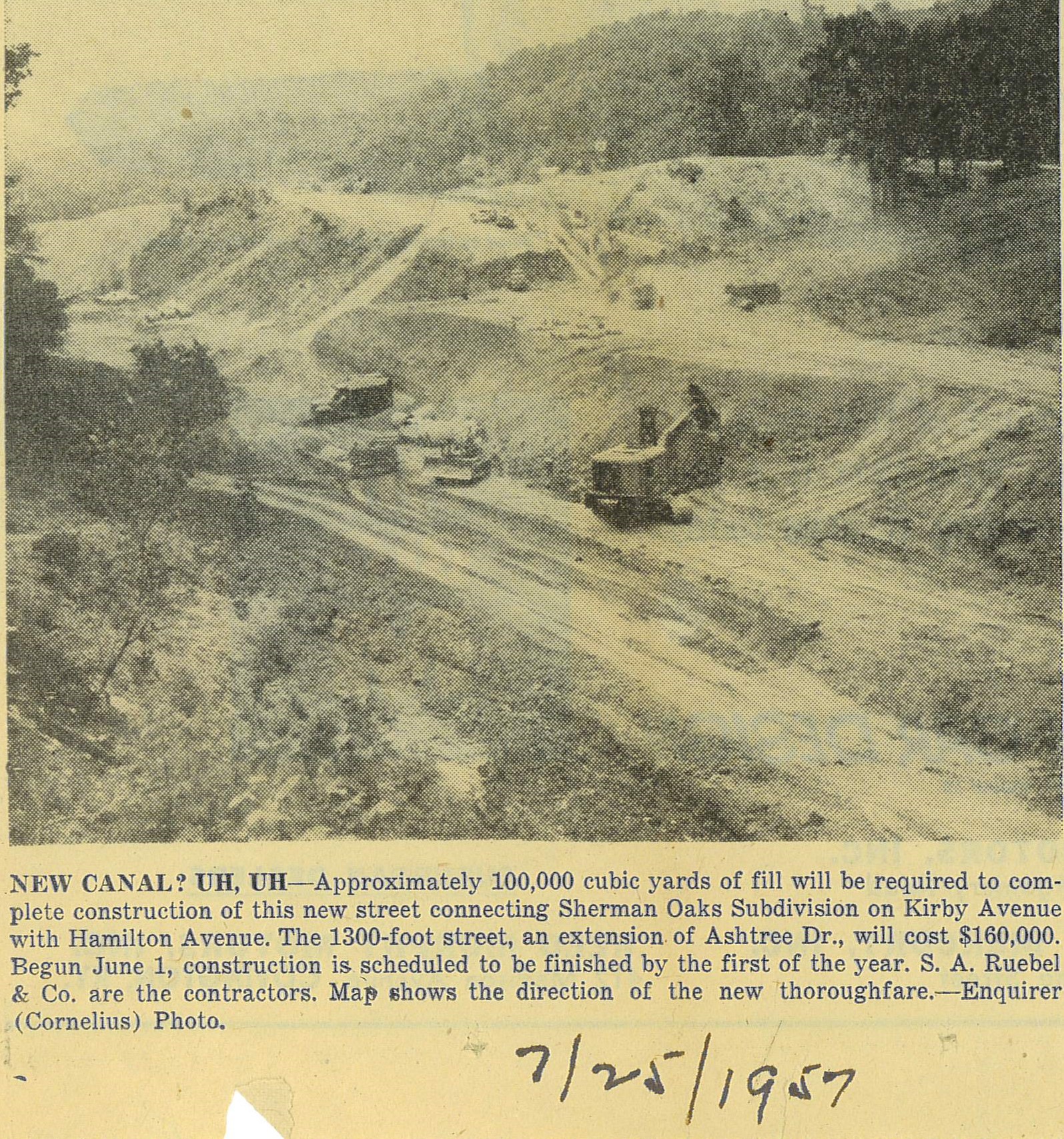
Newspaper clipping of the S.A. Ruebel & Co. at work clearing the way to build a road connecting Sherman Oaks to Kirby Avenue with Hamilton Avenue.
Cincinnati Enquirer, July 25, 1957 from the Ruebel family papers, GA-26-01, Archives and Rare Books Library
Continue reading →

Researching untold histories with Jacob Hogue 

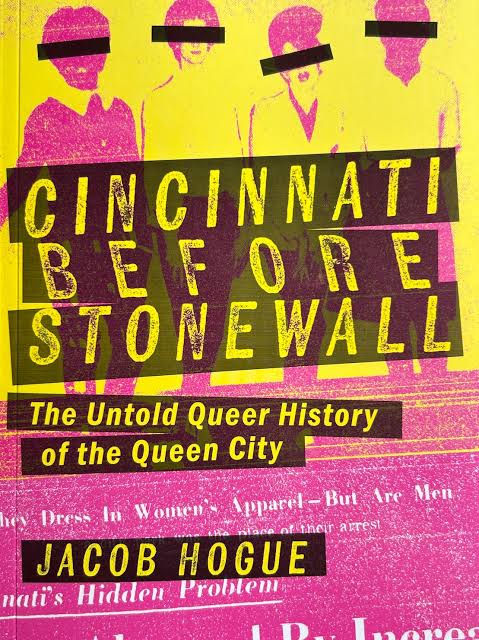
Figures in pink with black bars across their faces in front of a yellow background. Text in yellow against a black background that says Cincinnati Before Stonewall: The Untold Queer History of the Queen City by Jacob Hogue.
Book cover of Cincinnati Before Stonewall: The Untold Queer History of the Queen City.

Jacob Hogue, author of Cincinnati Before Stonewall: The Untold Queer History of the Queen City, shares his experience with libraries and archives and his research process as a public historian with Nimisha Bhat, research & instruction librarian.

Congratulations on the publication of your new book! How has your research practice in and around libraries and archives evolved since you were a student? Were there particular classes or opportunities during your time at NKU that prepared you for undertaking the research for this book? 

Since writing my debut book, I have actually taken a position as a Programmer in the Local History and Genealogy Department at the Kenton County Public Library. That experience has significantly expanded both the resources available to me and my understanding of how to use them. I now have access to historical maps, city directories, county histories, and other reference materials that have helped me uncover stories that might otherwise have remained hidden. Through the library’s resources, including Ancestry, I have also improved my ability to locate vital records and trace individuals through historical documents. 

My degree is in Public History, and of all the courses I took at NKU, I would say my archives class prepared me the most for researching and writing this book. It taught me how to navigate archival collections, evaluate primary sources, and piece together fragmented stories from incomplete records. Those skills proved invaluable when researching LGBTQ+ history, where sources are often scattered, hidden, or difficult to identify. More broadly, NKU taught me how historians think—how to ask questions, follow evidence, and remain comfortable with ambiguity when the historical record is incomplete. 

Continue reading →

Give peace a chance: the Center for Peace Education records at ARB 

Informational pamphlet for the Center for Peace Education non profit
Informational brochure, undated. From the Center for Peace Education records at the Archives and Rare Books Library

For 30 years Cincinnati and suburban school children were given the opportunity to learn about peer mediation, conflict management, cooperative discipline, bias awareness, and diversity through the efforts of the non-profit organization Center for Peace Education.  

The Archives and Rare Books Library is excited to announce that the Center for Peace Education (CPE) finding aid is now available to view online at the Center for Peace Education records.  

Continue reading →

Papers of Frederick Yeiser, Music Critic, World Traveler, and Intelligence Officer, now available in ARB

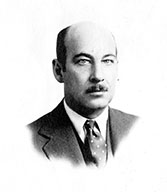
A black and white headshot of a middle aged man.
Frederick Yeiser

Frederick Yeiser’s life reads a little like a movie.  He came from a well-to-do Cincinnati family and attended Princeton University.  He was a music, art, and book critic for the Cincinnati Enquirer, and he traveled extensively through Europe and the Middle East.  During World War II, he served as a member of the Office of Strategic Services, the United States’ first intelligence agency and he just happened to marry a German heiress.  The staff at the Archives and Rare Books Library (ARB) recently completed re-processing a small collection of Frederick Yeiser’s personal and professional papers.  Although ARB has held this collection since the 1990s, the collection had not been fully processed and the photographs and correspondence were not properly housed or organized.  ARB was lucky enough to have the assistance of our intern Brittney Smith to better organize and describe the collection.

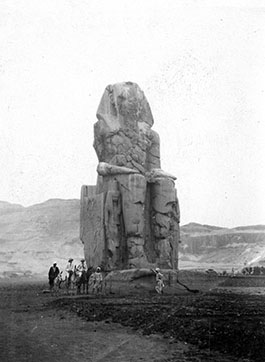
A black and white photo of a group of travelers on horses next to the Colossus of Memmom in Egypt
A photo from one of Frederick Yeiser’s trips to Egypt.

Frederick Yeiser’s father Henry C. Yeiser, Sr. was President of the Globe-Wernicke Company, but there is very little on Frederick Yeiser’s early life in this collection.  Instead, the collection largely begins with information on Yeiser’s attendance at Princeton University in the late 1910’s.  Yeiser’s studies were interrupted by World War I and he served for six months in the U.S. Navy.    After his service, he returned to Princeton and received his bachelor’s degree in 1921.   He then worked for three years for his father’s company, the Globe-Wernicke Company, before accepting a teaching position with American University in Beirut, Syria. 

Continue reading →

The Collection: at the Classics Library

I don’t know about you, but every time I walk into our Classics Library, I feel a little like Indiana Jones. As I admire the priceless treasures housed there, I can’t shake the sneaking suspicion that at any moment, a huge boulder is going to appear and start chasing me, threatening to run me over. After all, being surrounded by the collected wisdom of the ancient world creates an atmosphere like none other, teeming with whispers of long-ago adventures and still-uncovered secrets.  

The University of Cincinnati’s (UC) John Miller Burnam Classics Library is undoubtedly one of a kind. From its inception to its current practices, the library holds a special place in the heart of our Classics Department, libraries, and wider scholarly community, serving distinguished international faculty, graduate and undergraduate students, and many visiting scholars. It is the definition of a destination library, serving over 75,000 patrons from around the world per year, who flock to Cincinnati to browse and study its unparalleled resources.

Classics alumna, Lindsay Taylor, agrees the Classics Library is a very special place. “It probably saved me thousands of dollars as a student to have all these materials at my disposal while doing high-level research. Classics was truly the most magical and scholarly place possible to get an undergraduate degree, and the older I get, the more I realize how valuable the education I received there is. The program is just steeped in evidence and primary source evaluation and scholarly communication surrounding this evaluation, the library is at the core of that effort.” 

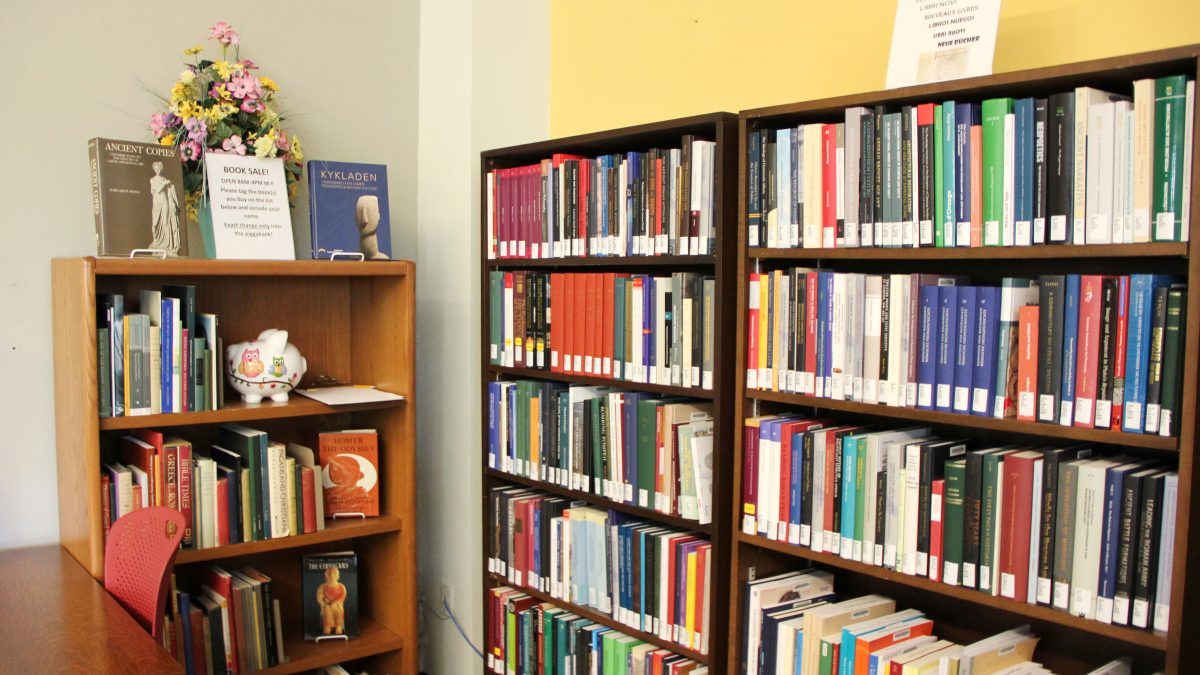
classics library display
Display in the Classics Library
Continue reading →

More than just bread tins: John Day Caldwell papers shed light on Ohio Valley history

The Archives and Rare Books library is excited to announce that the John Day Caldwell papers (UA-81-22) have been processed, and a finding aid has been completed. The collection contains a wealth of documents dating from 1782 to 1902 that provide a detailed look into the settlement and early history of Cincinnati, as well as Ohio state history. 

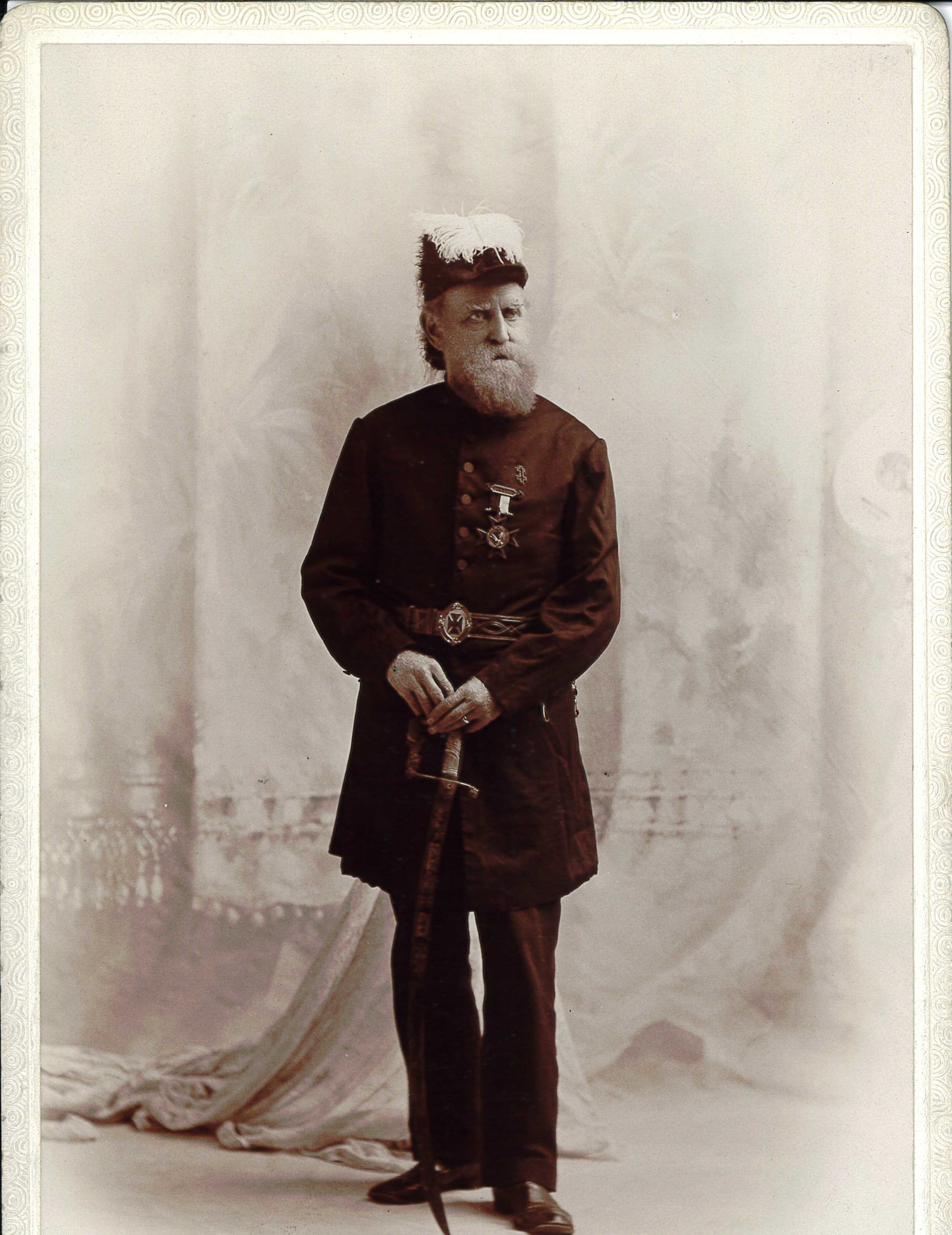
Photograph of John D. Caldwell standing in his masonic uniform and hat.
John D. Caldwell in his regalia, undated.

John Day Caldwell (1816-1902) worked in numerous roles in Cincinnati, including as a transportation agent, newspaper editor, librarian, city commissioner and Cincinnati Board of Education clerk. During the Civil War, Caldwell assisted in establishing the Cincinnati Home Guards, a civilian group of men who protected and patrolled the city. 

His papers, originally stored in metal bread tins by Caldwell, were received as part of the Ohio Mechanics Institute records back in the 1970s. A card catalog was created for the collection, and the papers were rehoused into archival boxes following their receipt. However, archivists at ARB have reprocessed the collection for better organization and have created a corresponding finding aid that can be accessed online. 

Continue reading →