By: Kevin Grace
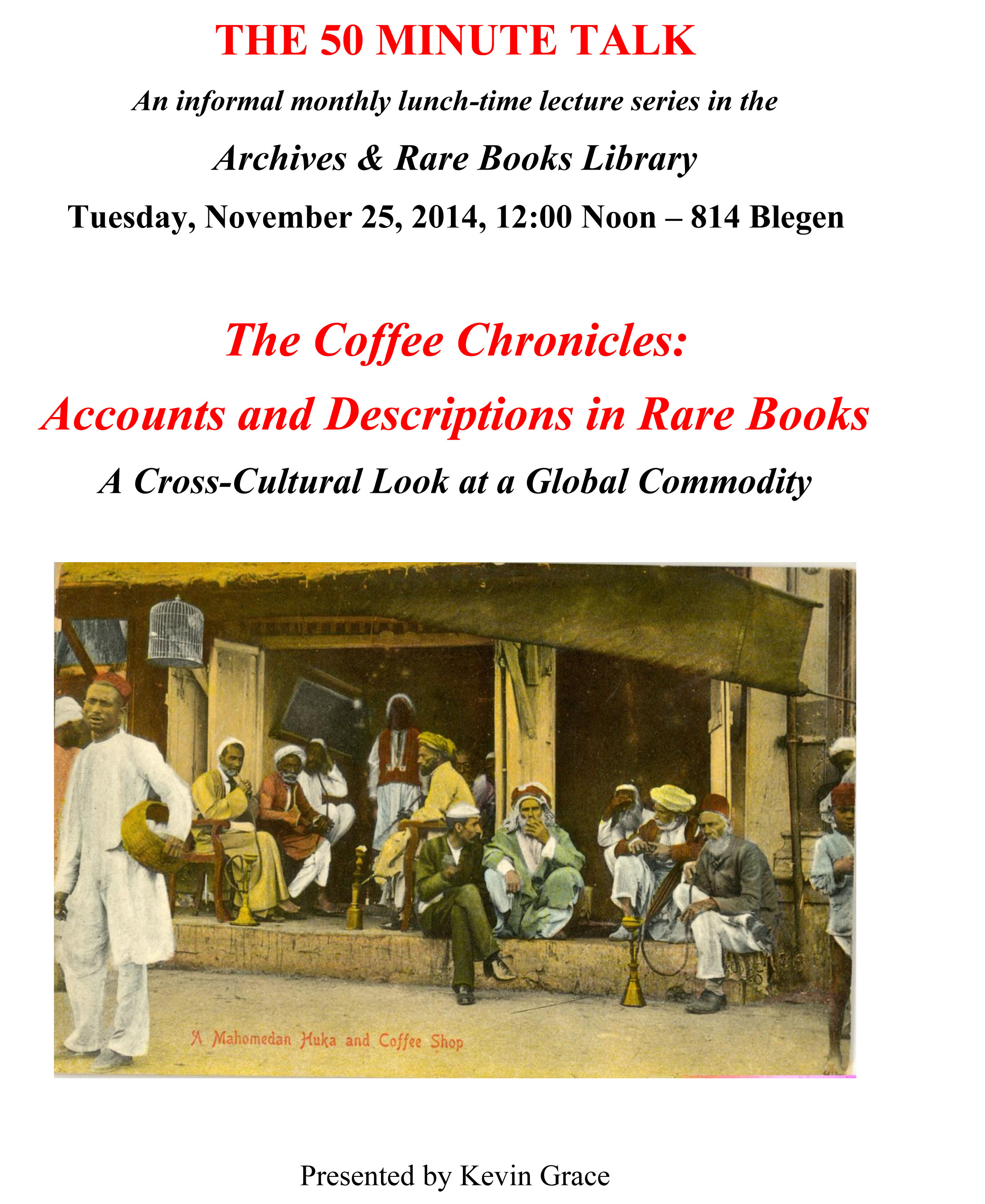
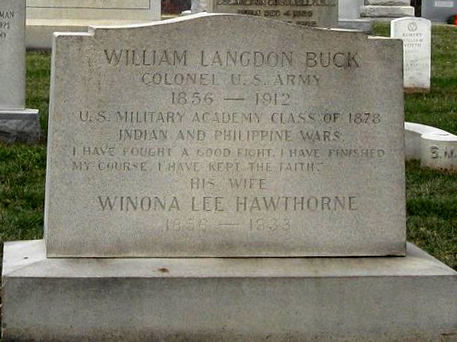 The Archives & Rare Books monthly talk returns on Wednesday, September 24, at 12:00 noon with a special presentation on UC’s first female graduate. Like nearly every other institution of its kind, documenting the “firsts” and the significant moments of our history lends context to our heritage, and, reveals some very interesting stories. And for this 50 Minutes talk, we welcome back Greg Hand to campus and to Blegen Library. Greg made some very interesting 50 Minutes talks in the past few years on Cincinnati’s Federal Writer’s project guide to the city; artist, poet, and mystic William Blake; and pioneering cartoonist Winsor McCay. Now he comes with another… Continue reading
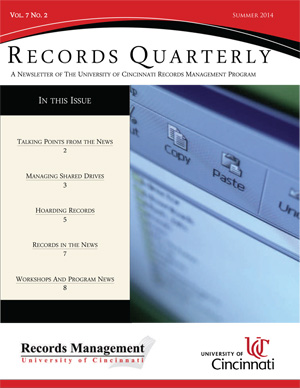 The current UC Records Management newsletter shares information on reducing that hoard of administrative records in your office, tips for how you can organize records through shared drives, information on upcoming workshops, and program news.
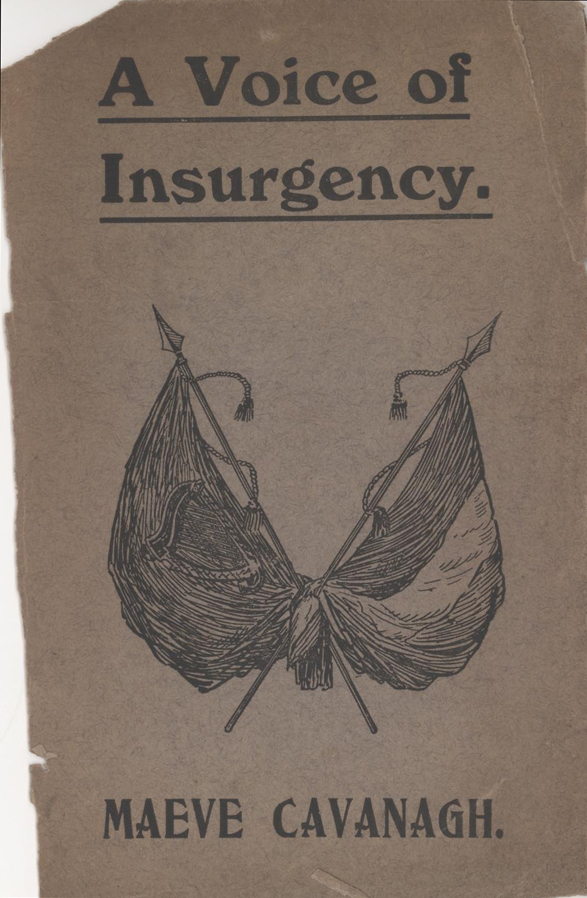
 For the 2014-15 academic year, the days on which we hold the presentations will vary but will always be at noon. Other slated talks are: Winona Hawthorne, class of 1878, the first female graduate of the University of Cincinnati; The British Enlightenment; Saint Paul and the Bible; Irish Poets and the Great War (this topic is a presentation marking the centennial of the war. ARB exhibits of “UC during World War I” and “The City of Cincinnati and the Great War” will be mounted as well); The McNamara Brothers: Cincinnati Labor Radicals and the 1910 Bombing of the Los Angeles Times; Global Efforts in Developing Reading and Libraries; And more! Please join us in August and the following months throughout fall and spring semesters.