
Medical illustration and the American Civil War

In past cultures the comprehension of human anatomy through dissection was hindered by taboo societal norms. Such analysis of the body was illicit due to the conception that our physical-selves sheltered the soul which made dissection sacrilegious, therefore forbidden. This world-view endured in European-based societies through the 1800s.
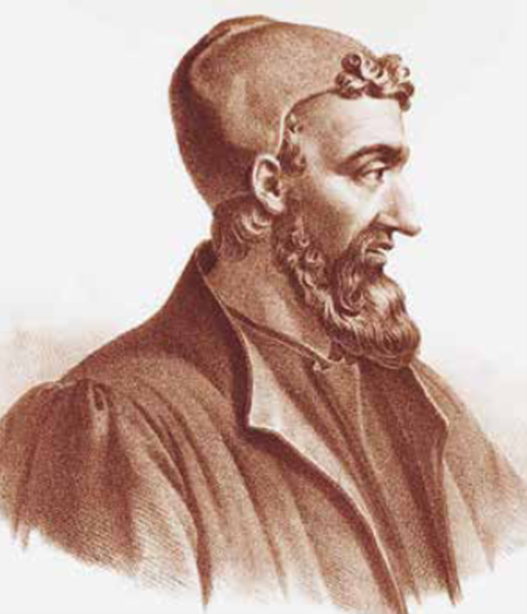
Galen of Pergamon 129 c. – 216 CE, scholar of human anatomy and medical illustrator of animals.

Roman law is credited with this outlawed dissection dynamic. Galen of Pergamon (129 c. – 216 CE) molded the field of medical illustration for over a millennium. It was against Roman law to dissect human bodies, which led Galen to consign his study and anatomical illustrations to the animal kingdom. Among the animals he studied, Galen dissected apes, pigs, dogs, and oxen. With the lack of human subjects, Galen propagated inaccurate illustrations about our bodies.
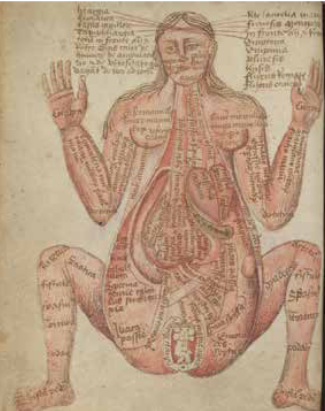
Pseudo-Galenus, Anatomia, England, midddle15th century, Wellcome Library, London.
Continue reading →

NURSE PETLEY–Graduate of the Jewish Hospital School of Nursing, Cincinnati, Ohio

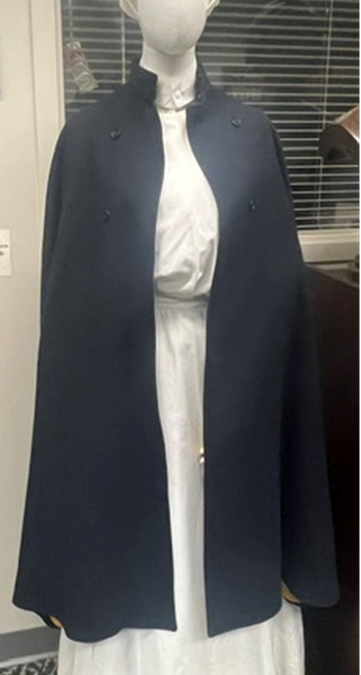
Nurse Petley, Fluted Cap, Cape, Apron, and Uniform, Jewish Hospital School of Nursing, Cincinnati, Ohio, Circa 1920, (Chiffon, Linen, Wool, Cotton.

Inspired by the cholera epidemic of 1849, the Jews of Cincinnati, Ohio established the Jewish Hospital at the corners of Bauer and Central Avenue. Their hospital was one among three Jewish hospitals launched in the 19th century in the United States, which included Mt. Sinai Hospital in New York, New York and Touro Infirmary in New Orleans, Louisiana.  These hospitals were established to assist the indigent poor, protect Jewish patients against discrimination and to insure the observance of Jewish traditions at the time of a patient’s death.

Continue reading →