The Subway and Street Improvement Photograph Grant Project- Images of Progress

By: Angela Vanderbilt

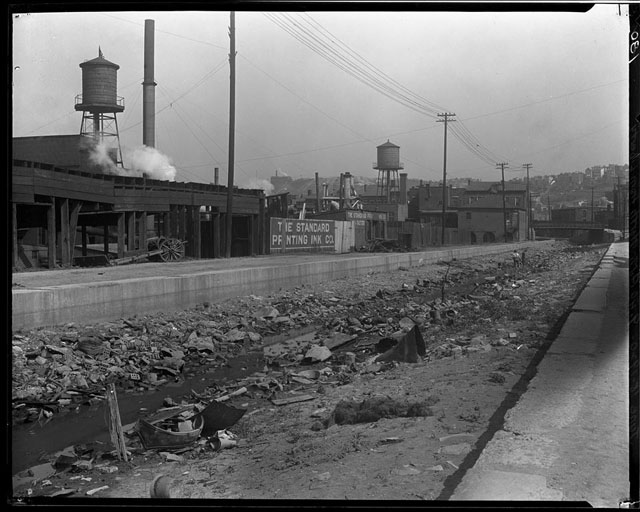
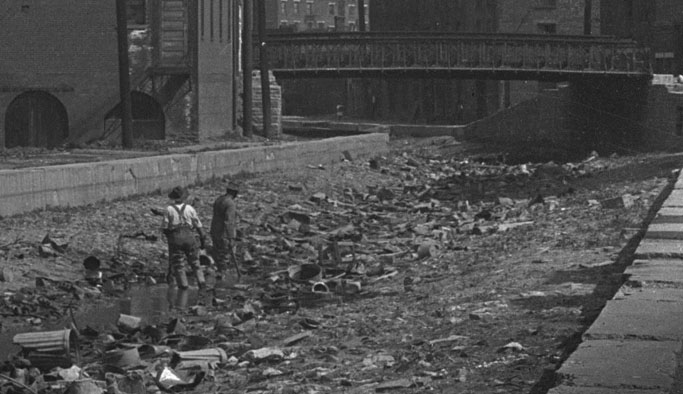
The first delivery of scans depicting the 1920s subway construction project has arrived. These scans were made from a set of highly sensitive nitrate-based negatives, which are being digitized first due to their state of deterioration. A variety of factors have contributed to this deterioration, including the physical composition (an unstable silver nitrate emulsion held on a celluloid surface), age (many are from the 1920s-1930s), and environment (negatives had been stored in a location with dramatically fluctuating temperature and humidity levels prior to being stored at UC’s ARB repository), so it’s important to have them scanned as soon as possible. For safety reasons, the nitrate negatives will be destroyed once scanning is completed and image files are approved. Following the nitrate scanning, acetate-based negatives will be scanned. These negatives are also deteriorating due to similar factors but do not pose safety issues like the nitrate negatives, apart from their offensive vinegar smell…Following the negatives, the collection of prints will be sent for scanning. When completed, we will have over 8000 digital images of the subway and street improvements projects, images portraying Cincinnati from the 1920s through the 1950s, with over half produced as positive images from negatives.

Industrial Scene

Men walking along subway route Continue reading

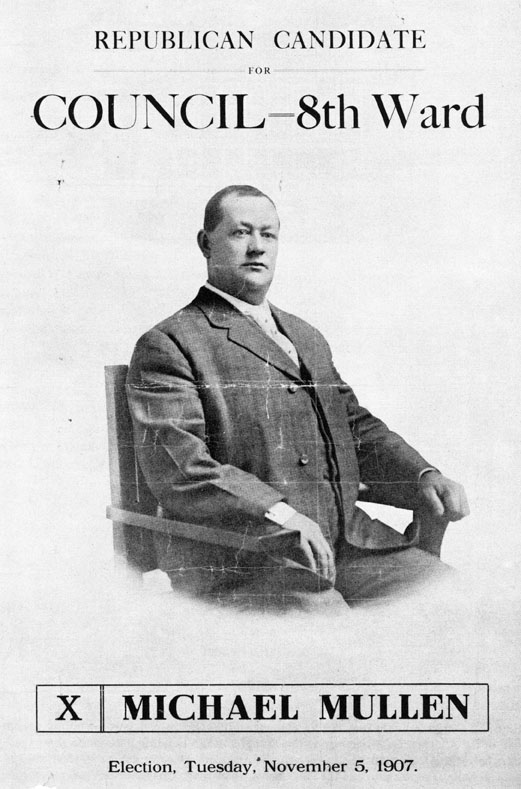
Irish Cincinnati-Mike Mullen and Ward Politics

By:  Kevin Grace

As the election season draws to a close over the next couple of weeks, it seems appropriate to consider the story of Mike Mullen, perhaps corrupt in the eyes of muckraking journalists, but certainly beloved among his own kind – and isn’t that always the case when it comes to urban politics? A jaded opinion, you say?  Maybe, I respond, but certainly one that is backed by the boisterous heritage of American city life.  And, so in the spirit of Archives Month in Ohio and the democratic system of government, here we go… Continue reading

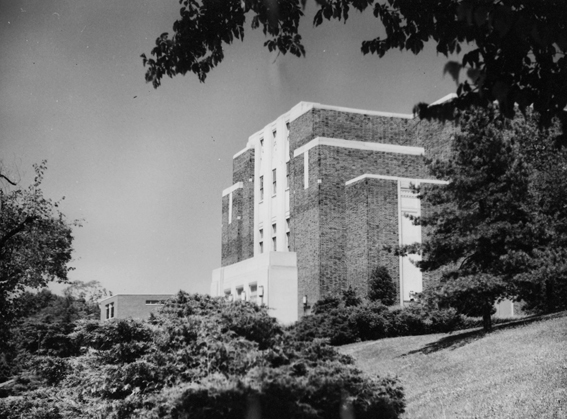
The Haunting of Wilson Auditorium

By:  Molly Gullett

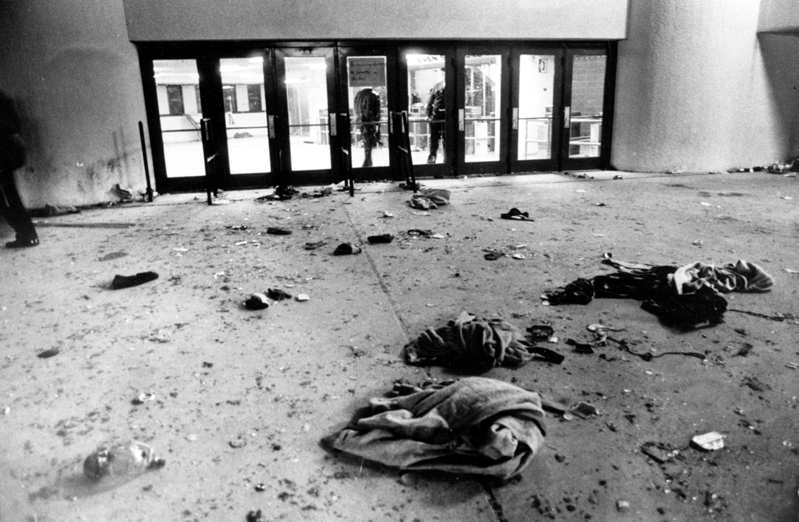
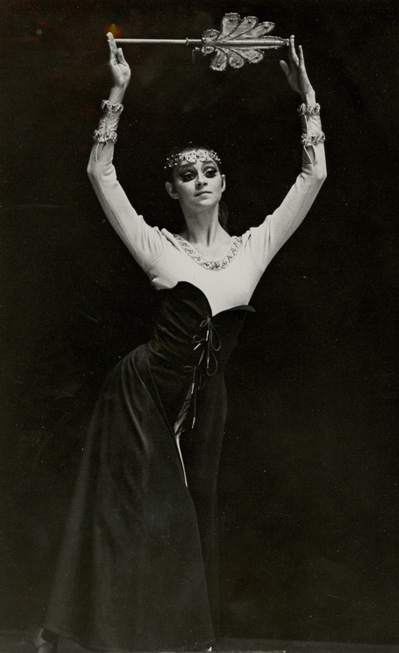
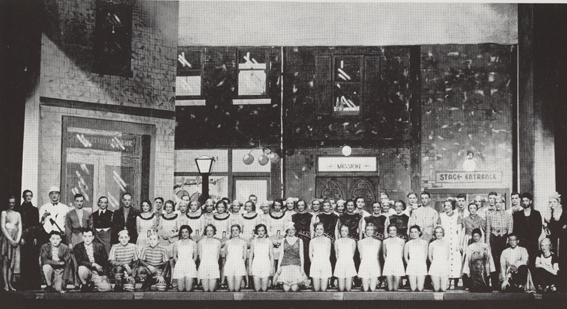
Wilson AuditoriumPlay in Wilson AuditoriumAs work proceeds on the Southwest Ohio Folklore Archives, there are a few papers that are certainly appropriate at this time of year.  In November, 2002, student Mathew Z. Keller submitted his contribution to the archive with an account of UC’s Wilson Auditorium.  Superstition and mystery are as linked with theatre as performance itself and there are many superstitions associated with theatre.  Of course, there is “break a leg” instead of “good luck,” and the ominous effects of saying Macbeth backstage. Perhaps less known is the superstition to never whistle anywhere in a theatre because it signifies that a play will be ending soon. Another ritual is to leave a ghost light on in the belief that it would convince spirits of the theatre that they had not been forgotten. Like most, UC’s theatres are also riddled with superstitions and legends which comprise their lore. Continue reading

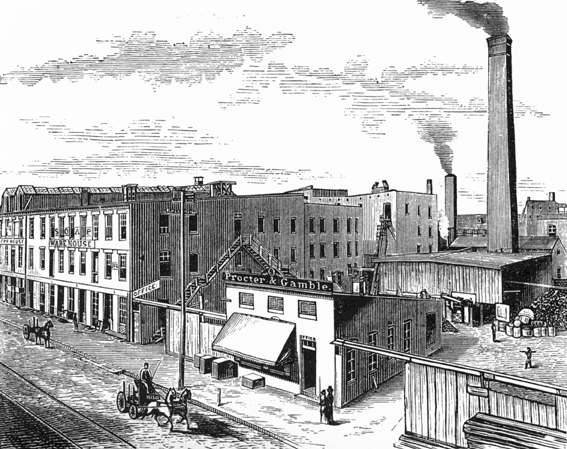
Celebrating Archives Month and the Peoples of Ohio-Procter & Gamble Irish Connection

By Kevin Grace

An early Irish immigrant to Cincinnati, Alexander Norris was born in Caledon, County Tyrone, Ireland in 1771.  The date of his arrival in Cincinnati is uncertain, but it was before 1819 when he first appears in a city directory as a chandler.  Norris came to the Queen City with his family, which included his daughter, Elizabeth Ann, who was born in Ireland in 1811.  After establishing a successful tallow business, Norris moved in the local social circles of candle makers, where Elizabeth met and married another Irish immigrant, James Gamble, in 1833.  The couple had ten children, and further joined business interests when Elizabeth’s sister Olivia married the widowed William Procter.  Alexander Norris persuaded his sons-in-law, both of whom were involved in the animal fat business, to join together and form a mutual manufacturing enterprise. Continue reading

Moving Along. . . in the Subway

By:  Angela Vanderbilt

Subway ConstructionDigitization of the Cincinnati subway and street improvement project prints and negatives began this week with three boxes containing 681 silver nitrate-based negatives delivered to Robin Imaging Services for scanning. Each negative will be carefully scanned by a photo technician experienced in handling silver nitrate negatives, using scanners that operate at low temperature levels to ensure the sensitive nitrate is not exposed to heat. Each negative will be analyzed during scanning to ensure the proper exposure settings are applied to capture the best detail possible when it is saved as a positive image.

Continue reading

ARB's Next "50 Minutes-1 Book" Presentation

By:  Kevin Grace

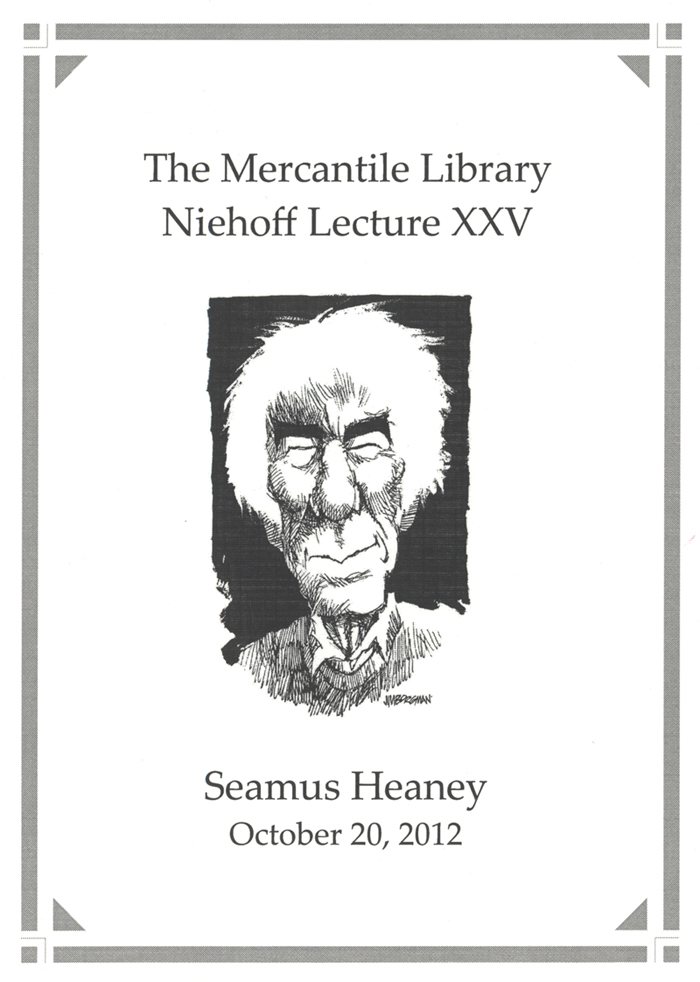
On Tuesday, November 20, the Archives & Rare Books Library will present the second in its series of lunchtime talks for this academic year.  The book to be presented is George Moerlein’s A Trip Around the World.  Moerlein, the son of Moerlein LectureCincinnati beer baron Christian Moerlein, undertook a global journey in 1885 and chronicled his adventures the next year with the publication of this volume.

Printed and designed locally, and heavily illustrated, Moerlein’s travel account was published in both German and English, the better to use as a marketing tool for Cincinnati’s beer-drinking population.  In fact, the end paper of the volume was a color lithograph of the Moerlein Brewery on Elm Street in Over-the-Rhine, a copy of which now decorates the entrance in the Moerlein Lager House brewery and restaurant on Cincinnati’s river bank. Continue reading

Southwest Ohio Folklore Collection

By Molly Gullett

Mabel H. Singing Telegram Company

Mabel H. Singing Telegram Company

The Southwest Ohio Folklore Collection in the Archives & Rare Books Library’s Urban Studies Collection, is made up of several hundred small research projects of written and illustrated folklore that have been collected since the early 1970s by the students of professor emeritus Edgar Slotkin. In my efforts to make sense of such a wide variety of topics as I begin this year-long internship, I began sorting the papers into categories. In all, fifteen separate genres were discovered, among them proverbs, stories, jokes, children’s games, local festivals, the uncanny, bathroom stall graffiti, and food lore. Continue reading

Stealing St. Patrick: Another Moment in Archives Month and the Cincinnati Irish

 By Kevin Grace

St. Patrick's Day ParadeIt has its roots in the fact that, historically, German and Irish Catholic congregants were often at odds in Cincinnati.  On Mt. Adams, where both Irish and German working-class families lived, there were two Catholic churches, Church of the Holy Cross for the Irish, Immaculata Church for the Germans.  Holy Cross parish was established in 1873 to serve the Irish immigrants on the hill and Immaculata was dedicated in 1860, fulfilling a promise made to God by a fearful and distraught Archbishop John Baptist Purcell when he crossed the Atlantic on stormy, tossing seas.  With a German congregation, Immaculata was part of Purcell’s adroit handling of the ethnic differences in the 19th century  Cincinnati archdiocese. Continue reading

Welcome to the ARB Intern for 2012-2013

By Kevin Grace

Molly Gullett is a fourth year History major at the University of Cincinnati and is the Archives & Rare Books Library intern for the 2012-2013 academic year.   Each year, ARB selects an intern to work on one specific project from its collections.  The intern must be an undergraduate of junior or senior standing or a graduate student, and must have taken courses relevant to the project.  Other qualifications include the earning of academic credit within the intern’s major field of study.  The project includes complete processing of a collection, the preparing of an Encoded Archival Description finding aid, and the design and preparation of a web exhibit that highlights the collection.  The project will be completed by the end of spring semester of 2013.

Continue reading