
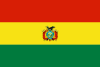
 Featured country: Bolivia.
Red on the Bolivian flag symbolizes valor (e.g., the blood of patriots spilled in battle); green, hope and the fertility of the land; and the yellow band in the center represents the country’s vast mineral resources.
Point of interest: Tiwanaku (Tiahuanaco/Tiahuanacu).
This pre-Columbian archaeological site in la Paz is a UNESCO World Heritage
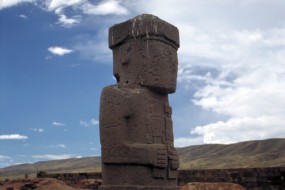
Sacred Statue in Tiwanaku – Bolivia
Site. Tiwanaku is believed to have obtained its name from an Aymara term, taypikala (“Stone in the Center”). Founded around 200 BC, this ancient city is considered an important predecessor to the Inca Empire. Tiwanaku has outstanding stone carvings and ancient buildings that exemplify the Andean pre-Hispanic civilization.
Source: Global Road Warrior.
Featured library resource: Collins world atlas : clear, detailed, and up-to-date mapping, latest stunning satellite images, UNESCO world heritage sites. London : HarperCollins, 2010.
Langsam Reference Oversize G1021 .H59846 2010
Posted by Olga Hart
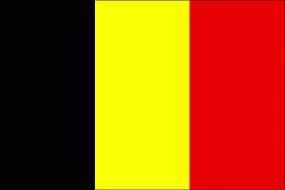 Featured country: Belgium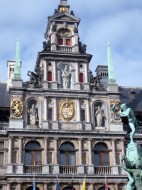

 Featured country:
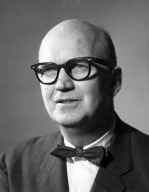 Woodward (“Woodie”) Garber’s designs for Christ Church Episcopal Church in Glendale, Ohio are now available for viewing at Archives and Rare Books Library of the University of Cincinnati. There is a specification notebook of the addition to the church, as well as numerous blueprints that cover every aspect of the building from the temperature control wiring to chapel windows and even the layout of trees on the grounds.