Below is the second in a series of blogs in which Jack Davis discusses Joseph Alsop and his papers in ARB. It was originally published on From the Archivist’s Notebook, a blog of Natalia Vogeikoff-Brogan, head of the archives at the American School of Classical Studies at Athens.
By: Jack Davis, Carl W. Blegen Professor of Greek Archaeology at the University of Cincinnati
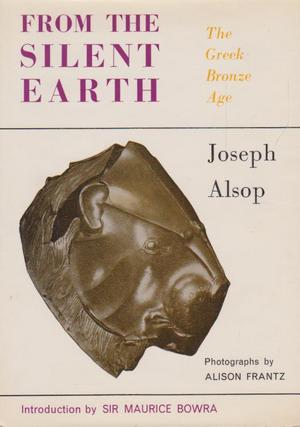 Searching library catalogues and online archival finding aids sometimes produces unexpected consequences. As I wrote in Part I of this two-part post, Joseph Alsop’s principal archive is curated in the Library of Congress. The University of Cincinnati Archives and Rare Book Library, however, contains five boxes of manuscripts of From the Silent Earth and relevant correspondence between Alsop and the eminent scholars Emmett Bennett, Carl Blegen, Maurice Bowra, John Caskey, Sterling Dow, and Leonard Palmer. While writing From the Silent Earth: A Political Columnist Reports on the Greek Bronze Age (1964), Alsop solicited advice from these distinguished Aegean prehistorians and Classical philologists, all of whom were supportive of his efforts. Jack Caskey, for example, replied to an initial letter of inquiry: “I’m particularly interested in absorbing your political analysis. It sounds neither foolish nor pretentious to me in your brief summary.”
In Part I, I explored how it was that one of Washington’s foremost political analysts of the Cold War era (and for two decades a trustee of the American School of Classical Studies in Athens) came to write a book about the Greek Bronze Age. In Part II, I describe the contents of the archive in Cincinnati, discuss its academic significance, and consider what light it sheds on Alsop’s research methods. Continue reading

 Get the latest point-of-care information you need on your iPhone, iPad, or Android device more quickly and easily with the new and improved DynaMed™ mobile app. The new app provides:
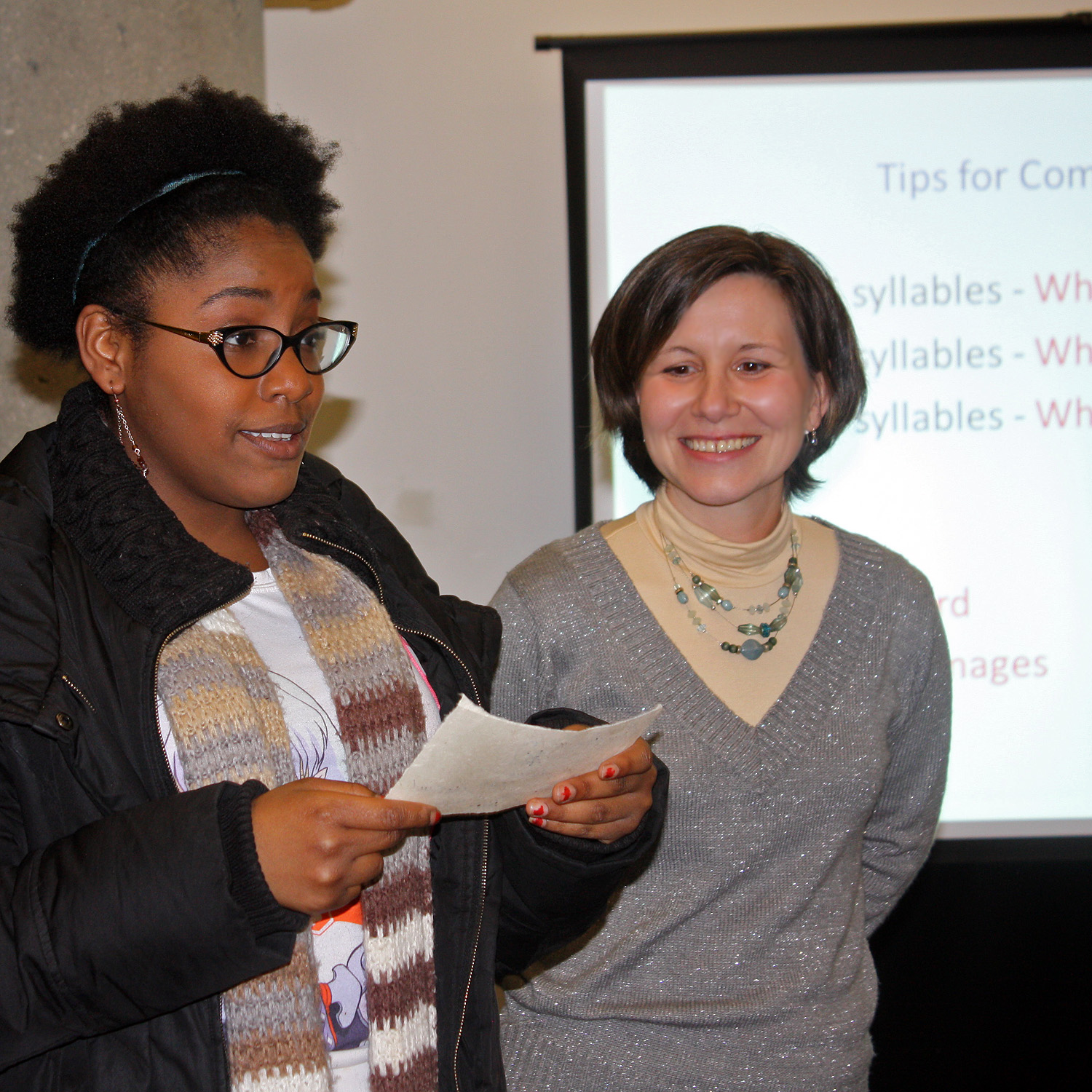
 UCBA students, staff and faculty are invited to participate in the 26thannual National African-American Read-In. The goal of the NAARI is to make the celebration of African American literacy a traditional part of Black History Month activities. This year, the National African-American Read-In will be observed at UC Blue Ash College on Tuesday, February 24, 2015 from 11:00am – 1:00pm in Walters 100.