
Modern Greek Studies in the United States and Grecian Cincinnatians
Modern Greek Studies generally finds its home in Classics departments in the U.S. (which was true also for UC which used to have a professor and lecturers in Modern Greek in addition to a curator of the Modern Greek collection in the Classics Library, Eugenia Foster) in acknowledgement of its Ancient Greek legacy. Also, most librarians of Modern Greek Studies at U.S. institutions are classicists. I guess because Modern Greek is closer to Ancient Greek than Italian is to Latin and Greeks do not share the same influential medieval and Renaissance past as Italians (although one might argue that the importance of Byzantium has been much undervalued), so contemporary Greeks feel maybe a closer connection to antiquity. Italy was also not ruled by a foreign empire for several hundred years, thus not allowing for more modern Greek cultural expressions to develop. The concept of Philhellenism, love of Greece, is also still alive and well among many humanities scholars, especially among ancient historians, classical archaeologists, and philologists. However, there are some American institutions that have recently opened Centers for Hellenic Studies focusing primarily on Modern Greece such as UCLA and the University of Chicago. The UC Classics Library is aware of its history and believes very strongly in continuity with regard to collection strengths. Even though some might argue that our Modern Greek collection fills no function since UC does not teach Modern Greek at the moment, we acknowledge that academia is not immutable and that having a distinguished historic collection requires curating it and continuing to acquire important titles to remain an important resource and that UC as an academic research institution has a responsibility towards scholarly communities beyond UC.
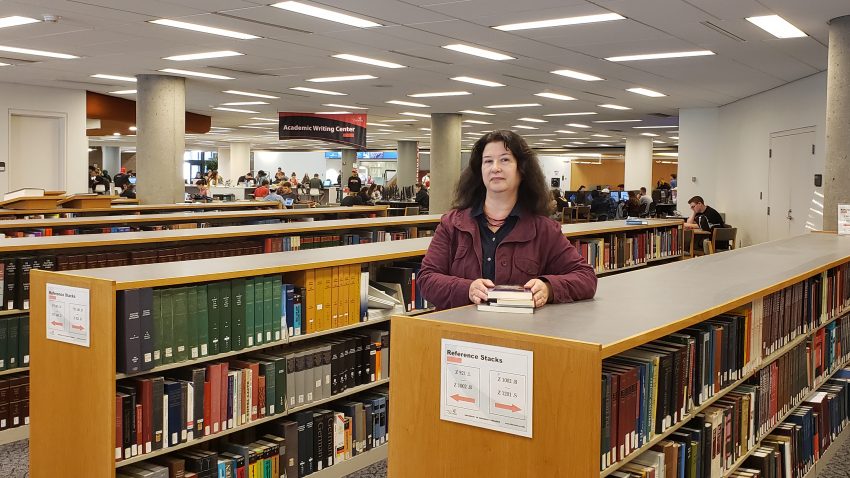 The University of Cincinnati Libraries announce a new strategic endeavor and department aimed at creating a holistic strategy for collections and the services provided for them. Effective Oct. 1, the new department is called Collection Development Services and Engagement and is to be led by senior librarian Arlene Johnson.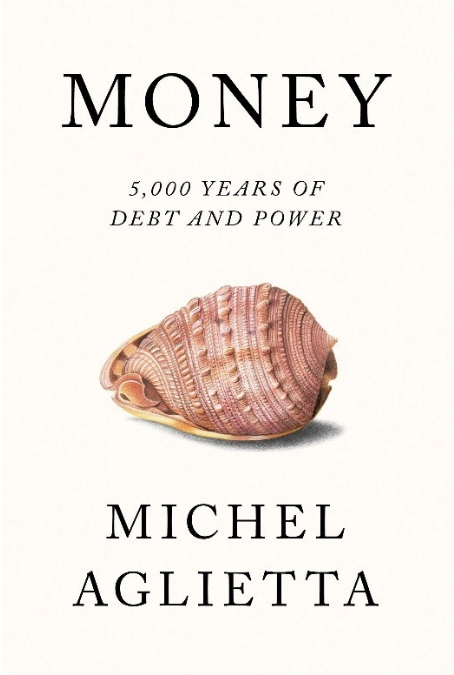
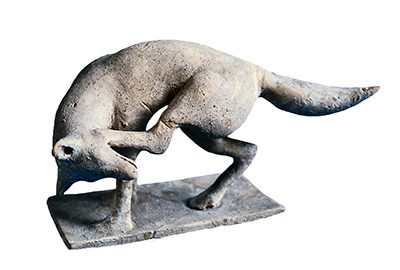
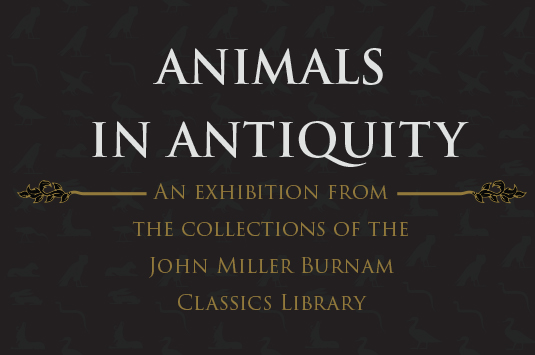 On the fifth floor lobby of the Walter C. Langsam Library is the exhibit “Animals in Antiquity: An exhibition from the collections of the John Miller Burnam Classics Library.”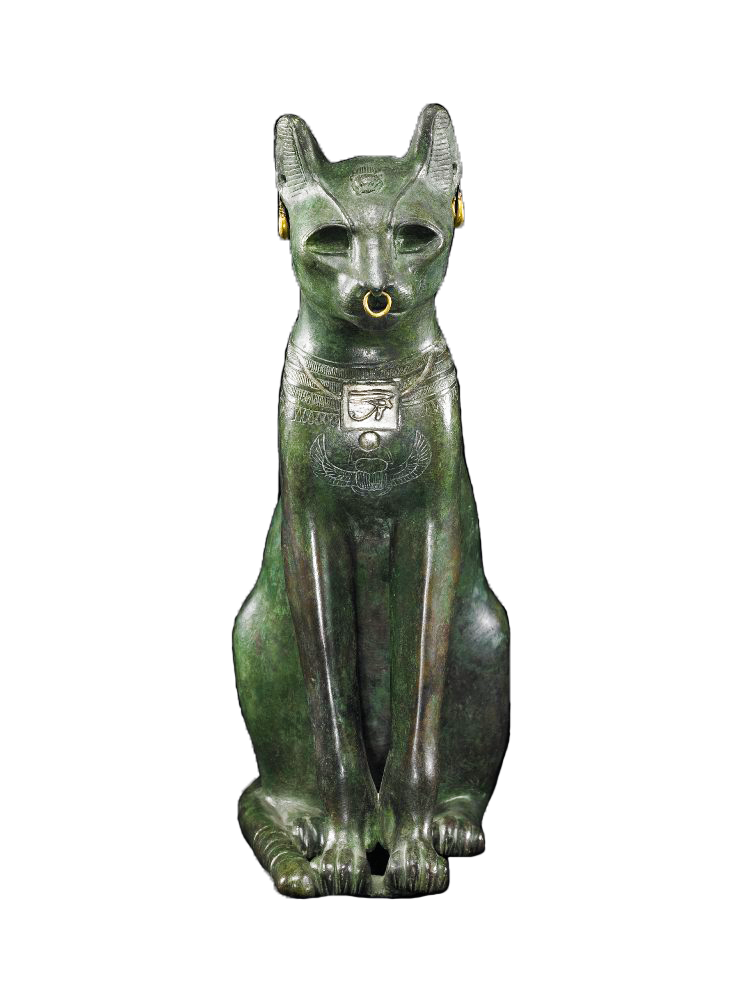
 Read Source, the online newsletter, to learn more about the news, events, people and happenings in UC Libraries.
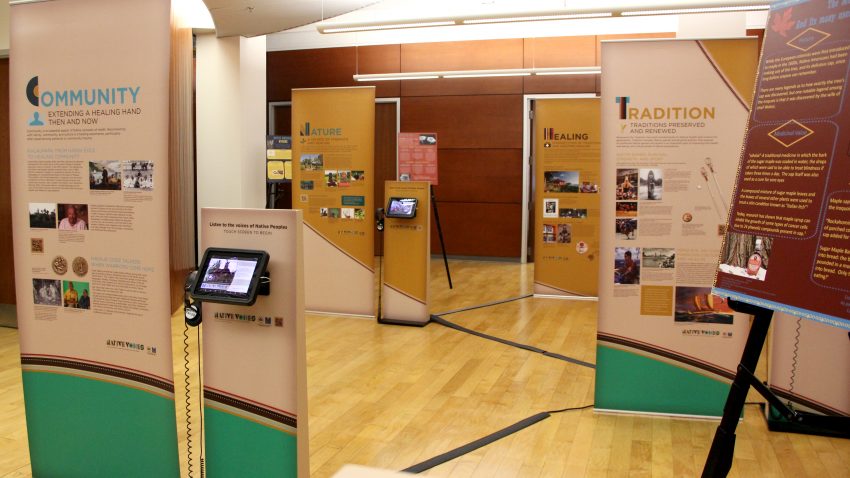 Native Voices: Native Peoples’ Concepts of Health and Illness, a traveling exhibition to U.S. libraries, is on display now through August 30 on the main level of the
  In association with the Native Voices exhibit, related events have been scheduled to explore the topic of Native Peoples’ Concepts of Health and Illness.
 On display in the 4th floor lobby of the Walter C. Langsam Library, the exhibit “The Kretschmer Collection of Native American Children’s Literature donated by Drs. Richard and Laura Kretschmer” features children’s books with Native American themes, written and illustrated by Native Americans. The books are part of a collection of over 275 books donated by Drs. Richard and Laura Kretschmer and housed in the