RDS announces UC Open Research Day and the Undergraduate Research Summer Learning Community

UC Libraries provides access to a wide range of Research Data and GIS services and resources for the campus community. Informationists and librarians assist researchers in managing and preserving research data, finding and acquiring external data and in utilizing GIS techniques and software. Research and Data Services (RDS) announces two programs this summer to engage with research experts — UC Open Research Day on May 27 and the Undergraduate Research Summer Learning Community running June 3 through July 22.

research and data services
Continue reading

New exhibit highlights Cincinnati’s Foodshed

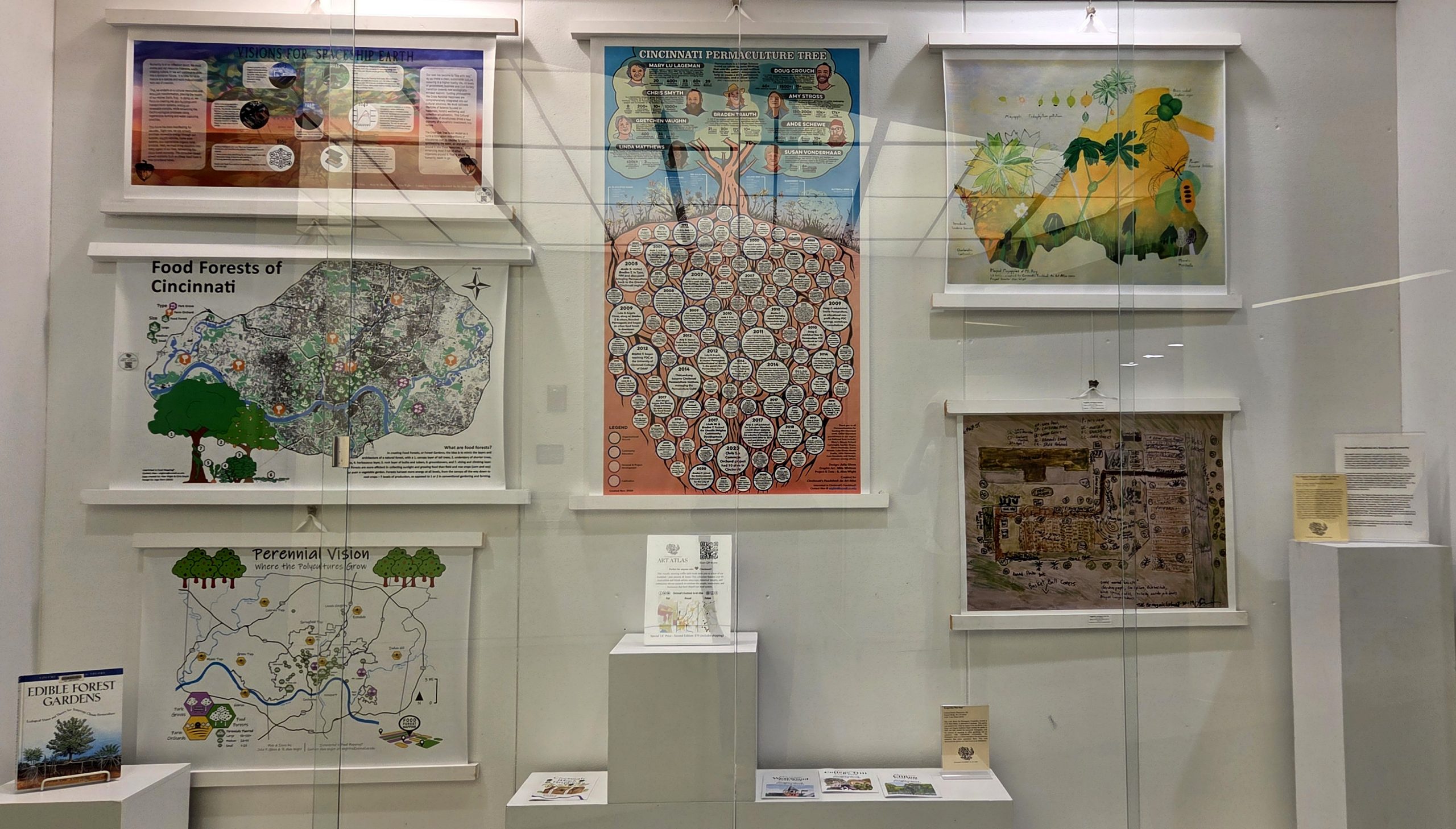
Two exhibits on display on the 4th and 5th floor lobbies of the Walter C. Langsam Library feature the work of Cincinnati’s Foodshed: An Art Atlas, a visually stunning and thought-provoking exploration through the past, present and future of the Cincinnati Tristate region’s food economy. The exhibit features timelines and storymaps to celebrate the people, innovations and businesses that have shaped the local food movement.

cincinnati's foodshed art atlas logo

Food mapping is one way to analyze data and share stories of how the physical environment intersects with the lived experience of food access. The exhibit displays maps created in partnership with neighborhood associations and by walking the area.

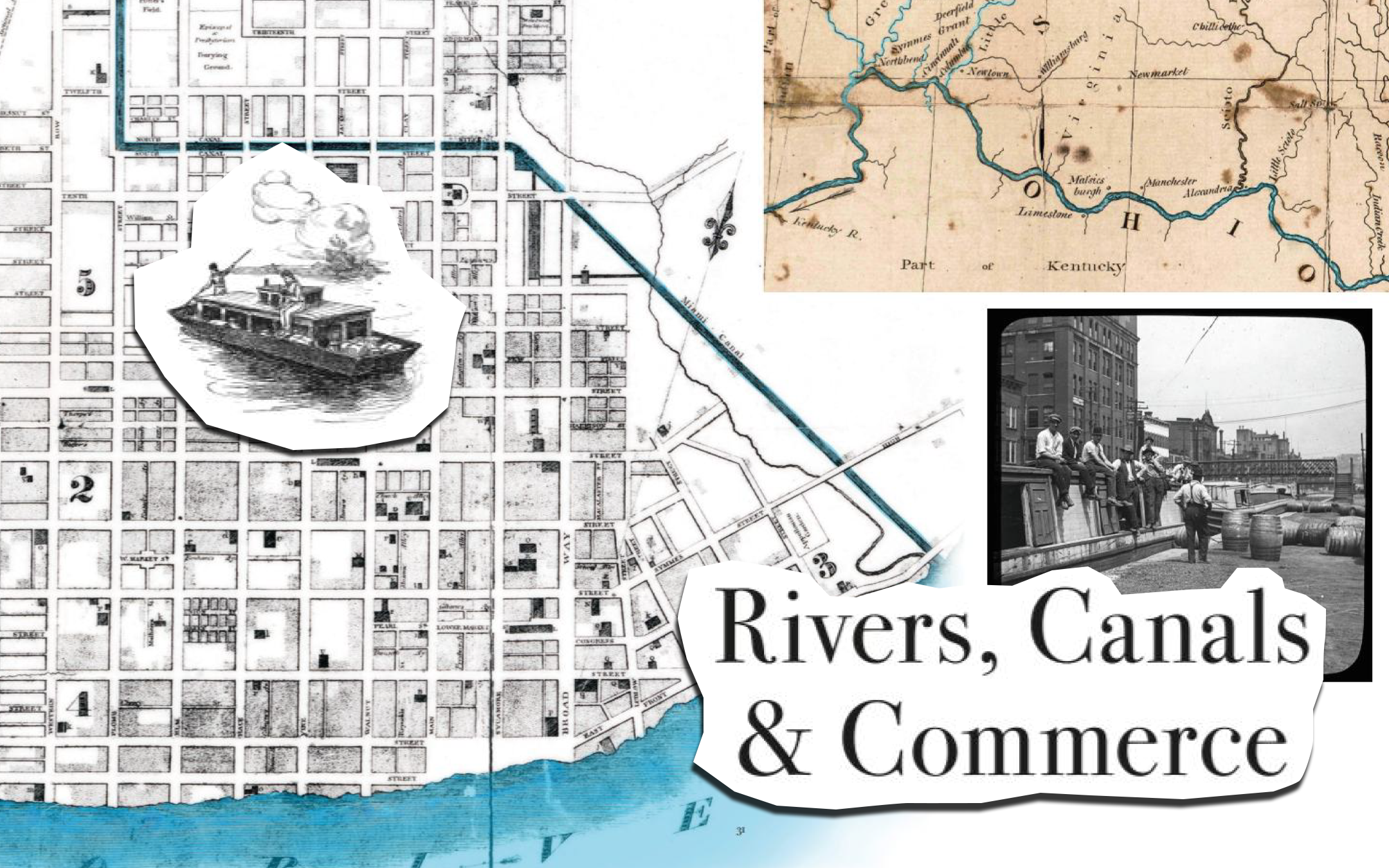
rivers, canals & commerce graphic from the exhibit

The exhibit promotes the availability of UC Libraries Research & Data Services – informationists and librarians that can assist researchers in managing and preserving research data, finding and acquiring external data, and in utilizing GIS techniques and software. People wanting to create their own map or work with spatial data and need assistance, can work with GIS research consultants available to help.

A bibliography of related UC Libraries resources is available for takeout at the exhibit for people who want to learn more about the topics covered in the exhibit.

Cincinnati’s Foodshed: An Art Atlas was written by Alan Wight, PhD. The exhibit was curated by Alan Wight and Amy Koshoffer, assistant director of RDS. It was designed by Reece Guthier, communication design co-op student.

The Langsam exhibits correspond with a similar exhibit on display in the Karl J. Schlachter and Robert A. Deshon Library for Design, Architecture, Art and Planning (DAAP). Cincinnati’s Foodshed: Art, Ecology and Community features a selection of works from the book. The exhibit is on display at the entrance to the library.

daap food atlas exhibit

UC Libraries GIS Services attends the Urbanism Club Meeting

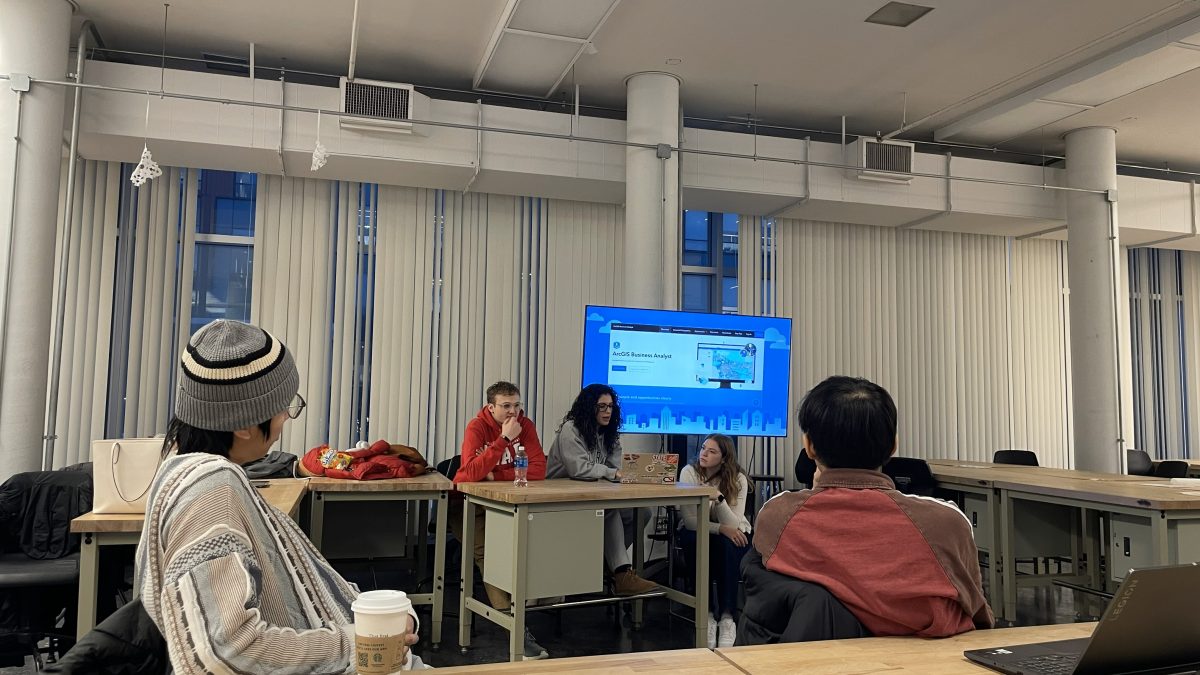
a slide from the introduction to GIS workshop offered by the urbanism club The title of the slide is GIS Tips, Tricks, and secret tools followed by a GIS help session.

The UC Libraries GIS research consultants attended the Urbanism Club in support of the club’s Introduction to GIS session. GIS stands for Geographic Information Systems and is the process of collecting, analyzing, and managing data with spatial attributes. Fenley Jones, Kayra Koprulu, and Jaclyn Mauro were great hosts and put on an incredibly informative session that covered access to software, how to increase your knowledge base through trainings, and how they personally use different tools. It was really great to see the various ways students are using GIS resources and how the club supports students who are interested in learning more about GIS. To find out more about the club, visit their campuslink page. And the club will be offering additional GIS sessions on March 9th and April 13th.

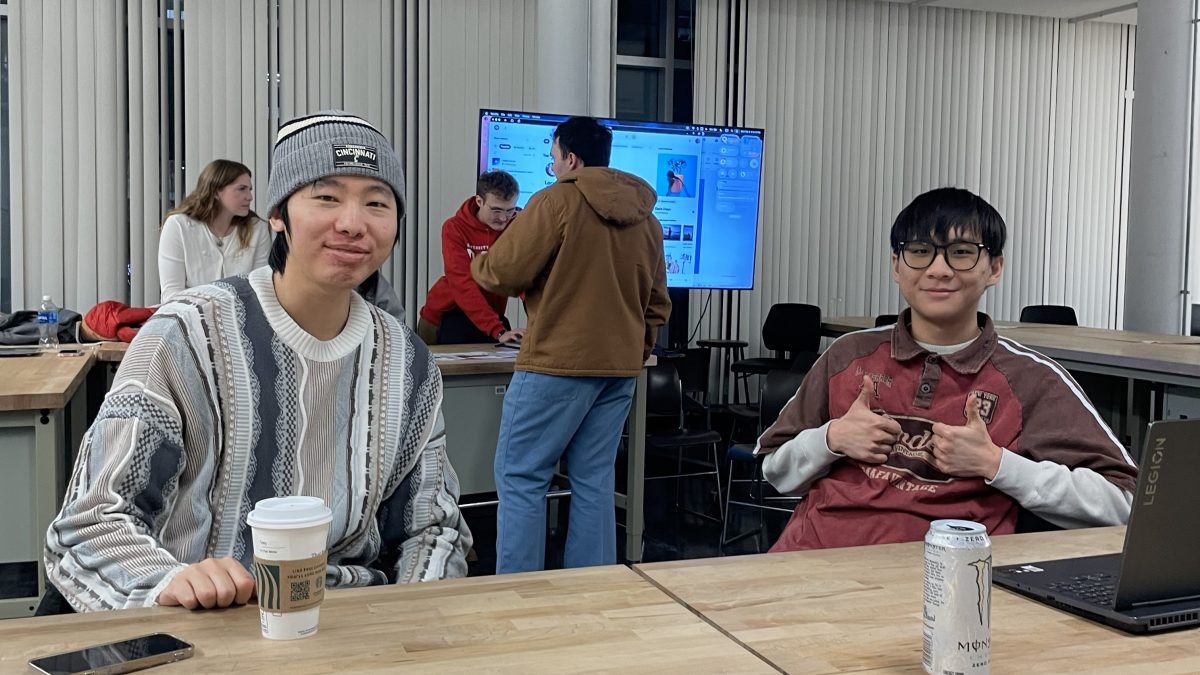
Weiye (in grey sweater) and Andrew Ho (in red shirt), UC Libraries GIS Research Consultants

The UC Libraries GIS services is available to help students and researchers plan GIS projects, access software, understand how create visualizations such as maps and analyze spatial data. The lab is located in 412 Langsam and is open in the spring during the following hours:

  • Mon 9:00 AM – 5:00 PM 
  • Tues 9:00 AM – 1:00 PM 
  • Wed 9:00 AM – 2:00 PM 
  • Thurs 9:00 AM – 1:00 PM 
  • Fri 9:00 AM – 2:00 PM 

Weiye Li (Left – Phd student – Geography & GIS) and Andrew Ho (Right – Undergraduate – Planning) look forward to meeting you and learning about your GIS interests.

UC Libraries GIS Services attends the Urbanism Club Meeting

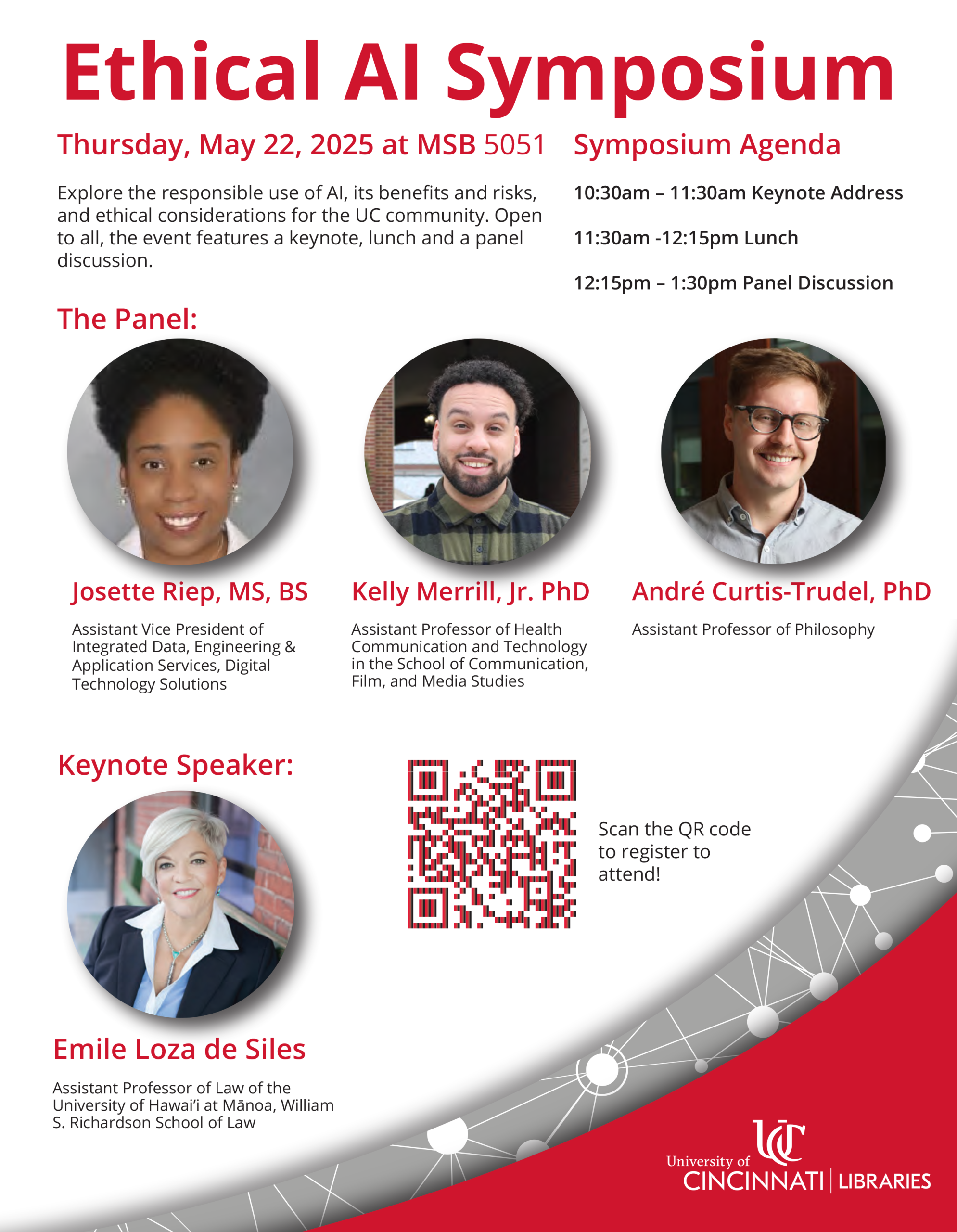
Join us for the Ethical AI Symposium, Thursday, May 22

UC Libraries Research & Data Services is hosting an Ethical AI Symposium, exploring the responsible use of AI, its benefits and risks, and ethical considerations for the UC community. Scheduled for Thursday, May 22, from 10:30am-1:30pm in the Medical Sciences Building (MSB) 5051, the event is open to all interested in learning more about AI’s dual role as both an innovative tool and a potential source of harm.

The symposium will feature a keynote address by Emile Loza de Siles, assistant professor of law of the University of Hawai’i at Mānoa, William S. Richardson School of Law. Following is a networking lunch and a panel discussion where UC thought leaders will share their perspectives on ethical AI practices and the future of responsible innovation.

Symposium Agenda

  • Keynote                           10:30am – 11:30am
  • Lunch                               11:30am – 12:15pm
  • Panel Discussion           12:15pm – 1:30pm

Register here: https://forms.office.com/r/DmesAj0Jj0

ethical ai symposium
Continue reading

Data & Poetry / Poetry & Data Workshop: Attributes of the Code & the Line

Sept. 12, 3-5pm, Elliston Poetry Room

3-4:30pm program with 30mins Q&A following

poetry and data workshop graphic

Hosted by the University of Cincinnati Libraries and the Elliston Poetry Room, the Data & Poetry | Poetry & Data Workshop: Attributes of the Code & the Line will explore how data and poetry inform and influence each other, the impact of emerging Artificial Intelligence (AI) programs on poetry and literature, as well as the implications this presents for copyright. 

Join us Tuesday, Sept. 12, 3-5pm in the Elliston Poetry Room (6th floor of the Walter C. Langsam Library) for a panel discussion and Q&A led by poets, data professionals, AI researchers and a legal expert. While you may not leave with answers, you will leave with thoughts, resources and more questions.

The panelists are:

  • Ben Kline is the assistant department head for research, teaching and services at UC Libraries. A poet in his non-library life, Ben believes poets should be empowered to harness data, data tools and our collective knowledge to create work that invigorates and challenges ideas about art and technology.
  • Amy Koshoffer – as the assistant director of research and data services, Amy promotes data literacy skills particularly data sharing and data management.
  • Kay Bancroft – a poet, editor, educator and artist, Kay merges creative writing with pre-existing structures, data and more. 
  • Mark Chalmers – science and engineering librarian. Among his other areas of expertise, Mark manages the CEAS Library’s coding workshops and is an AI enthusiast.  
  • Tim Armstrong – a lawyer and technologist, Professor Armstrong studies the intersection of advanced communications technologies and intellectual property law.

 
The workshop is part of Poetry Stacked programming and the Data and Computational Series. It is sponsored by a Universal Provider Award from the Provost Office. 

Join us for UC ORCID Awareness Day Thursday, June 8

orcid id logoOn Thursday, June 8, the University of Cincinnati Libraries Research & Data Services (R&DS) team will host a UC ORCID AWARENESS Day as part of the Data and Computational Science Series. We invite you to come to Rm 540B in the Faculty Enrichment Center, 5th floor of the Walter C. Langsam Library, to activate or enrich your ORCID profile.

What is an ORCID

ORCID stands for Open Researcher and Contributor ID. It is a 16-number identifier unique to you as an author and researcher.

Why should I have an ORCID?

  • To distinguish you as a unique author
  • To build an online profile about your scholarship and research contributions
  • To help you easily access research infrastructure
  • To get ahead of possible coming requirements for having an ORCID

Does it take a lot of time to activate and maintain an ORCID?

To set it up will take about 5-10 mins, and you can use automated tools to maintain it.

Does it cost something?

To register for an ORCID is free.

~~~~~~~~~~~~~~~~~~~~~~~~~~~~~~~~~~~~~~~

Details about UC ORCID AWARENESS Day

When:                  Thursday, June 8, 10 a.m. to 2 p.m. This is a free and open event.

Where:                 Faculty Enrichment Center (RM 540B, Walter C. Langsam Library)

What:                   Work with UC Libraries R&DS team members to active or enrich your ORCID profile using automated tools.

Who:                     Any researcher who publishes or applies for grants

Grab an ORCID Cookie and get started increasing your research impact.

Register to attend, although drop-ins are welcome.

Love Data Week 2022

graphic representation of International Love Data Week


Love Data Week

UC celebrates International Love Data Week. Feb 14-18, 2022.

UC Libraries will celebrate Love Data Week by hosting several workshops and events around campus.

Love Data Week was started to promote data use in higher education by a collection of academic librarians. It has grown into an international movement where data resources, workshops and collections are showcased during Valentine’s Day week. Learn more about its history and other events at https://myumi.ch/ICPSRldw2022events. #LoveData22

The theme this year is “Data is for Everyone.”
Sponsored by the Research and Data Services Department at UC Libraries along with Office of Research -Research Technologies-Research Computing and Data and the Graduate School, there are events daily to support researchers in every aspect of the data lifecycle from Library, Research Computing, and graduate student team members.

Featuring classes on storage and sharing (GitHub), using GIS to tell a story in a user-friendly format (Intro to Story Maps), data analysis, Introduction to XSEDE Big Data and Machine learning, organizing information (for Grad Students), protecting your own data (Consumer Data Protection), and finding data through patents (Find Patents!), this week will have something for everyone! Continue reading

Love Data Week, Feb 8-12, 2021.

Love Data Week 2021

Love Data Week 2021

Love Data Week takes place the week of Valentine’s Day. Created to raise awareness of research data management, sharing, reuse, and preservation of data, it has been promoted by library and data professionals since 2016 in both online and in-person events.  You can see some of the events taking place around the world at the International Love Data Week 2021 schedule.

One of the ways we at RDS/UCL celebrate is to participate in the Adopt a Dataset program that ICPSR hosts every year.  ICPSR choses to highlight interesting data sets from their collection for individuals to explore to learn more about data. Once a dataset is chosen, you may fill out the Dataset adoption form and have your name added to the wall of adopters.  Adopters are encouraged to delve into the data by reading about the research, look at the variables, try out the analysis tools online, and read related publications.

ICPSR is a member consortium that UC belongs to that provides access to datasets from over 15,000 studies, over 5.6 million variables, which have had over 95,000 publications that cited those studies. It also provides curated data repository services for researchers, including secure data enclaves, which fulfill finding requirements for data management plans. Although most studies are quantitative in the social and behavioral sciences, there are also themed collections in the arts, humanities, and some health sciences. Teaching resources, online analysis tools, and pre-made exercise modules also are available to members.

There are a wide variety of datasets to choose from this year, ranging from education, to social media, social justice, to health. I chose to adopt one on music, Study of Jazz Artists, 2001 (ICPSR 35593). I started out by looking at the description of the study and how it was conducted. I then jumped into browsing the variables, one of the tabs found on the data set page. One of the great features of ICPSR is that you can search by variable if you are looking for specific studies to replicate or want to see if your own survey questions fit what others have asked in the past.

One variable jumped out at me – Q32- Age Began Playing First Instrument. My own children play instruments and I always wonder if we’ve started them at the right age or not. Looking at the result for this variable, I can see the unweighted results, including summary statistics and a variables chart. The median age was 9, the mode was 10, the maximum was 35, and the minimum was 1! I guess there’s still hope if you’re in your 30s to pick up an instrument to become a professional jazz musician!   The sweet spot to start your child appears to be the 8-10 year old range.

If you have questions about Love Data Week,  ICPSR, Data, Data Management Plans, Cleaning, Storing, Finding, or Using Data, contact us at Research and Data Services here at UC Libraries. We would love to help you with your projects, offer a workshop to your department or class, or discuss your data needs.

Dorcas Washington takes on new role of data analytics specialist on the Research and Data Services Team

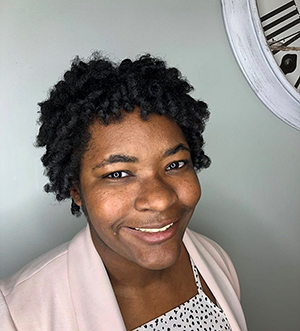
dorcas washingtonDorcas Washington, formerly content analyst on the Content Services Team, has transitioned to the new role of data analytics specialist on the Research and Data Services (RDS) Team.

In her new role, Dorcas will provide leadership and expertise in the areas of quantitative and qualitative data analysis, as well as play a leading role in developing and executing a research reproducibility support program across disciplines. Dorcas holds a BA in mathematics, an MS in applied statistics with a concentration in bio-statistics and has recently been accepted into UC’s PhD program for environmental health: bio-statistics. In her new role, she will be able to utilize her knowledge and skill set to its fullest and to build upon her experiences gained as a member of the Content Services Team.

As data analytics specialist, Dorcas will be responsible for:

  • Leading library services related to the evaluation, manipulation and visualization of data and the use of statistical tools
  • Developing and delivering scalable research and data-related services and resources in collaboration with RDS, with the Digital Scholarship Center, and others as appropriate
  • Leading the development and implementation of consultation and instruction services for statistical and analytical methods
  • Promoting best practices for ethical and reproducible data production, analysis and dissemination
  • Developing and coding executable programs to automate processes to perform computational inquiries
  • Co-managing Informatics Lab operations within the Donald C. Harrison Health Sciences Library.

“I look forward to getting back to my roots of mathematics and statistics by utilizing those skills to help people further research at UC,” said Dorcas. “This position interested me because it’s doing work I enjoy with a diverse group of people (students, faculty, staff and more).”

Those interested in services, should contact RDS via e-mail askdata@uc.edu.

Three UC Libraries employees accepted to participate in RMD 102: Beyond Research Data Management for Biomedical & Health Sciences Libraries course

UC Libraries’ Rebecca Olson, Tiffany Grant and Don Jason have been accepted into the RDM 102: Beyond Research Data Management for Biomedical & Health Sciences Librarians (Spring 2020) course, offered through the National Network of Libraries of Medicine Training Office (NTO).  

The major aim of this course is to provide an introduction to the support of data science and open science with the goal of developing and implementing or enhancing data science and data literacy training and services at UC. Threaded throughout the course will be the librarian’s role in research reproducibility and research integrity and include practice in using Jupyter Notebooks. The course topics include an overview of data science and open science, data literacy, data wrangling, data visualization and data storytelling. 

Rebecca, business and social sciences informationist, Tiffany, research informationist, and Don, clinical informationist, are all members of the Research & Data Services Team and are working on forwarding the mission of the team and digital integration efforts across the Libraries. Participation in this course will afford both the opportunity to demonstrate improved skills in research data management, as well as to gain the knowledge and ability to support data science services here at UC.

 Please join us in celebrating their initiative and accomplishment!