Oesper News: Museum Booklets on the History of Chemical Apparatus

Dr. William B. Jensen introduces his new series:

Like most museums, only about 25% of the holdings of the Oesper Collections
in the History of Chemistry are on public display at a given time. In order to make the remaining 75% available in some form, it was decided to initiate a series of short museum booklets, each dedicated to a particular instrument or laboratory technique of historical importance to the science of chemistry.

Each booklet would include not only photographs of both displayed and stored museum artifacts related to the subject at hand, but also a short discussion of the history of the instrument or technique and of its impact on the development of chemistry as a whole. Several of these booklets are expansions of short articles which have previously appeared in either the bimonthly series Museum Notes, which is posted on the Oesper website, or the series Ask the Historian, which appeared in the Journal of Chemical Education between 2003 and 2012.

You can access the booklets by clicking here.

 

Check Out the Latest Issue of Source, UC Libraries Newsletter

sourceRead the online newsletter to learn more about the development of UC’s digital repository, why UC’s colors are red and black, and more news from UC Libraries.

This latest issue of Source includes updates on the Libraries’ Strategic Plan, with an overview of digital humanities and news on the development of UC’s digital repository, which makes accessible, enables re-use, stores, organizes and preserves the full range of the institution’s intellectual output, including scholarly, historical and research materials. Also featured are stories about providing access to the Libraries special collections, a new exhibit highlighting the top illustrated children’s books, and the librarians, staff and students of UC Libraries giving thanks.

Source online is available on the web at http://libapps.libraries.uc.edu/source/ and via e-mail. To receive Source online via e-mail, contact melissa.norris@uc.edu to be added to the mailing list.

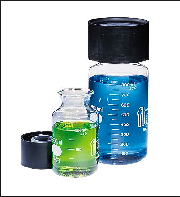
Who Invented the Fleaker? : Notes from the Oesper Collections, No. 29, November/December 2014

Typical modern-day fleakers with their patented caps.

Typical modern-day fleakers with their patented caps.

The 29th issue of Museum Notes highlights a recent innovation in laboratory glassware known as the “fleaker” and traces its historical antecedents to a late 19th-century innovation known as the “beaker flask.”

Click here for all other issues of Notes from The Oesper Collections and to explore the Jensen-Thomas Apparatus Collection.

Oesper News: Dr. Jensen Explains the Blowpipe in Wired Article

Dr. William Jensen explains “The Strange Blowpipe 19th Century Miners Used to Analyze Ore” in the Wired article at  http://www.wired.com/2014/08/crazy-blowpipe-apparatus/#slide-id-1232521.

For more topics like these from the history of chemistry visit the Oesper Collections at http://digital.libraries.uc.edu/oesper/.


UC Libraries Launch Source Online

Newsletter, first published in 2002, contains the latest news and happenings from UC Libraries.

sourceUC Libraries is transforming  technology, people, space and information resources to “become the globally engaged, intellectual commons of the university – positioning ourselves as the hub of collaboration, digital innovation and scholarly endeavor on campus.”

It is in this spirit of transformation that we are changing the way in which we deliver Source to our readers. The online newsletter will still contain the latest information about the organization, people, places and happenings in UC Libraries, but will no longer be produced in print. By moving Source online, we are able to reach a greater number of readers on various devices – computers, phones, tablets and more.

Continue reading

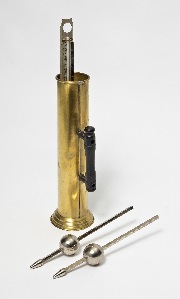
The Twitchell Hydrometer : Notes from the Oesper Collections, No. 28, September/October 2014

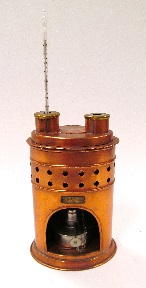
A brass hydrometer jar with handle and thermometer and two metal hydrometers probably designed to monitor the fermentation of beer

A brass hydrometer jar with handle and thermometer and two metal hydrometers probably designed to monitor the fermentation of beer.

The 28th issue of Museum Notes highlights yet another scientific instrument produced by the 19th-century Cincinnati inventor Henry Twitchell (1816-1875).

Click here for all other issues of Notes from The Oesper Collections and to explore the Jensen-Thomas Apparatus Collection.

Sidney Rossiter Benedict : Notes from the Oesper Collections, No. 27, July/August 2014

A circa 1928 Bock-Benedict colorimeter

A circa 1928 Bock-Benedict colorimeter

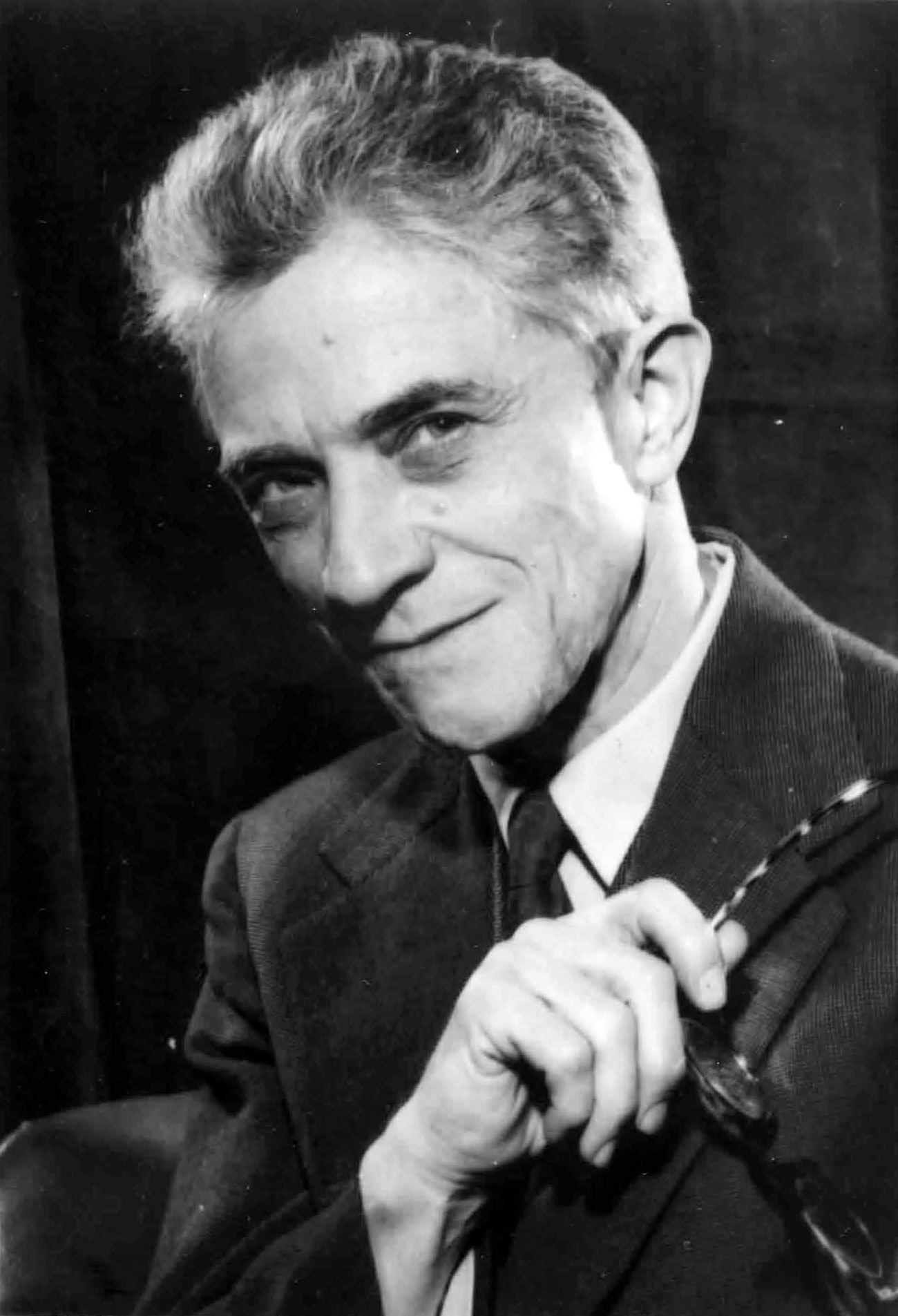
The 27th issue of Museum Notes tells the story of a UC graduate who, inspired by his undergraduate chemistry teacher, went on to become a nationally prominent physiological chemist and a member of the National Academy of Sciences.

Click here for all other issues of Notes from The Oesper Collections and to explore the Jensen-Thomas Apparatus Collection.

The Marsh Test for Arsenic : Notes from the Oesper Collections, No. 26, May/June 2014

Reproduction of a Marsh apparatus

Reproduction of a Marsh apparatus


The 26th issue of Museum Notes deals with the historic Marsh test for arsenic and its role in both the history of forensic chemistry and detective fiction.

Click here for all other issues of Notes from The Oesper Collections and to explore the Jensen-Thomas Apparatus Collection.

Historic Cincinnati Subway and Street Images Available on New Website

b53_f25_p001The University of Cincinnati Libraries have created a website and digital archive that provides access to the historic Cincinnati subway and street images, a collection of over 8,000 photographic negatives and prints taken as part of a failed subway development project in the 1920s, and photographs documenting various street projects from the 1930s through the 1950s.

Available at http://digital.libraries.uc.edu/subway/, the “Cincinnati Subway and Street Improvements, 1916-1955” website includes construction images as well as both interior and exterior shots of private residences and city scenes. In addition to providing access to the historic prints and photographs, the website also documents the story of the failed subway project and includes a construction map with linked images.

Continue reading