The Donald C. Harrison Health Sciences Library is pleased to welcome two new faces to its ranks.
Andrea Chemero
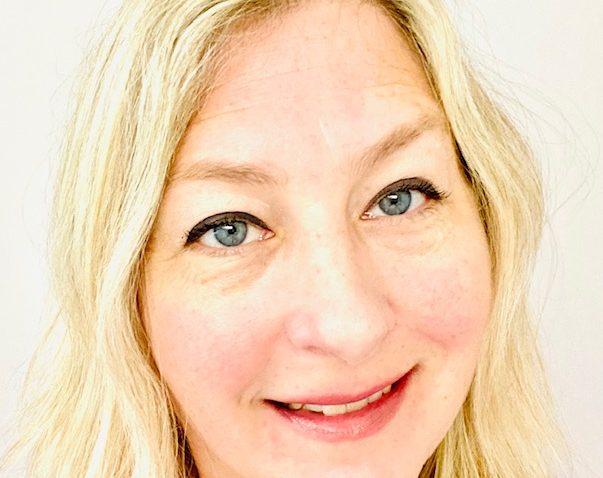
Andrea Chemero
Andrea Chemero has joined the Health Sciences Library in the role of temporary health sciences librarian. She comes to the library with over 10 years of experience as a librarian, having worked in libraries at both the community college and academic levels. Andrea may be a familiar face to some as she also spent time working in the Karl J. Schlachter and Robert A. Deshon Library for Design, Architecture, Art and Planning (DAAP).
Andrea brings to her position at the Health Sciences Library experience in reference and instruction, customizing online finding aides and providing research workshops. She has made frequent use of custom online finding aides, such as LibGuides, to support students’ research needs and has extensive experience helping students with medical reference questions and databases such as CINAHL, Medline and Ovid.
Upon moving to Cincinnati in 2012, Andrea took a break from being a librarian to pursue art, which led to her earning an M.F.A. from DAAP in 2020. Andrea states that she was “unable to keep away,” and took a one-year break from her studies at DAAP to work as a librarian at the DAAP Library.
Jessica Heys
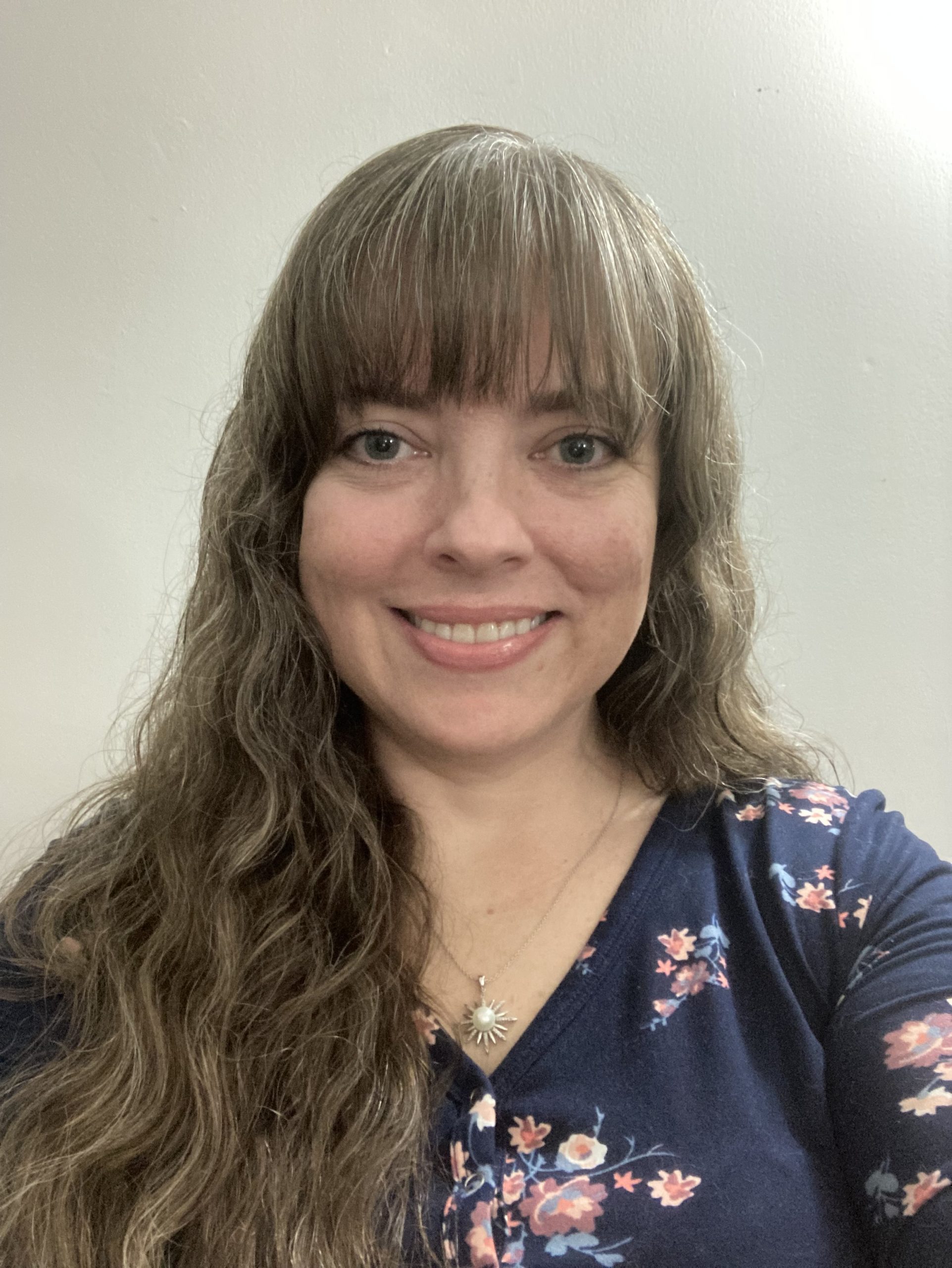
Jessica Heys
Jessica Heys has joined the Henry R. Winkler Center for the History of the Health Professions. Jessica works directly with Gino Pasi, Winkler Center archivist, to help create a series of exhibits corresponding to a lecture series focused on Renaissance doctor and anatomist, Andreas Vesalius. In addition, she is processing the papers of environmental and occupational health pioneer Eula Bingham, PhD.
Jessica has been the archives contractor for The Charles F. Kettering Foundation in Dayton for several years and was formerly the archivist for the National Afro American Museum and Cultural Center in Wilberforce. A Certified Archivist through the Academy of Certified Archivists, Jessica holds an M.A. in history with public history emphasis, focus on museum studies and archives and records management from Wright State University, a B.A. in art history from the University of Cincinnati College of DAAP, and an A.A. in art with emphases in painting and life drawing and anatomy from Sinclair Community College. In addition to having been invited to the Cincinnati Women Leadership Conference, she is a member of numerous academic and professional organizations, and is looking forward to her time working here at UC.
Welcome, Andrea and Jessica!


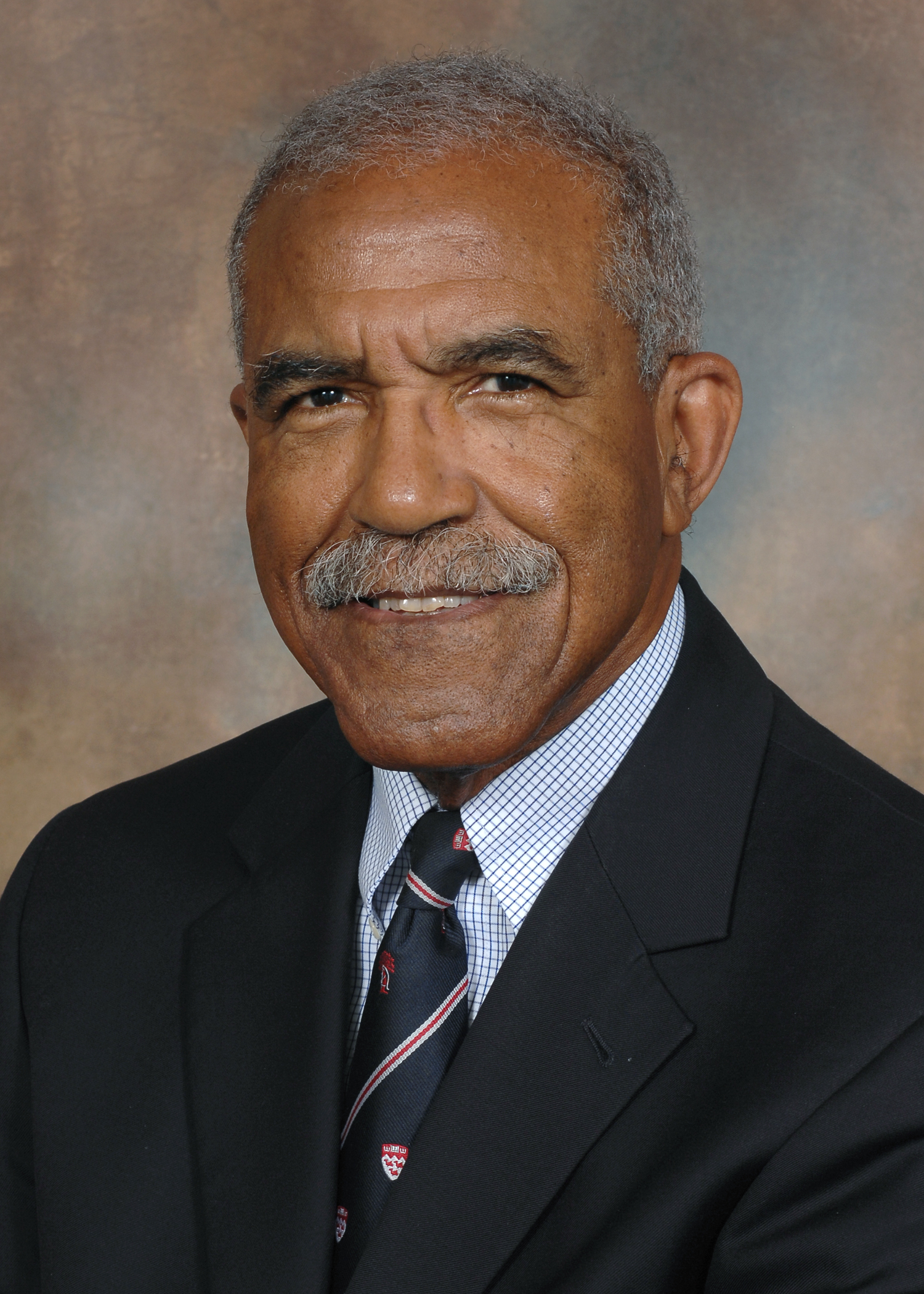
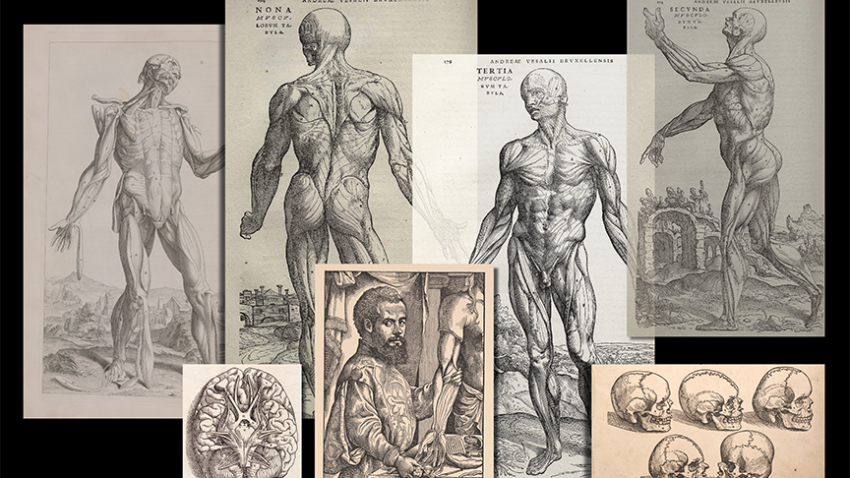 On Tuesday, March 15, 2022, at 5:30 p.m., Bruce Giffin and Cynthia Klestinec will present, “Innovative Teaching of Human Anatomy beginning in the 1500s and Vesalius.”
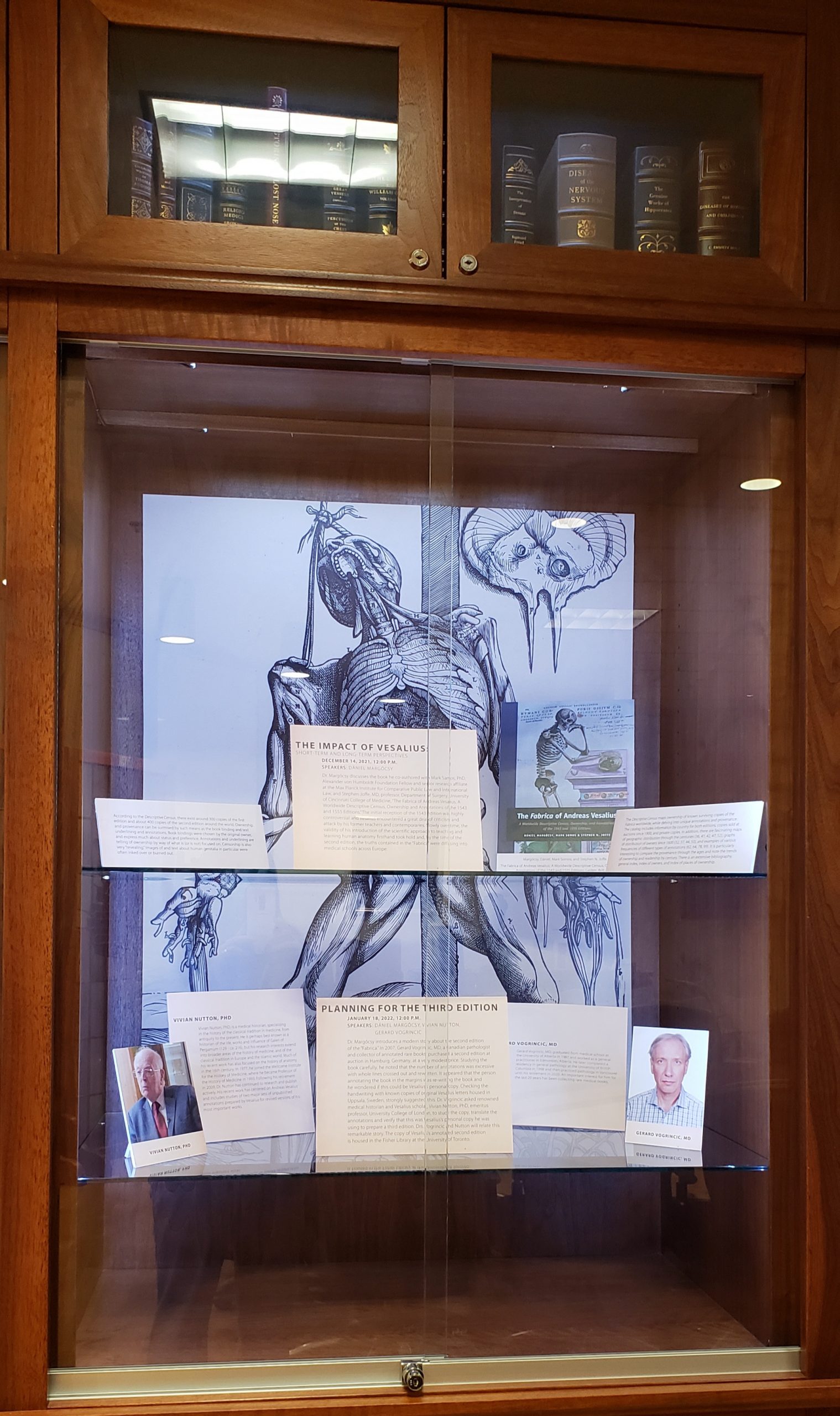 Following the lecture will be a reception held in front of the Henry R. Winkler Center for the History of the Health Professions (next to Kresge Auditorium). Exhibits showcasing the life and work of Andreas Vesalius will be available for viewing in both the Donald C. Harrison Health Sciences Library and the Winkler Center’s Stanley J. Lucas Board Room.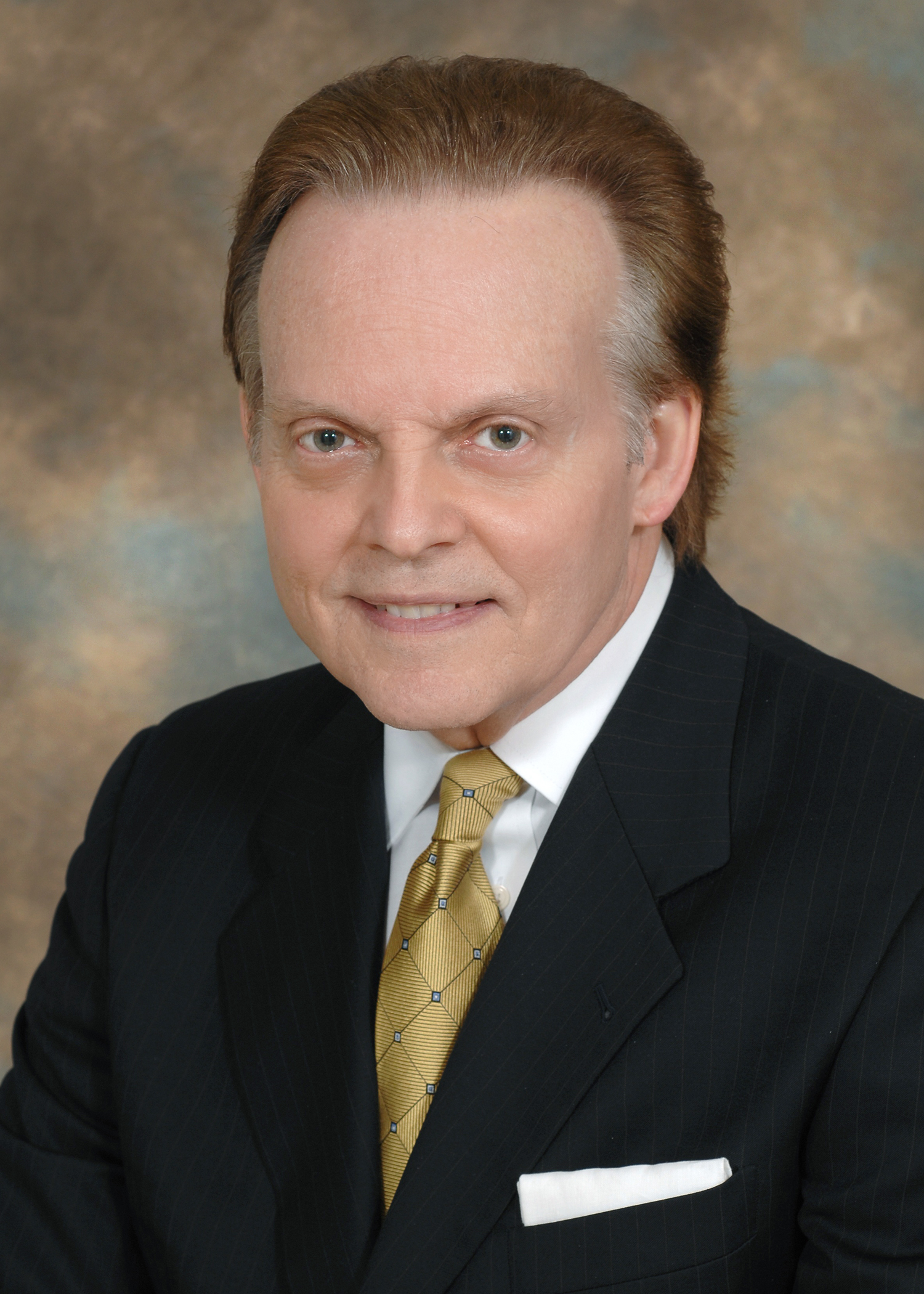
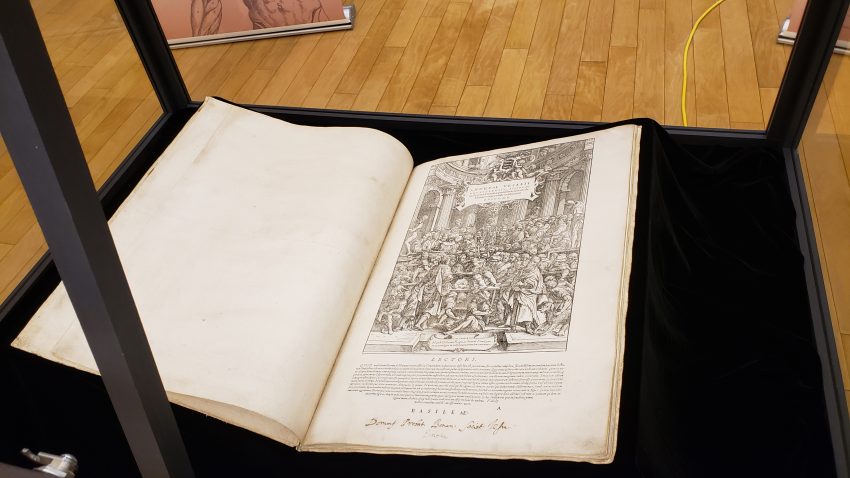
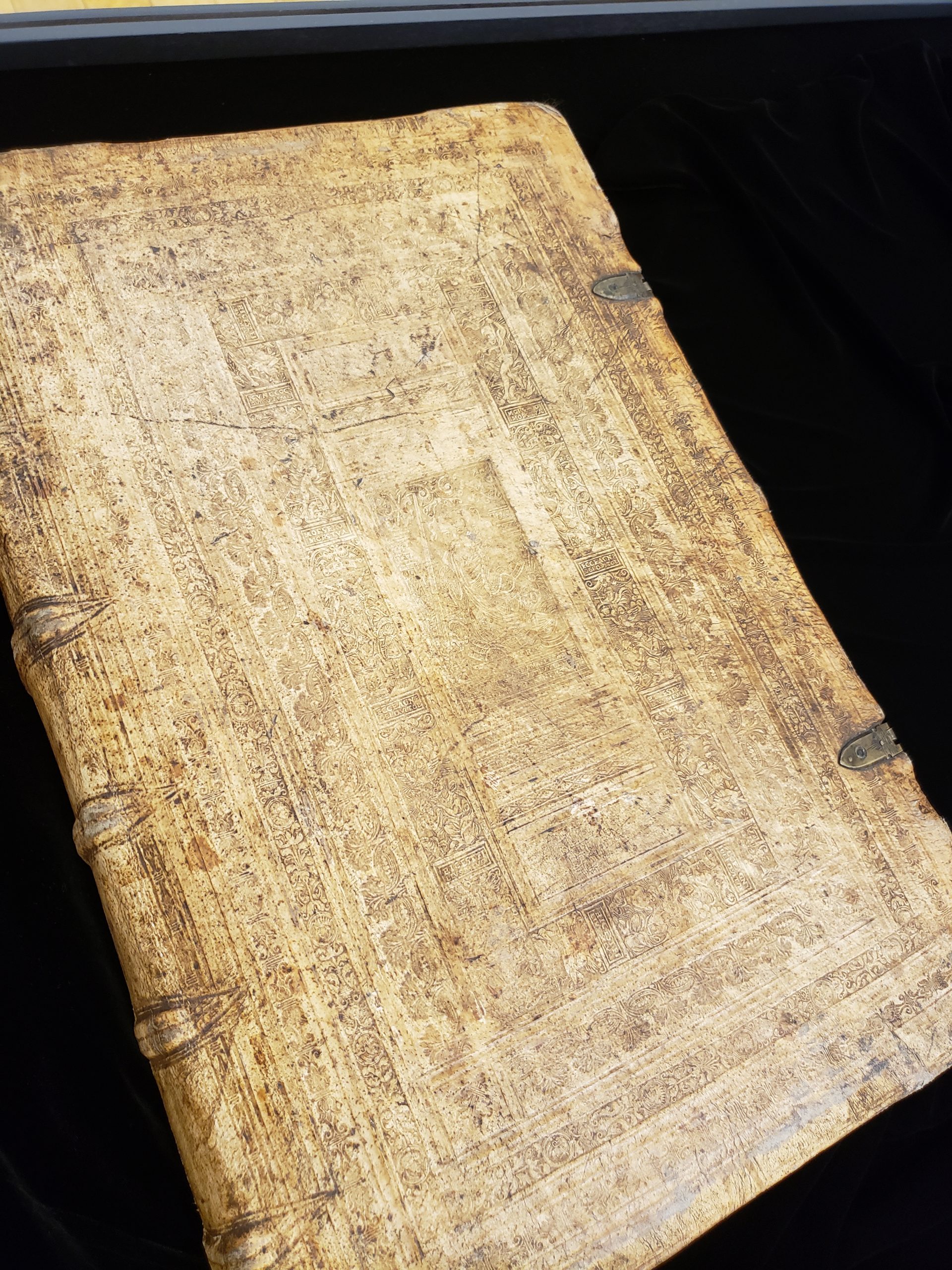 The Henry R. Winkler Center for the History of the Health Professions invites you, as part of its Illustrated Human: The Impact of Andreas Vesalius lecture and exhibit series, to register for an up-close-personal look at Vesalius’s 1543 and 1555 editions of De humani corporis fabrica (“On the Fabric of the Human Body in Seven Books”). “Fabrica” was the most extensive and accurate description of the human body of its time. Most likely drawn by Vesalius colleague Jan Stephan a Calcar and Italian artist Titian, “Fabrica” is widely known for its illustrations, where skeletons and bodies with exposed muscular structures pose in scenic, pastoral settings.