

When people think of the energy industry, they often picture heavy industrial equipment – pipelines criss-crossing prairies, oil rigs along coastlines, or earthmovers pushing mountaintop overburden into valleys below. But what about the invisible equipment? How do we visualize the caverns that store nuclear energy production waste? How do we know where the underground piping is that connects us to the grid? How can we tell when there are wells nearby?
We cannot see invisible infrastructure, and even visible infrastructure blends into the background of our daily lives. But we can see the outlines of all infrastructure by inspecting the records associated with it. Some recordkeeping associated with the energy industry’s infrastructure is available to the public – permits that must be filed with state and federal agencies, for example. Other recordkeeping conducted for internal corporate administration is considered private business information. Some business information may be shared with the public if an energy company is a public company, but other forms of information may be proprietary.
One of the fastest growing sectors of domestic energy production is hydraulic fracturing of shale formations, better known as fracking. Ohio is located in a major shale formation and is the 7th largest producer of natural gas. According to the Energy Information Agency, “[t]he Utica Shale has contributed to the rapid increase in natural gas production in Ohio, which was almost 19 times greater in 2016 than 2011.” Ohio’s neighbors of West Virginia and Pennsylvania are part of the Utica and Marcellus Shale formations, and also rank highly for natural gas production (Pennsylvania is the #2 domestic producer, West Virginia is #8).
Most oil and gas activities are regulated at the state-level, and therefore different states have varying regulations around fracking. As a result, the impacts from fracking are experienced differently depending on where you live. Since there is a different regulatory landscape from state to state, this means that the information and records concerning fracking vary across state lines. To put it another way, this means that the public has different levels of information about fracking depending on where it’s carried out.
An illuminating example can be found with disclosure of chemicals used for hydraulic fracturing. Many states use the registry FracFocus for chemical disclosure. However, a recent study of FracFocus showed that 92% of submitted chemical disclosures for wells “withheld at least one ingredient record” by classifying it as a trade secret, confidential or proprietary business information (Konschnik and Dayalu, 2016, p. 508).
This issue will almost certainly continue to be of regional importance for both industry and concerned citizens. Ohio and Pennsylvania increased their production of natural gas more than any other states between 2015-2016, and the Energy Information Agency “projects that natural gas production will increase in both 2017 and 2018 as natural gas prices rise.” As the federal government and many states continue to embrace domestic fossil-fuel production over renewable energy, this is a topic that deserves our attention.
 UC Libraries will be closed Thursday, November 23 and Friday, November 24 for Thanksgiving, with the exception of the

 UC Libraries will be closed Friday, November 10 in observance of Veterans’ Day, except for the
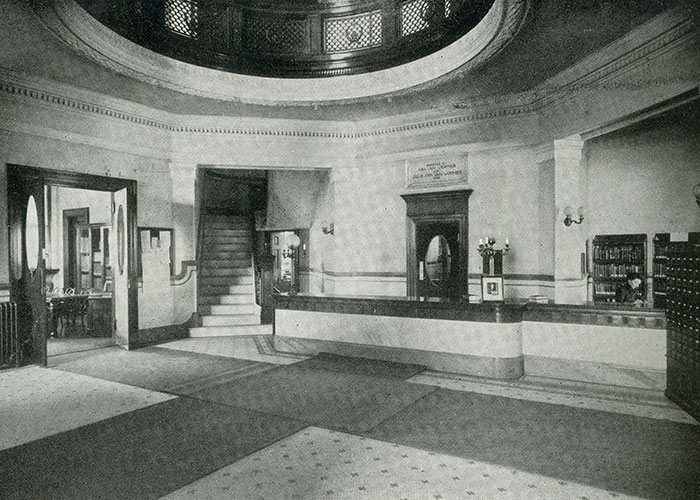
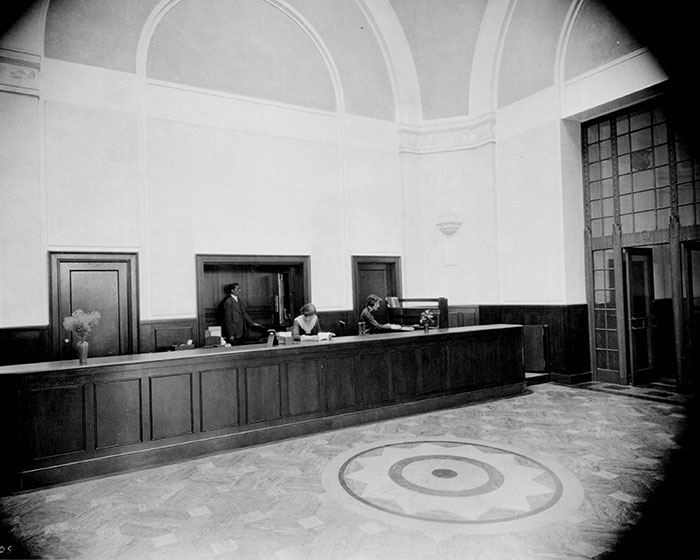
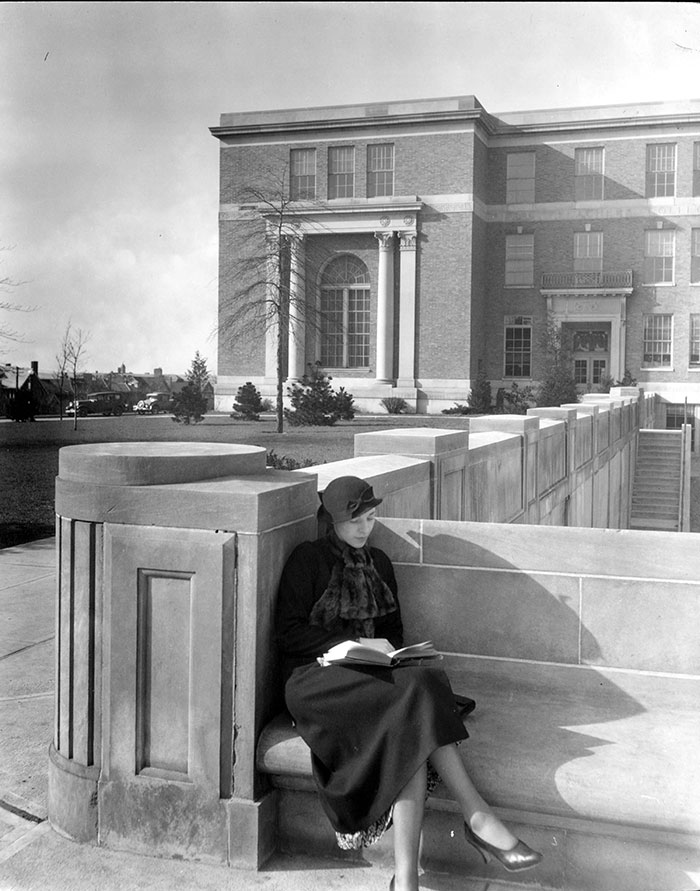
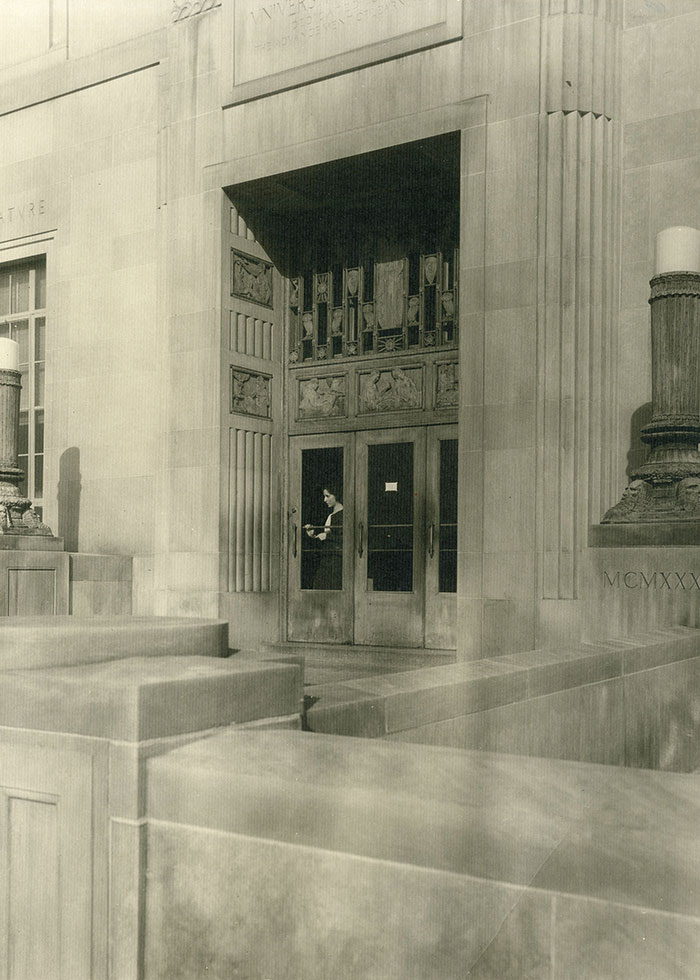
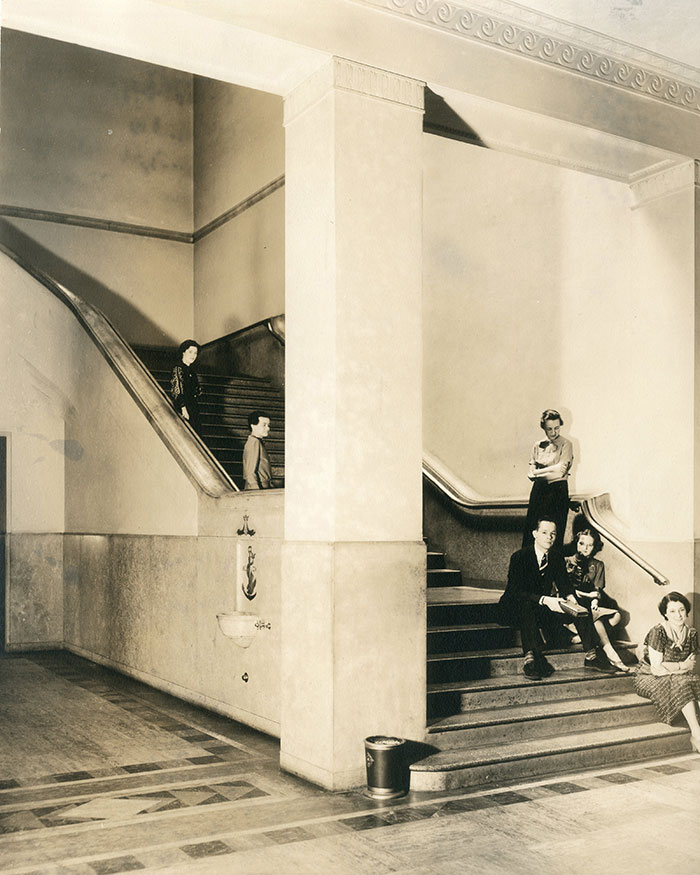
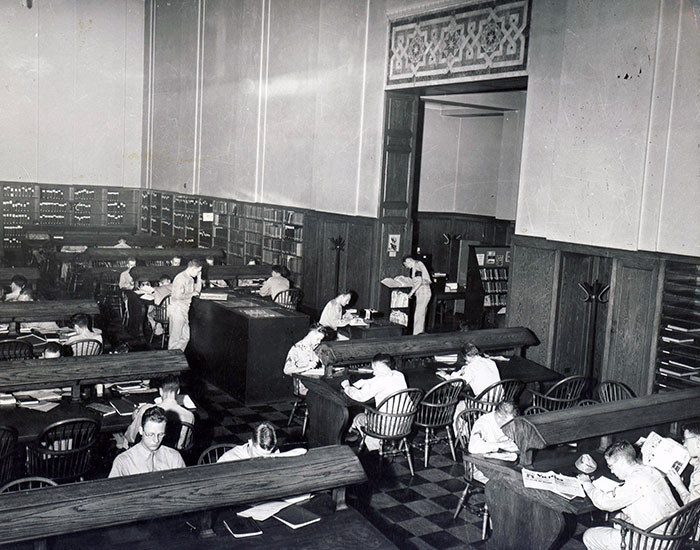
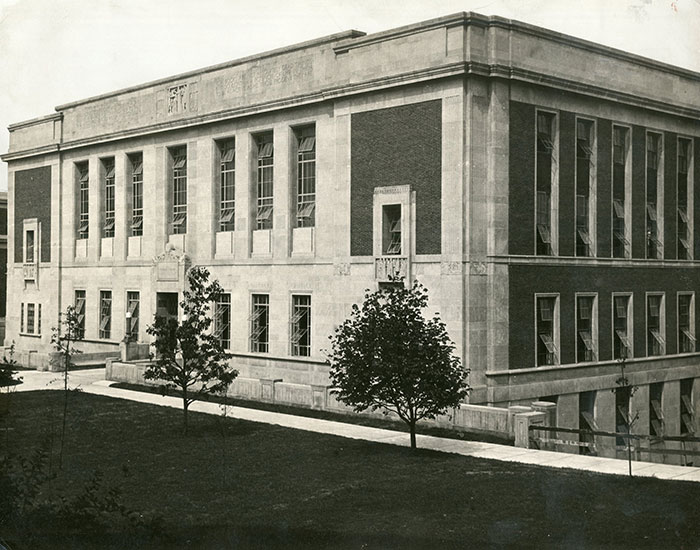
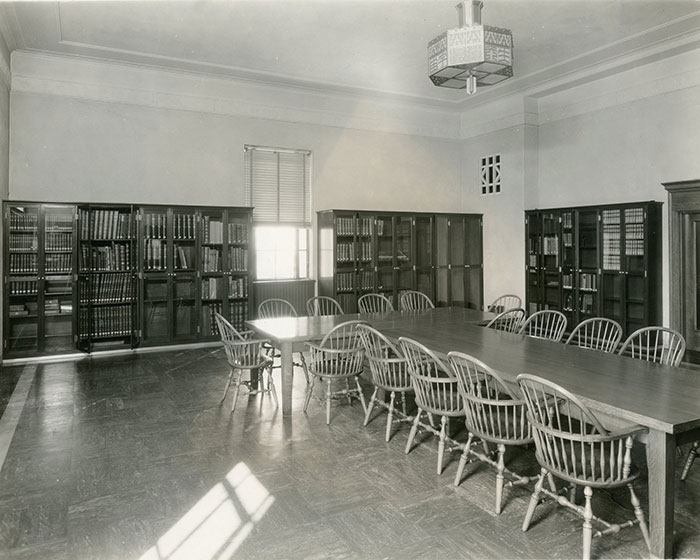
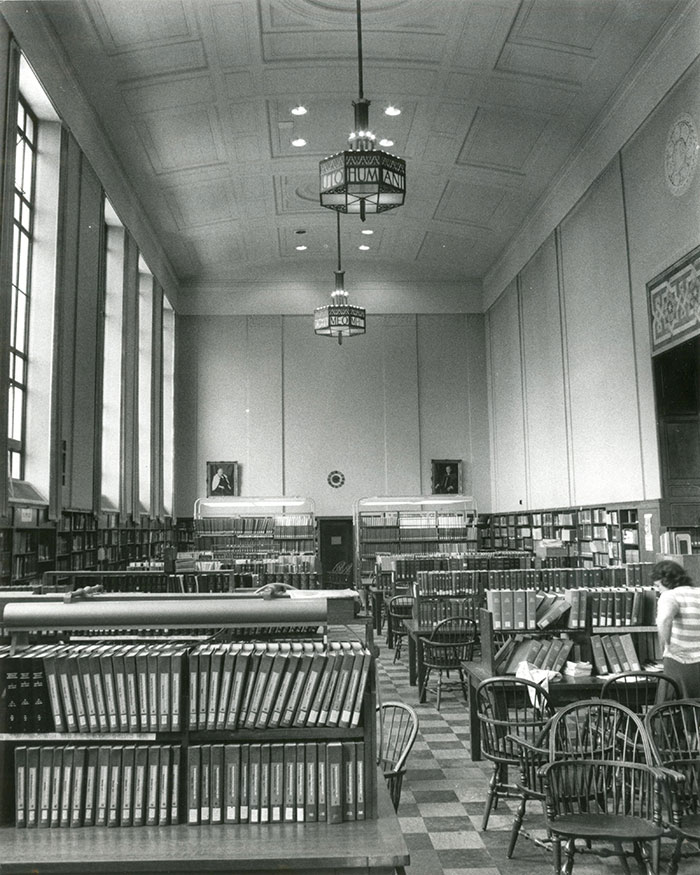
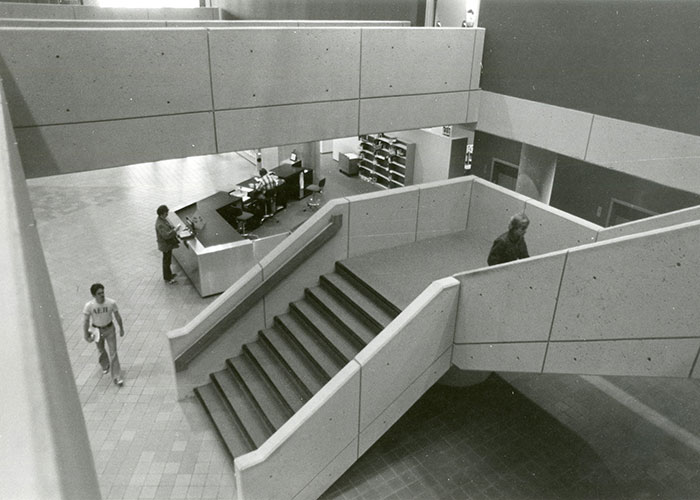
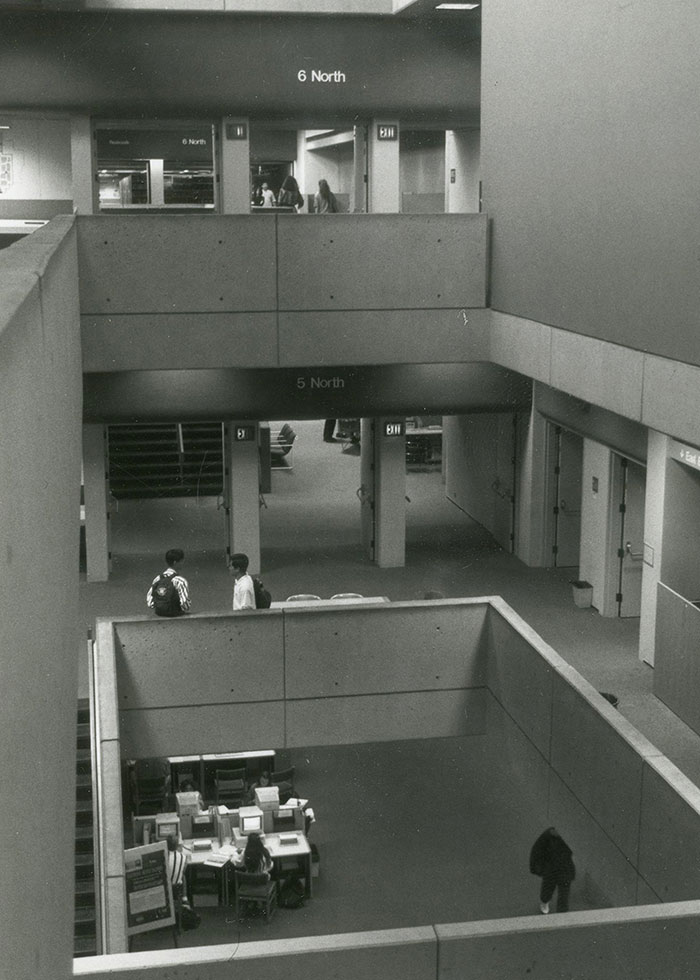
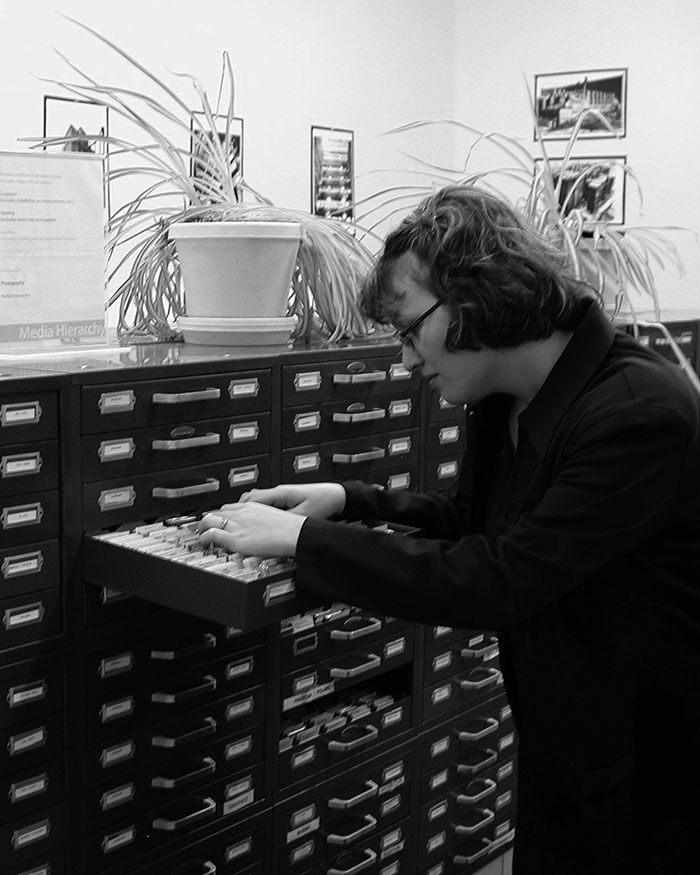
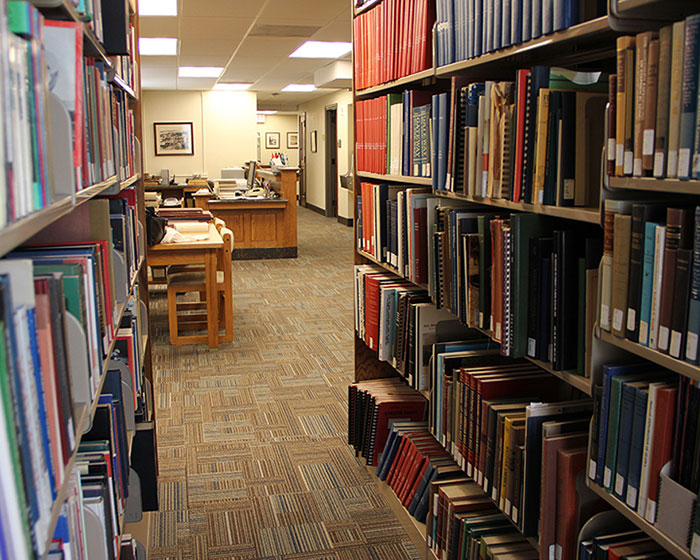
 How do you determine the starting date of the University of Cincinnati Libraries when from the university’s founding in 1819, books played an important part in the education of students?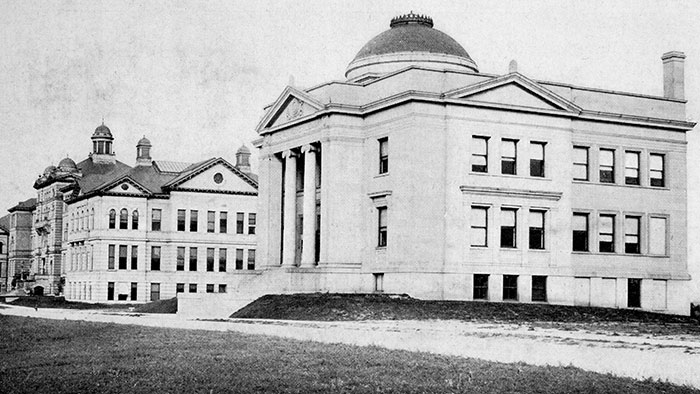






 Life of the Mind, interdisciplinary conversations with UC faculty, will return Tuesday, Nov. 14, 3-5pm, in Annie Laws (407 Teachers/Dyer) with a lecture by Jeffrey Blevins, associate professor and chair of the department of journalism in the College of Arts and Sciences. Professor Blevins will speak on “Manufacturing Truth: The Political Economy of Fake News, Bots and Double-Speak.”