
Medical illustration and the American Civil War

In past cultures the comprehension of human anatomy through dissection was hindered by taboo societal norms. Such analysis of the body was illicit due to the conception that our physical-selves sheltered the soul which made dissection sacrilegious, therefore forbidden. This world-view endured in European-based societies through the 1800s.

Galen of Pergamon 129 c. – 216 CE, scholar of human anatomy and medical illustrator of animals.

Roman law is credited with this outlawed dissection dynamic. Galen of Pergamon (129 c. – 216 CE) molded the field of medical illustration for over a millennium. It was against Roman law to dissect human bodies, which led Galen to consign his study and anatomical illustrations to the animal kingdom. Among the animals he studied, Galen dissected apes, pigs, dogs, and oxen. With the lack of human subjects, Galen propagated inaccurate illustrations about our bodies.
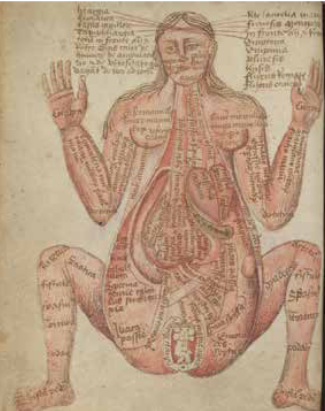
Pseudo-Galenus, Anatomia, England, midddle15th century, Wellcome Library, London.
Continue reading →

Illustrating War: Announcing the Daniel S. Young Archives of Medical Illustrations digital collection

Medical illustrations and drawings are a reflection of the state of medical practice at a specific moment in time providing a visual record of science, technology, and anatomical knowledge. 

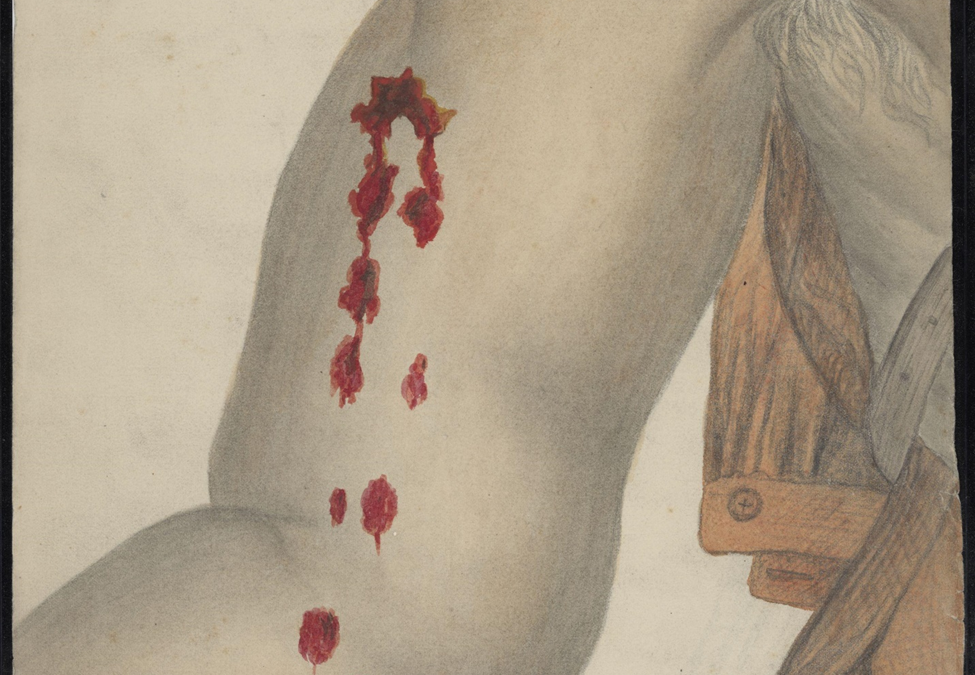
The artwork of Daniel S. Young highlights the artistic and medical contributions of an American Civil War era medical illustrator in a military context. Daniel S. Young: American Civil War Medical Illustrations on JSTOR. His artistry paints a portrayal of how medical illustration informed medical professionals during the 19th century. Young’s Civil War medical illustrations were crucial in educating doctors on surgical procedures and about previously unseen wounds. While medical illustrations such as Dr. Daniel Young’s served to educate doctors they were also important in aiding veterans in their pension claims and showing how the war impacted the soldiers’ health.

Cuts along the upper arm and elbow. Stone's River, Tennessee.
Cuts along the upper arm and elbow. Stone’s River, Tennessee.
Continue reading →