
Medical illustration and the American Civil War

In past cultures the comprehension of human anatomy through dissection was hindered by taboo societal norms. Such analysis of the body was illicit due to the conception that our physical-selves sheltered the soul which made dissection sacrilegious, therefore forbidden. This world-view endured in European-based societies through the 1800s.
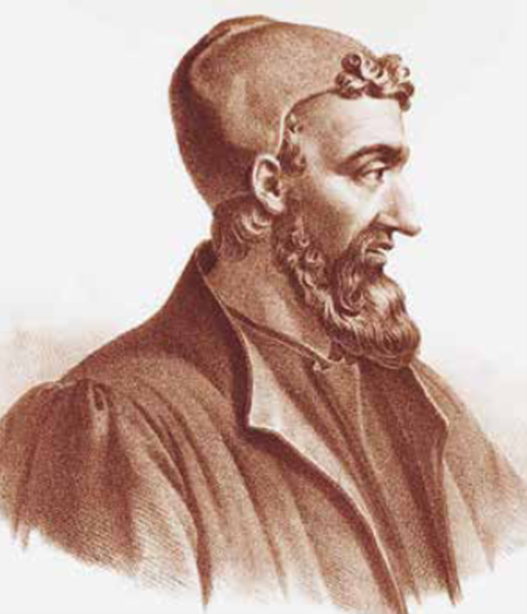
Galen of Pergamon 129 c. – 216 CE, scholar of human anatomy and medical illustrator of animals.

Roman law is credited with this outlawed dissection dynamic. Galen of Pergamon (129 c. – 216 CE) molded the field of medical illustration for over a millennium. It was against Roman law to dissect human bodies, which led Galen to consign his study and anatomical illustrations to the animal kingdom. Among the animals he studied, Galen dissected apes, pigs, dogs, and oxen. With the lack of human subjects, Galen propagated inaccurate illustrations about our bodies.
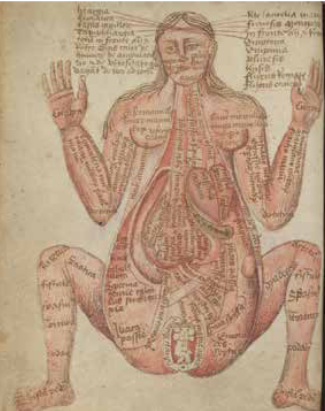
Pseudo-Galenus, Anatomia, England, midddle15th century, Wellcome Library, London.
Continue reading →

Covington, Kentucky “X-RAY CITY”

In the early 20th century the excellence of the Bar-Ray Products Company and the Kelley-Koett Manufacturing Company gave Covington, Kentucky the distinction as “X-Ray City”. While they were independent enterprises, these two Covington-based companies were instrumental in their influence on early radiology science, medical imaging, and the manufacture of radiation protective equipment.

Bar-Ray Products X-ray Stitching Stand, circa 1940s and Kelley-Koett Manufacturing Company X-ray machine, circa 1920 on display at the Henry R. Winkler Center for the History of the Health Professions.
Bar-Ray Products Company X-ray Stitching Stand, circa 1940s and Kelley-Koett Manufacturing Company X-ray machine, circa 1920 on display at the Henry R. Winkler Center for the History of the Health Professions.

The Henry R. Winkler Center for the History of the Health Professions installed an exhibit of a Bar-Ray Products Company X-Ray Stitching Stand (circa 1940s) and a Kelley-Koett Manufacturing Company X-Ray Machine (circa 1920). The radiology equipment was utilized at the Cincinnati General Hospital. The X-Ray Stitching Stand was accessioned with an attached document of operator instructions.

Continue reading →