 Juneteenth, a combination of June and nineteenth, commemorates June 19, 1865 when federal troops, led by General Gordon Granger, arrived in Galveston, Texas, and read General Order Number 3, freeing the quarter million enslaved people in Texas. This was two years after President Lincoln signed the Emancipation Proclamation; however his edict could not be implemented in places still under Confederate control. This day came to be celebrated as Juneteenth.
Juneteenth is the oldest celebration of the ending of slavery in the University States. African American people have been commemorating it since 1865 with picnics, BBQs, church services and with some people traveling to Galveston to mark the day. In June 2021, President Biden proclaimed Juneteenth a federal holiday called Juneteenth Day of Observance. The University of Cincinnati, and UC Libraries, observes this holiday, and will be closed on Monday, June 20, 2022 in its honor.
To learn more about Juneteenth, check out these sources:
UC Libraries Resources
The following is a short list of items located in UC Libraries about Juneteenth. There are many more books, articles, videos, etc. that can be searched through the Articles tab on the Libraries’ homepage.
- “On Juneteenth” by Annette Gordon-Reed. Located in the Walter C. Langsam Library, call number: E185.93.T4 G67 2021
- “Juneteenth : the story behind the celebration” by Edward T. Cotham, Jr. Located in the Walter C. Langsam Library Cohen Collection (on the white shelves in the front of the library), call number: E185.93.T4 C684 2021
- “Juneteenth!: celebrating freedom in Texas“ by Anna Pearl Barrett.
- “Juneteenth: fact sheet“ by Molly Higgins. Congressional Research Service –
General Resources:


 .
.

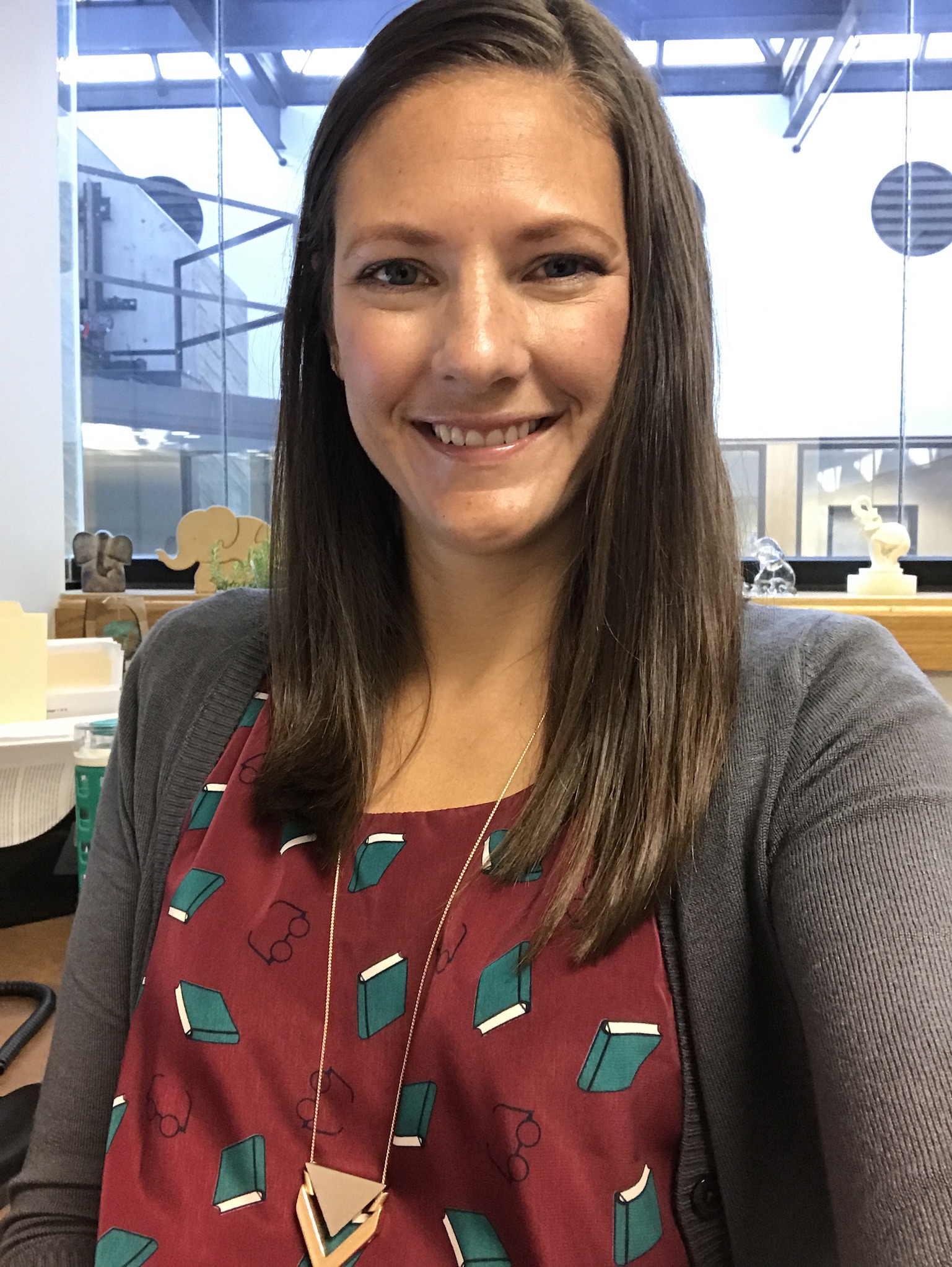 Lynn C. Warner joined the University of Cincinnati Libraries May 31, 2022 as the new research and health sciences librarian in the Donald C. Harrison Health Sciences Library. Lynn comes to UC from Northern Kentucky University where she was the teaching and learning librarian at the Steely Library. While Lynn will primarily support the programs at the College of Nursing, she will also be available to work with all UC health sciences faculty, staff and students.