The Visual Power of American Civil War Correspondence: Looking through the lens of the Benjamin L. Askue, Jr. Civil War Letters

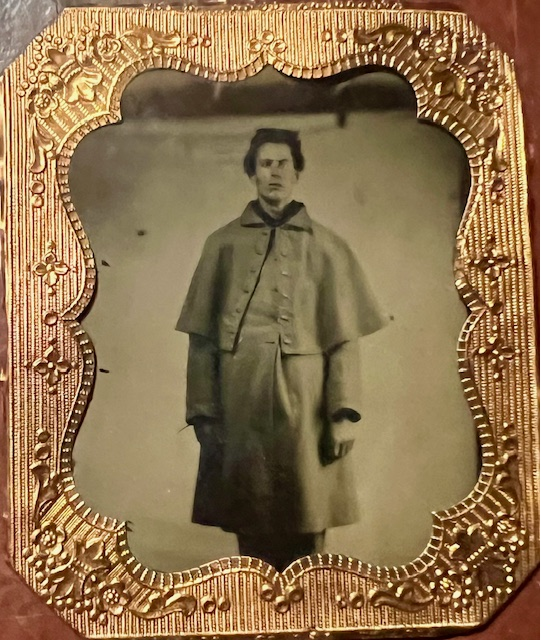
benjamin l. askue, jr. during the American Civil Way, circa 1860s
Benjamin L. Askue, Jr. during the American Civil War, circa 1860s

Frontline accounts of military conflicts provide a glimpse into the world of the war. The historical record reflects numerous descriptions of soldier’s and military doctor’s accounts of the bloodiest war ever engaged on American soil – the Civil War. The Henry R. Winkler Center for the History of the Health Professions announces the launch of the narratives of the 23rd Regiment Ohio Volunteers Infantry doctor, the Benjamin L. Askue, Jr. Civil War Letters Benjamin L. Askue, Jr. Civil War Letters on JSTOR.

Askue was born in November 1833 to Benjamin and Rowena Cordelia Askue in Ashtabula, Ohio. In 1853, he married his cousin Flavia Pritchard. The letters he wrote to Flavia during the American Civil War demonstrate that they had a happy marriage. The couple had five children together.

During the 19th century and early 20th century, physicians often received their training through apprenticeships. Askue followed this path becoming a homeopathic doctor. In 1861 he joined the 23rd Regiment Ohio Volunteers Infantry, Company B in the Union Army. Askue served as a cook, nurse, hospital steward, and in the 23rd Regiment’s infantry. He left the Union Army In July 1865. Askue returned to Ashtabula to farm and practice homeopathic medicine. He died in 1906.

Askue’s archives and artifacts were donated to the Winkler Center. While his archives hold numerous documents and artifacts, the highlight of the collection consists of letters written to Flavia beginning in June 1861 and concluding in July 1865. He described the 23rd Regiment’s travels, battles, camp life, politics, family in Ashtabula, Ohio and Askue engaged in philosophical analysis of the era.
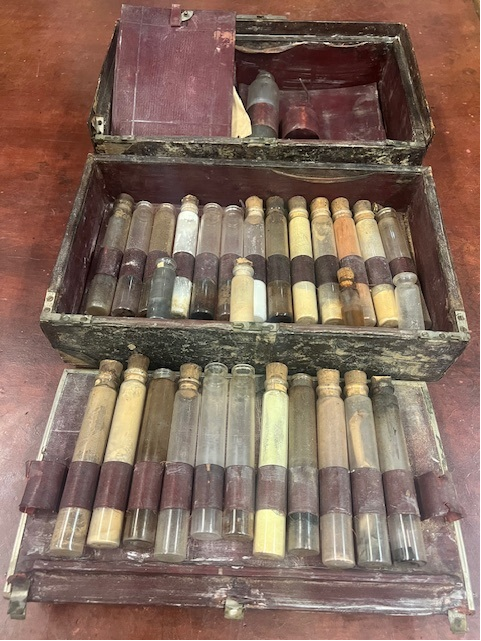
mid-19th century doctor's traveling medicine kit
Mid-19th century doctor’s traveling medicine kit
Continue reading

More than just bread tins: John Day Caldwell papers shed light on Ohio Valley history

The Archives and Rare Books library is excited to announce that the John Day Caldwell papers (UA-81-22) have been processed, and a finding aid has been completed. The collection contains a wealth of documents dating from 1782 to 1902 that provide a detailed look into the settlement and early history of Cincinnati, as well as Ohio state history. 

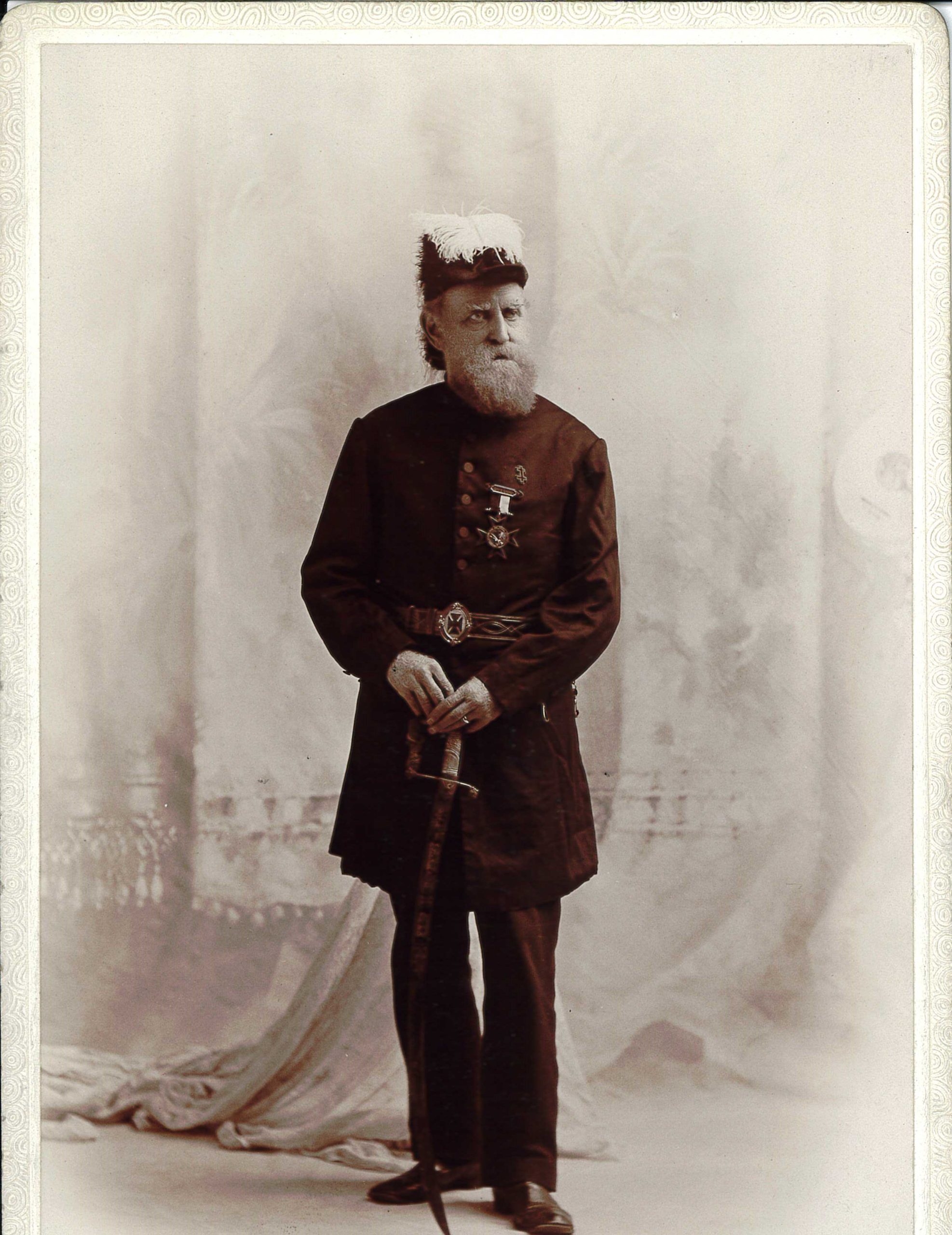
Photograph of John D. Caldwell standing in his masonic uniform and hat.
John D. Caldwell in his regalia, undated.

John Day Caldwell (1816-1902) worked in numerous roles in Cincinnati, including as a transportation agent, newspaper editor, librarian, city commissioner and Cincinnati Board of Education clerk. During the Civil War, Caldwell assisted in establishing the Cincinnati Home Guards, a civilian group of men who protected and patrolled the city. 

His papers, originally stored in metal bread tins by Caldwell, were received as part of the Ohio Mechanics Institute records back in the 1970s. A card catalog was created for the collection, and the papers were rehoused into archival boxes following their receipt. However, archivists at ARB have reprocessed the collection for better organization and have created a corresponding finding aid that can be accessed online

Continue reading

Illustrating War: Announcing the Daniel S. Young Archives of Medical Illustrations digital collection

Medical illustrations and drawings are a reflection of the state of medical practice at a specific moment in time providing a visual record of science, technology, and anatomical knowledge. 

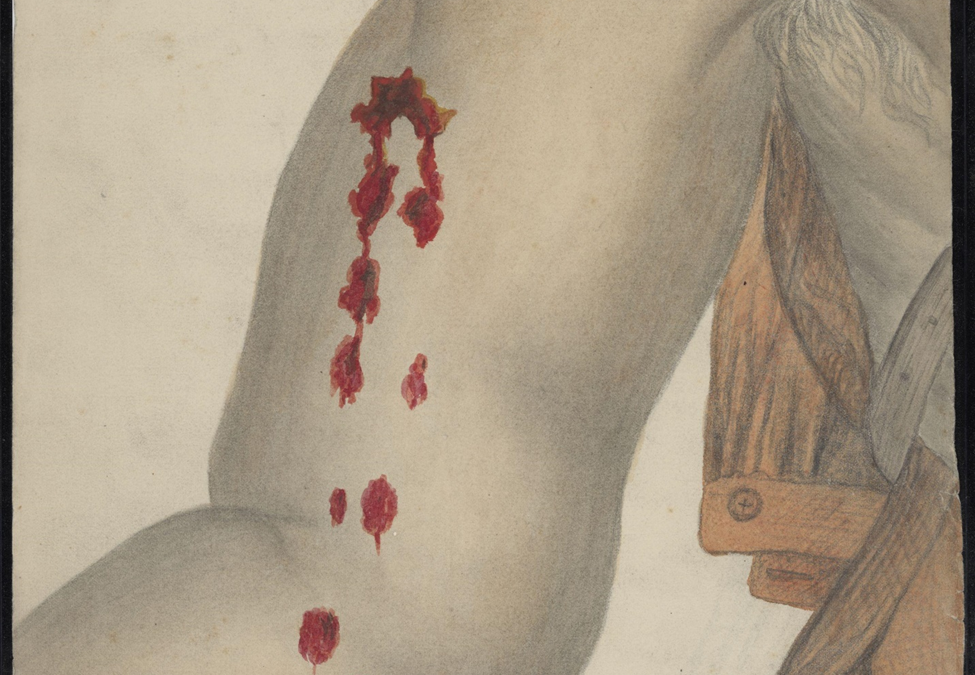
The artwork of Daniel S. Young highlights the artistic and medical contributions of an American Civil War era medical illustrator in a military context. Daniel S. Young: American Civil War Medical Illustrations on JSTOR. His artistry paints a portrayal of how medical illustration informed medical professionals during the 19th century. Young’s Civil War medical illustrations were crucial in educating doctors on surgical procedures and about previously unseen wounds. While medical illustrations such as Dr. Daniel Young’s served to educate doctors they were also important in aiding veterans in their pension claims and showing how the war impacted the soldiers’ health.

Cuts along the upper arm and elbow. Stone's River, Tennessee.
Cuts along the upper arm and elbow. Stone’s River, Tennessee.
Continue reading