UC Libraries will be closed Friday, June 19, in observance of Juneteenth. Regular hours will resume on Monday, June 22. We hope everyone has a safe and relaxing holiday.


UC Libraries has reduced operating hours in most locations beginning summer semester and continuing throughout the upcoming academic year. To minimize the impact on library users, reductions are primarily during evening and weekend hours when in-person usage is at its lowest. Digital library services, including Chat Reference, online resources and access to the library catalog will remain available 24/7.
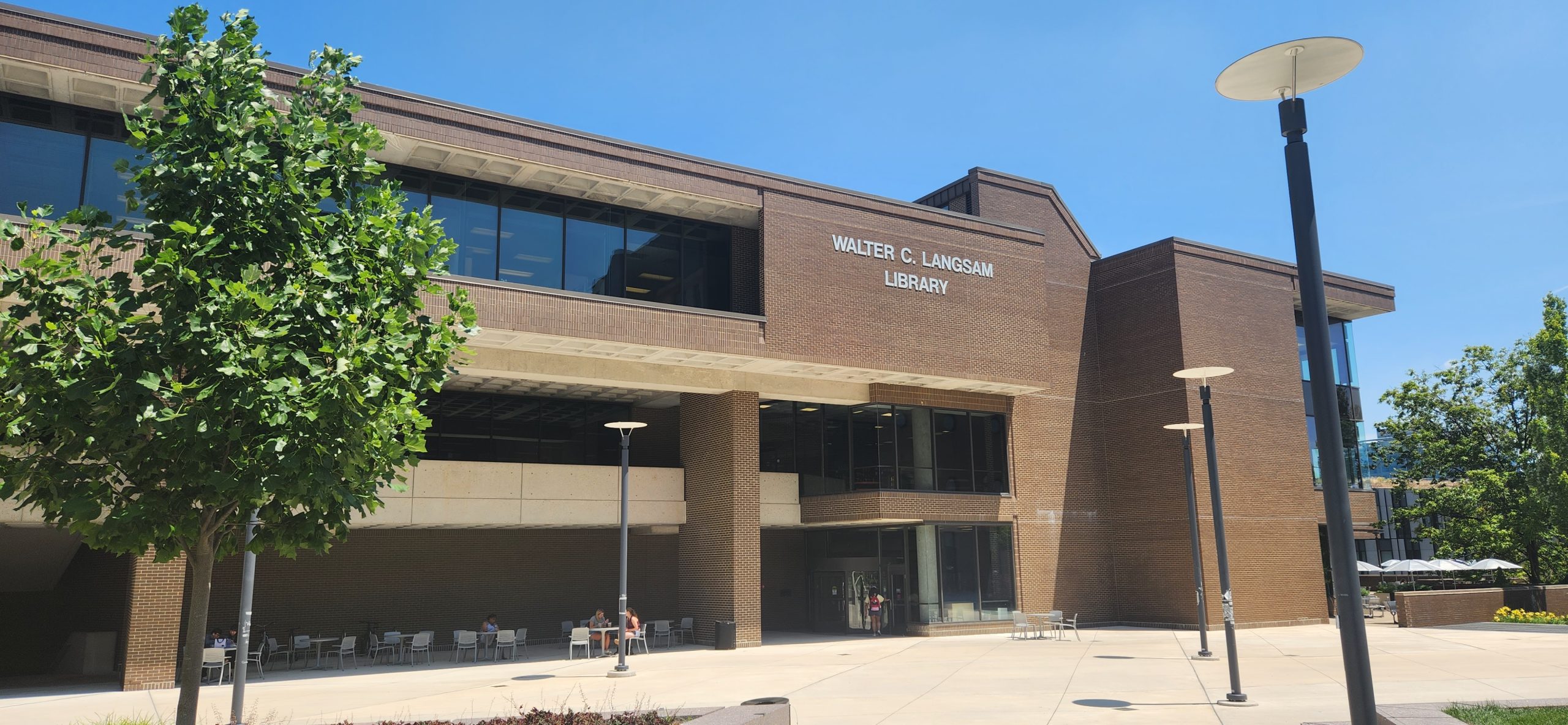
These changes are the result of a reduction to the UC Libraries operating budget and are informed by foot traffic and usage patterns. The budget reduction required eliminating contracted security services and student employee positions, which are necessary to keep the libraries open extended hours. When determining how to adjust operating hours, the Libraries reviewed usage statistics and prioritized retaining currently employed student employees.
We recognize that reduced hours will impact users and are committed to maintaining access to services and support in a digital environment. Library staff and faculty roles remain unchanged.
Each UC library location will continue to monitor usage and may adjust hours when possible, such as during high-demand periods. A list of library hours by location is posted on the Libraries web site.
Join the Henry R. Winkler Center for the History of the Health Professions and the Oesper Collections in the History of Chemistry for a Lunch & Learn about inventions that save lives. Scheduled for Monday, April 20, at noon in the Science Library’s Intersect Space (240 Braunstein Hall), Bill Heineman, distinguished research professor emeritus in chemistry, will speak on Leland Clark, Jr. – his life and legacy as a scientist and inventor.
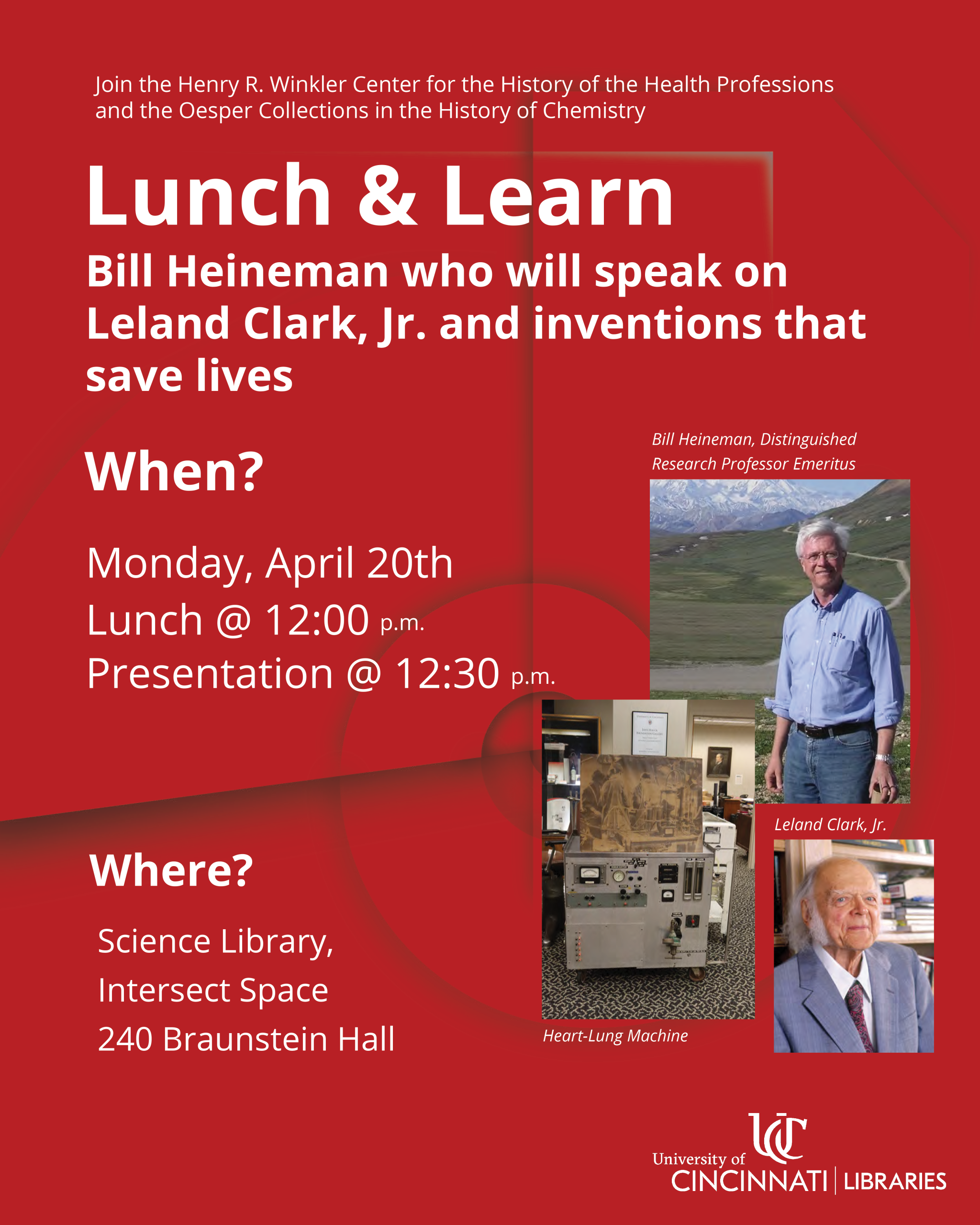
Leland Clark, Jr. has been widely acknowledged as one of the founders of biosensors. His inventions are numerous and highly impactful. He invented the first blood-oxygen sensor, glucose sensor and made fundamental progress on the heart-lung machine. He served as a professor of research pediatrics and head of the division of neurophysiology at the Cincinnati Children’s Hospital Research Foundation from 1968 until retirement in 1991.Clark’s achievements led to numerous honors, including special recognition as the “Father of Biosensors” at the 1992 World Congress on Biosensors and the National Academy of Engineering’s prestigious Fritz and Delores Russ Prize, an award that recognizes bioengineering achievement, in 2005. Heineman, accepted the Russ Prize on Leland Clark’s behalf, co-authored his obituary published in Biosensors and Bioelectronics and was a friend and colleague. Clark’s papers are housed in the Winkler R. Center History of the Health Professions.
The Lunch & Learn is open to all to attend. A pizza lunch will be provided.
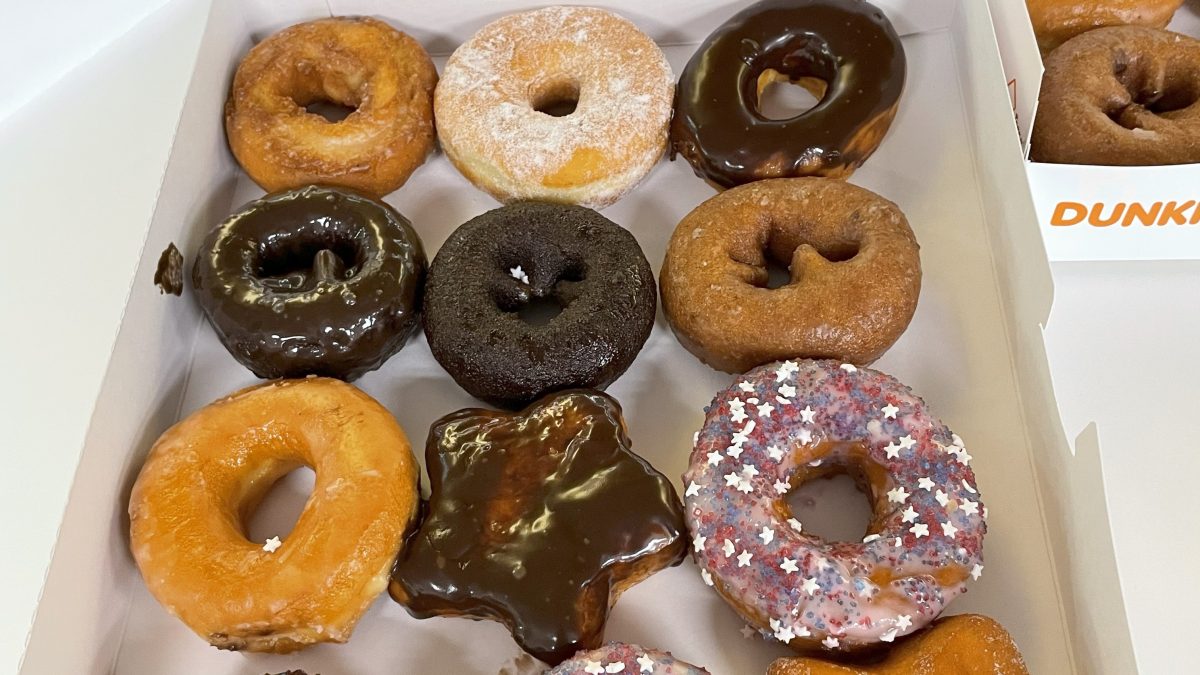
Do you have summer plans yet? We would love for you to join us in the library for research fun and skills. The 2026 Undergraduate Research Summer Learning Community is a great way to learn about research, acquire research skills and meet other undergraduates either interested in or currently doing research. This year the community will run from June 3 to July 22 and meet every Wednesday morning from 9:30 am to 11 am. The first session will include a celebratory meal and networking to kick off the 8 weeks of skills, friends and fun. Each session will be facilitated by a mentor engaged in undergraduate research support and will be offered as both in-person and virtually via zoom. In-person sessions will also have donuts and coffee. The final session will be in-person and feature an Opportunities Fair and more networking time. Attendees of at least 5 sessions will get a digital certificate of attendance which will look great on your LinkedIN profile. You can register and learn more information about the program and weekly topics by visiting the URSLC webpage. Email askdata@uc.edu for more information and if you have any questions.
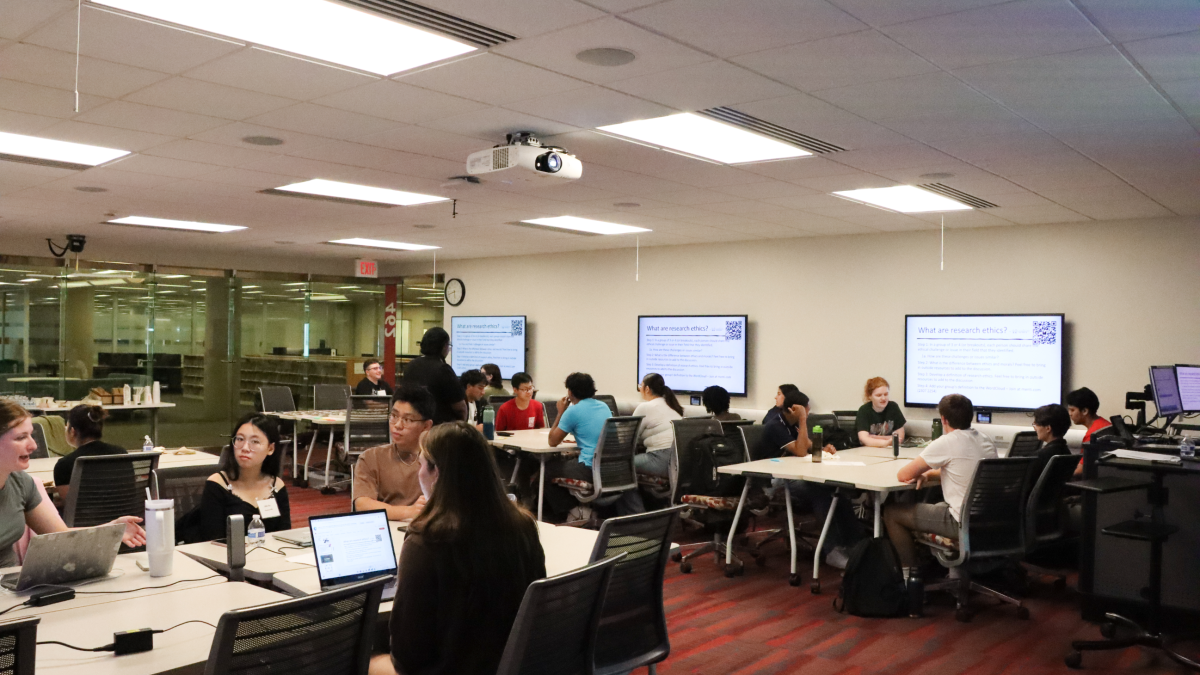
The URSLC is sponsored by UC Libraries and is offered in collaboration with the TRIO McNair Scholars, University Honors Discover program, and the CEAS Office of Professional Development & Community Impact. The program is free and open to any undergraduate (UC and beyond) interested in research.
Starting May 25, 2026 the NIH will require researchers to submit a data management and sharing plan based on updated elements. See for more details – NOT-OD-26-046.
The background for the changes as listed in the guide is “to clarify common areas of confusion in the research community while streamlining and simplifying DMS Plans. Since the DMS Policy went into effect in 2023, NIH Institutes, Centers, and Offices have evaluated over 1,100 DMS Plans and found that while the majority were acceptable either initially or after minor revisions, many included extraneous details and exceeded the recommended DMS Plan length. NIH is revising DMS Plan elements and requiring the use of the corresponding format page to aid compliance monitoring.”
If you have questions about the new format or general data management questions, email askdata@uc.edu.
Here is a comparison of the current and the updated version questions.
| 2020 version | After May 25, 2026 version |
| Data Type: briefly describe the scientific data to be managed, preserved, and shared | [100 words max] Asks for the key types of scientific data anticipated to be generated during the project to be included in a table, along with information on the repository (or an example repository) where the scientific data may be managed and shared. |
| Related Tools, Software and/or Code: specify if needed | |
| Standards: indicate what standards will be applied to the scientific data and associated metadata | |
| Data Preservation, Access, and Associated Timelines: describe what repository will be used, persistent identifiers to use, and when the data will be available. | Element 1. Answer Yes or No: Will there be maximum appropriate sharing of scientific data underlying peer-reviewed publications and other findings resulting from the work supported by this award (including preprints, refereed papers reported at conferences, and other findings)? |
| Access, Distribution, or Reuse Considerations: describe any applicable factors affecting subsequent access, distribution, or reuse of scientific data | Element 2. Answer Yes or No: Will the scientific data underlying peer-reviewed publications be shared by the time of publication or, for other findings, by the end of the period of performance, which includes no-cost extensions? Element 3. Answer Yes or No: Will shared scientific data be made available for at least as long as required by applicable data repository policies and/or journal policies? |
| New Element for 2026 – Element 4: [200 words maximum] If you answered “NO” to elements 1, 2, or 3, or if you anticipate that sharing will be limited in some other way, please describe these limitations and the ethical, legal, or technical factors for them (see for example FAQ B.5 and other relevant FAQs). Your response should specify a particular reason(s) for limiting sharing. | |
| Oversight of Data Management and Sharing: indicate how compliance with the Plan will be monitored and managed, frequency of oversight, and by whom (e.g., titles, roles). | Answer Yes or No: If scientific data derived from human research participants will be shared, will privacy, rights, and confidentiality of participants be protected as outlined in NOT-OD-22-213, including whether any scientific data will be shared using access controls? |
| New Element for 2026 – For studies subject to the NIH Genomic Data Sharing Policy (GDS) (e.g., using NIH funds to generate large-scale human genomic data): Answer Yes, No, or Not Applicable: Will you share all large-scale human genomic and associated data in a NIH-designated repository according to the accelerated timelines expected in the GDS Policy?. If “no,” address in element 4. If “no,” address in element 4. Answer Yes, No, or Not Applicable: Do you anticipate that when sharing large-scale human genomic data that you will be able to meet the expectations of the Institutional Certification in the GDS Policy (https://grants.nih.gov/grants/guide/notice-files/NOT-OD-14-124.html; IV.C.5)? If “no,” address in element 4. | |
Join UC Libraries this spring at events to celebrate newly updated spaces that foster an adaptive, accessible and productive user experience.
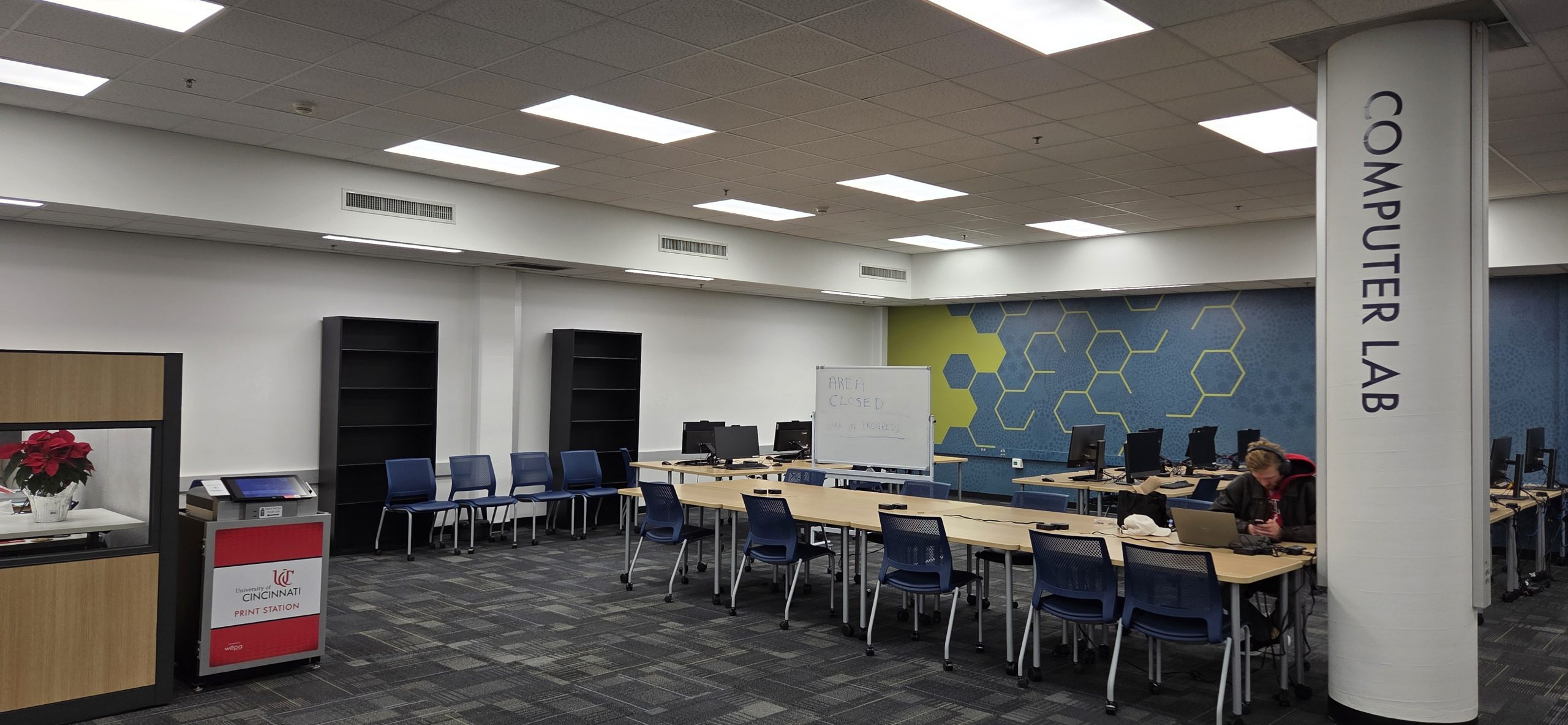
The fall semester saw the opening of a combined Science Library in Braunstein Hall. This thoughtfully transformed space creates a united hub of services, spaces, technology and specialized collections dedicated to supporting the teaching and research needs of the Natural Sciences departments within the College of Arts & Sciences. Although its collections focus on the sciences, the Science Library invites ALL to come and enjoy and make use of the revitalized space in the heart of UC’s campus.
Celebrate Our Grand Opening!
We invite you to join us on Monday, February 16 from 2:00-4:00pm for the Science Library’s Grand Opening Reception! Enjoy refreshments, learn about our new spaces and services, be inspired by our special collections displays, explore science through demonstrations and more!
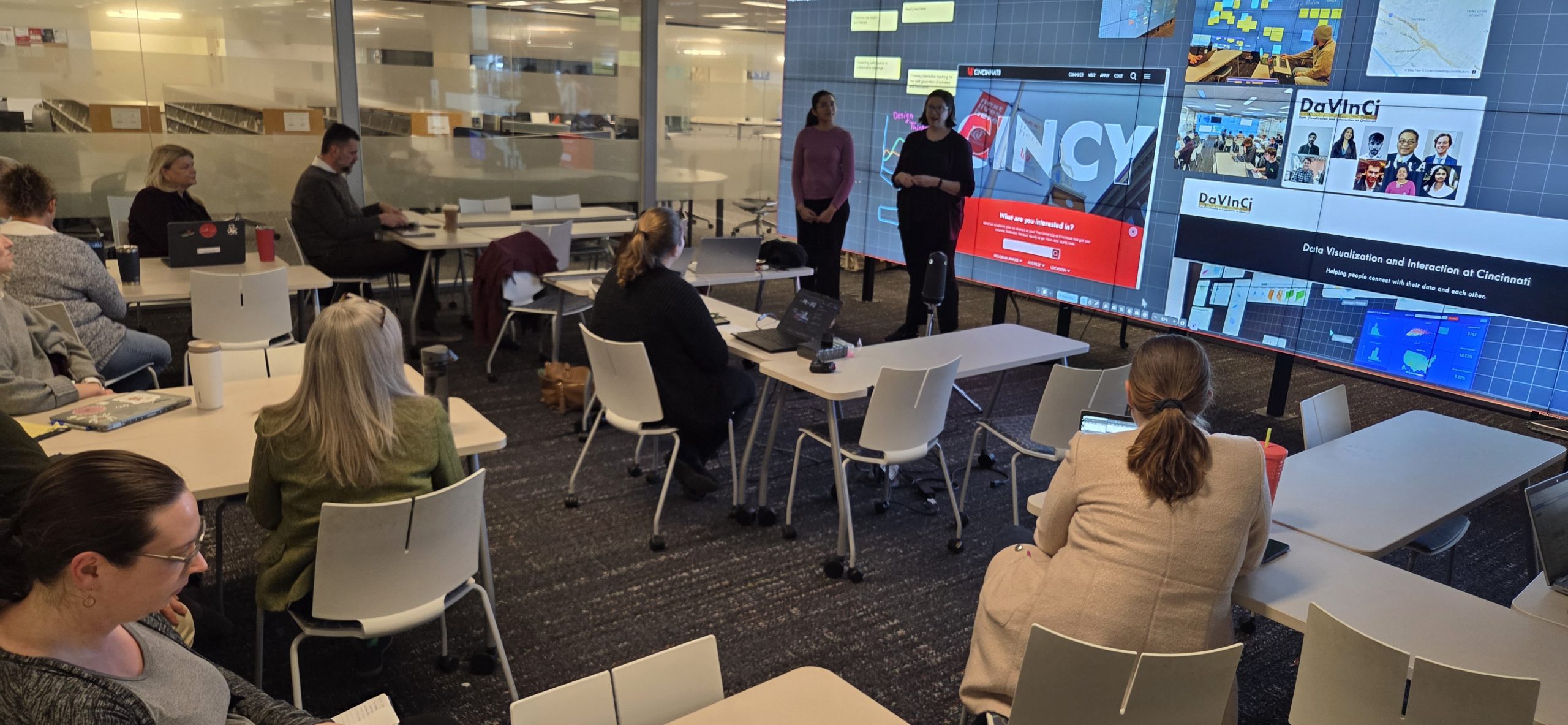
The Data Visualization and Interaction at Cincinnati (DaVInCi) team led by Jillian Aurisano, assistant professor in the Department of Electrical Engineering and Computer Science, has created a collaborative space in the library. DaVInCi@Langsam is designed to support collaboration in research and teaching at UC. It offers a large display screen and specialized software that allow everyone in the room to share content and interact. Ongoing research is exploring new ways to heighten interaction with displayed content on the expansive display.
Drop into the DaVInCi@Langsam Open House
Check out the possibilities of the collaborative space at an open house on Thursday, April 2 from 9:30-11:30am, Langsam Library’s 4th floor. Enjoy refreshments while viewing demos of the technology and learn how to reserve and use the space.
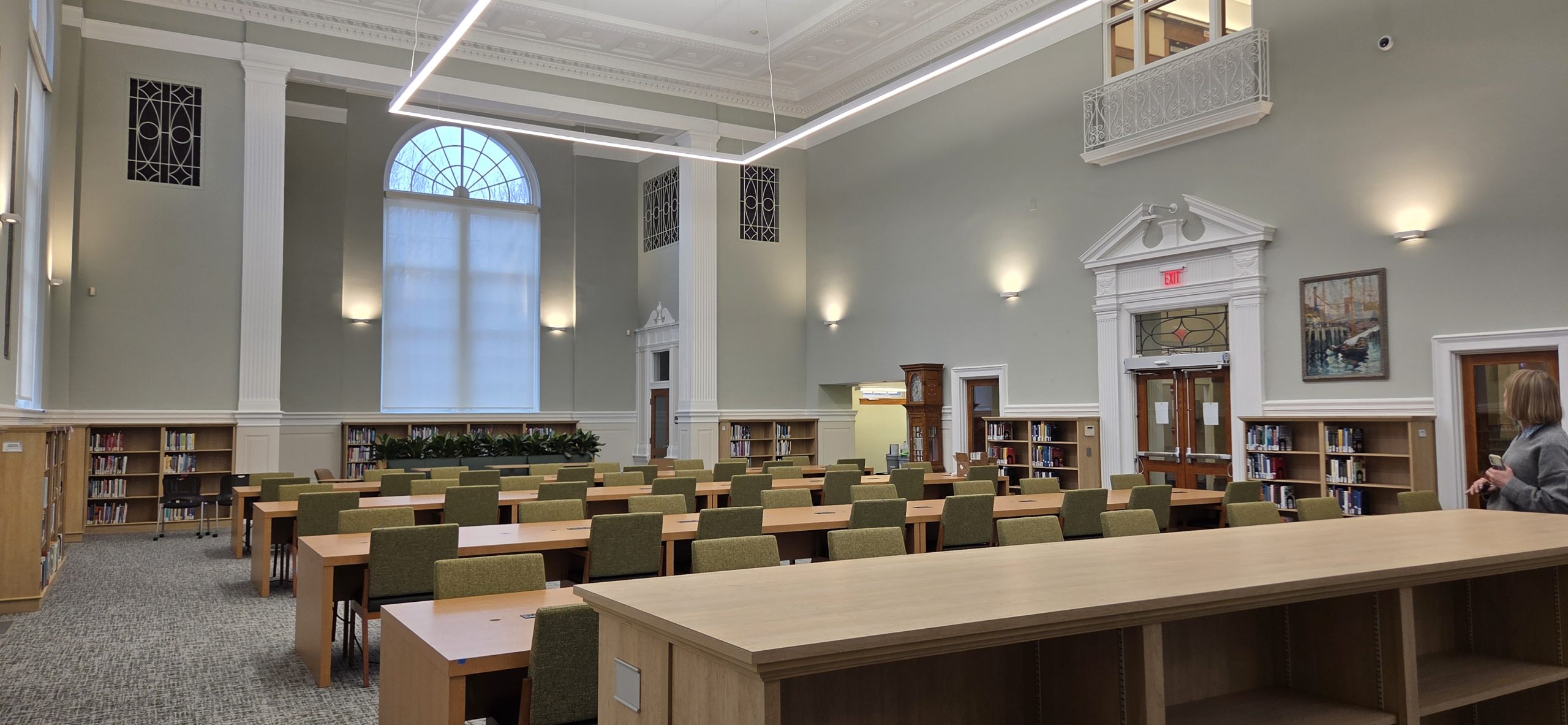
The beginning of spring semester brought with it the opening of the renovated College of Education, Criminal Justice and Human Services (CECH) Library Reading Room. Located on the 4th floor of the Teachers-Dyer Complex, and totaling more than 3,000 square feet, the reading room is accessible via the staircase in the CECH Library or directly for those with a Bearcat ID.
Bathed in natural light, the renovated reading room features flexible, soft seating arrangements in the room’s south and north ends and four large study tables with integrated lighting (coming soon) and power access. An inclusive, reservable study room (400B) features adaptive lighting and study and focus tools.
Celebrate the CECH Library Reading Room Opening
Tuesday, April 21, 2:30-4:30pm, CECH Library Reading Room, 400 Teachers-Dyer Complex. Tour the space, hear remarks from UC Libraries and CECH and enjoy the refreshed space.
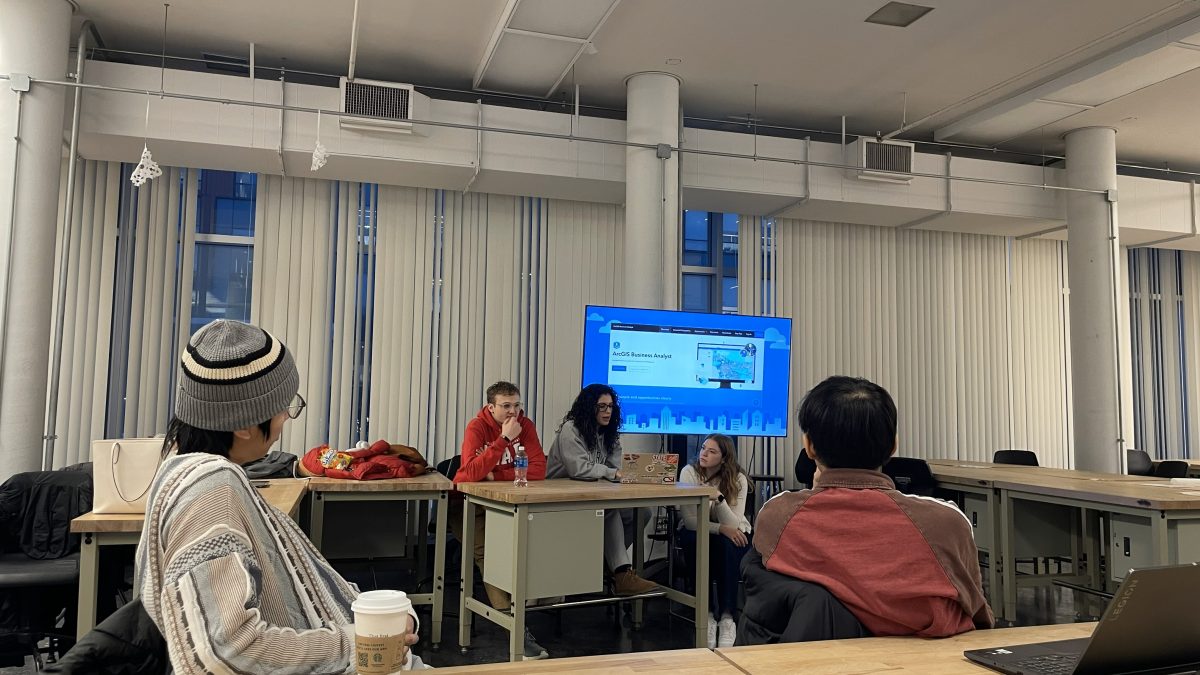
The UC Libraries GIS research consultants attended the Urbanism Club in support of the club’s Introduction to GIS session. GIS stands for Geographic Information Systems and is the process of collecting, analyzing, and managing data with spatial attributes. Fenley Jones, Kayra Koprulu, and Jaclyn Mauro were great hosts and put on an incredibly informative session that covered access to software, how to increase your knowledge base through trainings, and how they personally use different tools. It was really great to see the various ways students are using GIS resources and how the club supports students who are interested in learning more about GIS. To find out more about the club, visit their campuslink page. And the club will be offering additional GIS sessions on March 9th and April 13th.
The UC Libraries GIS services is available to help students and researchers plan GIS projects, access software, understand how create visualizations such as maps and analyze spatial data. The lab is located in 412 Langsam and is open in the spring during the following hours:
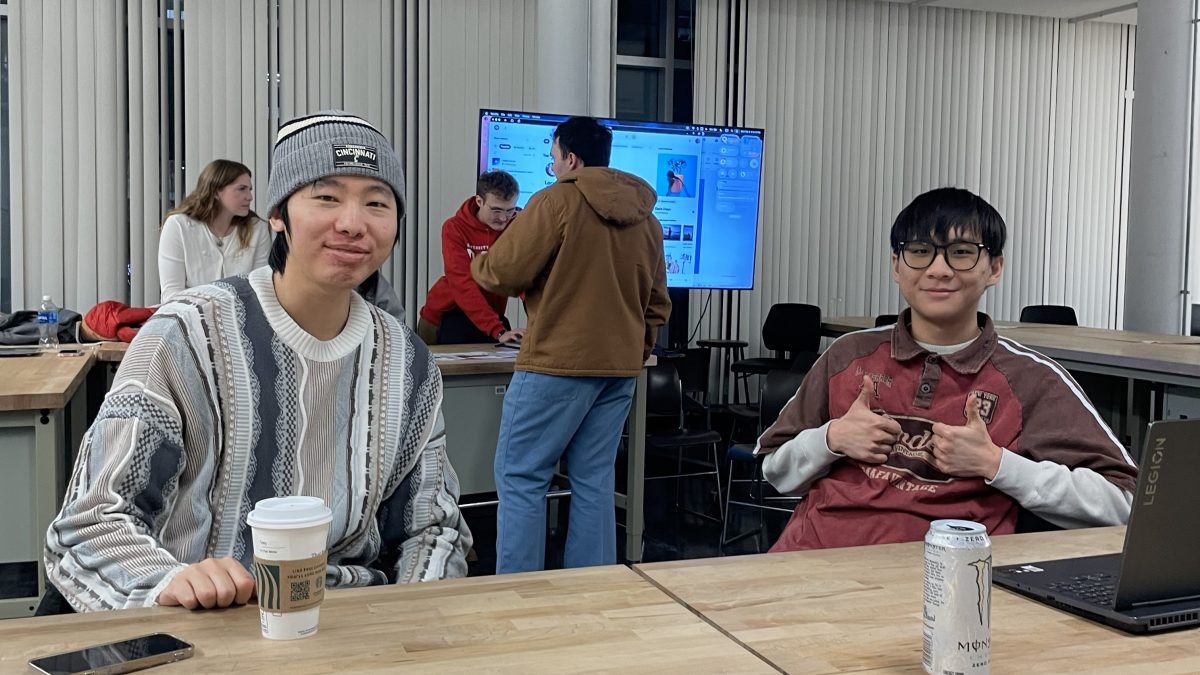
Weiye Li (Left – Phd student – Geography & GIS) and Andrew Ho (Right – Undergraduate – Planning) look forward to meeting you and learning about your GIS interests.

Read Source, the online newsletter, to learn about the news, events, people and happenings in UC Libraries.
In this issue of Source, Liz Kiscaden, dean and university librarian, writes about a new global library collaboration with the library at the University of Cape Coast in Ghana. We announce the opening of two renovated library spaces: the Science Library and the CECH Library Reading Room as we bid a fond farewell to Crosley Tower. We highlight library services in the CECH Library to improve accessibility and our expanding Evidence Synthesis group. Library collections are on display in the Chem Bio building renovation featuring the Oesper Collection and online in a new exhibit by the Archives and Rare Books Library about the Bronson v. the Cincinnati Board of Education. Spring is events season in UC Libraries, and we feature those currently on the calendar.
Read these articles, as well as past issues, on the website. To receive Source via e-mail, contact melissa.norris@uc.edu to be added to the mailing list.
During the summer and fall semesters of 2025, a significant university investment fueled the vibrant formation of a combined Science Library in Braunstein Hall. This thoughtfully transformed space creates a united hub of services, spaces, technology and specialized collections dedicated to supporting the teaching and research needs of the Natural Sciences departments within the College of Arts & Sciences. Although its collections focus on the sciences, the Science Library invites ALL to come and enjoy and make use of the revitalized space in the heart of UC’s campus.
Celebrate Our Grand Opening!
We invite you to join us on Monday, February 16 from 2:00-4:00pm for the Science Library’s Grand Opening Reception! Enjoy refreshments, learn about our new spaces and services, be inspired by our special collections displays, explore science through demonstrations and more!
The Science Library boasts a new service desk, new carpeting, expanded and improved lighting, updated stair treads and a remarkable selection of contemporary furniture. Seating capacity has greatly increased, and over 230 seats are available for individual study, computing, group collaboration and a wide range of special events. The interior design – highlighted by innovative fabrics and wall graphics – draws inspiration from scientific disciplines and the natural world, including works by Cincinnati-based artist Charley Harper. A soothing palette of blues and greens invites students and other visitors alike to experience focus and tranquility.
Continue readingAll UC Libraries locations, including Blue Ash, Clermont, Law and Health Sciences, are closed Tuesday, January 27 due to inclement weather.
See the UC alerts page for more information.
Stay safe and warm, Bearcats!