Check Out a Book at the Marcotte Library to celebrate Valentine’s Day!
Want to win some Clermont College Library swag or maybe even a Stanley Quencher? All you need to do is have a book checked out from Marcotte Library on Friday, February 13th to be automatically entered into a prize drawing.
So during Valentine’s week 2026, swing by the Marcotte Library, check out a book, and see what we have to offer. We’ll see you then!
Clermont College is celebrating Brain Awareness Week in 2026, this time the week before Spring Break!
The festivities include an art contest where you can submit brain-themed art in response to these two prompts:
Brain-y Bearcat: Illustrate how Bearcats use the power of their brains to succeed!
Beautiful Brain: Create an art image of the brain that illustrates its beautiful, inner workings.
Be sure to submit your pieces through the Google Form link during the acceptance period of February 2nd through March 5th! Online voting to determine contest winners takes place March 9th through 14th. You can see all submitted entries on the display across from the Marcotte Library’s entrance.
In addition to the contest, the Marcotte Library will have brain-themed coloring and activity pages from March 9th through 13th. We’ll also have a display of brain and neuroscience related books for you to check out throughout March. Be sure to swing by to see us!
If you would like more information on Brain Awareness Week, feel free to ask the Marcotte Library or reach out to Dr. Andrea Schultz-Duncan at schulta6@ucmail.uc.edu.
During the summer and fall semesters of 2025, a significant university investment fueled the vibrant formation of a combined Science Library in Braunstein Hall. This thoughtfully transformed space creates a united hub of services, spaces, technology and specialized collections dedicated to supporting the teaching and research needs of the Natural Sciences departments within the College of Arts & Sciences. Although its collections focus on the sciences, the Science Library invites ALL to come and enjoy and make use of the revitalized space in the heart of UC’s campus.
Celebrate Our Grand Opening! We invite you to join us on Monday, February 16 from 2:00-4:00pm for the Science Library’s Grand Opening Reception! Enjoy refreshments, learn about our new spaces and services, be inspired by our special collections displays, explore science through demonstrations and more!
The Science Library boasts a new service desk, new carpeting, expanded and improved lighting, updated stair treads and a remarkable selection of contemporary furniture. Seating capacity has greatly increased, and over 230 seats are available for individual study, computing, group collaboration and a wide range of special events. The interior design – highlighted by innovative fabrics and wall graphics – draws inspiration from scientific disciplines and the natural world, including works by Cincinnati-based artist Charley Harper. A soothing palette of blues and greens invites students and other visitors alike to experience focus and tranquility.
UC Libraries is excited to welcome Corey Ferguson as the Library Operations Supervisor of the John Miller Burnham Classics Library.
In this role, Corey will lead the various day-to-day library operations, including student supervision, service point management, and stacks maintenance. Other duties include engaging in and overseeing events, exhibits, instructional materials, collections processing, student and supplies budget management, and operational data and assessment activities.
Corey most recently was the Youth Collection Development Librarian for MidPointe Library System. In addition, she has worked at public libraries in Cincinnati, Springfield (MA), and New York. She also brings experience in various editorial and publishing roles.
The Archives and Rare Books library is excited to announce that the John Day Caldwell papers (UA-81-22) have been processed, and a finding aid has been completed. The collection contains a wealth of documents dating from 1782 to 1902 that provide a detailed look into the settlement and early history of Cincinnati, as well as Ohio state history.
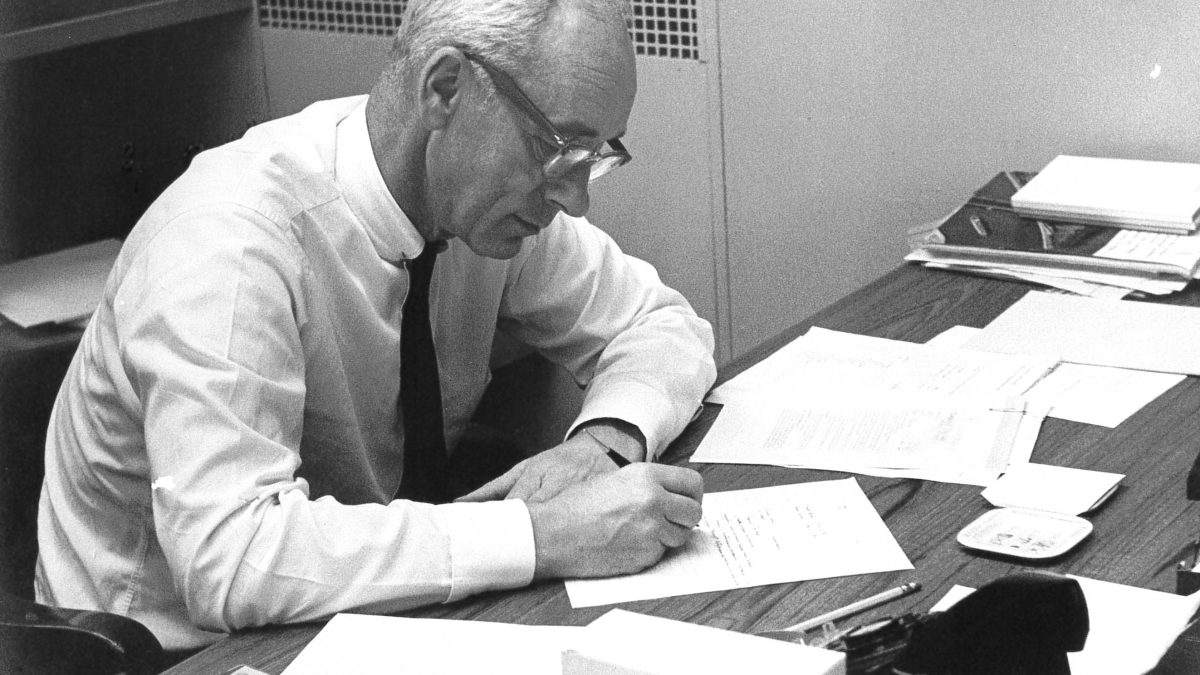
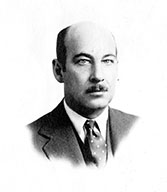
John D. Caldwell in his regalia, undated.
John Day Caldwell (1816-1902) worked in numerous roles in Cincinnati, including as a transportation agent, newspaper editor, librarian, city commissioner and Cincinnati Board of Education clerk. During the Civil War, Caldwell assisted in establishing the Cincinnati Home Guards, a civilian group of men who protected and patrolled the city.
His papers, originally stored in metal bread tins by Caldwell, were received as part of the Ohio Mechanics Institute records back in the 1970s. A card catalog was created for the collection, and the papers were rehoused into archival boxes following their receipt. However, archivists at ARB have reprocessed the collection for better organization and have created a corresponding finding aid that can be accessed online.
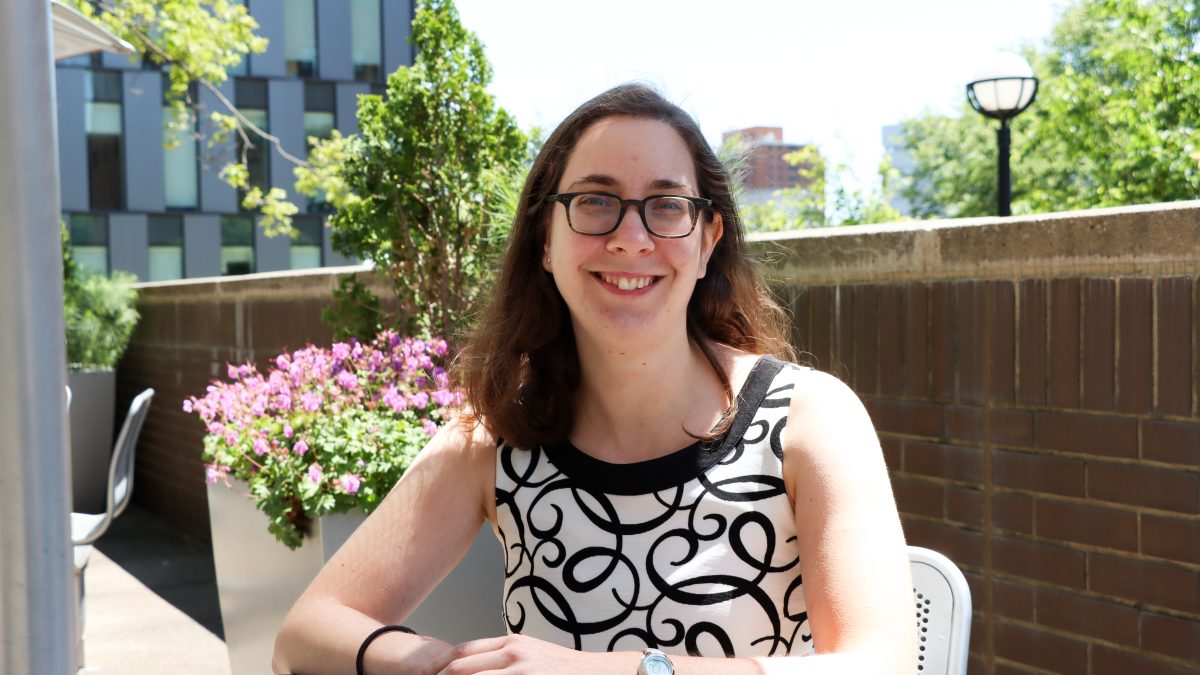
Weiye is a PhD candidate in Geography at the University of Cincinnati. Originally from Shenzhen, China, he earned both his bachelor’s and master’s degrees in Land Resource Management at China University of Geosciences.
His research focuses on geospatial data science, socio-environmental sustainability, and health geography, with a particular interest in applying advanced modeling and algorithms to understand human–environment interactions. He has contributed to several projects including land management, nature-based climate solutions, and urban perception analysis using street-view imagery, and has presented his work at academic conferences such as the American Association of Geographers (AAG) annual meeting.
As a GIS Collab consultant, Weiye looks forward to supporting others while continuing to expand his analytical toolkit in GIS-related analysis. He can share information, offer advice, and even partner on certain projects (on a case by case basis).
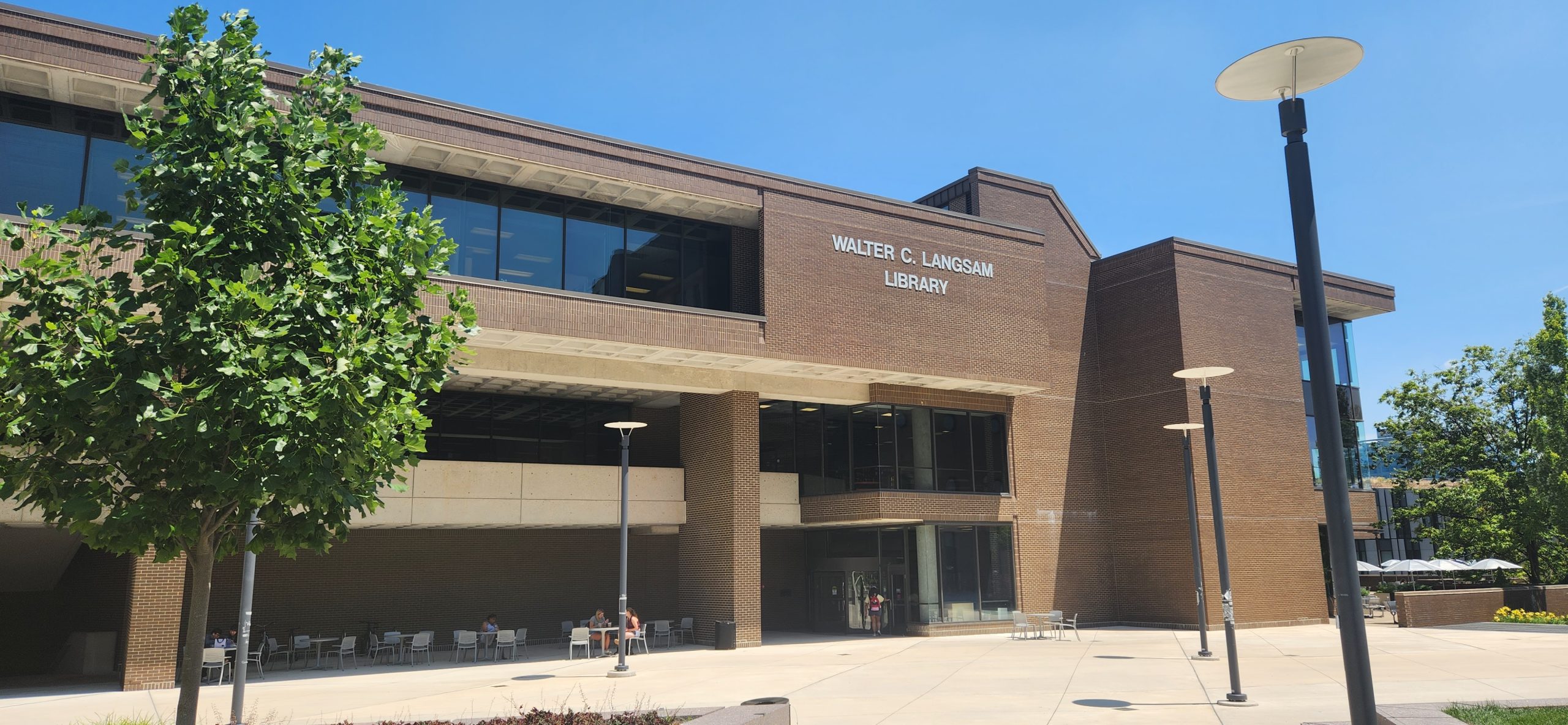
The Data & GIS collab is located in 412 Langsam with the hours of
I recently had the unique opportunity to visit my child’s classroom on Career Day to talk about academic librarianship. The audience was a pod of nearly 100 third and fourth graders, and I had 15 minutes to make an impression.
To start, I shared a short time-lapse video of our library building, highlighting collaborative spaces, art installations, and our massive stacks. The kids seemed genuinely engaged. I talked about student employment opportunities in university libraries, which caught the attention of a few of the fourth-grade girls. From there, I moved into an age-appropriate lesson on information literacy—how to recognize fake information in (my son’s favorite) YouTube videos and across the internet more broadly.
I introduced Special Collections and explained just how old some of our materials are, hundreds of years old, in fact, which managed to impress even the hardest-to-impress third and fourth graders. My one misstep was mentioning the artist of our very cool Tricercopter: The Hope for the Obsolescence of War sculpture, requested that their ashes be placed inside the piece after their death. I immediately knew I’d gone too far when a student raised their hand to ask, “What are ashes?”
In all honesty, this was a challenging presentation. Academic librarianship is incredibly broad; how do you choose what to share when your goal is to inspire future librarians? With the rapid introduction of new technologies like artificial intelligence, our work is becoming even more critical. We’re facing yet another overwhelming flood of information and are tasked with understanding how it’s created, building ethical and moral guardrails for its use, and, of course, identifying what’s fake. If current trends are any indication, we are going to be drowning in AI-generated content very soon, if we aren’t already.
This is core librarian work. We have been organizing, evaluating, and understanding information since the dawn of recorded knowledge. To keep up, we must continually adapt our foundational frameworks to meet challenges we haven’t yet experienced or even imagined.
This is an exciting, and some might say transformational, time for librarianship and higher education. I hope I was able to convey that excitement to those bright third and fourth graders, because we’re going to need their help.