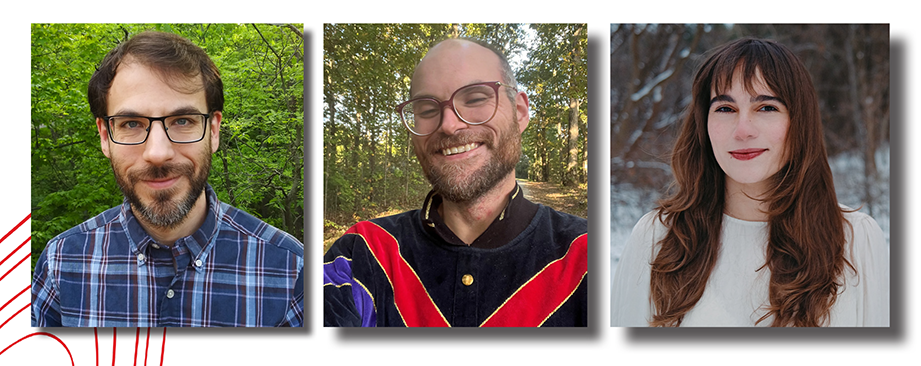
The University of Cincinnati Libraries and the Elliston Poetry Room announce the next roster of poets for Poetry Stacked. At the event, scheduled for Wednesday, Nov. 18 at 4:30pm in the John Miller Burnam Classics Library, 417 Blegen Library Building, this special edition of Poetry Stacked will feature two poets who will read their original work plus guests from the UC Department of Classics who will read poetry in the original Greek accompanied by an original verse translation of the same poem. The readers are:
- Anna Conser, PhD, assistant professor in the UC Classics Department. Her current research seeks to reconstruct and interpret the melodic design of ancient Greek songs, based on the intonation of pitch accents in the lyrics. This work draws on her practical experience as a director, composer and choreographer for productions of ancient drama performed in the original ancient Greek.
- Cason Willman, second-year graduate student in the Department of Classics at UC specializing in Greek and Latin Poetry. Cason was drawn to the discipline principally by the poetic beauty of Vergil, Homer, Catullus and many others. Cason earned his undergraduate degree at Case Western Reserve University, during which time he served as vice president of the local revived chapter of Eta Sigma Phi (ΗΣΦ), a position that included organizing Composition Nights in which poets could share their works written in Ancient Greek or Latin. Cason is also an amateur poet in his own right, composing original poetry in English, Ancient Greek and Latin.
- Holly Brians Ragusa, writes, speaks and advocates. She authored the true crime survival memoir Met the End, Dying to Know Myself In Time and poetry collections Inverse and Tilt a World. Founder of the Regional Literary Arts organization, Lit Cincy, Holly also serves as president for Ohio Poetry Association and holds leadership roles on other nonprofit boards. Community builder, researcher and storyteller, she is author and strategist for the Riverwalk Cincy App and the accredited Freedom Journey App for Underground Railroad Sites and content along the Southern Ohio River border. A contributor to Psychology Today, The Cincinnati Enquirer and USA Today, Holly champions literary endeavors, dignity, human rights and survivorship and is entrenched in the community.
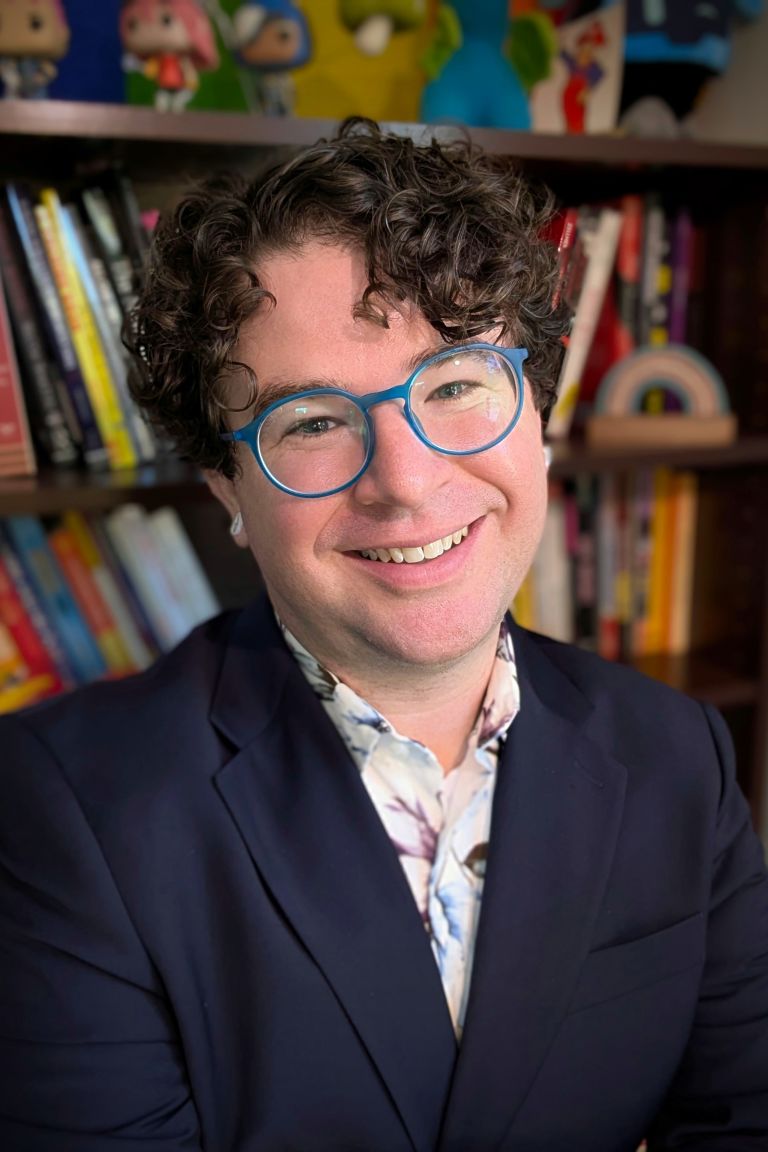
- Eros Livieratos is a Greek-Belizean writer & artist whose work focuses on the intersection of identity, aesthetics and capital in the Anthropocene. Eros has published poetry, fiction, non-fiction, comics, photography and film score work. He can usually be found making harsh noise & screaming in your local basement.